Discover why collectors pay premium prices for vintage blue hobnail glass and learn to spot authentic treasures worth hundreds of dollars. This complete guide reveals the secrets behind these textured beauties that naturally command top dollar at auctions, plus expert tips for finding, buying, and caring for pieces that will grow in value over time.
What makes blue hobnail glass a vintage treasure?
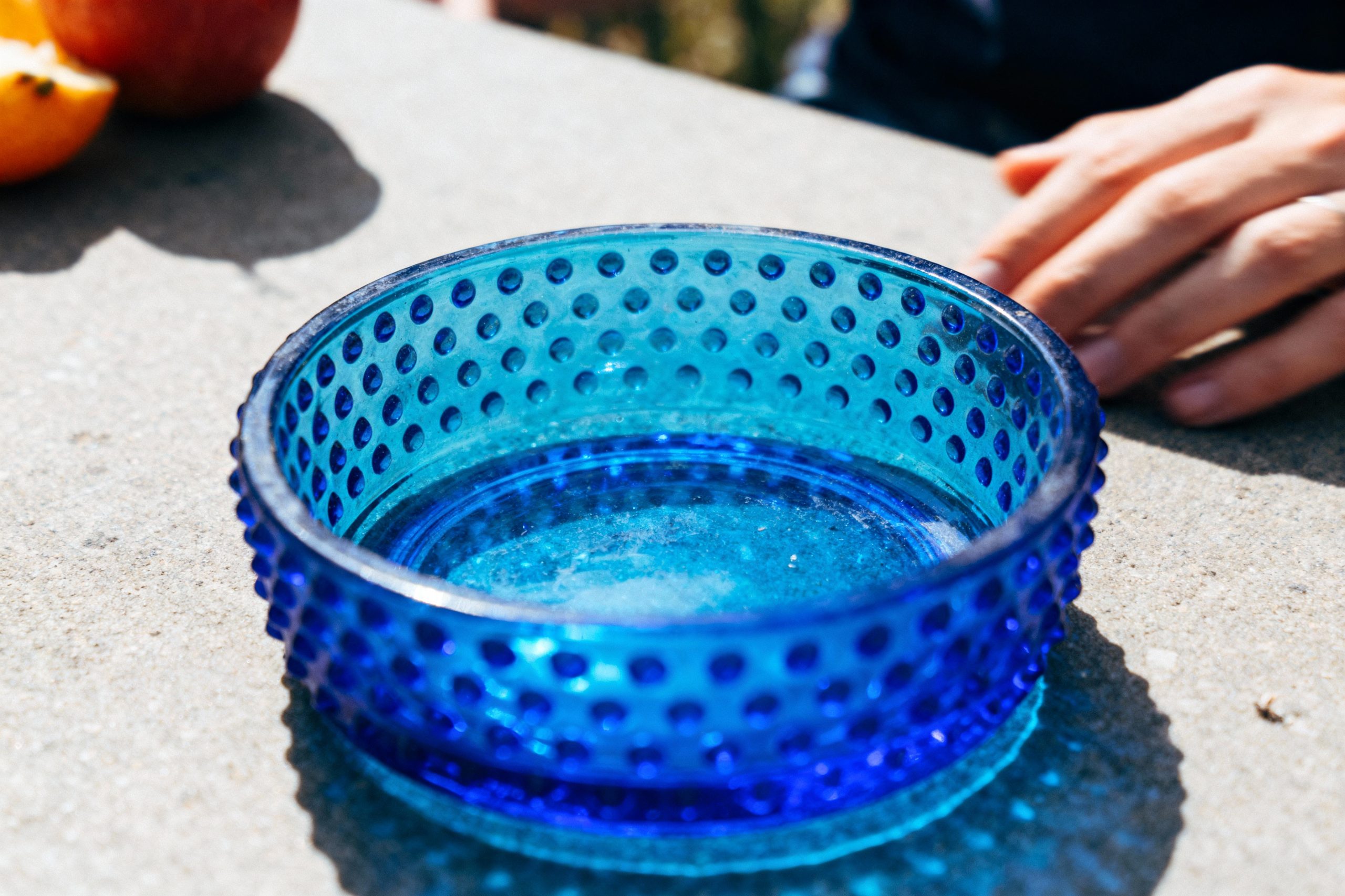
Blue hobnail glass stands out as a vintage treasure because of its unique textured surface, vibrant color, and exceptional craftsmanship from the mid-20th century. The distinctive raised bumps covering the glass surface create a tactile beauty that catches light in fascinating ways.
Collectors prize these pieces for their historical significance and artistic appeal. Each hobnail bump was carefully formed during the glassmaking process, creating patterns that are both functional and decorative. The blue color adds an elegant touch that complements any vintage collection.
What makes these items truly special is their connection to American glass manufacturing history. Most pieces date back to the 1940s through 1960s, when skilled artisans created glass that combined beauty with everyday use. The craftsmanship represents a time when attention to detail mattered more than mass production.
History and origins of hobnail glass in blue tones
The hobnail pattern originated in the early 1900s, but blue versions became popular during the mid-century period. American glass companies like Fenton Art Glass Company perfected this style, making it accessible to households across the country.
Glass artisans created the hobnail effect by pressing molten glass into specially designed molds. The process required precise timing and temperature control to achieve the characteristic bumpy texture. Blue coloring came from adding cobalt or other minerals to the glass mixture.
The popularity grew as people discovered how hobnail glass scattered light beautifully around rooms. Blue tones particularly appealed to homemakers who wanted elegant decorative pieces that weren’t too formal for everyday display.
hobnail blue glass patterns
Classic hobnail patterns feature uniform raised dots arranged in orderly rows across the glass surface. Some pieces combine hobnails with other decorative elements like crimped edges or floral motifs.
Popular pattern variations include pieces with larger hobnails around the base that gradually become smaller toward the top. Other designs feature alternating sizes of bumps that create visual rhythm across the surface.
Pedestal bases became common on many blue hobnail pieces, elevating bowls and compotes for better display. These patterns often included intricate details like scalloped rims or decorative handles that enhanced the overall design.
blue tones and finishes in hobnail glass
Vintage blue hobnail glass came in several distinct shades, from deep cobalt to lighter sky blue. Opalescent finishes created pieces that appeared to glow from within when light passed through them.
Milk glass versions featured opaque blue coloring that looked solid rather than transparent. These pieces often had a slightly different texture that felt smoother to the touch while maintaining the hobnail pattern’s visual appeal.
Some manufacturers created gradient effects where the blue color was deeper in certain areas and lighter in others. These variations make each piece unique and add to their collectible value today.
Collectibility, value, and market demand for blue hobnail glass
The market for vintage blue hobnail glass remains strong among collectors who appreciate mid-century design. Prices typically range from $50 to over $200 per piece, depending on rarity and condition.
Recent market trends show that rare variants have appreciated by over 30% among serious collectors. Pieces with original manufacturer labels or distinctive patterns command the highest prices at auctions and antique shows.
Demand stays consistent because these items represent both artistic achievement and historical significance. Collectors often focus on completing sets or finding pieces from specific manufacturers like Fenton.
blue glass hobnail varieties
Common collectible varieties include small accent pieces like perfume bottles, vases, and candle holders. Most pieces range from 4 to 12 inches in height, making them perfect for display shelving.
Larger items like lamp bases and serving bowls are less common but highly sought after. Lidded pieces such as candy jars or powder boxes often bring premium prices because both parts must be original and undamaged.
The most valuable varieties feature these characteristics:
- Clear manufacturer markings or original labels
- Vibrant, unfaded blue coloration
- Well-defined hobnail patterns without wear
- Complete sets or matching pieces
- Unusual shapes or limited production runs
care, display, and preservation tips for vintage glass
We advise gentle hand washing with mild soap and lukewarm water for cleaning vintage glass. Avoid sudden temperature changes that could cause cracking or stress fractures in older pieces.
Display pieces away from direct sunlight, as UV exposure can fade colors and degrade finishes over time. Choose locations with stable temperatures and low humidity to prevent damage.
Store pieces individually wrapped in soft cloth or tissue paper when not displayed. Keep them in sturdy boxes with adequate cushioning to prevent chips or breaks during handling.
Forms and patterns you’ll find today
Today’s market offers various forms of vintage blue hobnail glass, from tiny salt cellars to substantial centerpiece bowls. Compotes and fruit bowls remain among the most popular finds at antique shops.
Decorative items like bud vases and small pitchers appear frequently at estate sales. These pieces often show minimal wear because they were used primarily for special occasions rather than daily service.
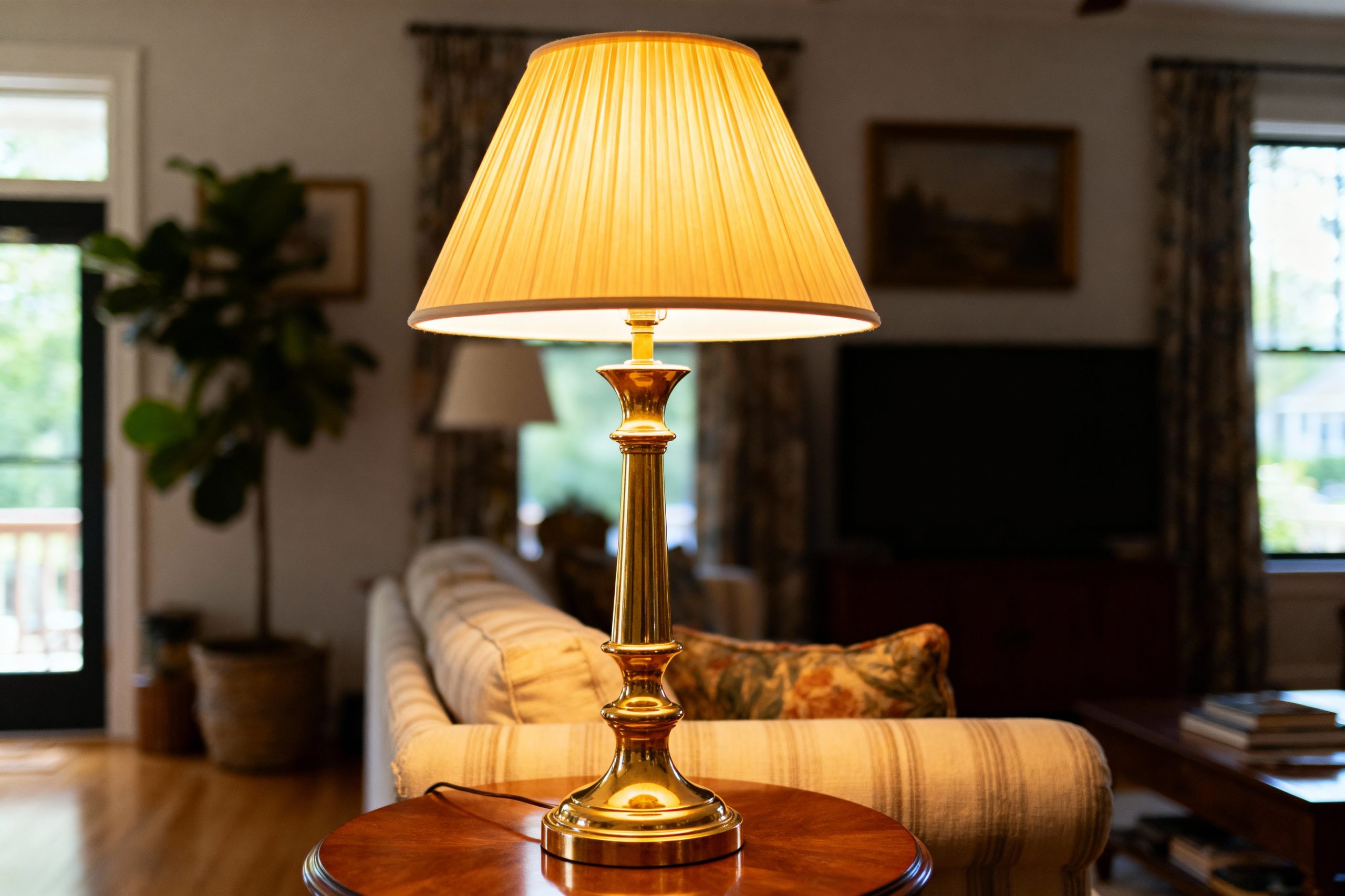
Lighting fixtures including table lamps and hanging shades represent some of the most impressive hobnail glass forms. These larger pieces showcase the pattern’s ability to create interesting light effects throughout a room.
Contemporary reproductions exist, but genuine collectible pieces are distinguishable by their superior craftsmanship and authentic aging patterns. Original pieces often have slight imperfections that indicate hand-blown or hand-finished production methods.
Where to shop and verify authentic pieces
Reputable antique stores and specialized vintage shops offer the best selection of authentic blue hobnail glass. We recommend shopping from dealers who provide detailed condition reports and authenticity information.
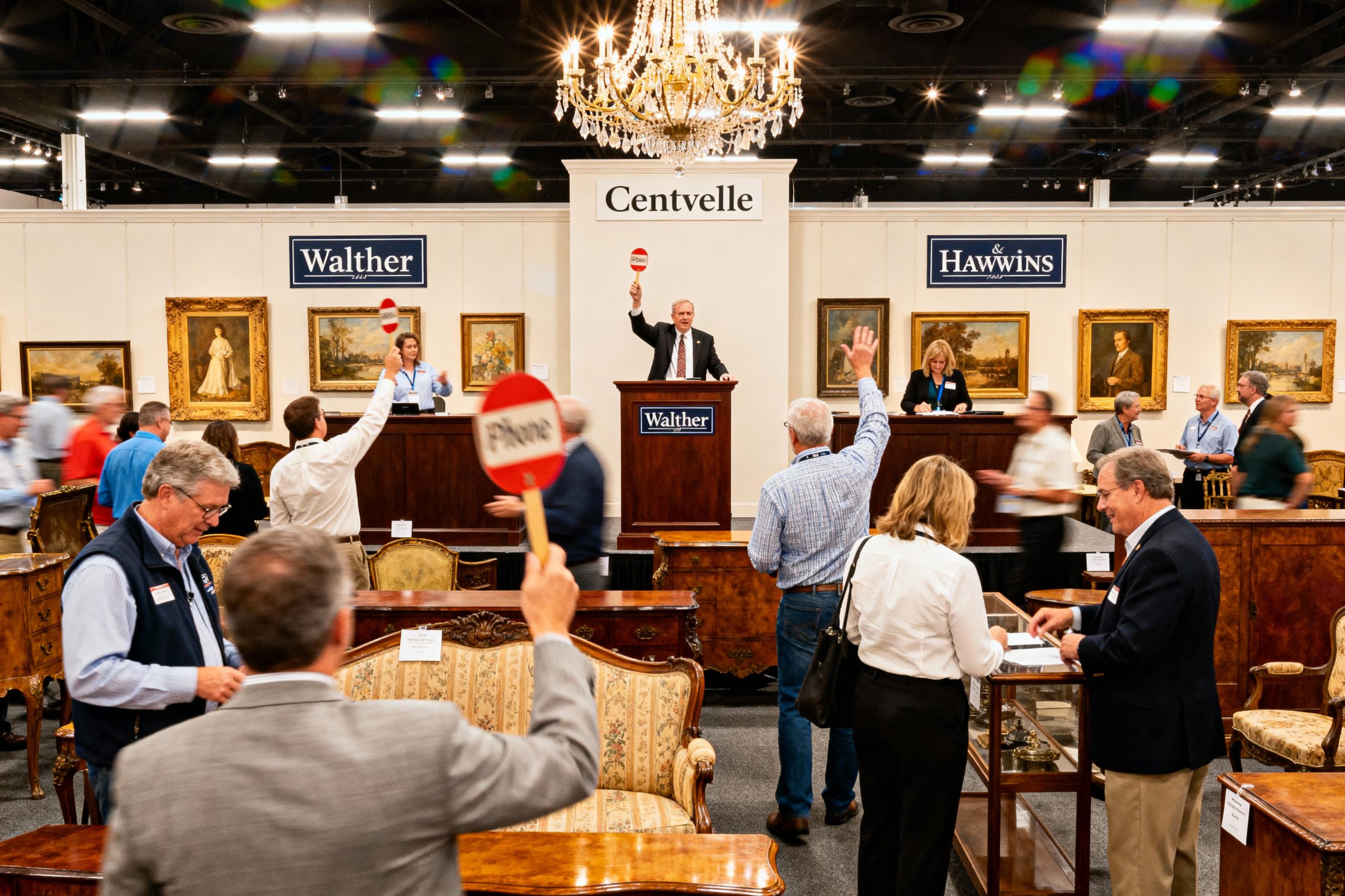
Estate sales and auction houses frequently feature quality pieces, especially when selling collections from serious vintage glass enthusiasts. Online marketplaces can be good sources but require careful verification of seller credentials.
When examining potential purchases, check for manufacturer marks such as Fenton signatures or mold numbers. Authentic pieces show consistent glass thickness and well-formed hobnail patterns without irregularities.
Ask about any chips, cracks, or restoration work before purchasing. Original pieces in mint condition command top prices, while damaged items may still have value for collectors willing to accept imperfections for rarer forms or patterns.
Frequently Asked Questions
Is hobnail glass valuable?
Is hobnail glass valuable? Yes, hobnail glass can be quite valuable, especially if it is from renowned manufacturers like Fenton and is in good condition. Collectors are willing to pay higher prices for rare pieces and those with distinctive patterns, often ranging from $50 to over $200.
Is blue glass worth anything?
Is blue glass worth anything? Yes, blue glass can be worth money, particularly if it features unique designs or is from recognized brands. Collectibles like blue hobnail glass can range in value significantly based on factors such as rarity, condition, and manufacturer.
How do you identify hobnail glass?
How do you identify hobnail glass? To identify hobnail glass, look for the distinctive raised bumps covering the surface, often resembling hobnail shoe soles. The even spacing and rounded shape of the bumps are key indicators, along with checking for manufacturer marks.
Is blue cut glass valuable?
Is blue cut glass valuable? Yes, blue cut glass can be valuable if it exhibits intricate designs and is in excellent condition. The craftsmanship and historical context can significantly influence its market value, with unique or rare pieces fetching higher prices among collectors.
What is the history of hobnail glass?
The history of hobnail glass traces back to the Victorian era in the 19th century, gaining popularity for its raised « hobnail » patterns. Initially created in the early 1900s, blue versions became widespread in the mid-20th century, mainly produced by companies like Fenton.
What vintage blue tones are found in hobnail glass?
Vintage blue tones in hobnail glass include deep cobalt, sky blue, and opalescent finishes. The coloration results from cobalt and other minerals in the glass mixture, while gradient effects create varying shades, enhancing the aesthetic appeal and collectible nature of the pieces.
Where to shop for authentic blue hobnail glass?
To shop for authentic blue hobnail glass, visit reputable antique stores and vintage shops known for quality glassware. Estate sales and auction houses are also good options. Ensure the dealers provide condition reports and check for manufacturer markings for authenticity.

John has been passionate about furniture and interior design for over a decade, combining his love for vintage pieces with modern styling techniques. After years of helping friends transform their spaces and restoring countless furniture finds, he started this blog to share his expertise and inspire others to create homes they truly love. When he’s not writing or hunting for unique pieces at estate sales, you’ll find him refinishing a mid-century dresser or experimenting with new room layouts in his own ever-evolving home.