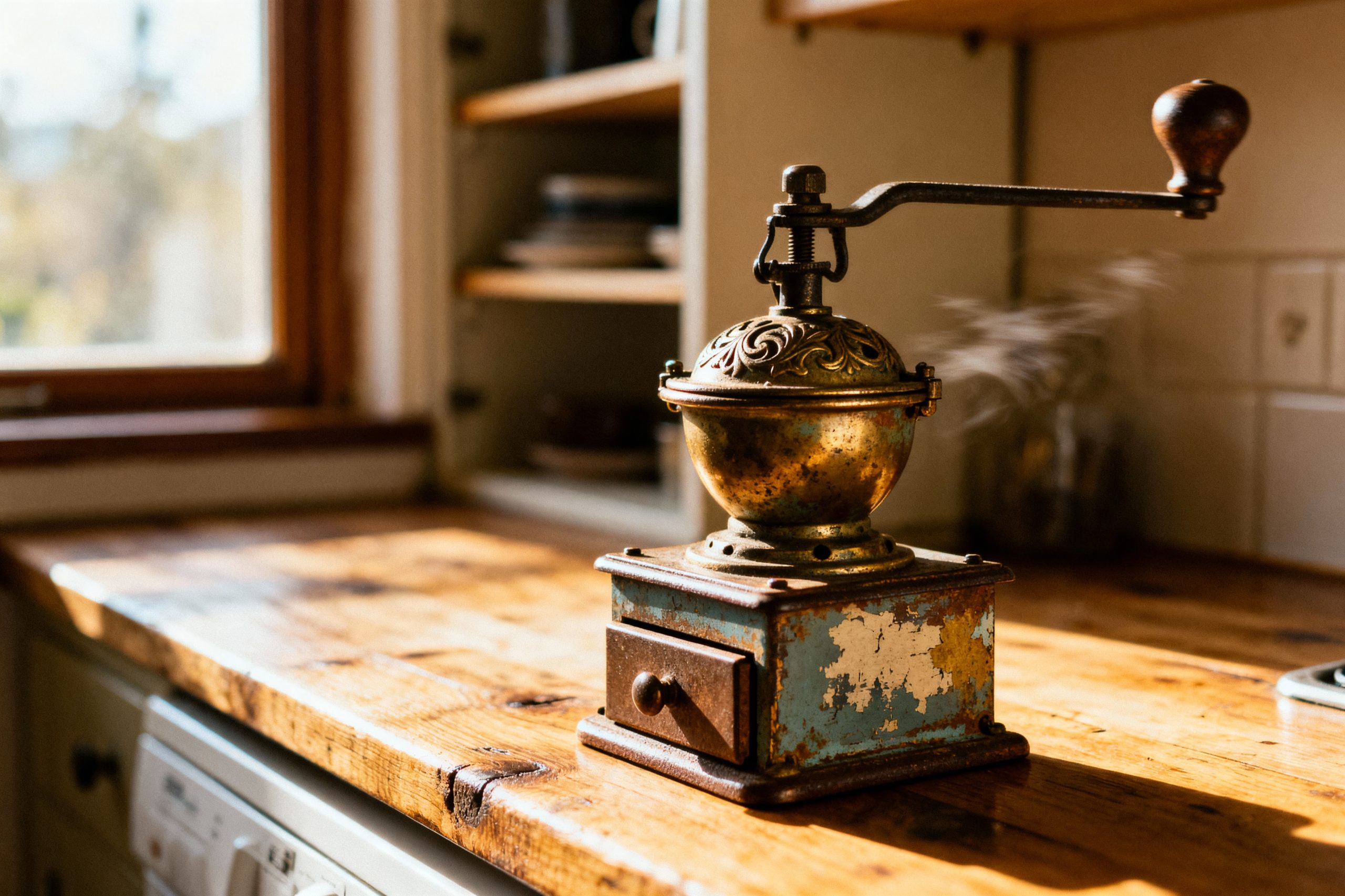
Coffee lovers who dream of owning a piece of brewing history will discover that collecting an antique coffee grinder opens doors to both functional art and investment potential. These timeless machines naturally blend craftsmanship with daily utility, making them perfect for enthusiasts seeking authentic vintage charm in their kitchen while still enjoying freshly ground beans for their morning cup.
Where to find stunning antique coffee grinders for sale?
Finding a stunning antique coffee grinder requires knowing where to look and what to expect. These vintage treasures can be discovered through various channels, from online auction platforms to specialized antique dealers who focus on kitchen collectibles.
The best hunting grounds include online auction sites, collector websites, and dedicated antique stores. Many sellers offer detailed condition reports and high-resolution photos to help buyers make informed decisions.
Online platforms and specialty stores to search
eBay stands out as one of the most comprehensive sources for vintage coffee grinders. The platform hosts a large selection featuring brands like Arcade, Landers Frary & Clark, Steinfeld, Parker, and PeDe Dienes.
Specialty collector websites focus specifically on antique coffee mills, providing detailed descriptions and condition reports. These platforms often feature wall-mounted, glass hopper, canister, lap, and counter models with comprehensive documentation.
Dedicated antique coffee grinder websites and collector forums create vibrant trading communities. These specialized marketplaces connect serious collectors and offer rare pieces that might not appear on mainstream platforms.
We recommend exploring multiple sources to compare prices and conditions. Some online marketplaces focus exclusively on kitchen antiques, while others cast a wider net across various collectible categories.
Antique coffee grinder: types, brands and styles to know
Antique coffee grinder variations and styles
Coffee grinder styles evolved significantly over the decades, creating distinct categories that appeal to different collectors. Wall-mounted models like the PeDe Dienes units showcase elegant design with functional efficiency.
Box or lap mills represent portable grinding solutions from earlier eras. These compact units often feature beautiful wood construction with brass or iron mechanisms tucked inside.
Upright or post mills dominated countertops in many households. Brands like Universal No. 24 and Arcade No. 3 became household names, offering reliable daily grinding with distinctive cast iron construction.
European-made grinders bring different aesthetic sensibilities, often featuring painted surfaces and embossed details. These pieces showcase handcrafted patinas that develop character over time.
Antique coffee grinder features to inspect
Authentic antique pieces display specific characteristics that confirm their vintage status. Stainless steel burr mechanisms with adjustable grind settings indicate quality construction from reputable manufacturers.
Original paint or finish tells important stories about preservation and care. We advise checking that handles, joints, and nails remain original and intact, as replacements can significantly impact value.
Cast iron bodies generally offer superior durability for daily use compared to wooden alternatives. The weight and construction quality often distinguish genuine antiques from modern reproductions.
Brand markings and model numbers help verify authenticity. Many manufacturers stamped their names and patent information directly onto the metal components.
Condition and restoration considerations
Condition dramatically affects both price and usability of vintage grinders. Well-maintained cast iron mills provide excellent grind consistency and durability for everyday brewing needs.
Some sellers offer restored or refurbished units, typically disclosing work completed including disassembly, cleaning, painting, and part replacement. Restoration can range from simple cleaning to complete rebuilds.
Cleaning methods like wire brushing or sandblasting remove rust and accumulated grime. We recommend understanding what restoration work has been performed before making purchase decisions.
Wooden mills may require more extensive restoration work compared to their cast iron counterparts. Checking for wood rot, loose joints, or missing components helps avoid costly surprises.
Collectors seeking authentic pieces often prefer models with minimal restoration, while functional users might appreciate quality restoration that preserves original craftsmanship while ensuring reliable operation.
Buying tips and practical considerations
Price ranges vary widely depending on condition, rarity, brand, and style. Restored or good condition mills often start from a few hundred dollars and can exceed one thousand for rare collectible pieces.
We recommend verifying seller reputation through feedback scores and transaction history. Request detailed photos showing all angles, especially areas prone to wear or damage.
Condition reports should disclose any repairs or replacements honestly. Ask specific questions about grinding quality, particularly how well older mills produce consistent results depending on burr condition.
- Check provenance documentation when available
- Verify completeness of all original parts
- Examine photos for signs of excessive wear or damage
- Ask about functionality if planning to use for grinding
- Research typical prices for similar models and conditions
Educational resources and collector communities provide valuable insights about brand variations and desirable features. Historical advertisements and vintage catalogs help confirm authenticity and original specifications.
Shipping considerations become important for heavier cast iron models. Factor packaging and insurance costs into total purchase prices, especially for delicate or valuable pieces.
FAQ
How to date an antique coffee grinder?
To date an antique coffee grinder, examine its design, materials, and any brand markings. Research the specific features associated with different eras. Consult experts or collectors for insights, and look for patent information for precise dating. Knowing these details can help establish its historical context.
Is it safe to use an antique coffee grinder?
It is generally safe to use an antique coffee grinder if it is in good condition. Inspect for rust, wear, or missing parts before using it. Well-maintained grinders can achieve a consistent grind, but check for any potential hazards related to age, such as loose components or weakened materials.
What is the best coffee grinder in the world?
The best coffee grinder in the world varies based on individual preferences and needs. Many coffee enthusiasts consider brands like Baratza, Breville, and Porlex for consistent grind quality. Factors like grind consistency, ease of use, and durability influence personal selections among different models.
What is a Florence grinder?
A Florence grinder refers to a specific design of antique coffee grinders known for their aesthetic appeal and functionality. Typically, these grinders feature intricate craftsmanship, with beautiful wood finishes and ornate details, often sought after by collectors for their craftsmanship and timeless charm.
What types of antique coffee grinders exist?
Antique coffee grinders include several types such as wheel grinders, which are large cast iron models; box grinders, often made of wood; and upright or post mills, typically found on countertops. Each type has unique features that appeal to collectors and users alike.
What should I look for when buying an antique coffee grinder?
When buying an antique coffee grinder, inspect its condition, checking for original parts, signs of wear, and proper functionality. Research the rarity and price range of similar models. Ask for documentation or certificates of authenticity to ensure a fair purchase and avoid misrepresented items.

John has been passionate about furniture and interior design for over a decade, combining his love for vintage pieces with modern styling techniques. After years of helping friends transform their spaces and restoring countless furniture finds, he started this blog to share his expertise and inspire others to create homes they truly love. When he’s not writing or hunting for unique pieces at estate sales, you’ll find him refinishing a mid-century dresser or experimenting with new room layouts in his own ever-evolving home.