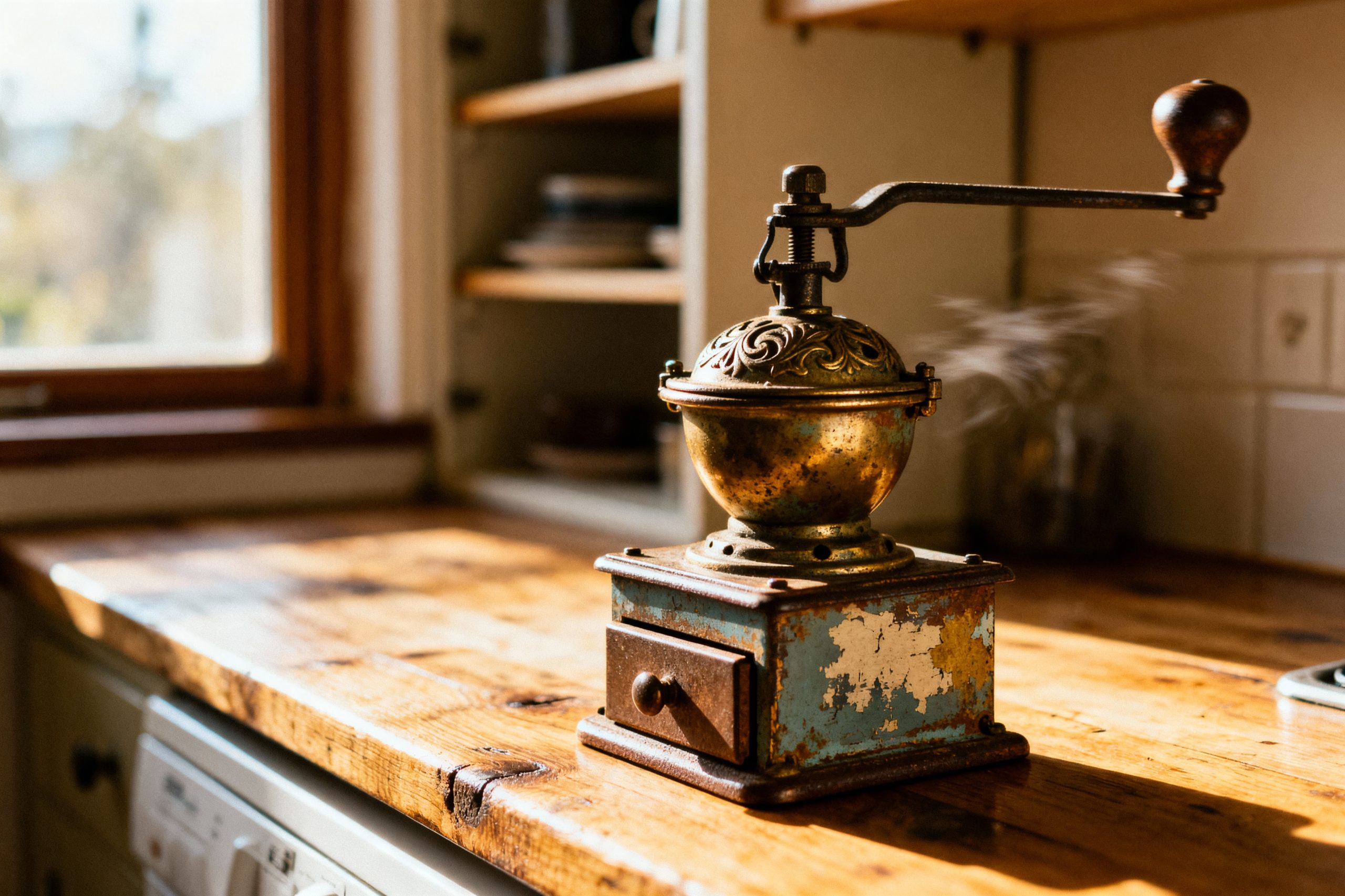
Your treasured antique brass pieces deserve care that honors their history and preserves their authentic beauty. Discover proven methods for how to clean antique brass naturally while protecting the valuable patina that makes these items special. This guide reveals simple techniques using household items that safely remove dirt without destroying decades of natural aging that gives your brass its character and worth.
How can you clean antique brass without removing patina?
Learning how to clean antique brass properly means understanding that patina is your friend, not your enemy. This natural aging process creates the beautiful, darkened finish that gives antique brass its character and value. The key lies in gentle cleaning methods that remove dirt and tarnish while preserving this desirable patina.
The difference between patina and tarnish matters greatly for collectors and homeowners alike. Patina develops naturally over decades and adds authenticity to vintage pieces. Tarnish, on the other hand, can obscure the brass’s beauty and should be gently removed.
Simple techniques using mild soap, warm water, and soft cloths will restore your brass items without damaging their aged finish. We recommend avoiding harsh chemicals or abrasive materials that can strip away years of natural character in minutes.
How to clean antique brass safely: tips and considerations
Safety starts with understanding what you’re working with. Antique brass pieces often have delicate surfaces that require a gentle touch. We advise against using commercial polishes that aren’t specifically formulated for patinated finishes.
Temperature plays a role in safe cleaning. Room temperature water works best, as extreme heat or cold can cause metal expansion or contraction that might damage older pieces. Keep your workspace well-ventilated and protect surrounding surfaces from water damage.
Regular maintenance prevents the need for aggressive cleaning later. Weekly wipe-downs with a dry microfiber cloth help maintain the brass’s natural finish. This simple habit can extend the life of your antique pieces significantly.
Always test cleaning methods on hidden areas first. What works for one brass item might not suit another, especially when dealing with pieces from different time periods or manufacturing processes.
Assess brass: lacquered, solid, or plated
Identifying your brass type determines the right cleaning approach. Lacquered brass has a glossy, uniform coating that resists tarnishing but requires different care than unlacquered pieces. Look for signs like consistent shine or areas where the coating might be wearing thin.
Visual cues help distinguish between types. Solid brass develops natural aging patterns and shows signs of patina development over time. The color variations and slight imperfections indicate authentic aging rather than artificial treatments.
Testing with a magnet reveals important information about your piece. If the magnet sticks, you’re likely dealing with brass plating over a base metal. This knowledge prevents you from accidentally cleaning through thin brass layers.
The cotton swab test works well for lacquered surfaces. Dab a hidden area with acetone on a cotton swab. If color transfers to the swab, the piece likely has a lacquered finish that needs special consideration during cleaning.
Gentle cleaning steps to preserve patina
Dust first and assess patina
Begin every cleaning session with thorough dusting using a soft microfiber cloth. This removes surface debris that could scratch the brass during wet cleaning. Pay attention to crevices and detailed areas where dust accumulates.
Examine the patina closely during this initial step. Natural patina appears as even darkening with subtle color variations. Areas that look artificially darkened or have green corrosion spots need different treatment approaches.
Check for loose elements or structural issues before proceeding. Antique pieces sometimes have delicate joints or decorative elements that could be damaged by moisture or movement during cleaning.
Clean with mild soap and water, then rinse and dry
Mix warm water with a few drops of mild dish soap to create your cleaning solution. We recommend using about 1 teaspoon of soap per cup of water. This gentle mixture removes grime without harsh chemical reactions that strip patina.
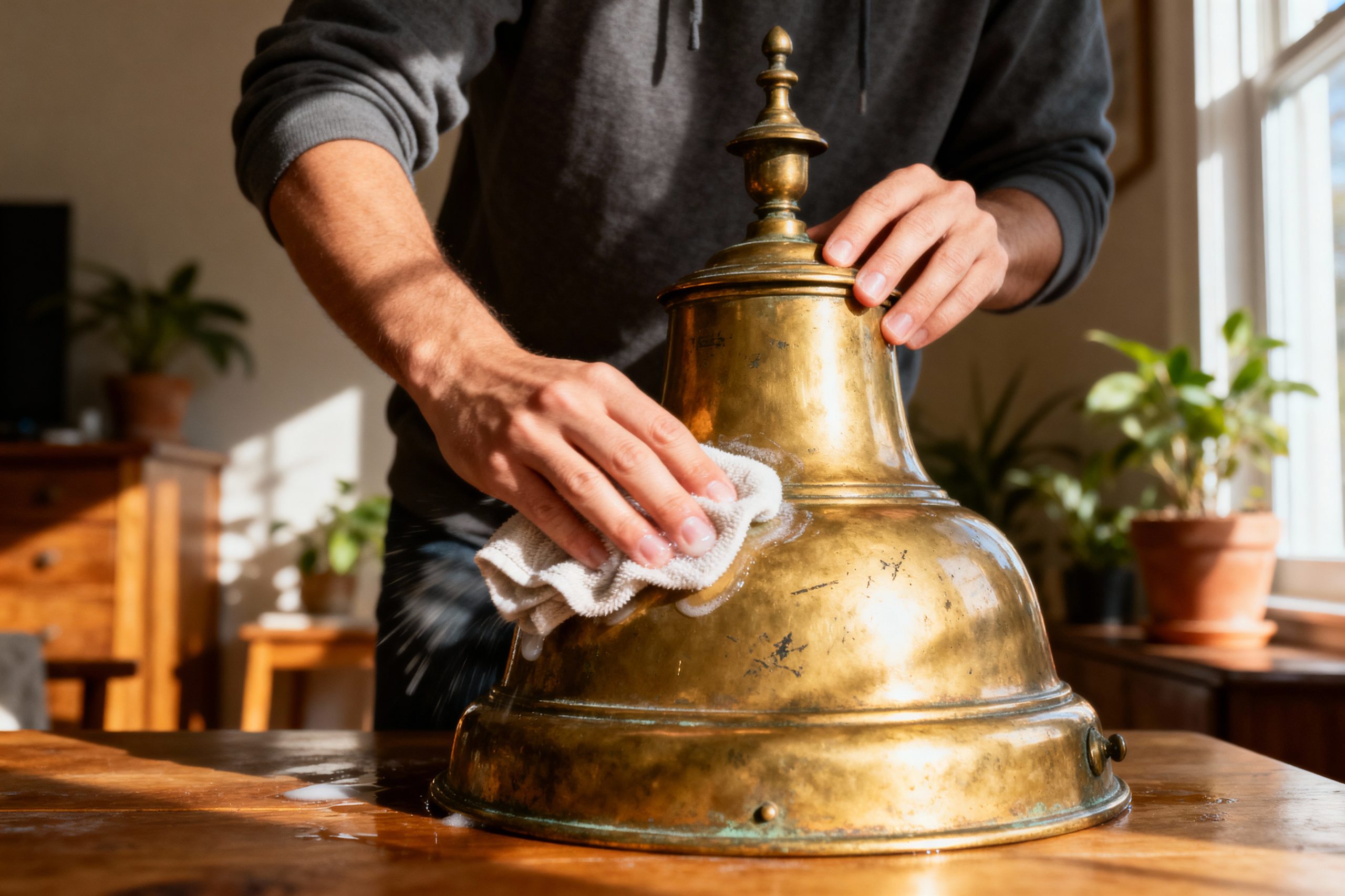
Apply the soapy water with a soft cloth, working in small circular motions. For detailed crevices, use a soft-bristled toothbrush dipped in the solution, applying minimal pressure to avoid scratching the surface.
Rinse thoroughly with plain warm water to remove all soap residue. Soap left on brass can cause spotting or discoloration over time. Follow immediately with complete drying using a soft, lint-free cloth to prevent water spots from forming.
Practical guidance on products, maintenance, and design considerations
Product selection makes a significant difference in preserving antique brass character. Non-abrasive cleaning cloths, natural bristle brushes, and pH-neutral soaps work best for regular maintenance. Brands like Weiman offer specialized products designed for maintaining patinated finishes.
Here are products to avoid when cleaning antique brass:
- Steel wool or metal scrapers that scratch surfaces
- Abrasive cleaners containing harsh chemicals
- Vinegar-based solutions that can strip patina
- Generic brass polishes not formulated for antique finishes
Post-cleaning conditioning helps protect your brass pieces. Apply a light coating of mineral oil or beeswax after cleaning to create a protective barrier. This step helps maintain the patina while preventing future tarnishing.
Design considerations respect the natural aging process that gives antique brass its value. About 80% of a piece’s character comes from its authentic patina, making preservation more valuable than aggressive cleaning.
Understanding your item’s history guides appropriate care methods. Heritage pieces require more delicate handling to maintain their historic character. We suggest researching the age and origin of significant pieces before beginning any cleaning regimen.
Timing matters for how to clean antique brass maintenance. Clean only when necessary rather than following rigid schedules. Over-cleaning removes the natural character that makes these pieces special and valuable to collectors and enthusiasts.
FAQ
What do antique dealers use to clean brass?
Antique dealers often use a gentle mixture of mild soap and warm water to clean brass. They recommend soft cloths and soft-bristled brushes to avoid scratching. This approach effectively removes dirt without damaging the brass’s natural patina, which is important for preserving its character.
What is the best way to clean old brass?
The best way to clean old brass is by using a solution of mild dish soap mixed with warm water. Apply this with a soft cloth or toothbrush, gently scrubbing to remove tarnish while preserving the patina. Rinse thoroughly and dry immediately with a lint-free cloth to prevent spots.
How to clean antique brass without removing patina?
To clean antique brass without removing patina, use a mixture of mild soap and warm water. Dust the piece first, then gently clean using soft cloths. Avoid harsh chemicals and abrasive tools to ensure the patina remains intact, maintaining the item’s value and character.
Does cleaning antique brass devalue it?
Cleaning antique brass can sometimes devalue it if done improperly. If the cleaning process removes the natural patina, it can diminish the character that collectors value. Always use gentle methods and understand the importance of preserving the original finish to maintain value.
What materials do I need to clean antique brass?
To clean antique brass, you will need mild dish soap, water, a soft lint-free cloth or sponge, a soft-bristled toothbrush, and possibly a brass polish or microfiber cloth. These materials ensure a gentle cleaning process that does not damage the brass’s surface.
How do I know if my item is solid brass (not plated)?
To determine if your item is solid brass, you can use a magnet. If the magnet sticks to the item, it is likely brass-plated over a base metal. Solid brass will not attract a magnet, indicating its authentic composition.
What should I avoid when cleaning antique brass?
When cleaning antique brass, avoid using steel wool, metal scrapers, abrasive cleaners with harsh chemicals, vinegar solutions, and generic brass polishes. These can scratch the surface or strip the patina, damaging the piece’s value and character.

John has been passionate about furniture and interior design for over a decade, combining his love for vintage pieces with modern styling techniques. After years of helping friends transform their spaces and restoring countless furniture finds, he started this blog to share his expertise and inspire others to create homes they truly love. When he’s not writing or hunting for unique pieces at estate sales, you’ll find him refinishing a mid-century dresser or experimenting with new room layouts in his own ever-evolving home.