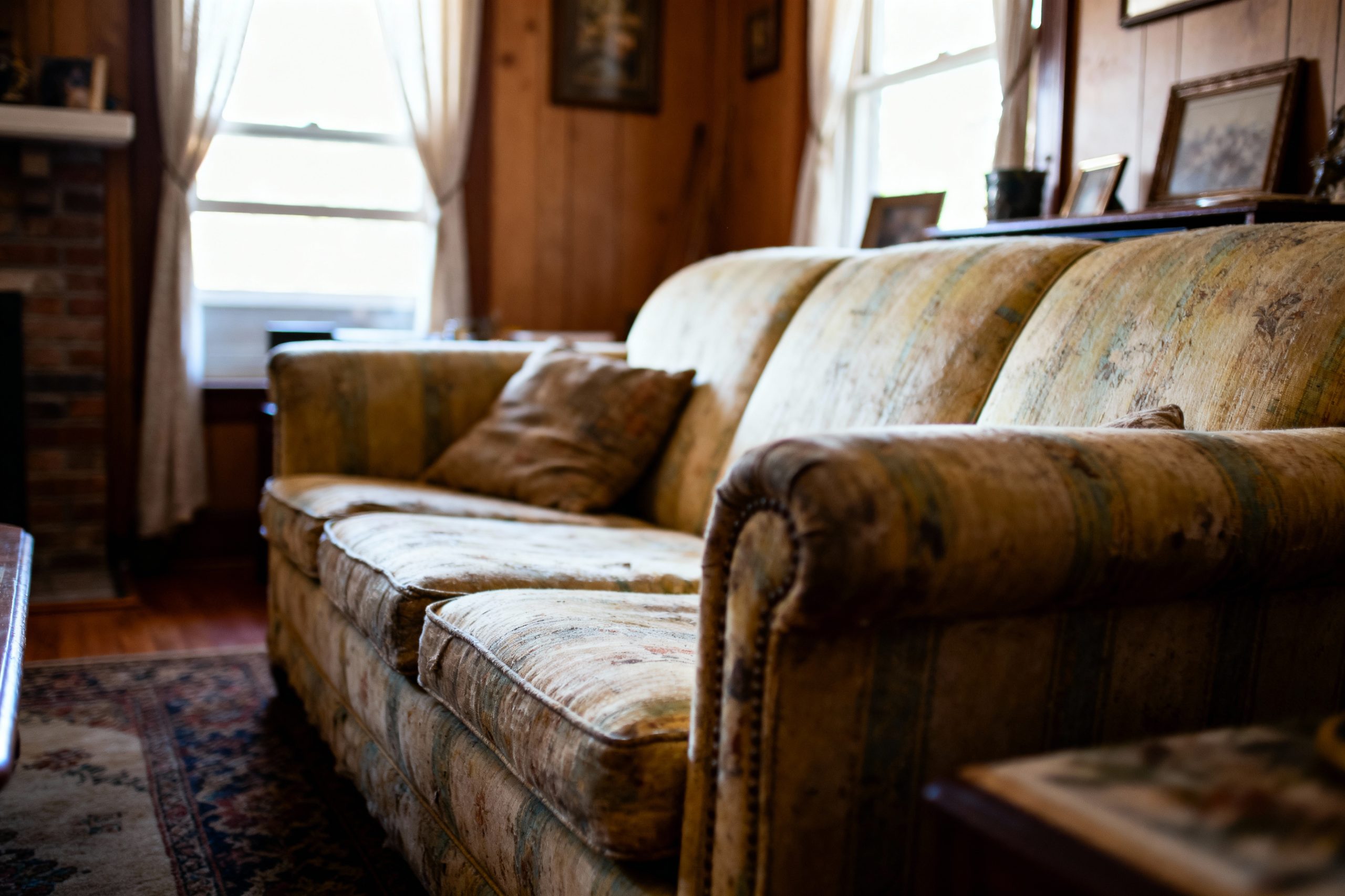
Transform your living room into a sophisticated sanctuary by discovering how to find, evaluate, and care for the perfect vintage sofa that naturally becomes your home’s centerpiece. Whether you’re drawn to mid-century modern classics or elegant pieces from other eras, this guide reveals insider secrets for identifying authentic treasures, avoiding costly restoration mistakes, and making smart purchases that increase in value over time.
What makes vintage sofas timeless and stylish for your home?
A vintage sofa brings unmatched character and sophistication to any living space through its exceptional craftsmanship, premium materials, and designs that have stood the test of time. These pieces showcase the artistry of bygone eras when furniture makers prioritized quality over mass production.
The enduring appeal stems from their use of sumptuous materials like velvet, buttery leather, and handwoven fabrics such as Harris Tweed. These natural materials age gracefully, developing a patina that adds to their charm rather than detracting from it.
Unlike modern furniture that often follows fleeting trends, vintage pieces were built during periods when design philosophies emphasized longevity and function. Their solid wood frames, hand-tied springs, and careful construction techniques mean they can last for decades with proper care.
Choosing a vintage sofa that anchors your living room
The right vintage piece should serve as your room’s focal point without overwhelming the space. We advise evaluating the size and scale carefully – a sofa that’s too large can dominate your living area, while one that’s too small might get lost among other furniture.
Materials and finishes that endure
When selecting materials, consider how they’ll age in your specific environment. Leather develops a beautiful patina over time but requires protection from direct sunlight. Velvet upholstery adds luxury but needs gentle handling.
Wood finishes like walnut, teak, and rosewood were popular during the mid-century period and remain highly sought after. These materials develop richer tones with age, making them even more beautiful than when they were new.
Original finishes and craftsmanship significantly add to a piece’s allure and value. Look for hand-carved details, brass hardware, and joinery techniques that showcase the maker’s skill.
Era-inspired silhouettes to match your décor
Different decades produced distinct design languages that can complement various decorating styles. Clean lines and organic shapes from the 1950s work well in modern minimalist spaces.
Color schemes play a crucial role in how well a piece integrates with your existing décor. Muted tones and neutrals offer versatility, while bold hues like moss green, plum, or bisque can become stunning statement pieces.
The silhouette should harmonize with your room’s architectural features. Low-profile designs suit spaces with lower ceilings, while taller backs can fill rooms with generous vertical space.
Iconic silhouettes and their eras in mid-century design
Mid-century modern design, spanning roughly from 1945 to 1965, produced some of the most recognizable and enduring furniture silhouettes. This period emphasized functionality married with beautiful form, creating pieces that remain popular today.
Cassina’s Soriana sofa by Afra E Tobia Scarpa exemplifies the era’s innovative approach to comfort and style. Its distinctive design features modular elements and plush cushioning that challenged traditional sofa construction methods.
De Sede modular sofas from Switzerland became legendary for their luxurious leather and innovative connecting systems. These pieces could be reconfigured to suit different spaces and needs, reflecting the period’s emphasis on adaptability.
Roche Bobois Italian sofas brought European sophistication to American homes during this era. Their sculptural forms and rich upholstery materials made them coveted pieces that continue to appreciate in value.
The clean lines and minimalist designs of this period avoided unnecessary ornamentation, focusing instead on proportion and material quality. This restraint is why approximately 70% of mid-century pieces still look fresh in contemporary interiors.
How to assess condition and restoration needs for vintage sofas
Before purchasing any vintage piece, conduct a thorough condition assessment to understand what you’re buying and any future investment required. Start by examining the structural integrity – check for loose joints, wobbly legs, or sagging frame components.
Upholstery condition varies widely among vintage pieces. Look for excessive wear, stains, tears, or fabric deterioration that might require professional attention. Some surface wear adds character, but structural fabric damage can be costly to repair.
Test all moving parts including reclining mechanisms, swivel bases, or convertible features. These complex systems often need adjustment or replacement parts that may be difficult to source.
- Check frame stability by gently pushing and pulling the sofa
- Examine spring systems for sagging or broken elements
- Assess upholstery for stains, tears, and overall wear patterns
- Test cushion firmness and support quality
- Look for pest damage, particularly in natural fibers
Restoration work can include reupholstery, frame reinforcement, and refinishing wood elements. Professional restoration typically costs between $800 and $2,500 depending on the piece’s complexity and required work.
Shopping guidance for a vintage sofa
Smart shopping requires understanding both the market and the specific piece you’re considering. Research comparable pieces to establish fair pricing, and don’t rush major purchases – quality vintage sofa options appear regularly if you’re patient.
vintage sofas care and maintenance
Proper maintenance extends your vintage sofa’s life significantly and preserves its value. Regular cleaning prevents dirt buildup that can damage fibers over time, but avoid harsh chemicals that might discolor or weaken vintage materials.
Protect fabrics and leather from sun damage by positioning pieces away from direct sunlight or using window treatments during peak sun hours. UV exposure causes fading and material breakdown that’s often irreversible.
Professional cleaning every 12 to 18 months helps maintain appearance and hygiene. Many vintage textiles require specialized care that regular upholstery cleaners may not understand.
For leather pieces, use appropriate conditioners quarterly to prevent cracking and maintain suppleness. Natural oils in quality leather need replenishment to stay flexible and attractive.
provenance and pricing for vintage sofas
Provenance significantly influences pricing, with pieces from recognized designers and manufacturers commanding premium prices. Mid-century brands like Cassina, Vico Magistretti, and De Pas D’Urbino are highly valued in today’s market.
Authenticity verification involves examining labels, construction details, and design elements that match documented examples. Original purchase history or designer documentation can substantially increase value.
Pricing varies widely based on condition, rarity, and market demand. A restored piece from a famous designer might cost $3,000 to $8,000, while similar styles from lesser-known makers range from $500 to $2,000.
We advise getting written documentation of any restoration work performed, as this affects both current condition and future resale value. Original components and finishes typically command higher prices than heavily restored pieces.
Inspiration: where to shop authentic vintage sofas
Finding authentic pieces requires knowing where serious dealers and collectors sell quality vintage furniture. Specialized vintage furniture stores often curate collections and can provide background information about specific pieces and their makers.
Reputable online platforms known for quality assurance offer broader selection but require careful evaluation of seller credentials and return policies. Look for detailed photographs and condition descriptions that address potential concerns.
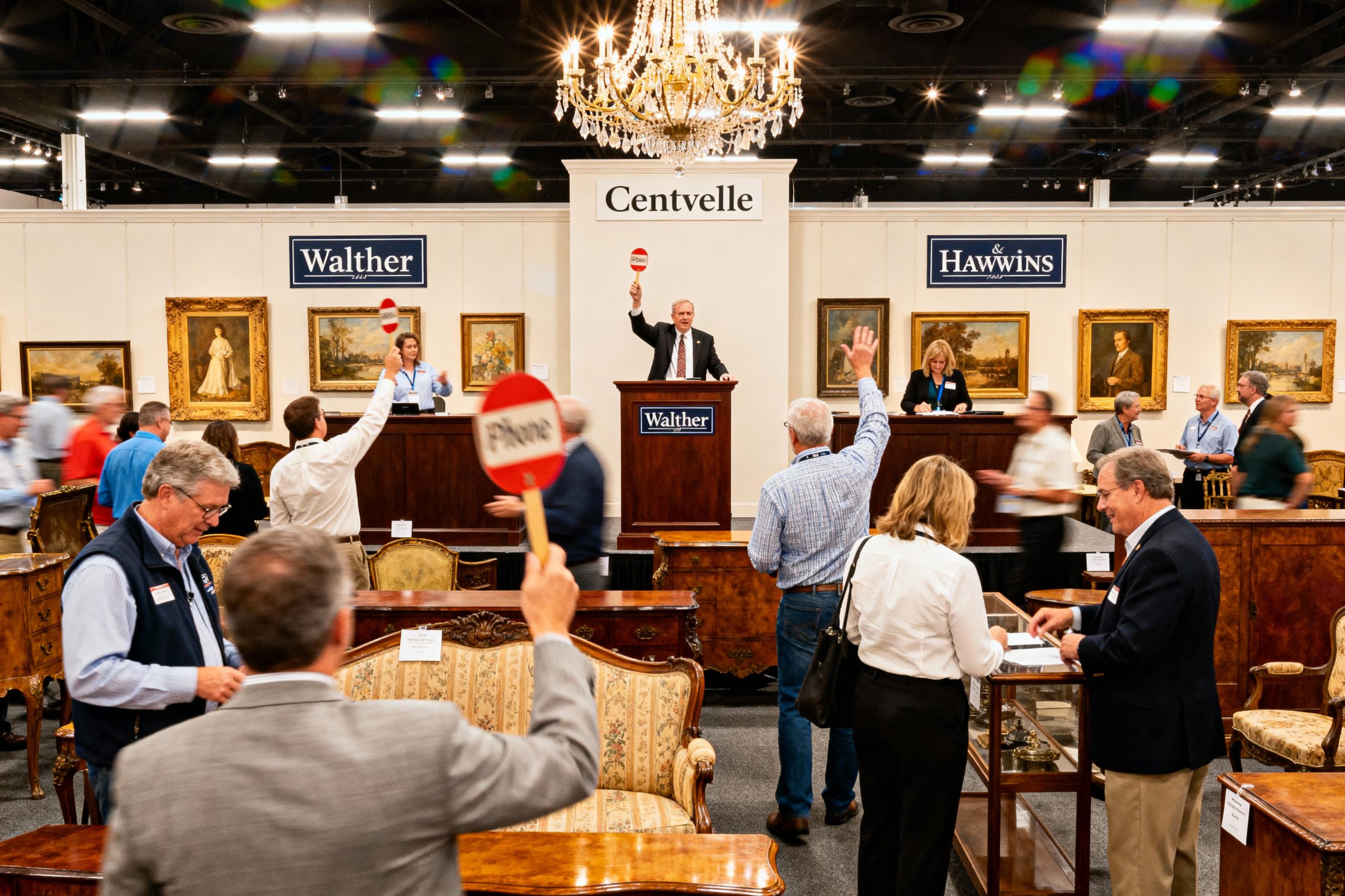
Auction houses occasionally feature exceptional pieces, particularly from estate sales or designer collections. These venues can offer opportunities to acquire museum-quality pieces, though competition can drive prices higher than retail.
Showrooms with curated collections provide the advantage of seeing pieces in person and often offer some authenticity guarantees. Many also provide restoration services or can recommend qualified professionals for needed work.
Antique and vintage dealers who specialize in mid-century or specific periods develop expertise that benefits buyers. They understand market values, can spot reproductions, and often have access to pieces before they reach general markets.
Frequently Asked Questions
Are old couches worth anything?
Old couches can be worth something depending on their condition, brand, period, and style. Antique or vintage couches from recognized designers often have higher value, especially if they feature original fabrics and craftsmanship. Proper valuation often requires professional appraisal.
What are vintage sofas called?
Vintage sofas are often referred to as mid-century modern sofas, retro sofas, or simply vintage furniture. These terms signify pieces created in the past that reflect unique design styles and craftsmanship, often associated with specific eras that add to their charm and appeal.
Is $2000 expensive for a couch?
2000 dollars can be considered expensive for a couch, but it largely depends on the materials, craftsmanship, and brand. High-quality vintage sofas or designer pieces may justify this price, especially if they offer unique designs and exceptional longevity.
Is 100 year old furniture worth anything?
100 year old furniture can indeed be worth a significant amount if it is in good condition and maintains its original components. Valuation depends on factors like rarity, demand, style, and brand, making some antiques highly prized collectibles.
How do I identify a genuine vintage sofa?
To identify a genuine vintage sofa, examine its construction, materials, and provenance. Look for signs of craftsmanship such as hand-carved details, sturdy joinery, and original labels from reputable makers. Researching specific design elements can also help in verification.
What styles of vintage sofas are popular?
Popular styles of vintage sofas include mid-century modern designs characterized by clean lines, elegant curves, and functional versatility. Additionally, 19th-century Victorian and Art Deco styles remain highly sought after for their intricate details and distinctive aesthetics.
How do I restore or clean a vintage sofa?
To restore or clean a vintage sofa, start with vacuuming to remove dust. For deeper cleaning, use a gentle cleanser suitable for the fabric type. Restoration may involve reupholstering or refinishing wood elements, often requiring professional assistance for optimal results.

John has been passionate about furniture and interior design for over a decade, combining his love for vintage pieces with modern styling techniques. After years of helping friends transform their spaces and restoring countless furniture finds, he started this blog to share his expertise and inspire others to create homes they truly love. When he’s not writing or hunting for unique pieces at estate sales, you’ll find him refinishing a mid-century dresser or experimenting with new room layouts in his own ever-evolving home.