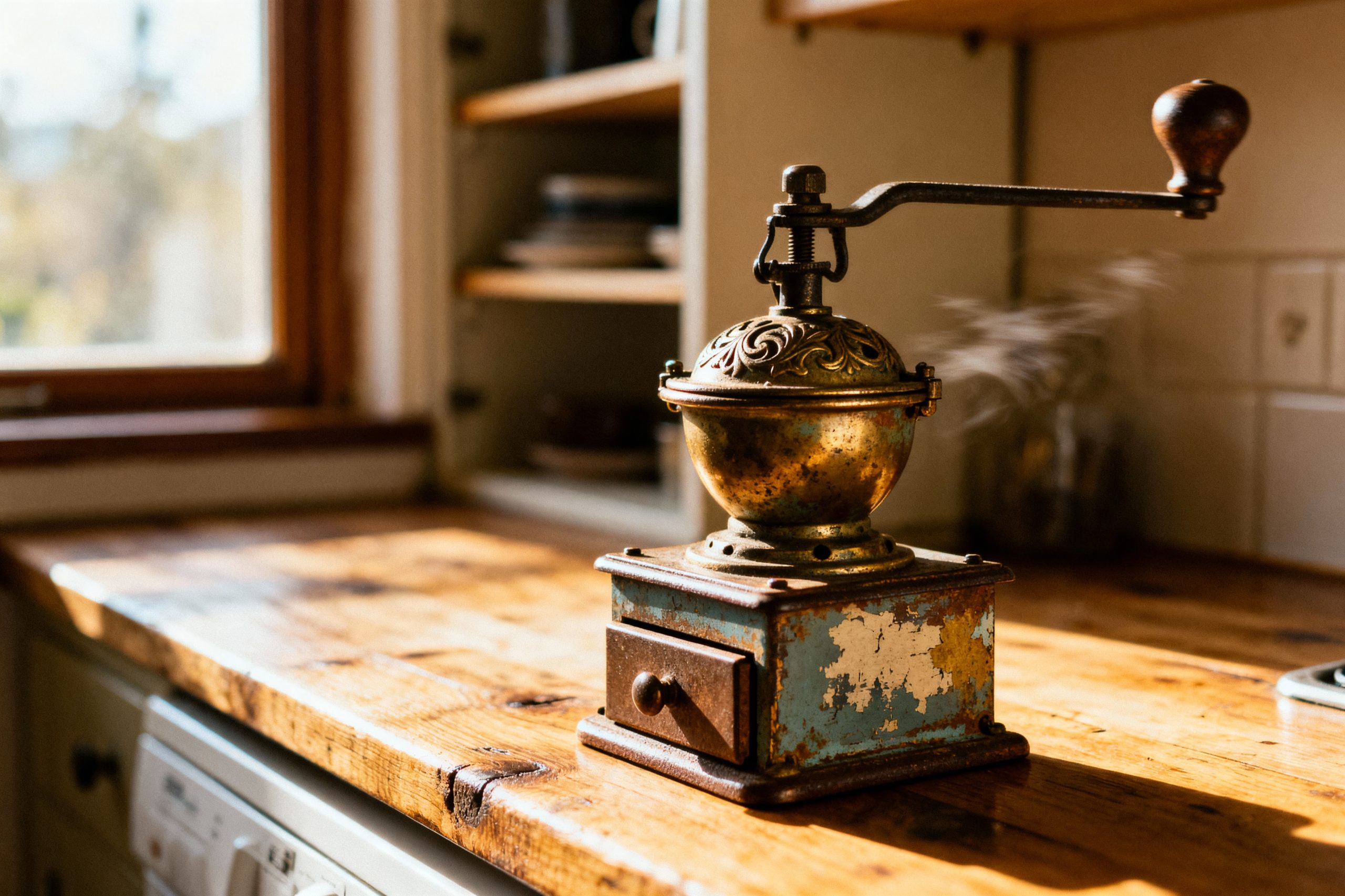
Your treasured brass antiques deserve gentle care that preserves their beauty and value for generations. This guide reveals how to clean antique brass naturally using safe ingredients from your kitchen, protecting delicate patina while removing years of tarnish and grime. Learn which household items work best, when commercial cleaners become necessary, and smart maintenance tips that keep your brass pieces looking stunning without frequent deep cleaning sessions.
How can you clean antique brass effortlessly with household tips?
You can clean antique brass using simple household items like lemon juice, baking soda, and mild dish soap. These gentle methods remove tarnish without damaging the metal’s surface or valuable patina. Most cleaning tasks require only warm water, a soft cloth, and basic pantry ingredients you likely already have at home.
The key to successful brass cleaning lies in understanding what type of brass you’re working with. Before starting any cleaning process, remove jewelry or rings to prevent scratching the delicate surface. We recommend testing any cleaner on a small hidden area first to prevent damage or unwanted results.
Understanding the composition of antique brass
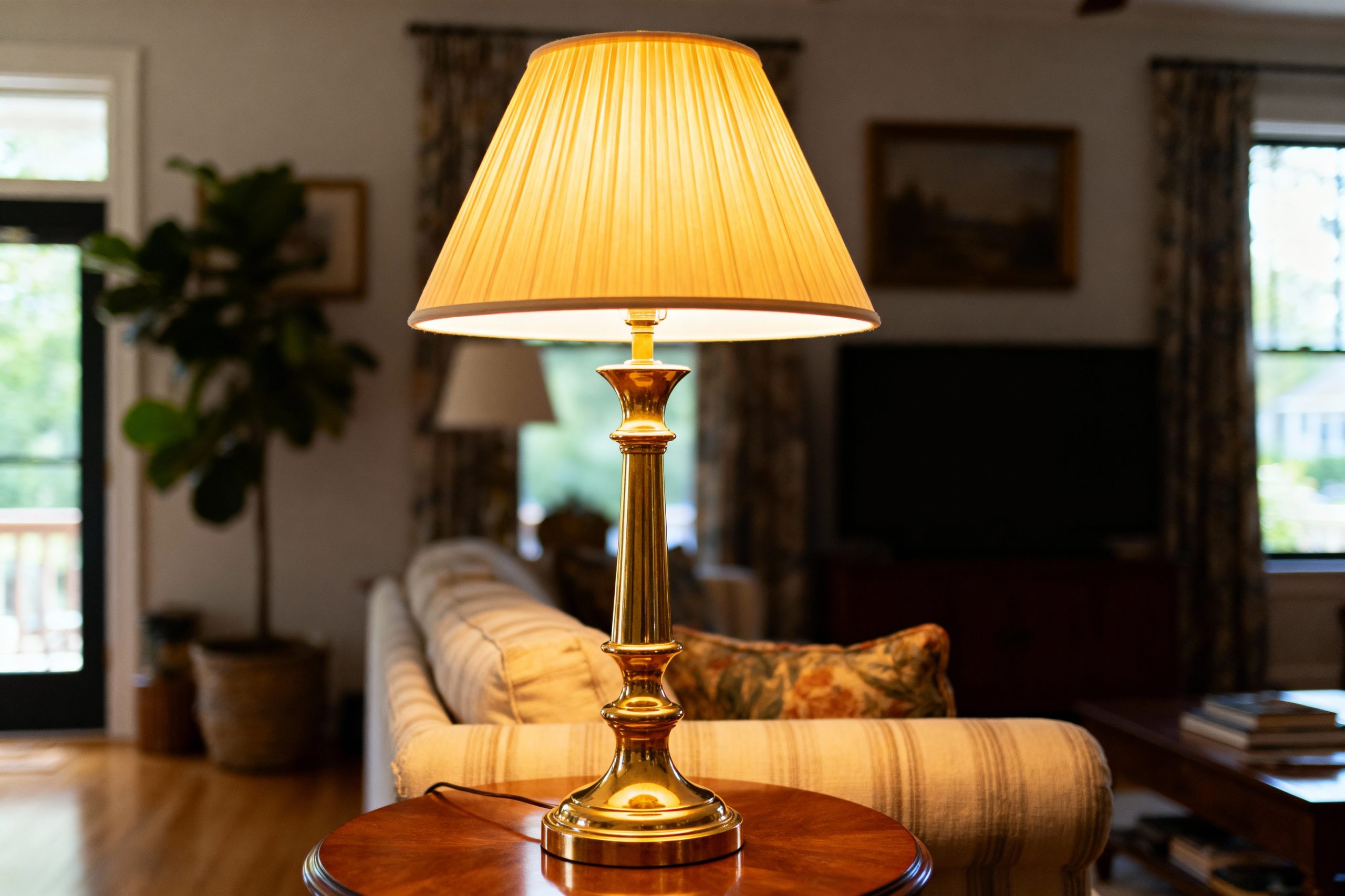
Brass stands as a durable alloy that has served humanity for over three million years. This remarkable metal combines copper and zinc to create a material resistant to corrosion. Antique brass pieces often showcase this longevity through their continued functionality and beauty despite decades or centuries of use.
Many antique brass items receive a lacquer coating during manufacturing. This protective layer prevents tarnishing and keeps the brass looking bright and new. Lacquered brass won’t show signs of tarnish, making it easier to maintain but requiring different cleaning approaches.
What causes brass to tarnish?
Tarnish develops when brass reacts with oxygen, moisture, and sulfur compounds in the air. This natural oxidation process creates a greenish or brownish layer on the metal’s surface. While tarnish on antique brass reflects authenticity, it can make items look of lower quality if left uncleaned.
Environmental factors speed up the tarnishing process. High humidity, air pollution, and contact with oils from human skin all contribute to faster tarnish formation. Indoor heating systems and coastal salt air can also accelerate this natural aging process.
How to identify solid brass versus brass-plated items
Use a simple magnet test to determine if your piece is solid brass or brass-plated. Place a magnet against the item – no stick indicates solid brass, while magnetic attraction suggests a metal underneath with brass plating. This distinction matters because cleaning methods vary significantly between solid and plated pieces.
Solid brass pieces can withstand more aggressive cleaning methods. Brass-plated items require gentler approaches to avoid damaging or removing the thin brass layer. Look for wear patterns or areas where the underlying metal shows through as additional clues to identify plated pieces.
Effective home techniques to clean antique brass
Home cleaning methods offer safe, affordable alternatives to commercial products. These techniques use common household ingredients that won’t leave harmful residues or damage your valuable pieces. Most importantly, they allow you to control the cleaning intensity based on your item’s specific needs.
Homemade cleaners for small antique brass pieces
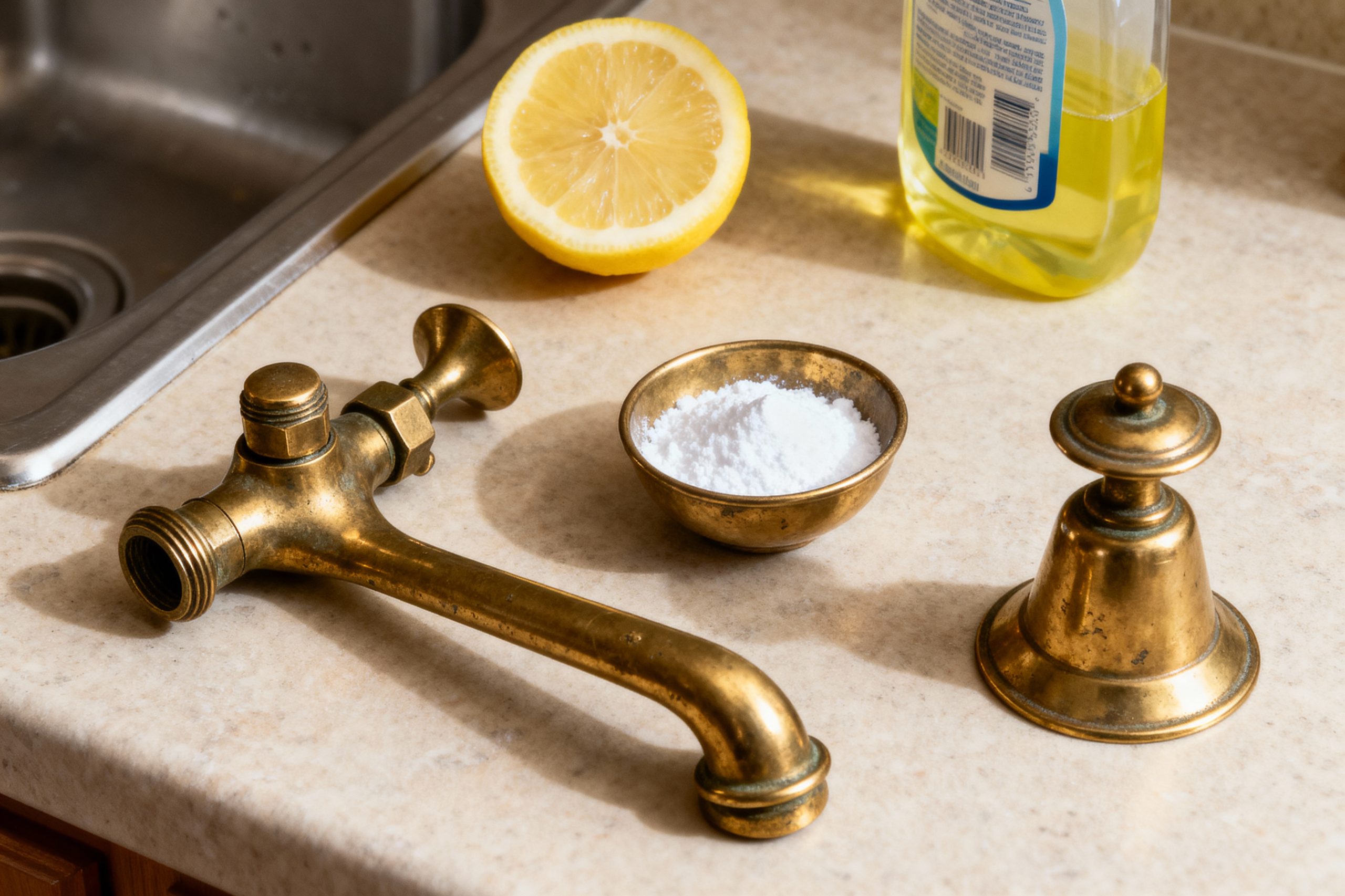
Create an effective cleaning paste by mixing lemon juice with baking soda. This combination provides gentle abrasion while the acid in lemon juice dissolves tarnish naturally. Apply the paste to your brass piece, scrub gently with a soft cloth, then rinse thoroughly and dry completely.
Tomato paste or ketchup serves as another surprising cleaning solution. The natural acids in tomatoes break down tarnish effectively. Apply either product to the tarnished areas, let sit for about one hour, then clean with mild soap and warm water. This method works particularly well on heavily tarnished pieces.
For detailed cleaning of intricate pieces, these household ingredients work best:
- Lemon juice and baking soda paste for general tarnish removal
- Tomato paste for stubborn, heavy tarnish buildup
- White vinegar mixed with salt for moderate tarnish
- Soft-bristled toothbrush for reaching detailed areas and crevices
Using mild soap and water for lacquered brass
Lacquered brass requires the gentlest cleaning approach. Use only warm water and mild dish soap with a soft cotton cloth. Avoid polishing abrasives that can damage or remove the protective lacquer coating. This simple method maintains the brass’s appearance without compromising its protective finish.
Dry lacquered brass immediately after washing to prevent water spots. Buff gently with a clean, dry cloth to restore shine. If the lacquer appears damaged or yellowed, consider having it professionally restored rather than attempting removal at home.
When to use commercial products for antique brass
Commercial brass cleaners become necessary when household methods prove insufficient. Large items or heavily tarnished pieces often require the stronger formulations found in branded products. Professional cleaners can tackle tough jobs that homemade solutions cannot handle effectively.
The benefits of using branded cleaners
Products like Brasso or Bar Keepers Friend offer consistent results for challenging cleaning tasks. These formulations contain specialized ingredients designed specifically for brass cleaning. They work faster than homemade alternatives and often require less physical scrubbing effort.
Branded cleaners excel at removing years of accumulated tarnish and grime. They also provide more predictable results, which matters when working with valuable antique pieces. Many professional restorers rely on these products for their reliability and effectiveness.
Cautions when using commercial cleaning products
Commercial cleaners require careful handling due to their stronger chemical formulations. Always follow manufacturer’s instructions exactly to avoid damage to your brass pieces. Work in well-ventilated areas to avoid inhaling potentially harmful fumes during the cleaning process.
Never use pumice, gritty abrasives, or harsh chemicals like bleach on antique brass. These substances can permanently damage the metal’s surface or remove valuable patina. Test commercial products on hidden areas before applying them to visible surfaces.
The debate around polishing antique brass
The decision to polish or preserve patina on antique brass generates ongoing discussion among collectors and restorers. Personal preference and item value should guide this choice. Some pieces gain character and authenticity from their aged appearance, while others benefit from restored brightness.
We advise making polishing decisions based on the piece’s intended use and historical significance. Functional items like doorknobs may benefit from thorough cleaning, while museum-quality pieces might lose value if over-restored. Consider consulting with antique specialists for particularly valuable items.
Preserving the patina on antique brass items
Patina represents the natural aging process that gives antique brass its distinctive character. This surface layer tells the story of the piece’s history and often increases its value to collectors. Removing patina can sometimes diminish both the aesthetic appeal and monetary worth of antique items.
When cleaning patinated brass, aim to remove dirt and grime while leaving the underlying patina intact. Use the gentlest cleaning methods first, progressing to stronger solutions only if necessary. Light cleaning with warm soapy water often suffices to restore beauty without compromising authenticity.
Tips for maintaining your antique brass after cleaning
Proper maintenance extends the time between deep cleaning sessions. Regular dusting with a soft, dry cloth prevents dirt accumulation that can lead to scratching during cleaning. Keep brass pieces away from high-humidity areas when possible to slow tarnish formation.
After cleaning, buff your brass pieces with a soft cloth to maintain their shine. Apply this gentle buffing weekly or monthly depending on environmental conditions. Avoid harsh chemicals in regular maintenance routines, as they can gradually damage the metal’s surface over time.
Store valuable brass pieces in low-humidity environments when not in use. Consider using anti-tarnish cloths or strips in storage areas to slow the oxidation process. Regular gentle maintenance proves far easier than dealing with heavy tarnish buildup later.
FAQ
How do you clean antique brass like an expert?
To clean antique brass like an expert, avoid abrasives and first determine if the item is lacquered or solid brass. For lacquered brass, use warm soapy water with a soft cloth. For solid brass, apply a homemade cleaner like tomato paste. Rinse gently, and consult a professional if uncertain.
What household products can I use to clean antique brass gently?
You can gently clean antique brass using household products like lemon juice mixed with baking soda, or tomato paste to remove heavy tarnish. These gentle methods effectively restore shine without damaging the brass or its valuable patina.
What causes brass to tarnish?
Brass tarnishes when it reacts with oxygen, moisture, and sulfur compounds in the air. This natural oxidation process leads to a greenish or brownish layer forming on the surface, often accelerated by environmental factors like humidity and air pollution.
How can I preserve the patina on my antique brass items?
To preserve the patina on antique brass items, clean with gentle methods that remove dirt while leaving the patina intact. Regular dusting and low-humidity storage can also help maintain the patina’s appearance without compromising its authenticity.

John has been passionate about furniture and interior design for over a decade, combining his love for vintage pieces with modern styling techniques. After years of helping friends transform their spaces and restoring countless furniture finds, he started this blog to share his expertise and inspire others to create homes they truly love. When he’s not writing or hunting for unique pieces at estate sales, you’ll find him refinishing a mid-century dresser or experimenting with new room layouts in his own ever-evolving home.