Key takeaways:
The vintage book shelf market features iconic brands like Globe-Wernicke and Heywood Wakefield, with authentic pieces often priced between $400 to $1,200. Recognizing era-specific features such as ornate Victorian carvings and mid-century modern finishes enhances collector confidence. Proper care includes maintaining humidity levels between 40-60% to preserve shelf integrity and appearance over time.
Is finding the perfect vintage bookshelf feel like navigating a maze? Understanding the subtleties between mid-century modern designs and Arts & Crafts craftsmanship can dramatically influence your decorating success. Many collectors overlook crucial physical details that distinguish genuine antique shelves, leading to costly misunderstandings. Gaining insight into provenance, typical joinery, and brand hallmarks empowers you to select pieces with lasting value and style, enriching your living or work space with authentic charm.
Vintage Book Shelf Finds: Antique Treasures
Identify Antique Bookcases by Era
Antique vintage book shelves are prized for their unique character and craftsmanship. Identifying these treasures by era helps collectors and decorators find styles that perfectly match their aesthetic. For example, Victorian bookcases (1837-1901) often feature ornate carvings and heavy mahogany construction, showcasing elaborate designs and intricate floral motifs. The Arts & Crafts movement, spanning 1880-1910, emphasizes mission style simplicity with strong, straight lines and oak wood, often highlighting visible joinery and minimal ornamentation. Early 20th-century Edwardian pieces show lighter proportions with elegant, restrained details. Recognizing these physical features, along with their date ranges, enables confident selection of authentic vintage shelves that bring historic charm into modern homes.
Mid-century shelves emerged afterward with a shift toward geometric shapes and lighter wood finishes. Antiquarians should also look for specific clues such as dovetail joints, original finish wear, and typical hardware styles to confirm the period of a shelf. Such precise identification guarantees a genuine antique piece with significant value and style.
Brand Highlights: Globe-Wernicke, Heywood Wakefield
Two iconic brands in vintage bookcase collecting are Globe-Wernicke and Heywood Wakefield. Globe-Wernicke is best known for its modular stacking bookcases made in the early 1900s, featuring glass-fronted sections called barrister bookcases that slide up and over. These units offer elegant functionality with a classic oak finish and brass hardware, popular for both residential and office decor. Heywood Wakefield gained fame during the mid-20th century for sleek, mid-century modern furniture crafted from maple or birch, often finished with a distinctive blonde lacquer. Their bookcases feature clean lines and graceful curves that suit contemporary vintage spaces.
Collecting authentic Globe-Wernicke or Heywood Wakefield pieces means checking for original labels and hardware details, as many reproductions exist today. Genuine Globe-Wernicke bookcases usually display the company’s trademark metal tag, while Heywood Wakefield signs can be found stamped on the wood or inside drawers. Both brands carry a timeless appeal for vintage lovers seeking quality and history in their antique bookshelves.
Vintage Book Shelf Styling: Mid-Century to Upcycled
Styling a vintage book shelf involves blending mid-century modern simplicity with creative upcycling ideas. Mid-century shelving favors minimalist forms and natural wood tones with occasional pops of color in painted accents or hardware. Pairing such vintage elements with fresh accessories like pottery, plants, and modern lighting revives their appeal without overpowering their character.
Upcycled vintage shelves are especially popular for adding personal flair while reusing beautiful old materials. For instance, old wooden crates can be combined or stacked to form rustic bookcases with a charming DIY look. Painting a distressed antique shelf with chalk paint or metallic hues creates striking contrast and complements eclectic interior designs.
Adding baskets, vintage bookends, or woven bins further enhances the functional storage while honoring the shelf’s classic aesthetic. Using sustainable finishes and preserving aged patina ensures the shelf keeps its authenticity even through modern transformations. These styling tricks maintain the vintage soul while adapting it for today’s cozy, artistic homes.
Author’s Note
« Humidity control between 40-60% and temperatures from 65-75°F are key for preserving vintage wood shelves, preventing warping and finish damage over time. »
Care and Maintenance for Vintage Shelves
Proper care for vintage shelves preserves both their structure and charm. Wood expands and contracts with moisture changes, so maintaining an indoor environment with humidity levels between 40-60% keeps shelves from warping. Temperatures should ideally stay around 65-75°F to avoid drying out the wood or softening finishes, which could lead to cracking or peeling.
Dust shelves regularly using a soft, dry cloth or a vacuum with a brush attachment to prevent particle buildup without scratching the surface. Avoid harsh chemicals; instead, use wood conditioners or wax polishes designed for antique furniture to nourish the wood and restore its luster. Check joints and hardware frequently and tighten screws or replace worn parts to keep the shelf stable.
If minor scratches or surface wear appear, gentle sanding and touch-up with matching wood stain or shellac can refresh the shelf without compromising its vintage value. Always test products on inconspicuous areas first. Protect shelves from direct sunlight to prevent fading and avoid placing them near heat sources or damp walls for longer-lasting beauty.
Sourcing Tips: Authentic Pieces and Brands
Finding an authentic vintage book shelf means shopping smart and knowing when to hunt. Globe-Wernicke and Heywood Wakefield pieces commonly range from about $400 to $1,200 depending on condition and rarity. Seasonal markets, especially in spring and fall, offer the best opportunities as many sellers refresh inventory and allow better negotiations.
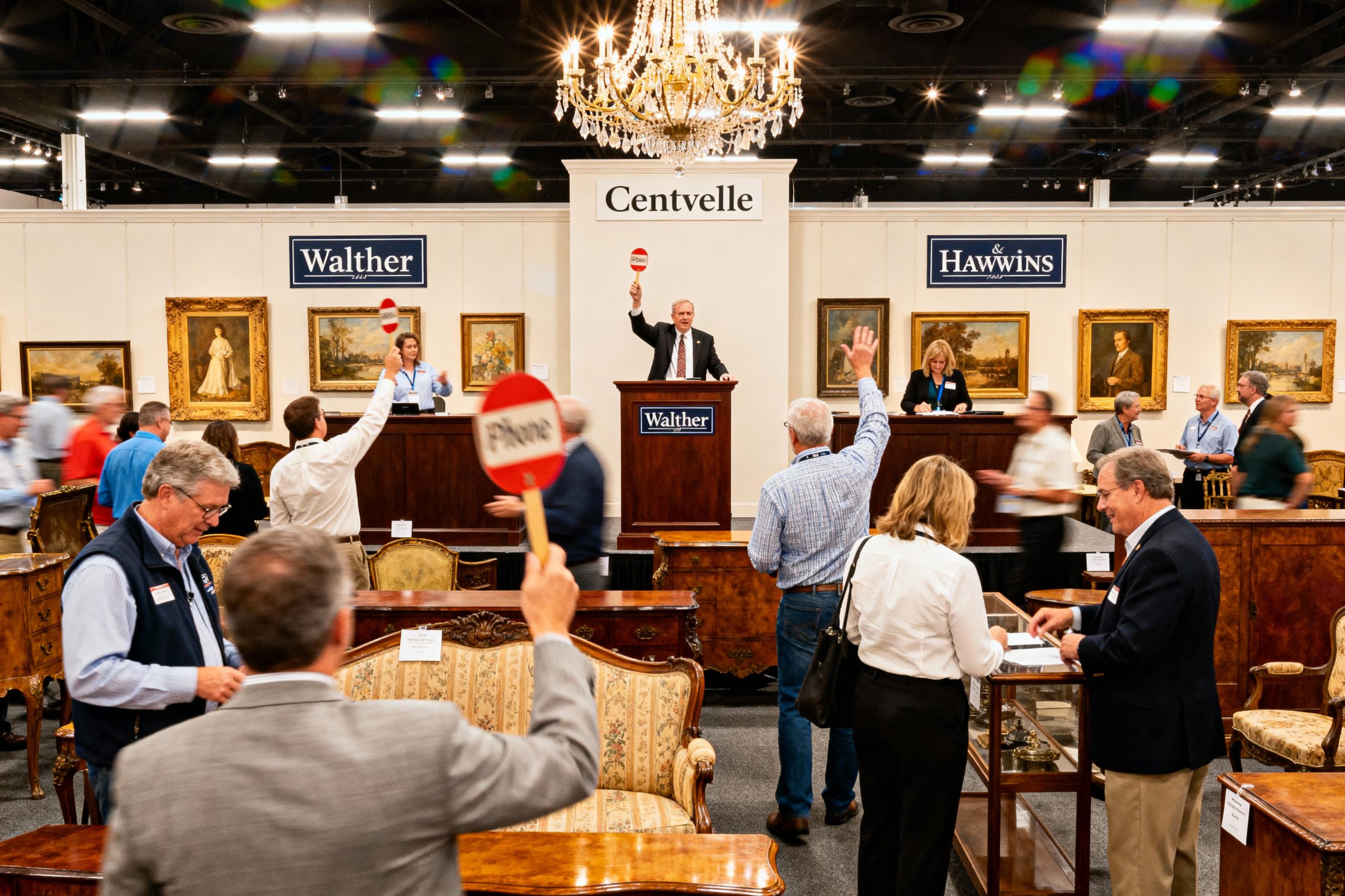
Estate sales, antique fairs, and reputable vintage furniture stores are top venues for quality finds. Always research brand markings, joinery types, and original hardware to differentiate genuine items from reproductions. Online platforms can also yield great vintage shelves but require detailed photos and seller trustworthiness checks.
- Ask for provenance or purchase history if available
- Inspect shelves in person for structural soundness
- Compare prices for similar models to avoid overpaying
- Consider restoration costs in your budget
Buying vintage from recognized dealers often guarantees authenticity and can provide valuable advice on care, making the investment worthwhile for collectors and interior designers passionate about classic shelving solutions.
🧮 Vintage Book Shelf Space Calculator
Estimate how many books fit into your vintage bookshelf based on shelf dimensions and book size.
Room-by-Room Inspiration: Living, Office, Hall
In the living room, a vintage bookshelf acts as both a functional library and a display for collectibles, art, and plants. Pair an Arts & Crafts oak shelf with neutral textiles and warm lighting for a cozy, historic ambiance. Adding mid-century pieces with brass or chrome accents elevates the space with a refined style contrast.
For the office, consider Globe-Wernicke stacking bookcases that provide flexible modular storage and display, perfect for organizing books and documents with style. Their glass-front sections protect valuable tomes while maintaining visibility. Heywood Wakefield shelves add a mid-century professional edge with clean designs that keep the room uncluttered.
In hallways, narrow vintage shelves make excellent spot storage for small spaces. Upcycled crates or corner shelves bring artistic flair while maximizing unused areas. A vintage book shelf with tapered legs opens up the space visually and complements eclectic decoration, lending character and function to transitional zones. Strategically placed lighting and curated decor items turn these shelves into focal points throughout the house.
FAQ: vintage book shelf
What makes a book shelf vintage?
A book shelf is vintage when it is at least 20 years old and carries distinctive style features from its era. Vintage shelves often show craftsmanship, original hardware, and materials typical of past design trends, adding unique character and historic charm to a space.
How to identify authentic vintage book shelves?
Identify authentic vintage book shelves by checking era-specific details like wood type, hardware style, joinery (like dovetail joints), original finish wear, and brand labels. Recognizing these features helps verify genuineness and ensures the shelf's historic and collectible value.
Where are the best places to buy vintage book shelves?
The best places to buy vintage book shelves include estate sales, antique fairs, reputable vintage furniture stores, and trusted online platforms. Seasonal markets in spring and fall offer fresh selections, and verified dealers often guarantee authenticity and provide care advice.
How do you maintain and preserve vintage wooden book shelves?
To maintain vintage wooden book shelves, keep humidity between 40-60% and temperatures from 65-75°F to avoid warping or damage. Dust regularly with a soft cloth, avoid harsh chemicals, use wood conditioners or wax polishes, protect from direct sunlight, and check hardware often.
What are some popular brands known for vintage book shelves?
Popular brands known for vintage book shelves include Globe-Wernicke, famous for modular stacking barrister shelves, and Heywood Wakefield, noted for mid-century modern designs in maple or birch with sleek lines and blonde lacquer finishes.
How can vintage book shelves be styled to fit modern decor?
Vintage book shelves can be styled by blending mid-century minimalism and natural wood tones with modern accessories like plants and lighting. Upcycling with paint or combining crates adds personal flair, preserving the shelf’s vintage soul while suiting eclectic, cozy interiors.

John has been passionate about furniture and interior design for over a decade, combining his love for vintage pieces with modern styling techniques. After years of helping friends transform their spaces and restoring countless furniture finds, he started this blog to share his expertise and inspire others to create homes they truly love. When he’s not writing or hunting for unique pieces at estate sales, you’ll find him refinishing a mid-century dresser or experimenting with new room layouts in his own ever-evolving home.