Discovering the true worth of an ancient chinese bronze urn can feel overwhelming when prices range from thousands to hundreds of thousands of dollars. Smart buyers need to understand what separates genuine treasures from costly mistakes in this complex market. This guide reveals the key factors that naturally drive value, from dynasty periods and expert authentication methods to finding reputable dealers who can help you make confident purchasing decisions.
What makes an ancient chinese bronze urn valuable?
An ancient chinese bronze urn derives its value from multiple factors that collectors and museums prize highly. These ceremonial vessels carry immense cultural weight from dynasties like Shang, Zhou, Han, and Qing periods. Their worth stems from historical importance, artistic craftsmanship, and ritual significance in Chinese culture.
The market recognizes these pieces as more than decorative objects. They represent connections to ancient Chinese spiritual practices and social hierarchy. Authentic pieces command respect due to their role in ancestor worship and imperial ceremonies.
Collectors value these urns because they bridge thousands of years of Chinese civilization. Each piece tells a story through its inscriptions, decorative motifs, and manufacturing techniques. The combination of age, rarity, and cultural meaning creates substantial monetary value in today’s art market.
Factors that determine value: age, provenance, and maker
Three main elements determine how much an ancient Chinese bronze urn will sell for at auction or through dealers. Age ranks as the most significant factor, followed closely by documented ownership history and manufacturing origin.
The relationship between these factors creates a complex valuation system. A piece with excellent provenance but questionable age will struggle in the market. Similarly, an ancient piece without proper documentation faces scrutiny from serious collectors.
Ancient chinese bronze urn: age and period considerations
Dynasty period directly impacts value, with Shang dynasty pieces (1600-1046 BCE) commanding the highest prices. Early Zhou period urns also fetch premium amounts due to their exceptional rarity and historical significance.
Han dynasty pieces offer more accessible entry points for collectors while maintaining substantial value. Later periods like Ming and Qing still hold worth, though considerably less than their ancient predecessors. The age verification process requires expert analysis of patina, casting techniques, and decorative styles.
We recommend focusing on pieces from established archaeological contexts when possible. Items discovered through legitimate excavations carry more credibility than those appearing suddenly in the art market without clear histories.
Provenance and authenticity
Documentation proves everything in the ancient Chinese bronze market. Pieces with clear ownership chains from recognized collections or museum deaccessions command premium prices over similar items with murky backgrounds.
Authentication involves examining multiple aspects of each piece. Experts study inscription styles, casting marks, and corrosion patterns that develop over centuries. Modern forgeries often fail these detailed technical examinations.
Verification requires consultation with specialists who understand regional variations in ancient Chinese metalworking. Different workshops produced distinct stylistic signatures that help authenticate genuine pieces and identify reproductions.
Materials and craft: bronze, cloisonné, and porcelain
Ancient Chinese artisans worked with various materials beyond pure bronze when creating ceremonial urns. Bronze remained the primary medium, but many pieces incorporated jade inlays, cloisonné enamel work, and mixed-media decorative elements.
The craftsmanship quality significantly affects valuation. Pieces showing sophisticated casting techniques, detailed surface decoration, and complex inscriptions typically achieve higher sale prices than simpler examples.
Bronze composition analysis reveals information about manufacturing periods and regional workshops. Ancient Chinese metallurgists developed specific alloy formulations that changed over time. These variations help experts date pieces and verify authenticity.
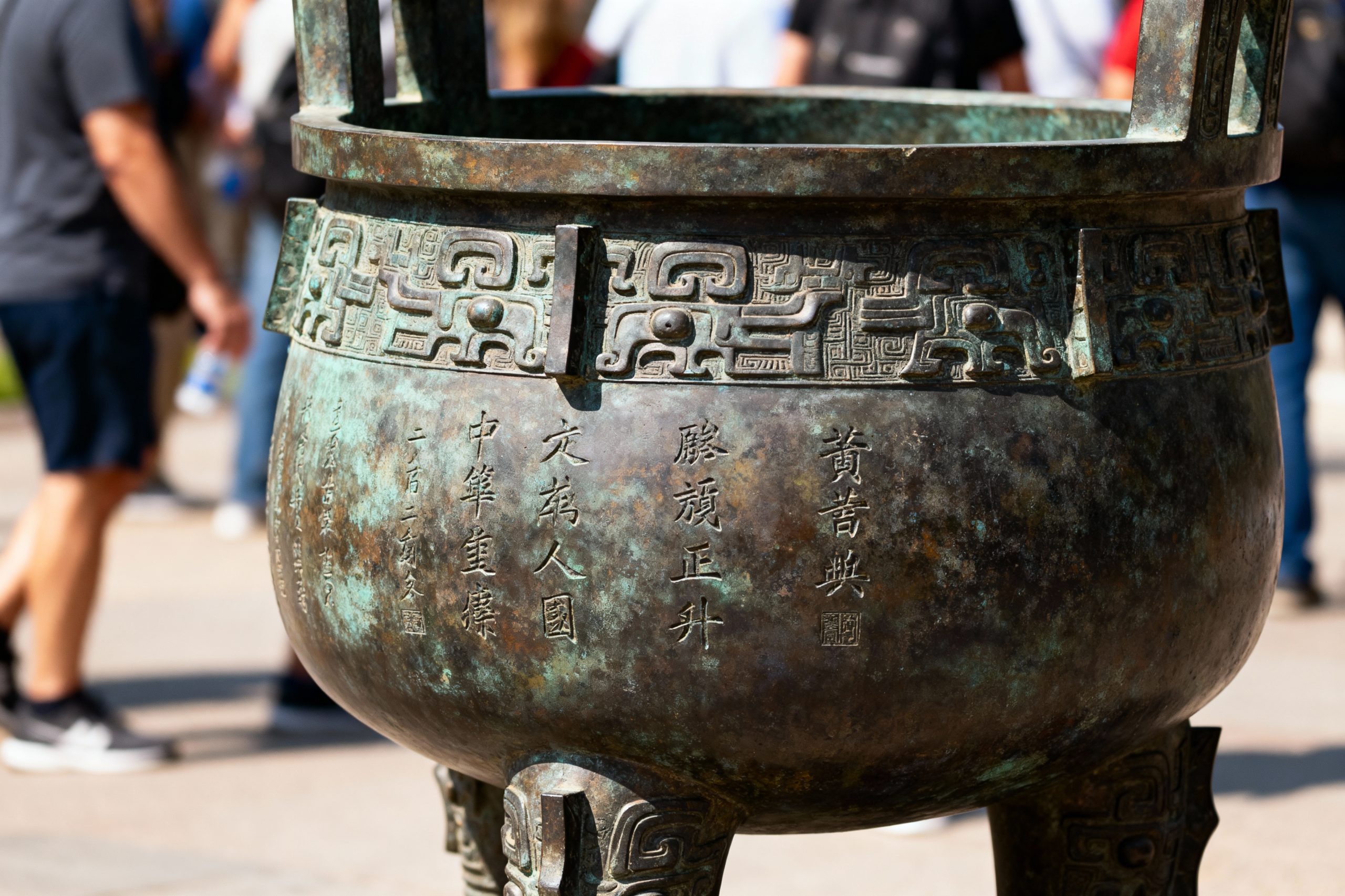
Surface decorations like taotie masks (mysterious face designs) and geometric patterns required exceptional skill to execute. The precision of these decorative elements indicates the workshop’s status and the patron’s wealth who commissioned the piece.
Historical and cultural significance of ritual bronzes in China
Ritual bronzes served essential functions in ancient Chinese religious and social ceremonies. These vessels facilitated communication between the living and ancestral spirits, making them sacred objects rather than simple containers.
The cultural importance extends beyond religious use into political symbolism. Bronze urns demonstrated imperial authority and social ranking within ancient Chinese hierarchy. Ownership of elaborate bronze vessels indicated wealth, power, and divine favor.
Symbolic inscriptions on many pieces record important historical events, family genealogies, and religious dedications. These texts provide valuable insights into ancient Chinese society, making the urns important archaeological documents as well as artistic treasures.
Modern Chinese cultural institutions actively seek to repatriate significant bronze pieces that left China during periods of political upheaval. This cultural reclamation effort has increased demand and prices for authentic ancient Chinese bronze urns in international markets.
Buying guidance: auctions, price ranges, and authentication tips
The market for authentic ancient Chinese bronze urns spans a wide price range, from several thousand dollars for smaller pieces to over fifty thousand dollars for exceptional examples. Prices can exceed several hundred thousand dollars for pieces with imperial connections or extraordinary rarity.
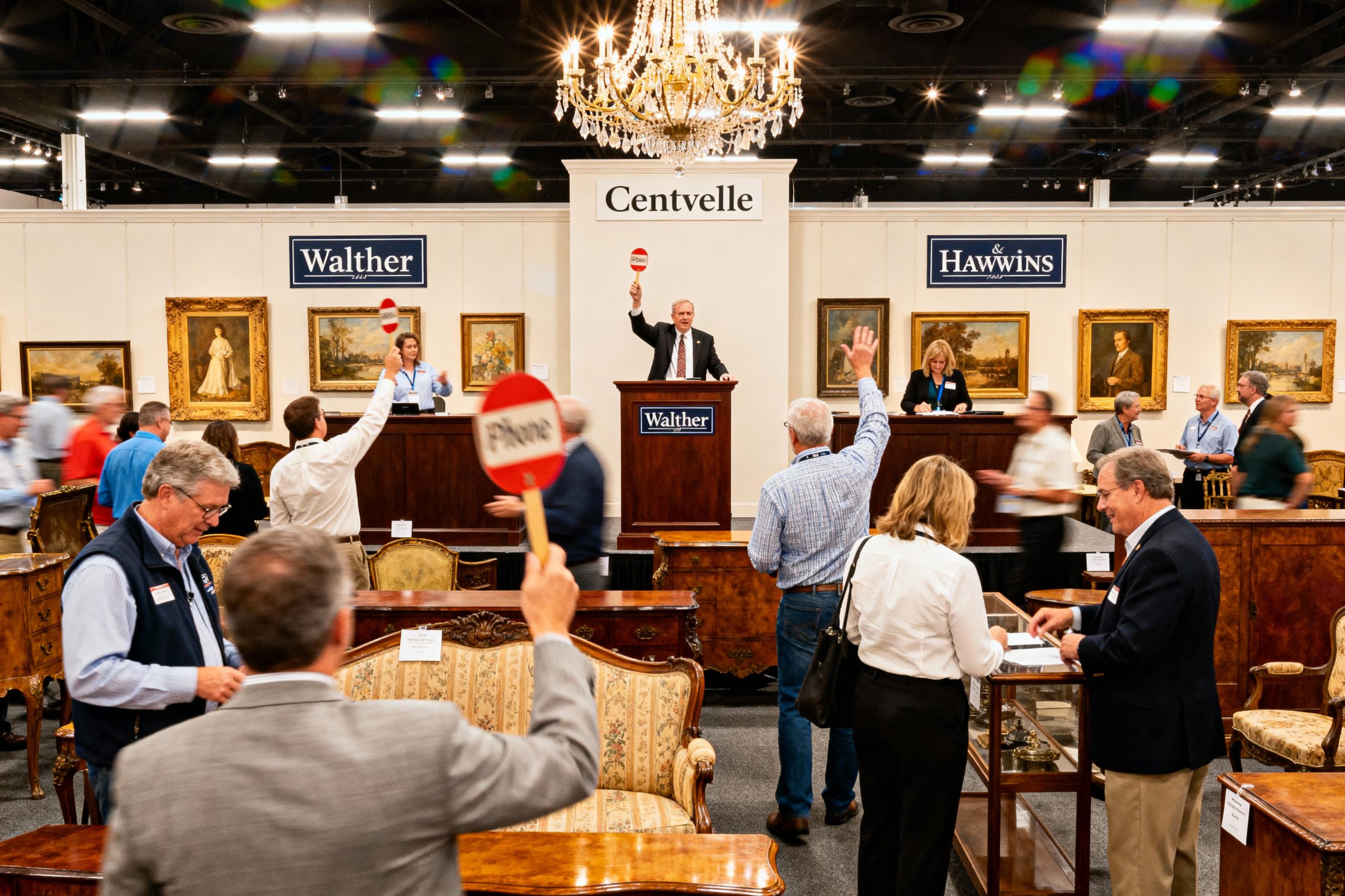
Auction houses provide the most transparent marketplace for these valuable artifacts. Reputable auction companies conduct thorough research and authentication before offering pieces for sale. We advise attending preview exhibitions to examine potential purchases personally.
Authentication requires multiple verification steps that serious buyers should never skip:
- Examine the patina for natural aging patterns consistent with the claimed period
- Study inscriptions and maker marks under magnification
- Research the piece’s ownership history and exhibition records
- Consult multiple experts familiar with the specific dynasty and region
- Request scientific analysis of bronze composition if purchasing expensive pieces
Reproductions and modern imitations flood the market, making expert consultation essential for significant purchases. Genuine ancient pieces show specific signs of age including natural corrosion patterns and wear consistent with centuries of handling.
We recommend working with established dealers who specialize in Chinese antiquities and offer guarantees of authenticity. Building relationships with reputable galleries and auction specialists provides access to better pieces and reliable expertise.
The most valuable ancient chinese bronze urn specimens combine proven age from notable periods, impeccable documentation, exceptional craftsmanship, and significant cultural importance. These factors work together to create pieces that museums and serious collectors compete to acquire.
FAQ
How to authenticate Chinese bronze?
To authenticate Chinese bronze, examine factors like inscription styles, casting marks, and corrosion patterns. Experts often study these elements to verify if a piece is genuine and not a modern forgery. Proper authentication also involves understanding regional metalworking variations.
When were Shang bronze urns often used?
Shang bronze urns were often used during the Shang dynasty, which lasted from approximately 1600 to 1046 BCE. These urns served significant ritual functions, including ancestor worship and ceremonies that expressed the authority of ruling elites.
Why is ancient Chinese bronze significant?
Ancient Chinese bronze is significant due to its historical importance, artistic craftsmanship, and cultural practices. It reflects the technological advancements and ritualistic uses of ancient Chinese societies, showcasing their spiritual beliefs and social hierarchies.
What are Chinese urns used for?
Chinese urns were primarily used for ceremonial purposes, such as holding offerings during rituals, storing ashes, or serving as ancestral worship vessels. They played a crucial role in ancient Chinese funerary practices and expressed cultural values related to life and death.
What is the significance of ancient Chinese bronze urns?
The significance of ancient Chinese bronze urns lies in their roles as ritual vessels and symbols of authority. Used in ceremonies by nobles and shamans, they reflect societal beliefs and artistic achievements, providing insights into the culture of ancient China.
What materials and techniques were used to make ancient Chinese bronze urns?
Ancient Chinese bronze urns were primarily made using piece-mould casting and the lost-wax method. The bronze alloys included varying amounts of tin and lead, impacting the quality of the casting finishes and details in the artifacts.
What makes an ancient Chinese bronze urn valuable?
What makes an ancient Chinese bronze urn valuable includes age, provenance, and craftsmanship. Collectors prize urns from notable dynasties due to their historical importance and aesthetic qualities, which can command substantial market prices based on these factors.

John has been passionate about furniture and interior design for over a decade, combining his love for vintage pieces with modern styling techniques. After years of helping friends transform their spaces and restoring countless furniture finds, he started this blog to share his expertise and inspire others to create homes they truly love. When he’s not writing or hunting for unique pieces at estate sales, you’ll find him refinishing a mid-century dresser or experimenting with new room layouts in his own ever-evolving home.