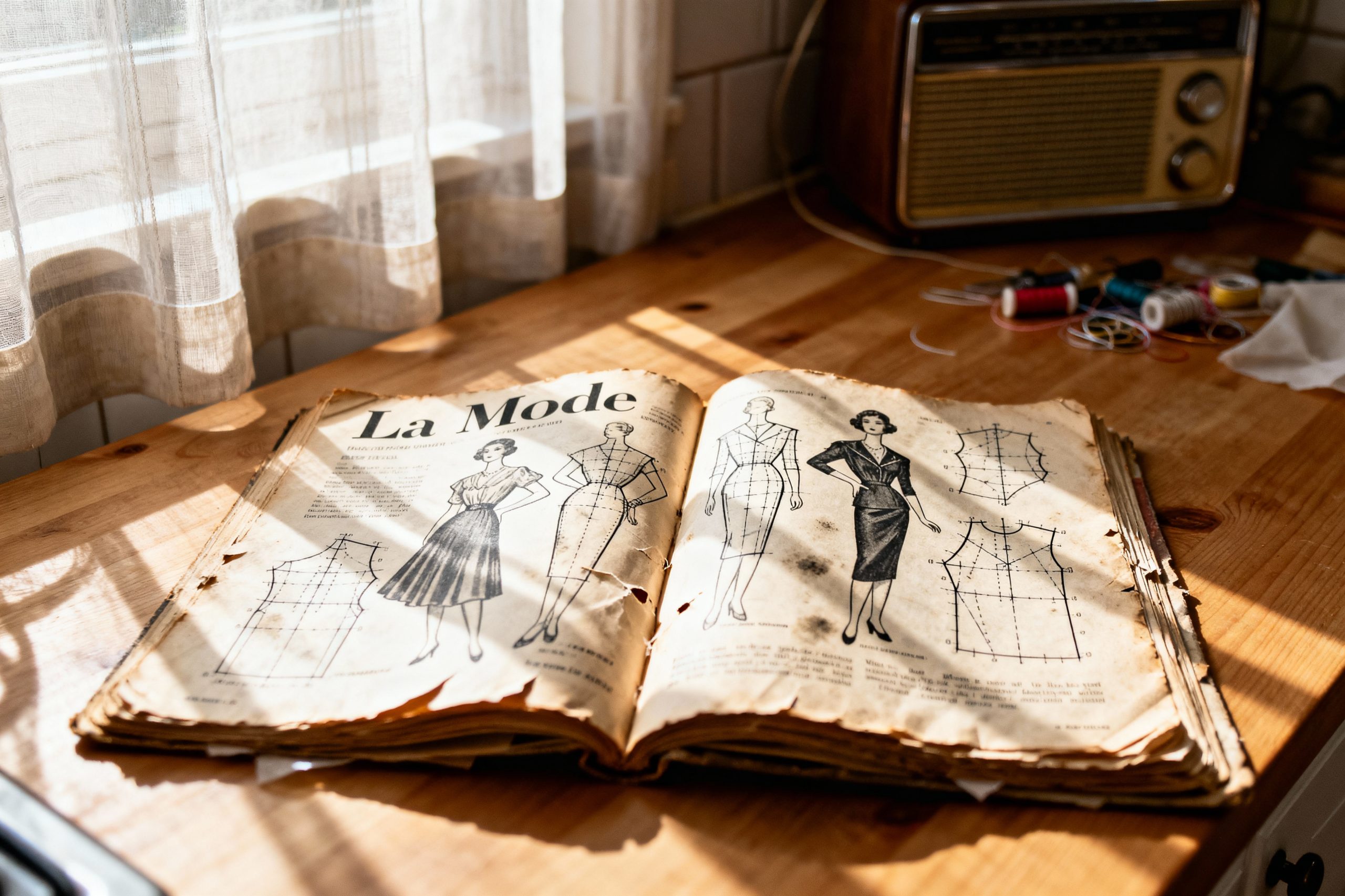
Ever wondered why fashion historians and vintage enthusiasts pay hundreds of dollars for tattered old magazines? The old lamode magazine from the 1880s holds secrets that modern fashion publications simply can’t match. These rare French treasures naturally contain hand-drawn illustrations so detailed they rival fine art, plus actual sewing patterns that let you recreate Victorian masterpieces today. Whether you’re hunting for authentic vintage style inspiration or building a valuable collection, understanding what makes these magazines special will transform how you see historical fashion forever.
What makes the old lamode magazine so captivating for vintage fashion lovers?
The old lamode magazine captures the hearts of vintage fashion enthusiasts because it offers an authentic glimpse into the elaborate fashion world of the late 19th century. This prominent French publication from the 1880s through the 1920s served as the ultimate guide for dressmakers and fashion lovers of its time.
What sets these magazines apart is their incredible attention to detail. Each issue featured hand-drawn fashion plates that showcased the latest trends with remarkable precision. The heavily structured silhouettes, elaborate gowns with bustles, and ornate corsets tell the story of an era when fashion was truly an art form.
The artistic quality of the illustrations remains unmatched even by today’s standards. These weren’t just simple sketches – they were masterful works that captured every fold, every embellishment, and every intricate detail. The craftsmanship visible in these pages reflects the sophisticated fashion sensibilities of the Victorian era.
Collectors particularly treasure these magazines because they represent both high fashion and everyday styles. This dual approach made La Mode accessible to women across different social classes, offering everything from grand ball gowns to practical day dresses with equal attention to style and construction.
A closer look at the content from the 1880s la mode illustree
The 1880s editions of La Mode Illustrée stand out as particularly rich resources for understanding Victorian fashion. These issues perfectly captured the ornate and elaborate trends that defined the decade, making them invaluable historical documents.
The magazine’s approach was refreshingly practical. Rather than simply showcasing impossible-to-recreate designs, it provided readers with actionable guidance. Each issue balanced inspiration with instruction, ensuring that fashionable women could actually implement the styles they admired.
The fashion plates that defined the 1880s La Mode illustree
The fashion plates from this period are nothing short of spectacular. They featured women in elaborate gowns with the characteristic silhouette of the 1880s – tiny waists, full bustles, and dramatic sleeve ornamentation that could span several feet across.
These illustrations captured the era’s love for decorative accessories. Hats adorned with feathers, ribbons, and even small stuffed birds were common. Gloves reached well past the elbow, and jewelry was layered in ways that would seem excessive by today’s standards but perfectly embodied the « more is more » philosophy of the time.
The attention to fabric representation was remarkable. Artists used different techniques to show silk, velvet, lace, and wool, helping readers understand not just the shape of garments but also their texture and drape. This level of detail made the plates valuable references for dressmakers working with similar materials.
Sewing patterns and embroidery motifs in the 1880s La Mode illustree
The practical side of La Mode truly shined in its pattern offerings. Each issue included detailed sewing patterns that allowed readers to recreate the fashions they saw in the plates. These patterns came with step-by-step construction diagrams that reflected the sophisticated sewing techniques of the period.
Embroidery played a huge role in 1880s fashion, and the magazine delivered accordingly. Intricate embroidery motifs filled entire pages, showing elaborate floral designs, geometric patterns, and decorative borders that could transform simple garments into works of art.
The magazine often featured practical sewing tips alongside the patterns. These included advice on fabric selection, fitting techniques, and finishing methods that professional dressmakers used. This blend of high fashion inspiration with practical guidance made each issue a complete dressmaking resource.
Patterns, embroidery and dressmaking in vintage magazines
Vintage fashion magazines like La Mode served as comprehensive dressmaking schools in print form. They bridged the gap between haute couture and home sewing, making fashionable dress accessible to women who couldn’t afford custom garments from top designers.
The dressmaking advice in these publications went far beyond simple pattern pieces. Magazines included detailed construction techniques, from proper corset fitting to the complex engineering required for bustles and crinolines. The step-by-step diagrams showed exactly how to achieve the structured silhouettes that defined the era.
Embellishment techniques received special attention. Pages dedicated to embroidery instruction showed readers how to execute the elaborate decorative work that elevated simple garments to fashionable statements. These ranged from delicate whitework suitable for undergarments to bold decorative motifs for outerwear.
The magazines also addressed practical concerns like adapting patterns for different body types and budgets. They offered suggestions for substituting expensive materials with more affordable alternatives while maintaining the overall aesthetic effect.
Tips for collecting and preserving La Mode issues today
Starting a collection of vintage La Mode issues requires patience and knowledge. The fragile nature of these publications means that finding well-preserved examples can be challenging, but the search is part of the excitement for many collectors.
We recommend beginning with a clear focus. Some collectors prefer specific decades, while others seek out particular types of content like wedding fashion or children’s clothing. Having a clear collecting goal helps narrow down the overwhelming number of potential acquisitions.
How to spot the old lamode magazine online
When searching for the old lamode magazine online, authentication becomes crucial. Genuine issues from the 1880s have distinctive characteristics that separate them from later reproductions or similar publications from other countries.
The paper quality tells an immediate story. Original issues feature thin, delicate paper with a particular texture and aging pattern. Ink bleeding through from illustrations on the back is actually a good sign – it indicates the authentic printing techniques and paper types used during the original publication period.
Look carefully at the printing style and publication marks. Original issues will have French text and specific imprint information that identifies the genuine publisher. The typography and layout style should match the period’s aesthetic sensibilities.
We advise checking the seller’s reputation and asking detailed questions about the magazine’s history. Reputable antique dealers specializing in vintage magazines can provide valuable provenance information and guarantee authenticity.
Evaluating provenance, condition and value of vintage magazines
Condition assessment requires examining several key factors:
- Intact pages without tears or missing sections
- Well-preserved covers that remain attached and legible
- Clear, readable illustrations without significant fading
- Original binding or evidence of period-appropriate binding methods
- Minimal staining or discoloration that doesn’t obscure content
Issues from 1882 and 1884 are particularly sought after due to their rarity and historical significance. These years featured some of the most elaborate fashion plates and comprehensive pattern collections, making them valuable both as collectibles and research resources.
The completeness of an issue significantly affects its value. Original covers, intact pattern inserts, and all advertising pages contribute to higher worth. Even authentic wear can be desirable, as it demonstrates the magazine’s genuine age and use history.
A few notable examples and online archives to start exploring
French vintage magazine collections house some of the finest examples of La Mode issues available for study. These specialized archives maintain climate-controlled environments that preserve the delicate paper and prevent further deterioration.
Digital archives have revolutionized access to these historical publications. Full issues and individual fashion plates are now available as high-resolution scans, allowing detailed research without handling fragile originals. These digitized versions are particularly valuable for studying construction details and embroidery patterns.
Specialized auction sites regularly feature La Mode issues, often with detailed condition reports and provenance information. These platforms connect collectors worldwide and help establish current market values for different issues and conditions.
We recommend starting with digital archives to familiarize yourself with the magazine’s evolution and identify the specific periods or styles that interest you most. This background knowledge proves invaluable when physical collecting opportunities arise.
The influence of La Mode’s 1880s illustrations continues to inspire contemporary vintage fashion enthusiasts and historical costume makers. These magazines remain unparalleled resources for understanding the intricate details and construction techniques that defined an entire era of fashion history.
FAQ
What was La Mode Illustrée?
La Mode Illustrée was a French fashion magazine that offered an authentic glimpse into the elaborate fashion world of the late 19th century. Published between 1860 and 1937, it was known for its high-quality illustrations, making it one of the largest fashion magazines of its time.
Who founded La Mode Illustrée?
La Mode Illustrée was founded by Emmeline Raymond and published by the Didot brothers in Paris. Their collaboration helped establish this prominent magazine as a leading authority on fashion throughout the late 19th and early 20th centuries.
What made La Mode Illustrée successful?
La Mode Illustrée achieved success due to its incredible attention to detail. The magazine featured elaborate hand-drawn fashion plates that captured every intricate aspect of fashion trends, making it a cherished resource for both dressmakers and fashion enthusiasts.
How can collectors start collecting old La Mode magazines?
Collectors can start collecting old La Mode magazines by having a clear focus, like specific decades or themes. Patience and knowledge are crucial, as well-preserved examples are rare. Researching and connecting with reputable dealers can enhance the collecting experience.
How can I spot the old La Mode magazine online?
Spotting the old La Mode magazine online requires attention to detail. Authentic issues have distinctive characteristics such as thin paper and original French text. Checking the seller’s reputation and verifying the magazine’s provenance are vital to ensuring authenticity.
What key factors should I consider when evaluating the condition of vintage magazines?
When evaluating the condition of vintage magazines, assess factors like intact pages, preserved covers, and clear illustrations. Consider the binding, minimal staining, and completeness of the issue, as these elements greatly impact its overall value to collectors.

John has been passionate about furniture and interior design for over a decade, combining his love for vintage pieces with modern styling techniques. After years of helping friends transform their spaces and restoring countless furniture finds, he started this blog to share his expertise and inspire others to create homes they truly love. When he’s not writing or hunting for unique pieces at estate sales, you’ll find him refinishing a mid-century dresser or experimenting with new room layouts in his own ever-evolving home.