Key takeaways:
The heritage and brand story of Frederick Cooper lamps emphasize the use of mixed materials such as brass, glass, and wood in crafting sculptural lighting pieces. Since its founding in 1923 and acquisition by Wildwood in 2011, the brand has balanced artisan craftsmanship with expanded product accessibility through strategic partnerships and efficient distribution.
What lighting brand blends artistic heritage with practical accessibility more than Frederick Cooper? In the realm of handcrafted lamps, understanding how artisan craftsmanship integrates with evolving design trends and industry partnerships is critical for interior designers and collectors. The brand’s use of premium materials alongside coordinated production scaling illustrates a modern approach to maintaining legacy while meeting customer demand. Appreciating these dynamics empowers buyers to make informed decisions about style, durability, and sourcing in the Frederick Cooper lamps selection.
Frederick Cooper Lamps: Heritage, Craft, and Brand Story
Origins of the Frederick Cooper Brand
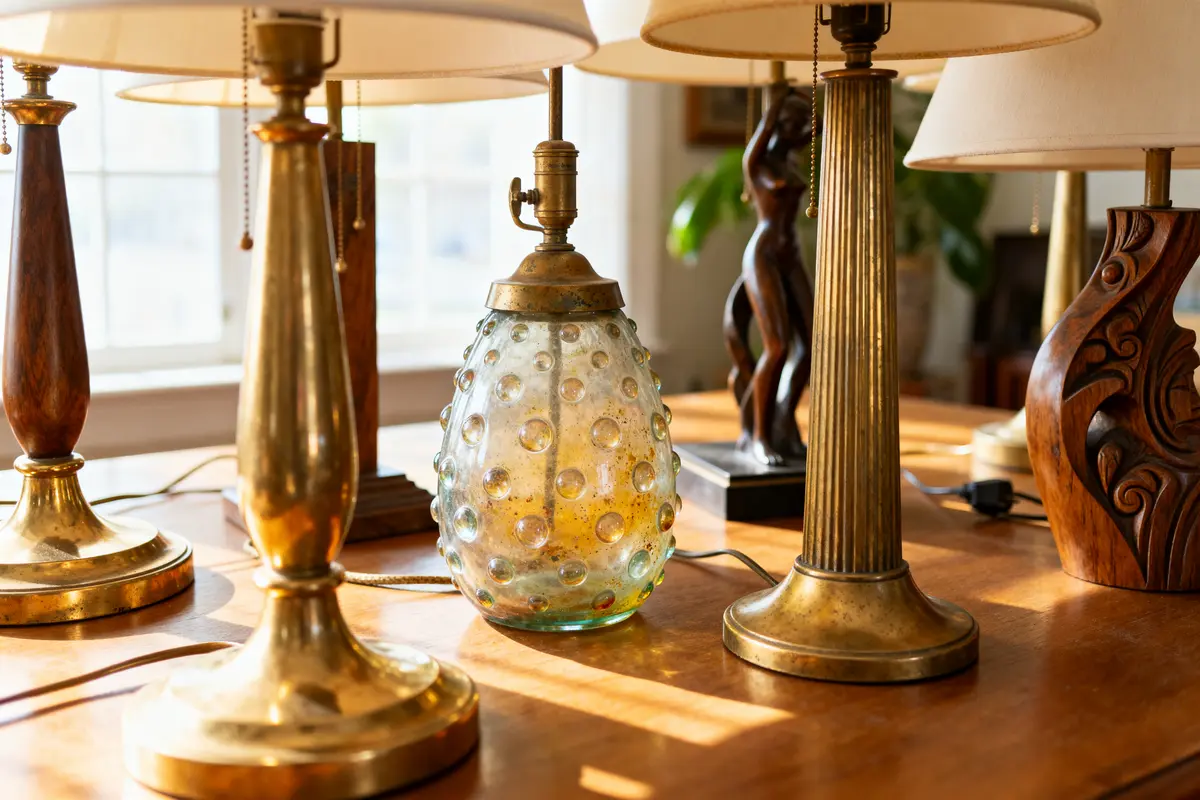
The Frederick Cooper brand traces its roots back to 1923, when a Chicago artist named Frederick Cooper founded a studio that blended artistic skill with lighting design. Inspired by the rapid growth of American architecture in the early 20th century, Cooper focused on creating lamps that reflected both the era’s innovation and timeless elegance. What made Frederick Cooper lamps distinctive was the integration of multiple materials like brass, fabric, glass, and wood to produce unique, sculptural lighting pieces.
In 2011, Frederick Cooper was acquired by Wildwood, a move often overlooked but crucial for customers. This acquisition expanded product availability and streamlined customer service, combining Frederick Cooper’s flair for vintage-inspired designs with Wildwood’s efficient distribution network. This integration has added practical value, making iconic Frederick Cooper lamps more accessible while preserving their artisanal heritage.
Frederick Cooper Lighting Partnerships
Frederick Cooper lamps have benefited greatly from strategic partnerships within the lighting and design industry. These collaborations allow the brand to maintain its commitment to fine craftsmanship and design excellence. Working with Wildwood enabled seamless production scaling and coordination between design and manufacturing teams. It also ensured that customers receive coordinated shipping and responsive support, which is key to maintaining the high standards associated with Frederick Cooper lamps.
The brand’s network includes innovators in textiles, glass blowing, and metalwork, who together contribute to the delivery of finished products that remain heirlooms for generations. This attention to detail is a hallmark of Frederick Cooper lamps, reflecting both traditional craft and modern customer service excellence.
Frederick Cooper Lamps: Deco, Nouveau, Cubist Design
Iconic Materials and Finishes
Frederick Cooper lamps stand out due to their use of premium natural materials such as jade, alabaster, and art glaze ceramics. Each material offers distinct qualities that enhance both aesthetic appeal and lamp durability. For example, alabaster’s soft translucence diffuses light with a warm glow, while jade adds rich color variations and a sense of luxury. Art glaze ceramics provide a protective finish that enhances the paint’s longevity, making these lamps easier to maintain over time.
Additionally, finishes in brass, bronze, nickel, and copper are carefully applied to resist tarnishing and increase lifespan. These finishes lend a vintage charm but are also engineered for practical use. The meticulous layering and sealing on each lamp create a surface that can withstand daily wear without losing its original beauty.
Signature Motifs and Designer Collaborations
The artistic vision of Frederick Cooper is often brought to life through collaborations with notable designers such as Larry Laslo and Mario Buatta. These partnerships produce signature motifs that feature striking geometric patterns from Cubist influence, the elegant curves of Art Nouveau, and the bold lines of Art Deco styles.
Common motifs include stylized floral patterns, linear forms, and organic shapes that echo mid-century design trends. These enhance the lamps’ timelessness while capturing specific design philosophies. The company’s design committee continually explores styles from clean, transitional lines to more elaborate organic shapes, ensuring each piece blends art and function seamlessly.
Author’s Note
« When choosing a Frederick Cooper lamp, consider both the type of material and finish to ensure it fits your room’s lighting needs and your lifestyle’s maintenance preferences. »
Product Range: Chandeliers, Table Lamps, and Sconces
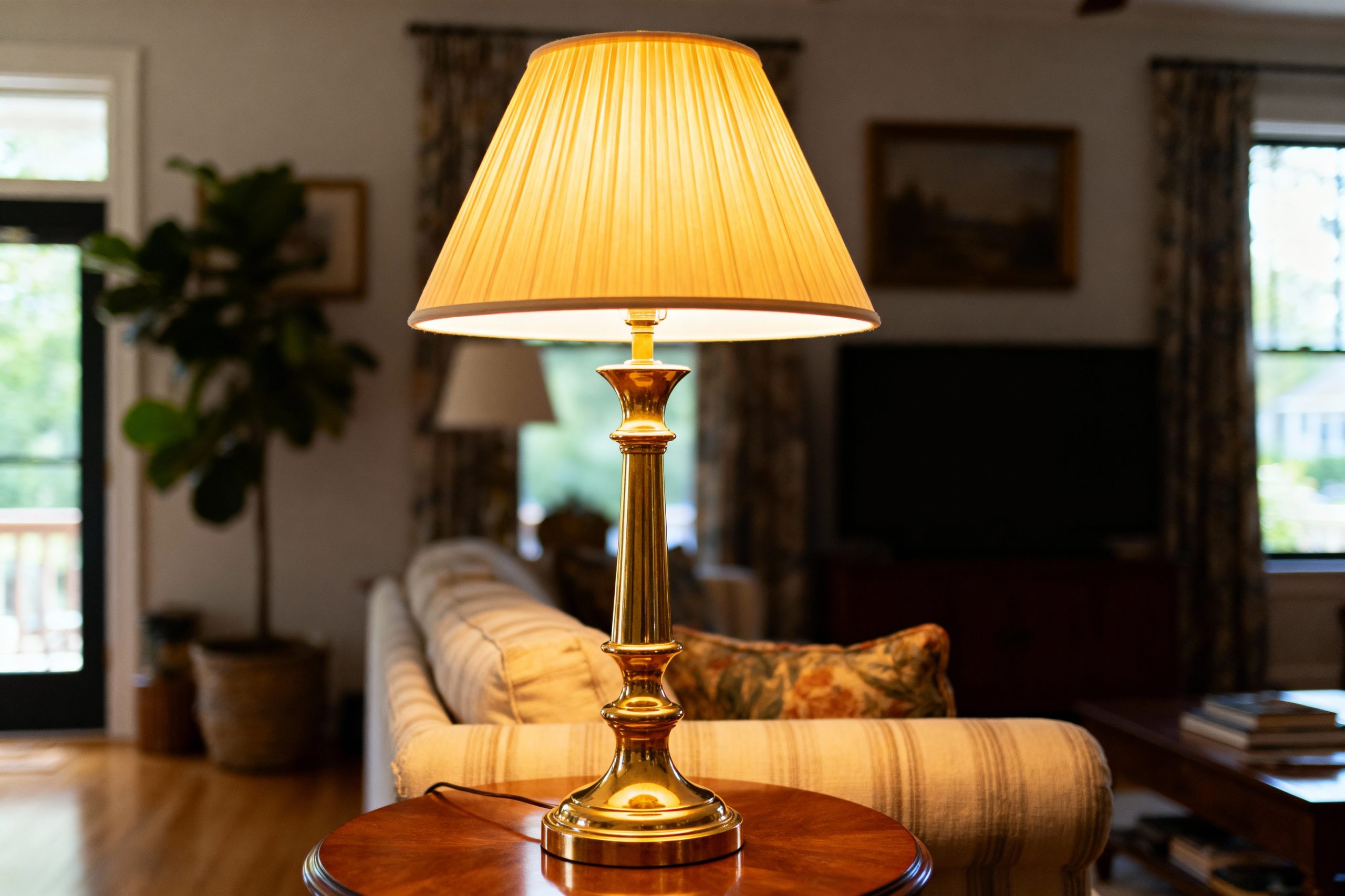
Frederick Cooper offers a broad product range perfect for many interior settings. Their chandeliers vary in size from about 18 inches to over 5 feet in diameter, making them suitable for everything from cozy dining rooms to grand entryways. Table lamps typically range between 18 and 30 inches tall, providing functional yet decorative lighting options. Wall sconces span from compact models around 12 inches tall to larger statement pieces exceeding 24 inches in height.
This size variety gives buyers the freedom to create cohesive lighting schemes throughout their home. With so many styles and dimensions available, coordinating multiple Frederick Cooper lamps can effortlessly enhance any room’s ambiance.
Products include:
- Chandeliers in styles like drum shades, candle-inspired tiers, and lantern shapes
- Table lamps featuring bases made with natural materials and unique accents
- Wall sconces that complement the collection with matching finishes and motifs
Buying Frederick Cooper Lamps: Where to Shop and How to Choose
Purchasing Frederick Cooper lamps is easiest through authorized dealers and specialty lighting retailers. Physical showrooms, especially the flagship location in High Point, North Carolina, allow customers to experience the craftsmanship firsthand. Online stores often provide detailed product photos, dimensions, and availability status, which helps streamline the buying process.
When choosing a lamp, start by identifying your desired style and room function. Consider the lamp’s scale relative to your space and the type of lighting you want, whether ambient or task lighting. It also helps to pay attention to the lamp’s base material and finish for ease of cleaning and long-term care.
Frederick Cooper’s signature shades are a defining feature, offering luxurious fabrics that pair perfectly with the lamp base. Opting for original shades not only maintains authenticity but also enhances light diffusion and visual appeal.
🛍️ Frederick Cooper Lamps Budget Calculator
Estimate your total budget based on the number and type of lamps you want to buy.
FAQ: frederick cooper lamps
Why are Frederick Cooper lamps so expensive?
Frederick Cooper lamps are expensive due to their use of premium natural materials like jade, alabaster, and art glaze ceramics, combined with skilled craftsmanship, intricate finishes, and partnerships with top designers. These factors create durable, artistic, heirloom-quality lighting pieces.
Does Frederick Cooper still make lamps?
Frederick Cooper lamps continue to be made, now under Wildwood’s ownership since 2011. This acquisition has helped preserve the brand’s artisanal heritage while improving product availability and customer service through Wildwood’s distribution network.
When were Frederick Cooper lamps made?
Frederick Cooper lamps have been made since the brand’s founding in 1923. The company has maintained the production of sculptural, vintage-inspired lighting pieces reflecting early 20th-century design styles through to the present day.
How to tell if a lamp is valuable?
A valuable lamp often has high-quality materials, distinctive design, and craftsmanship. For Frederick Cooper lamps, look for original branded shades, signature motifs, durable finishes, and provenance that links the piece to known designers or the brand’s historic legacy.
What types of designs are featured in Frederick Cooper lamps?
Frederick Cooper lamps feature designs inspired by Art Deco, Art Nouveau, and Cubist styles. Signature motifs include geometric patterns, floral elements, and organic shapes created through collaborations with renowned designers, making each lamp unique and artistically rich.
Where can I buy authentic Frederick Cooper lamps?
You can buy authentic Frederick Cooper lamps through authorized dealers, specialty lighting retailers, and the flagship showroom in High Point, North Carolina. Online stores also offer detailed visuals, dimensions, and availability to facilitate informed purchases.

John has been passionate about furniture and interior design for over a decade, combining his love for vintage pieces with modern styling techniques. After years of helping friends transform their spaces and restoring countless furniture finds, he started this blog to share his expertise and inspire others to create homes they truly love. When he’s not writing or hunting for unique pieces at estate sales, you’ll find him refinishing a mid-century dresser or experimenting with new room layouts in his own ever-evolving home.