Finding the perfect vintage coffee table can transform your living space from ordinary to extraordinary, but knowing what makes these pieces special requires understanding their history, materials, and authentic characteristics. This guide reveals how to identify genuine vintage pieces, spot quality craftsmanship, and naturally integrate these timeless treasures into any room style while avoiding common buying mistakes that cost money and disappoint.
What makes a vintage coffee table unique and stylish?
A vintage coffee table stands out because it combines authentic materials, historical craftsmanship, and timeless design elements that modern pieces simply cannot replicate. These tables showcase distinctive characteristics like natural patina developed over decades, hand-carved details, and era-specific motifs that tell a story of their time.
The uniqueness comes from the genuine aging process that creates character through small scratches, subtle color variations, and minor imperfections. Unlike mass-produced furniture, vintage pieces were often crafted using traditional joinery techniques and premium materials that have proven their durability over generations.
Key features of a vintage coffee table that set it apart
Vintage coffee tables possess several defining characteristics that distinguish them from contemporary furniture. These features work together to create pieces that are both functional and historically significant.
Materials and finishes that define vintage coffee tables
The materials used in vintage coffee tables reflect the quality standards of their era. Premium woods like mahogany, walnut, birch, and oak were commonly chosen for their durability and beautiful grain patterns. These woods often feature rich, deep tones that have deepened with age.
Metal accents include brass, cast iron, and occasionally silver, which develop their own unique patina over time. Many pieces incorporate marble tops or glass elements that add sophistication and functionality. The finishes range from high-gloss lacquered surfaces to textured matte treatments, each showing the natural wear that comes with decades of use.
Stone elements like marble were particularly popular in mid-century designs, while glass tops became fashionable in the 1960s and 1970s. These material combinations create visual interest and reflect the design priorities of their respective periods.
Era influences and iconic motifs
Different historical periods brought distinct design influences to coffee table construction. French Art Deco pieces feature bold geometric patterns and luxurious materials, while Louis XVI styles showcase ornate details and gilded accents. Empire-style tables often display dramatic proportions and classical motifs.
Victorian coffee tables typically include elaborate floral carvings and intricate marquetry work. Mid-century modern pieces embrace clean lines and minimalist Scandinavian influences, focusing on functionality and simplicity. Rustic farmhouse styles emphasize natural wood textures and sturdy construction.
- Floral marquetry and inlay patterns
- Geometric designs and Art Deco elements
- Ornate brass hardware and decorative accents
- Hand-carved details and relief work
- Gilded finishes and metallic highlights
Craftsmanship and restoration quality
The craftsmanship in vintage coffee tables demonstrates attention to detail that modern manufacturing often lacks. Hand-carved elements, precise inlay work, and traditional joinery techniques like dovetails and mortise-and-tenon connections show the skill of period craftsmen.
Quality restoration preserves the original character while addressing structural issues. The best restored pieces maintain their authentic patina and show subtle signs of age rather than appearing completely refinished. We advise looking for restoration work that enhances rather than masks the table’s history.
Professional restoration typically focuses on structural integrity, cleaning, and protecting the original finish. Over-restoration can actually diminish a piece’s value and authenticity, so the goal is always preservation rather than complete renewal.
The history and evolution of antique coffee tables
Coffee tables originated during the Victorian era as a European innovation, initially serving as low accent pieces in formal sitting rooms. These early designs were often elaborate, featuring carved legs and ornate details that matched the period’s preference for decorative furniture.
The 20th century brought significant changes to coffee table design. The 1920s and 1930s saw Art Deco influences with bold geometric shapes and luxurious materials. Post-war design embraced functionality, leading to the clean lines of mid-century modern pieces that remain popular today.
By the 1950s and 1960s, coffee tables had become essential living room furniture. Designers like those at Maison Jansen created pieces that balanced form and function, while the rise of casual living made these tables central to home entertainment and daily life.
The evolution reflects broader changes in interior design philosophy. Early pieces prioritized ornamentation, while later designs emphasized practicality and integration with modern living spaces. This progression created the diverse range of vintage styles available today.
Versatile styles and how to style a vintage piece in different spaces
A vintage coffee table can serve as either a focal point or a complementary accent piece, depending on your design goals. In modern interiors, these tables create striking contrast and add historical depth that prevents spaces from feeling sterile or impersonal.
Industrial settings benefit from the warmth that vintage wood brings, softening harsh metal and concrete elements. The aged patina of vintage pieces provides visual weight that grounds contemporary furniture arrangements and creates conversation-worthy focal points.
Traditional interiors can accommodate vintage coffee tables that either match or intentionally contrast with existing pieces. A French Art Deco table might complement traditional upholstery while adding unexpected geometric interest to classic room arrangements.
In office or lounge environments, vintage coffee tables provide character that commercial furniture lacks. They create welcoming spaces that feel more residential and comfortable, which can improve the overall atmosphere for both employees and visitors.
Finding authentic pieces: trusted sources and buying tips
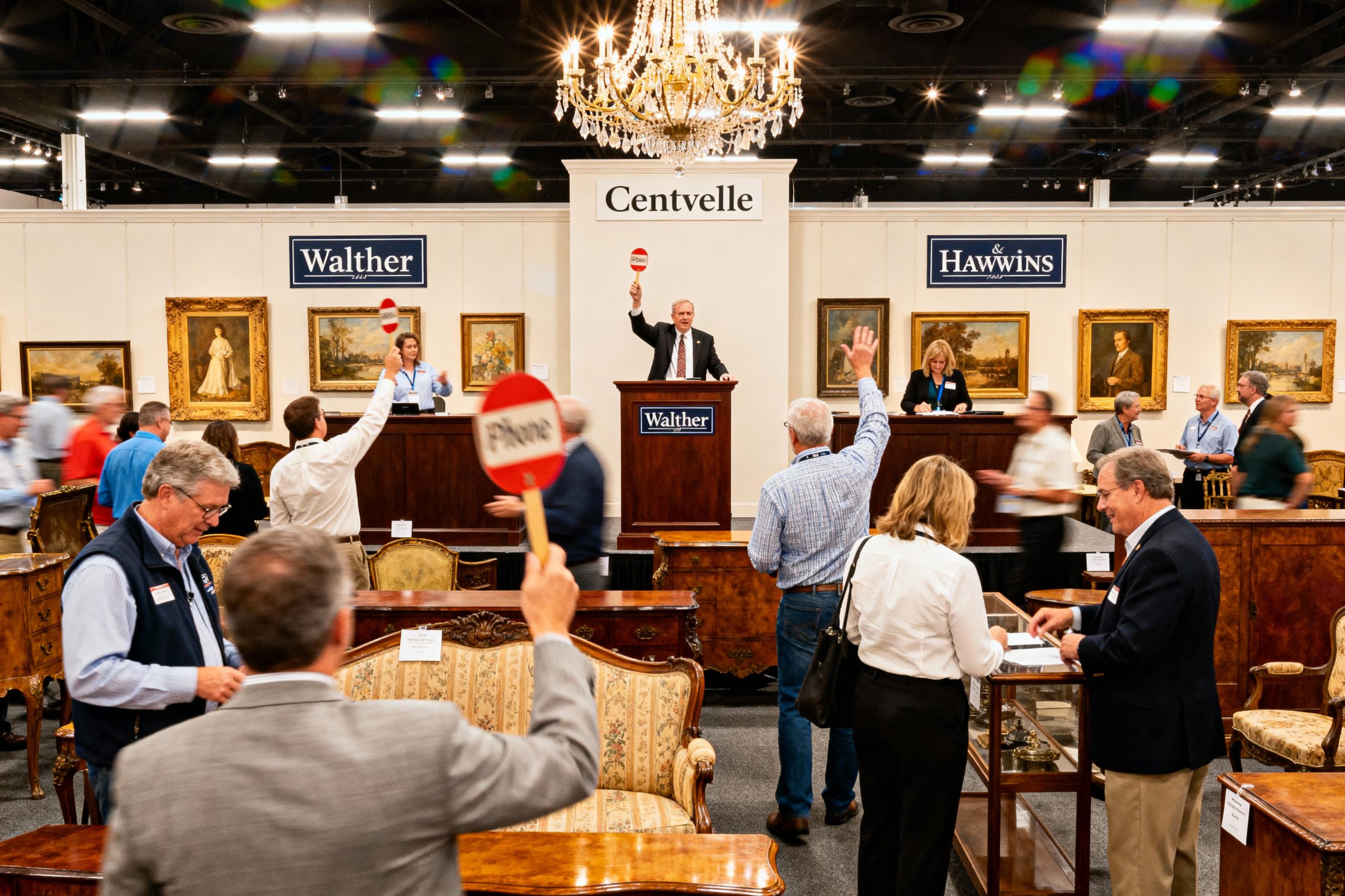
Authentic vintage coffee tables can be found through estate sales, antique dealers, auction houses, and specialized furniture consigners. We recommend building relationships with reputable dealers who understand provenance and can provide detailed information about each piece’s history.
Price ranges vary significantly based on age, condition, and provenance. Mid-20th-century pieces might start around a few hundred dollars, while elaborately restored or historically significant items can reach several thousand dollars. Pieces by recognized designers or from prestigious manufacturers like Milo Baughman command premium prices.
What to look for in a quality finish and patina
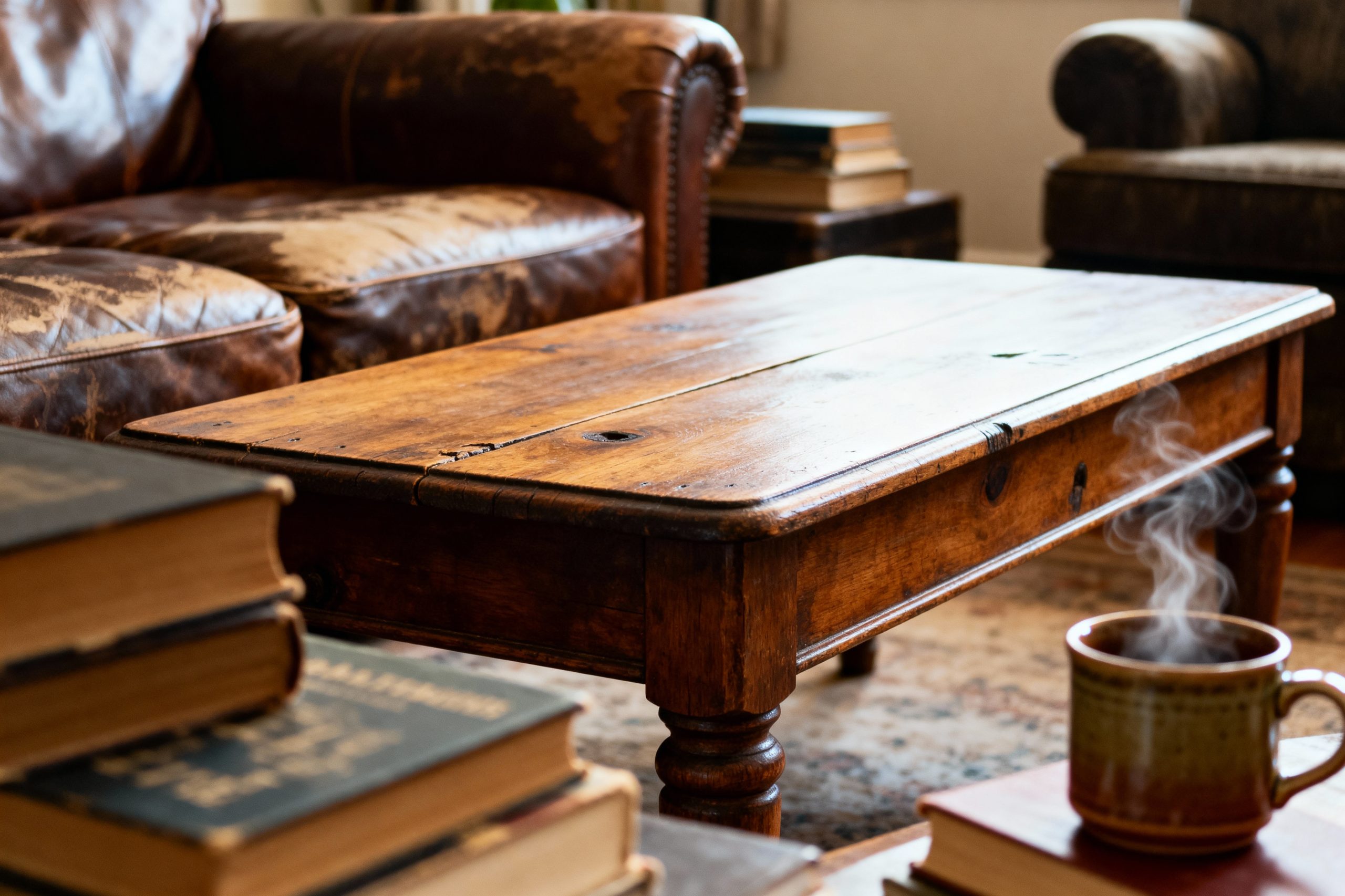
Authentic patina develops naturally over decades and cannot be accurately reproduced. Look for subtle color variations, gentle wear patterns in logical places, and the soft luster that comes from years of use and careful maintenance.
Quality finishes show consistent aging throughout the piece. Avoid tables where some areas look significantly newer than others, as this might indicate recent repairs or partial refinishing that could affect authenticity and value.
Natural wear should appear in expected locations like table edges, leg areas, and around hardware. Excessive wear or damage might indicate poor storage conditions or inadequate care over the years.
Questions to ask sellers and authentication tips
Always inquire about the table’s history and any restoration work that has been performed. Ask specifically about replaced hardware, structural repairs, or refinishing that might affect the piece’s original character.
Request detailed photographs of joinery, marquetry, and hardware details. These close-up images can reveal construction methods and materials that help verify age and authenticity. Original hardware often shows appropriate wear and aging that matches the rest of the piece.
We advise asking about provenance documentation when available. While not all vintage pieces come with detailed histories, any available information about previous owners or origins adds to both authenticity and value.
Examine construction techniques carefully. Hand-cut dovetails, traditional mortise-and-tenon joints, and period-appropriate hardware all support claims of authenticity. Modern construction methods or materials suggest either reproduction pieces or significant alterations to original designs.
Frequently Asked Questions
How can you tell if a coffee table is an antique?
You can tell if a coffee table is an antique by examining its construction, materials, and historical elements. Look for genuine wood with signs of wear, hand-carved details, and traditional joinery methods. Age, provenance, and features that reflect specific styles also indicate its antique status.
What is the 2/3 rule for coffee tables?
The 2/3 rule for coffee tables suggests that the coffee table’s length should be two-thirds the length of the sofa. This ensures a balanced look in your living space while allowing enough room for movement. This proportion creates a harmonious relationship between the table and the surrounding furniture.
How do you determine the value of an antique coffee table?
To determine the value of an antique coffee table, assess its age, condition, provenance, and rarity. Research similar pieces in the market, consider the craftsmanship and materials used, and check for any restoration work. Expert appraisals can also provide insight into the table’s value.
Why are Noguchi tables so expensive?
Noguchi tables are expensive due to their designer pedigree, unique sculptural forms, and high-quality materials. Produced under the guidance of acclaimed designer Isamu Noguchi, these tables are considered modern classics. Their limited availability and demand also contribute to their premium pricing.
What defines a vintage coffee table?
A vintage coffee table is defined by its age, typically ranging from 20 to 100 years old, and its connection to historical styles. These tables showcase characteristic design features, quality craftsmanship, and materials that reflect the era in which they were made, ensuring their uniqueness and appeal.
How to restore or preserve a vintage coffee table?
To restore or preserve a vintage coffee table, focus on careful cleaning, fixing structural issues, and protecting the original finish. Avoid over-restoration; instead, enhance its character while maintaining authenticity. Professional restoration is recommended to retain value and historical integrity.

John has been passionate about furniture and interior design for over a decade, combining his love for vintage pieces with modern styling techniques. After years of helping friends transform their spaces and restoring countless furniture finds, he started this blog to share his expertise and inspire others to create homes they truly love. When he’s not writing or hunting for unique pieces at estate sales, you’ll find him refinishing a mid-century dresser or experimenting with new room layouts in his own ever-evolving home.