Key takeaways:
The buratinka coins, minted primarily between 1659 and 1665, were a copper currency innovation in the Polish-Lithuanian Commonwealth addressing silver shortages. Distinct mint marks like TLB and GFH identify key mintmasters, while physical specs average a 16 mm diameter with approximately 1.3 grams weight. These factors aid collectors and historians in authenticating buratinka coins and understanding their regional variations.
Did you know that the copper coinage of the Polish-Lithuanian Commonwealth carries hidden insights into 17th-century economic policy? Buratinka issues emerged during a time of monetary crisis, reflecting broader efforts to balance silver scarcity with practical trade demands. Understanding these coins involves grasping nuanced mint marks and their historical circulation patterns, as well as the challenges in cataloging such diverse numismatic artifacts. A clear comprehension of these elements enables enthusiasts to accurately assess buratinka collections and their cultural significance within the Commonwealth’s economy.
The Buratinka: Origins and Minting in the Commonwealth
Tito Livio Burattini and the Minting Project
The buratinka coins were introduced in the mid-17th century within the Polish-Lithuanian Commonwealth, during a time of economic struggle and military conflict. The project was led by Tito Livio Burattini, an Italian-born engineer and visionary who served King John II Casimir. Burattini was tasked with minting copper coins to provide a low-value currency alternative amid a silver shortage.
These coins, sometimes called boratynkas in numismatic circles, represented a shift toward more affordable metal currency. Burattini’s involvement marked a significant innovation in coin production, leveraging his engineering skills to address the Commonwealth’s economic challenges.
Polish and Lithuanian Mint Towns (Kraków, Vilnius, Kaunas)
Buratinka coins were minted in several key towns across the Commonwealth, notably Kraków in Poland and Vilnius and Kaunas in the Grand Duchy of Lithuania. Each mint contributed a distinct style and slight variations to the coins. Kraków was a longtime center of royal minting activity, while Vilnius operated the mint closest to the Lithuanian administrative heart.
Kaunas, another important mint town, produced a substantial number of copper coins marked with unique identifiers to authenticate their origin. These locations ensured widespread circulation and accessibility of buratinka coins throughout the Commonwealth.
Crown Boratynka vs Lithuanian Boratynka: Key Differences
There are notable differences between the crown boratynka, minted primarily in Poland, and the Lithuanian boratynka. The crown boratynka typically featured royal portraits and Latin inscriptions emphasizing the Polish Crown, such as IOAN CAS REX.
Meanwhile, Lithuanian boratynkas displayed local emblems like the Vytis (a knight on horseback) and specific mintmaster marks. Differences also appeared in coin weight and diameter, with Lithuanian solids often slightly heavier and carrying distinct mintmark initials like GFH, reflecting the involvement of mintmasters such as Georgas Fon Horn.
Buratinka vs Boratynka: Polish Crown and Lithuanian Solids
The terms buratinka and boratynka are often used interchangeably but have subtle distinctions rooted in regional production and usage. The Polish Crown boratynka represented the crown’s copper coinage, mainly minted in Kraków and other Polish towns. Lithuanian solids or boratynkas were copper coins minted in Vilnius and Kaunas.
While both currencies were valued similarly and served to replace smaller silver coins, their iconography and inscriptions highlighted their different origins. This contrast assists collectors and historians in authenticating coins and understanding their circulation within the Commonwealth’s diverse economy.
Historical Timeline and Key Details
1659–1665: Burattini Production Window
The principal minting of buratinka coins took place between 1659 and 1665. This period aligns with renewed efforts by the Commonwealth to stabilize its economy during ongoing wars and internal upheaval. Burattini’s minting project produced millions of these small copper coins, rapidly increasing their availability in trade.
This timeline also reflects key shifts in political power and economic policies that influenced coin designs and distribution. The concentration of coin production during these years highlights the urgency of minting affordable currency.
Mint Marks and Inscriptions: TLB, GFH, IOAN CAS REX
Mint marks and inscriptions on buratinka coins provide critical details for collectors and historians. The initials TLB refer to Tito Livio Burattini himself, usually found on Polish Crown coins, indicating his direct oversight.
GFH marks coins minted under Georgas Fon Horn, especially in Lithuanian mints like Kaunas. IOAN CAS REX denotes King John II Casimir, emphasizing the royal authority behind the currency. Less common mintmasters with their own initials also contributed, assisting in fine authentication.
Physical Specs and Weights: 16 mm, ~1.3 g
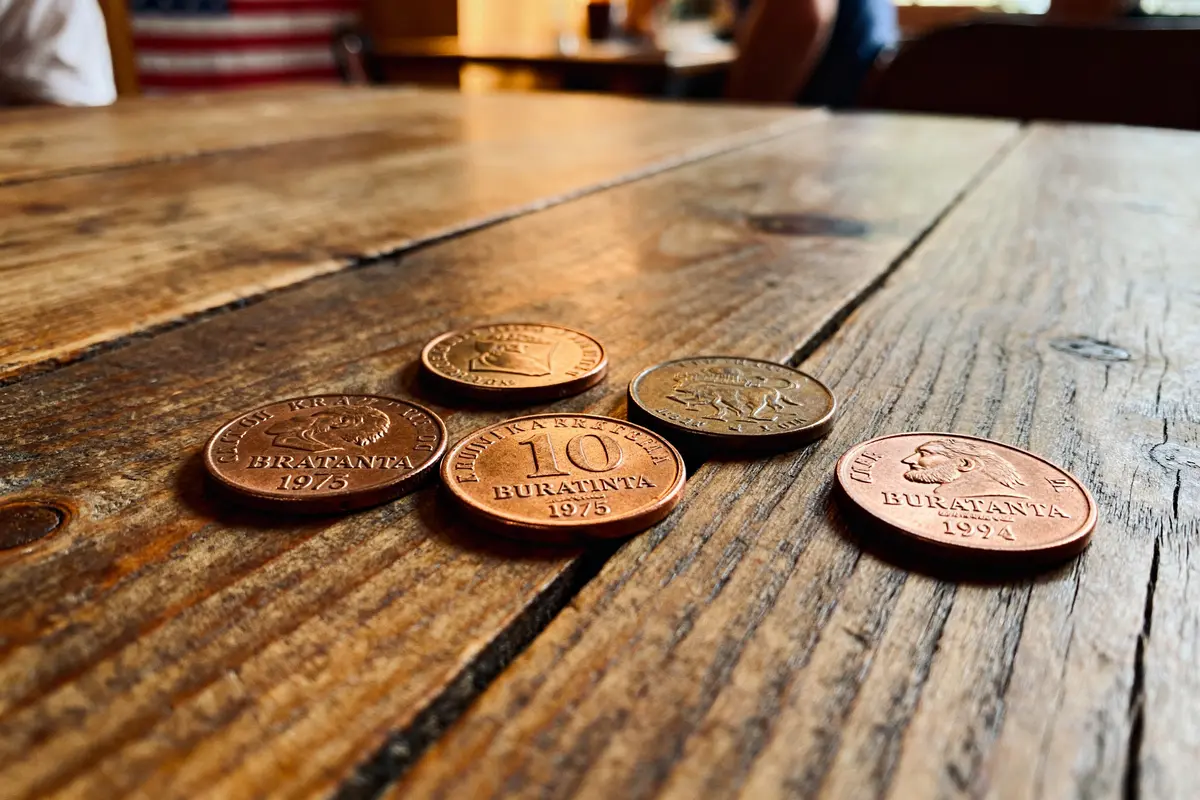
Standard buratinka coins typically feature a diameter of around 16 millimeters and weigh close to 1.3 grams. However, a small range of variance exists depending on the specific mint town and year. Kraków mint coins tended to be slightly lighter, while Lithuanian coins from Vilnius or Kaunas showed marginally higher weights, important for collectors grading coin condition.
Author’s Note
« Understanding mint marks and physical variances is crucial for authenticating and valuing buratinka coins accurately. »
Value, Rarity, and Cataloging Today
The value of buratinka coins today depends heavily on condition, mint origin, and historical significance. Polish Crown boratynkas tend to fetch higher prices at auction, often selling for $40 to $100 for well-preserved specimens. Lithuanian buratinkas, while rarer in some varieties, usually range slightly lower but can exceed these prices if exceptionally fine.
Rarity also factors in mintmaster initials and specific mintmarks, with coins bearing less common initials commanding premiums. Current market trends show an upward trajectory, reflecting growing collector interest. Catalogs provide detailed listings using token marks and historical data to help collectors identify and verify buratinka coins effectively.
Collecting Tips and Museum Resources
Collectors interested in buratinka coins should start by focusing on recognized mints and typical inscriptions, which aid in proper attribution. Handling coins with care is vital due to their age and fragile copper composition. Seeking expert verification for less common mintmaster marks ensures investment security.
Museums like the Kaunas City Museum provide excellent resources, displaying authentic 17th-century buratinkas and related coinage. Visiting such institutions helps enthusiasts gain firsthand knowledge of the coins’ historical context and physical characteristics.
- Prioritize coins with clear mintmarks like TLB or GFH
- Use catalogs with detailed mint and inscription indexes
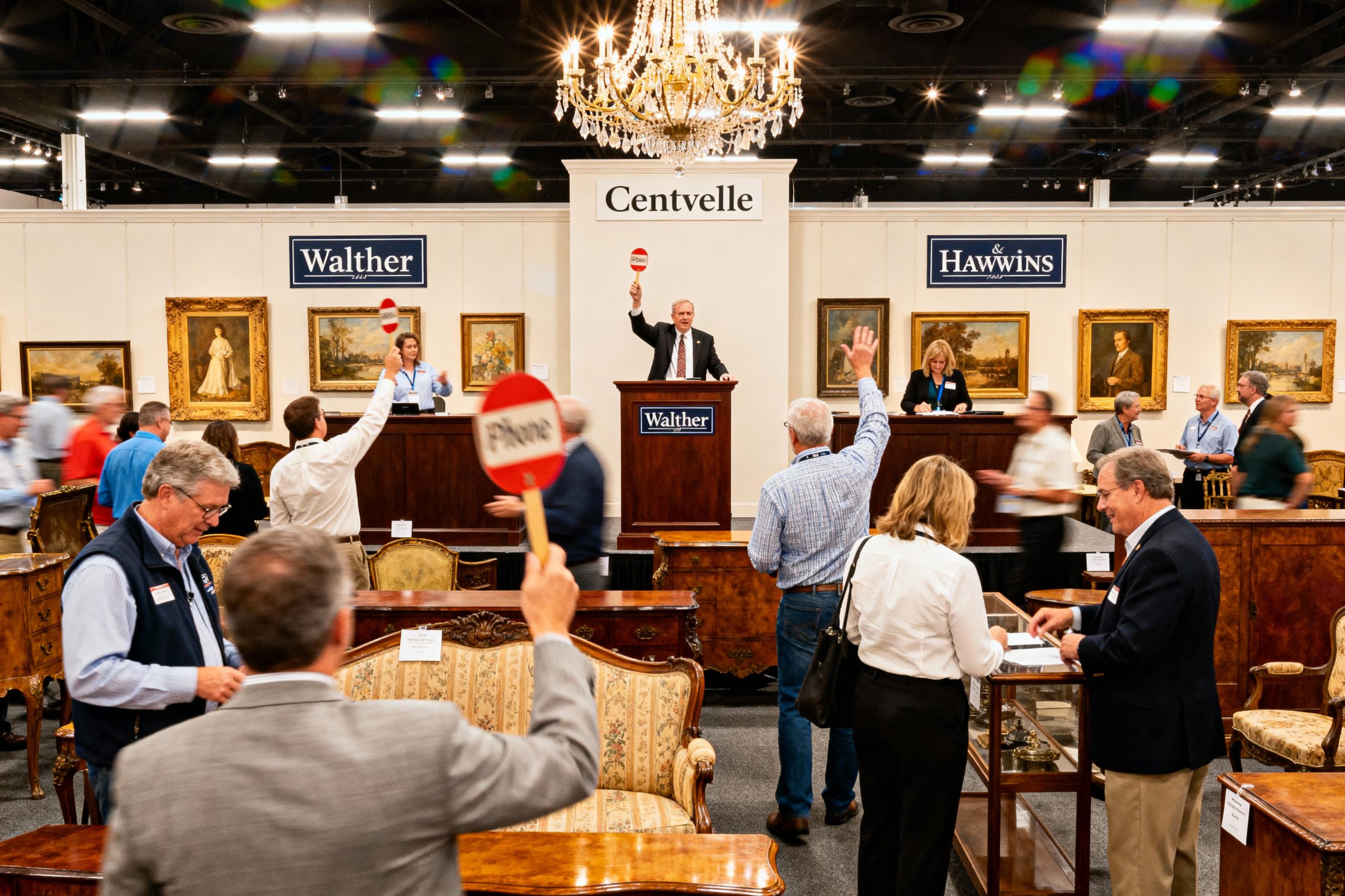
- Attend auctions and examine trends for market pricing
- Consult museum collections to compare genuine specimens
🧮 Buratinka Coin Value Estimator
Estimate the value of your buratinka coin based on mint origin, condition, and rarity factors.
FAQ: buratinka
Who was Tito Livio Burattini and what was his role in the buratinka coin project?
Tito Livio Burattini was an Italian engineer who served King John II Casimir in the Polish-Lithuanian Commonwealth. He led the minting project in the mid-17th century to produce copper buratinka coins as an affordable currency alternative during a silver shortage and economic struggles.
Where were buratinka coins minted within the Polish-Lithuanian Commonwealth?
Buratinka coins were minted mainly in Kraków (Polish Crown) and the Lithuanian towns of Vilnius and Kaunas. Each mint produced coins with distinct styles and slight variations, ensuring wide circulation across both Poland and Lithuania in the Commonwealth.
What are the key differences between the crown boratynka and the Lithuanian boratynka coins?
The crown boratynka, minted mostly in Poland, featured royal portraits and Latin inscriptions like IOAN CAS REX. Lithuanian boratynkas displayed local emblems such as the Vytis and mintmaster marks like GFH, differing slightly in weight and diameter from the Polish ones.
What are the typical physical specifications of buratinka coins?
Buratinka coins generally have a diameter of about 16 millimeters and weigh approximately 1.3 grams. Kraków mint coins tend to be slightly lighter, while Lithuanian coins from Vilnius or Kaunas usually weigh a bit more, which affects their grading by collectors.
What mint marks and inscriptions are commonly found on buratinka coins?
Common mint marks on buratinka coins include TLB for Tito Livio Burattini, GFH for mintmaster Georgas Fon Horn, and IOAN CAS REX referring to King John II Casimir. These marks help identify coin origin and authenticity, aiding collectors and historians.
How much are buratinka coins worth today and what affects their value?
The value of buratinka coins ranges from about $40 to $100 or more, influenced by condition, mint origin, rarity, and specific mintmaster marks. Polish crown boratynkas often fetch higher prices, while Lithuanian examples can be more rare and valuable if exceptionally preserved.

John has been passionate about furniture and interior design for over a decade, combining his love for vintage pieces with modern styling techniques. After years of helping friends transform their spaces and restoring countless furniture finds, he started this blog to share his expertise and inspire others to create homes they truly love. When he’s not writing or hunting for unique pieces at estate sales, you’ll find him refinishing a mid-century dresser or experimenting with new room layouts in his own ever-evolving home.