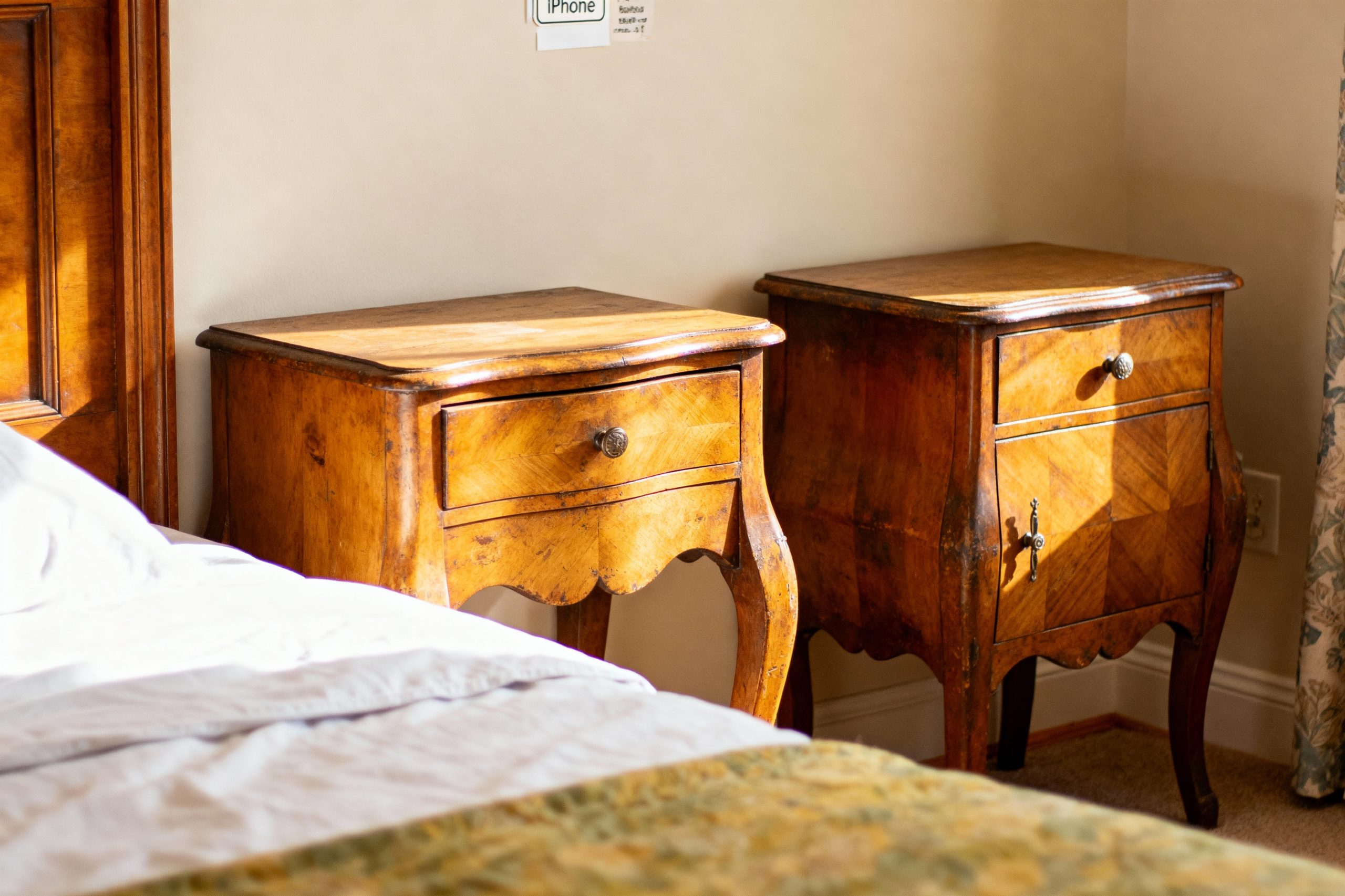
Your bedroom deserves furniture that tells a story and stands the test of time. This complete guide reveals how antique night stands can transform your space while offering practical storage solutions that naturally blend beauty with function. From identifying quality craftsmanship to finding authentic pieces at the right price, you’ll discover everything needed to choose vintage nightstands that perfectly match your style and budget.
What makes antique night stands a great addition to a bedroom?
Antique night stands bring exceptional character and timeless elegance to any bedroom through their superior craftsmanship, unique historical designs, and enduring quality that modern furniture often lacks. These pieces serve as both functional storage and captivating focal points that tell stories of bygone eras.
The craftsmanship found in vintage nightstands showcases techniques rarely seen today. Hand-carved details, ornate inlays, and fine veneer work demonstrate the skill of artisans who took pride in creating pieces meant to last generations. This level of attention to detail creates furniture with genuine soul and personality.
Each antique piece carries historical significance that adds depth to your bedroom decor. The minor imperfections, natural patina, and gentle wear marks that come with age actually increase their charm and value. These authentic signs of history make every piece completely unique – something you’ll never find in mass-produced furniture.
Beyond their beauty, antique nightstands offer exceptional durability. Built from solid hardwoods using traditional joinery methods, these pieces have already proven their staying power by surviving decades or centuries. They represent both an investment in quality and a commitment to sustainable living.
A buyer’s guide to style and quality in vintage bedroom furniture
Antique night stand: choosing a finish and craftsmanship
The finish on an antique nightstand reveals much about its period, origin, and quality. Rich mahogany and walnut finishes dominated many classic periods, offering deep, lustrous tones that develop character over time. These natural wood finishes showcase the grain patterns and craftsmanship beneath.
Painted finishes appeared frequently in certain regional designs and periods, often featuring classic colors that reflect historical preferences. French pieces might display elegant cream or sage tones, while English country styles embraced deeper, earthier hues. The original paint adds authenticity and historical value.
Quality craftsmanship shows in the details – smooth drawer action, tight joints, and consistent finish application. We advise examining how the piece feels when you open drawers or doors. High-quality antiques maintain their structural integrity and function smoothly despite their age.
Vintage craftsmanship details to evaluate when buying nightstands
Hand-carved motifs represent one of the most telling signs of superior vintage craftsmanship. Look for intricate designs that show slight variations – perfect uniformity often indicates machine production rather than hand work. These carved elements should feel crisp and well-defined, not soft or worn away.
Original hardware provides crucial authenticity clues. Period-appropriate handles, hinges, and locks should match the style and age of the piece. Replacement hardware isn’t necessarily problematic, but original pieces command higher values and offer better historical accuracy.
Veneer work requires careful inspection since it can hide underlying issues. Quality antique veneer displays rich grain patterns and remains well-adhered to the base wood. Small chips or lifting at edges can often be repaired, but extensive veneer damage may indicate more serious problems.
Styles and periods you’ll encounter: from chippendale to French neoclassical
Chippendale style nightstands feature distinctive inlaid woods and elegant cabriole legs that curve gracefully outward. This 18th-century English style emphasizes proportion and refined details, often incorporating decorative brass hardware and rich mahogany construction. The clean lines and sophisticated proportions make these pieces versatile in modern bedrooms.
Victorian nightstands embrace dramatically different aesthetics with their preference for dark woods and elaborate carving. These 19th-century pieces often feature multiple tiers, intricate fretwork, and substantial proportions that reflect the era’s love of ornamentation and grandeur.
French neoclassical styles showcase some of the most luxurious antique nightstands available. These pieces frequently display ormolu accents, marble tops, and intricate marquetry work that demonstrates exceptional artistry. Balconette details and gilt bronze mounts create an unmistakable elegance that transforms any bedroom into a sophisticated retreat.
Georgian and Louis XV styles each bring their own distinctive characteristics. Georgian pieces emphasize clean, architectural lines with quality wood construction, while Louis XV furniture embraces curves, asymmetrical designs, and ornate decoration that epitomizes French luxury and refinement.
Storage, usability, and layout ideas for nightstands
Different periods offer varying storage solutions to match your bedroom needs. Single-drawer nightstands provide clean, minimal storage perfect for small spaces, while multi-drawer designs accommodate more items. Some Victorian pieces feature cabinet doors below drawers, creating enclosed storage for items you prefer to keep hidden.
Multiple-tier nightstands add vertical storage without consuming extra floor space. These designs often include open shelving between closed storage areas, perfect for displaying books, decorative objects, or frequently used items. The varied storage types help organize different bedroom necessities efficiently.
We recommend considering your bedroom’s scale when choosing antique nightstands. Taller pieces work well with high beds or in rooms with generous ceiling heights, while lower profiles suit contemporary mattress heights better. The proportions should feel balanced rather than overwhelming the space.
Creating cohesive bedroom decor often involves pairing nightstands with matching dressers or complementary antique pieces. This approach builds a unified vintage aesthetic while providing comprehensive bedroom storage. Mixed periods can work beautifully when pieces share similar wood tones or design elements.
Care, maintenance, and restoration tips for antique furniture
Regular dusting with soft, clean cloths forms the foundation of antique nightstand care. Microfiber cloths work exceptionally well for capturing dust without scratching delicate finishes. We advise dusting weekly to prevent buildup that can dull the wood’s natural beauty over time.
Harsh chemicals and modern cleaning products can damage antique finishes irreparably. Instead, use furniture polish specifically formulated for antique wood, applied sparingly and buffed gently. Test any product on an inconspicuous area first to ensure compatibility with your piece’s particular finish.
Professional restoration becomes necessary when pieces show significant wear, structural damage, or finish deterioration. Qualified furniture restorers can patch veneer, repair joints, and refinish surfaces while preserving the piece’s historical integrity and value. Amateur repairs often decrease both beauty and worth.
- Keep antique nightstands away from direct sunlight to prevent fading
- Maintain consistent humidity levels between 30-50% to prevent wood movement
- Use coasters and protective pads under lamps and decorative items
- Address small issues promptly before they become major problems
- Store in climate-controlled environments when not in use
Where to buy authentic pieces: from auction houses to specialty shops
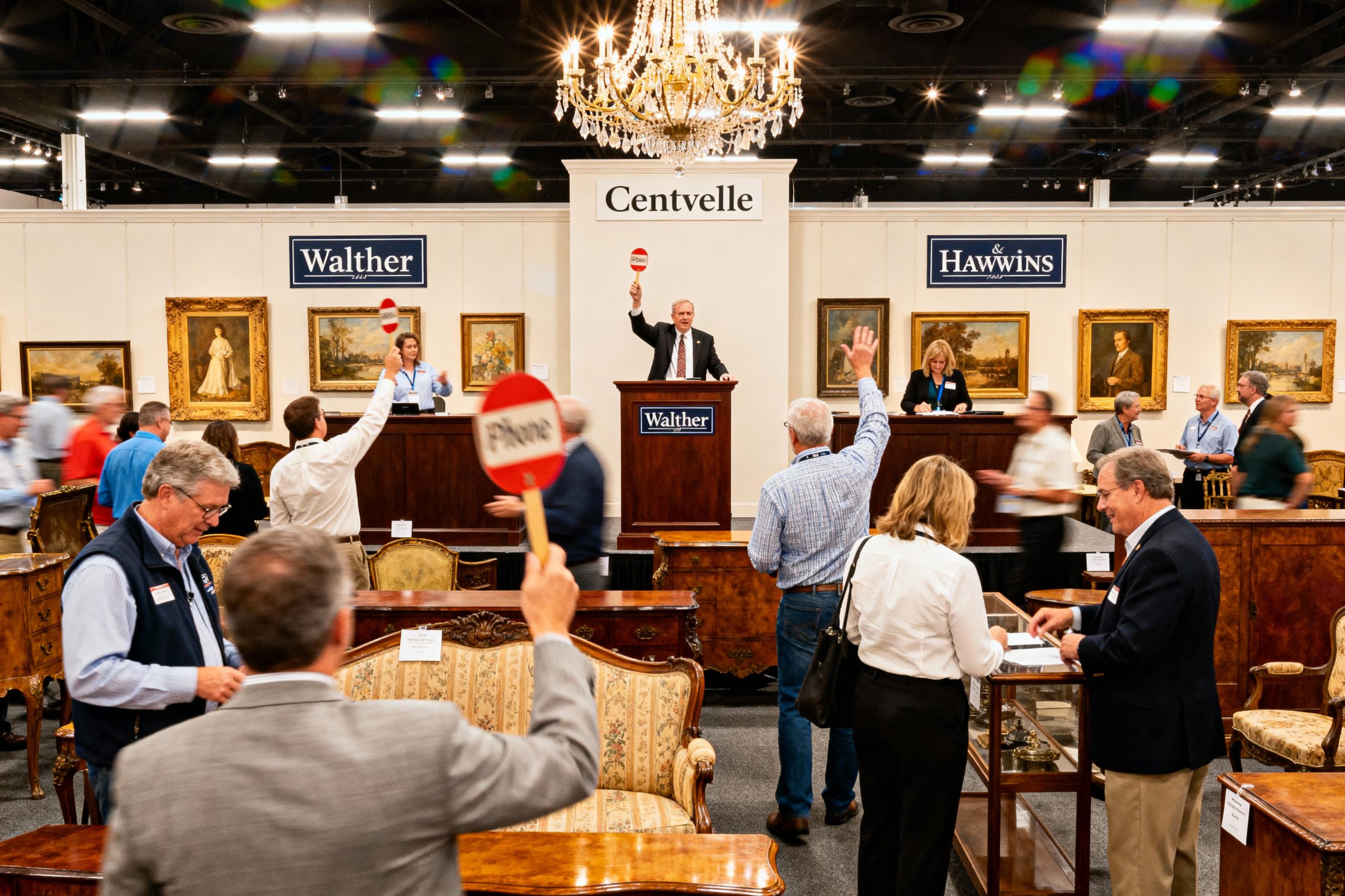
Reputable auction houses offer some of the finest antique nightstands available, often with detailed provenance and condition reports. These venues provide authentication services and expert evaluation, though prices can reach premium levels. Auctions work best for collectors seeking documented, high-value pieces.
Specialized antique shops develop expertise in particular periods or styles, offering curated selections with knowledgeable guidance. Shop owners often provide detailed histories and can help identify pieces that match your specific needs. Building relationships with quality dealers leads to first access to exceptional pieces.
Verified online marketplaces expand your options significantly but require more careful evaluation. We advise requesting detailed photographs, condition reports, and measurements before purchasing. Market prices for vintage nightstands range from several hundred dollars to over $2,000 for exceptional French Louis XV or Neoclassical pairs.
Always verify original hardware, examine condition reports thoroughly, and confirm return policies before purchasing. Authentic pieces often cost more initially but provide lasting value and satisfaction that reproductions simply cannot match. The investment in genuine antique craftsmanship pays dividends in both beauty and durability for decades to come.
FAQ
What makes antique nightstands a great addition to a bedroom?
Antique nightstands make a great addition to a bedroom because they bring exceptional character and timeless elegance. Their superior craftsmanship, unique historical designs, and durability set them apart from modern furniture, serving as both functional storage and captivating focal points.
How can I evaluate the craftsmanship of an antique nightstand?
You can evaluate the craftsmanship of an antique nightstand by examining its hand-carved details, smooth drawer action, and overall finish quality. Look for intricacies that indicate handwork, and inspect original hardware for authenticity. These factors reveal the skill and care invested in the piece.
Where can I find authentic antique nightstands to purchase?
You can find authentic antique nightstands at reputable auction houses, specialized antique shops, and verified online marketplaces. Auction houses provide detailed provenance, while specialized shops offer knowledgeable guidance. Online marketplaces require careful evaluation of photographs and condition reports.
What are the advantages of owning antique nightstands versus modern furniture?
The advantages of owning antique nightstands versus modern furniture include enduring quality, unique character, and historical significance. These nightstands showcase superior craftsmanship and often feature materials that have stood the test of time, making them a beautiful and lasting investment for your bedroom.

John has been passionate about furniture and interior design for over a decade, combining his love for vintage pieces with modern styling techniques. After years of helping friends transform their spaces and restoring countless furniture finds, he started this blog to share his expertise and inspire others to create homes they truly love. When he’s not writing or hunting for unique pieces at estate sales, you’ll find him refinishing a mid-century dresser or experimenting with new room layouts in his own ever-evolving home.