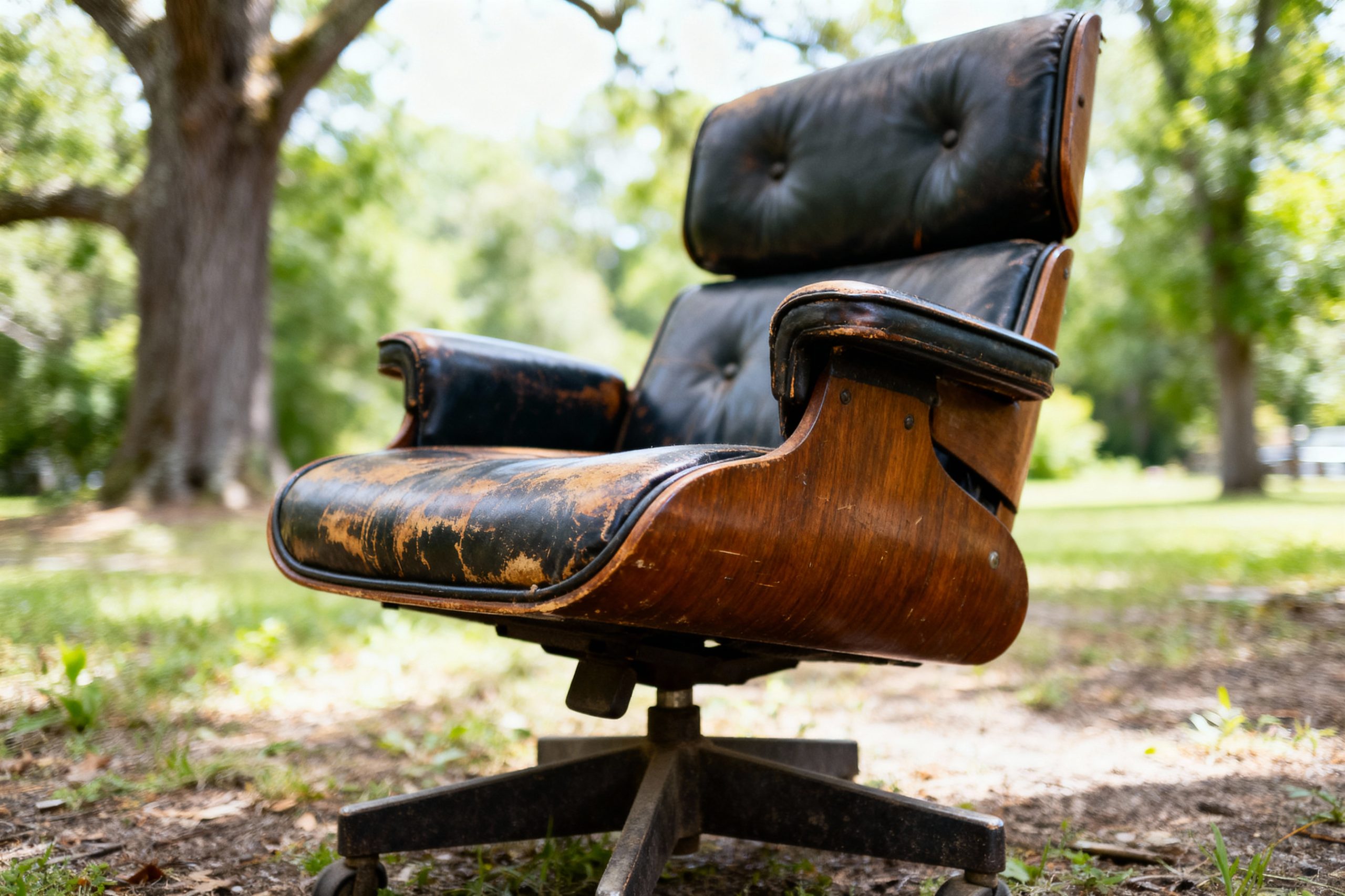
Finding the perfect antique office chair for your workspace can transform an ordinary study into a sophisticated sanctuary that reflects your personal style. Whether you’re drawn to hand-carved Victorian elegance or simple Colonial charm, understanding what makes these timeless pieces valuable helps you make smart buying decisions. This guide reveals how to spot authentic antiques, choose styles that naturally complement your décor, and maintain these treasured pieces for years of comfortable use.
What makes antique office chairs valuable and unique?
An antique office chair represents much more than just old furniture – it’s a piece of history that combines exceptional craftsmanship with timeless design. These chairs become valuable because of their rarity, the skilled hands that created them, and their historical significance in different eras.
The value comes from several key factors that modern furniture simply can’t replicate. First, the materials used decades or centuries ago were often superior quality hardwoods like mahogany and tropical woods that are now scarce. Second, the construction methods involved hand-carved details and joinery techniques that required master craftspeople.
Rarity plays a huge role in determining worth. Many antique chairs were produced in limited quantities, and surviving pieces in good condition become increasingly precious over time. We often see chairs from the 18th and 19th centuries commanding high prices because so few remain intact.
The historical significance adds another layer of value. Each piece tells a story about the era it came from – the design preferences, social customs, and craftsmanship standards of its time. This makes every authentic piece a unique window into the past.
Choosing the right antique office chair for your study
Selecting the perfect piece for your workspace requires understanding both style preferences and practical needs. Your study deserves furniture that reflects your personality while providing the comfort and functionality you need for daily use.
Size considerations matter tremendously when shopping for vintage pieces. Measure your desk height and available space carefully, as antique proportions often differ from modern standards. Consider whether you need a swivel mechanism or prefer a stationary chair.
antique office chairs: styles and eras
Different historical periods produced distinct chair styles, each with recognizable characteristics that appeal to various tastes. Chippendale chairs from the mid-1700s feature elaborate shell backs and intricate carvings that make bold statements in any room.
Louis XVI style chairs bring French elegance with their medallion backs and refined proportions. These pieces often showcase delicate upholstery and gold leaf accents that create sophisticated atmospheres. Biedermeier chairs from early 19th century Germany offer clean lines and rich wood tones.
Federal period chairs reflect American craftsmanship from the late 1700s and early 1800s. Heart-back armchairs and simple yet elegant designs characterize this era. Colonial styles present sturdy construction with practical features that suited frontier life.
Regency chairs bridge the gap between ornate earlier styles and simpler later designs. They often feature cane accents and curved lines that feel both classic and approachable in modern settings.
authentic antique office chair: dating and provenance
Determining a chair’s age and authenticity requires examining construction methods, materials, and historical documentation. Hand-carved details immediately distinguish genuine antiques from machine-made reproductions.
Look for maker marks, labels, or stamps that can provide clues about origin and date. Many 19th-century furniture makers left identifying marks on their pieces. Construction techniques also reveal age – hand-cut dovetail joints and wooden pegs indicate older craftsmanship.
Provenance documentation adds significant value and confidence in authenticity. Estate records, family histories, or dealer documentation can trace a chair’s ownership through generations. We recommend requesting any available paperwork when considering expensive pieces.
Wood aging patterns help identify genuine antiques. Patina develops naturally over decades, creating color variations and surface wear that can’t be easily faked. Original hardware shows appropriate wear patterns consistent with age.
Key features to look for in a vintage desk chair
Quality wood selection separates exceptional pieces from ordinary furniture. Mahogany remains the gold standard for antique chairs, prized for its durability, beautiful grain patterns, and rich color that deepens with age. Tropical hardwoods like rosewood and ebony appear in premium pieces.
Hand-carved details showcase the artisan’s skill and add visual interest that machine production cannot match. Look for crisp carving lines, intricate patterns, and decorative elements that show careful attention to detail. Shell motifs, floral designs, and geometric patterns were popular choices.
Decorative accents like brass nailheads serve both functional and aesthetic purposes. Original brass hardware develops a natural patina that adds character. Carved shells, rope twists, and other ornamental elements demonstrate the maker’s expertise.
Original upholstery, while rare, provides valuable insight into the chair’s history and authenticity. Even worn fabric can be worth preserving for historical accuracy. However, many collectors choose period-appropriate replacements to maintain usability.
- Examine joint construction for hand-fitted connections
- Check for consistent wood grain and color throughout
- Test structural integrity by gently applying pressure
- Inspect hardware for original mounting holes and wear patterns
- Look for maker marks or labels in hidden areas
Where to shop for genuine vintage and reproduction pieces
Specialized antique furniture dealers offer the best selection and expertise for serious collectors. These professionals understand period styles, can verify authenticity, and often provide provenance information that adds value to purchases.
Estate sales present opportunities to find unique pieces at reasonable prices. We suggest arriving early for the best selection and bringing measurements to ensure pieces fit your space. Research the estate beforehand when possible to understand what types of furniture might be available.
Reputable online marketplaces expand your search beyond local options but require extra caution. Request detailed photos, ask specific questions about condition and provenance, and verify seller credentials before making significant purchases.
High-quality reproduction specialists like Laurel Crown create custom pieces that capture historical accuracy without antique prices. These craftspeople study original techniques and materials to produce chairs that honor traditional methods while meeting modern needs.
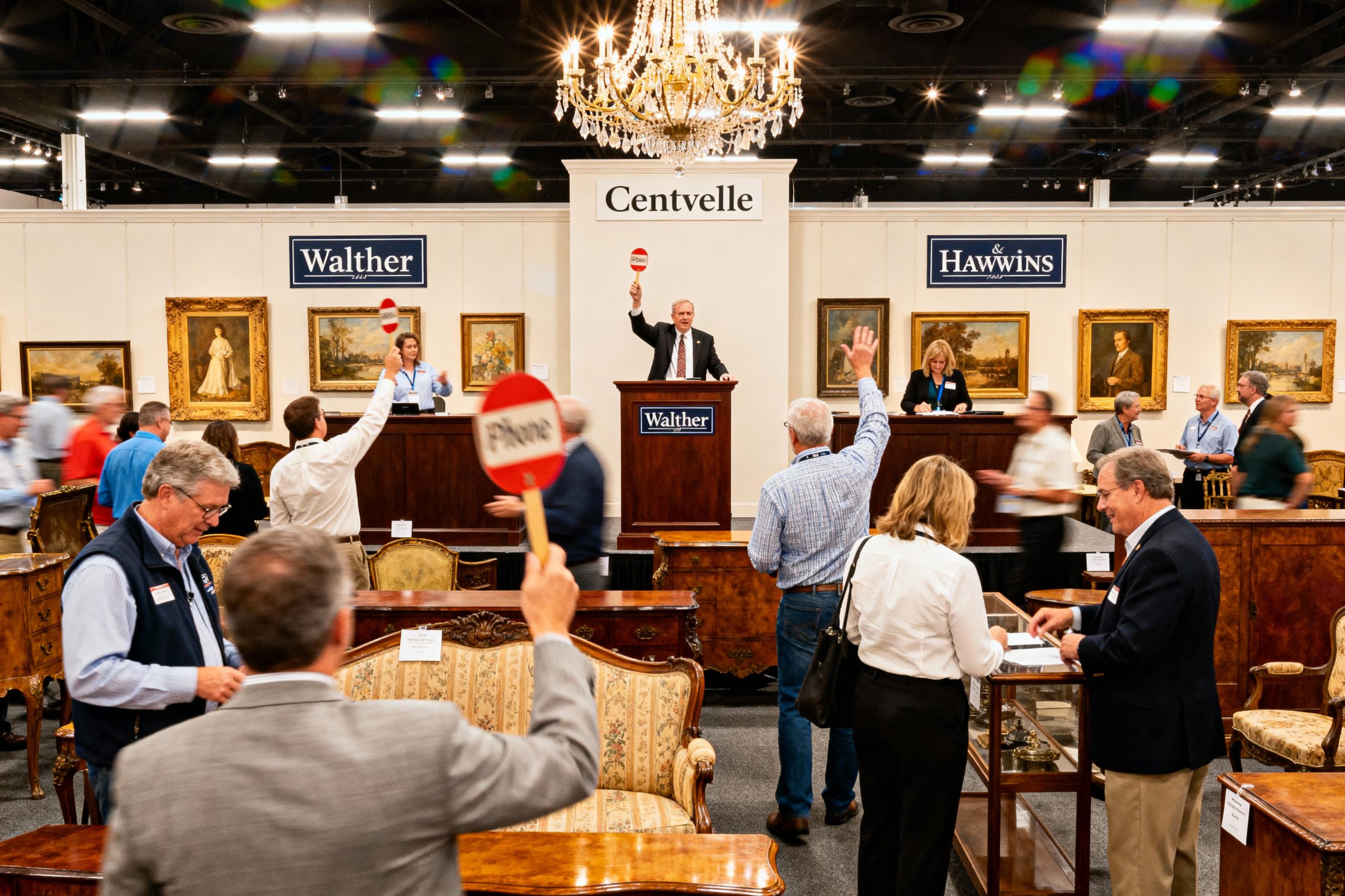
Auction houses sometimes feature exceptional pieces but require knowledge to bid wisely. Preview events allow hands-on inspection, and catalog descriptions provide valuable information about age, provenance, and condition estimates.
Care, restoration, and maintenance tips to extend life
Proper maintenance preserves both beauty and value in antique chairs. Avoid harsh cleaning agents that can damage original finishes or strip natural patina that took decades to develop. Gentle dusting with soft cloths removes surface dirt without scratching.
Regular joint inspection prevents small problems from becoming major repairs. Wooden connections naturally loosen over time, especially in dry climates. We recommend checking stability quarterly and addressing wobbles before they worsen.
Professional upholstery restoration maintains historical accuracy while improving comfort. Choose craftspeople experienced with antique furniture who understand period-appropriate materials and techniques. Original horsehair stuffing and hand-tied springs deserve expert attention.
Climate control protects wood from expansion and contraction cycles that cause cracking and joint separation. Maintain consistent humidity levels around 45-55% and avoid placing chairs near heating vents or direct sunlight.
When restoration becomes necessary, document the process with photos and keep replaced parts for future reference. Re-gluing loose joints with traditional hide glue maintains authenticity better than modern adhesives. Period-appropriate materials preserve both function and value for future generations.
Frequently Asked Questions
How do you know if an old chair is valuable?
To know if an old chair is valuable, check for craftsmanship quality, materials used, and any historical significance. Rare designs, limited production, and well-preserved condition also increase value, along with documentation tracing ownership and authenticity.
How to identify a vintage chair?
To identify a vintage chair, look for hand-crafted details, unique materials, and maker marks indicating its age. Vintage chairs often feature styles or construction techniques from specific historical periods, and their wear reflects their age and authenticity.
What is office chair syndrome?
Office chair syndrome refers to the discomfort and health issues caused by prolonged sitting in an office chair. Symptoms can include back pain, poor posture, and reduced mobility due to inadequate support or ergonomic design in the chair.
Why is Herman Miller’s chair so expensive?
Herman Miller’s chair is expensive due to its high-quality materials, innovative ergonomic design, and the extensive research and technology invested in its development. This ensures durability, comfort, and support in long-term use, making it a worthwhile investment.
What are the key features of a quality vintage office chair?
The key features of a quality vintage office chair include high-quality wood construction, hand-carved details, and original hardware. Look for unique design elements, craftsmanship, durability, and the usage of premium materials like mahogany or exotic hardwoods.
What styles should you look for in antique office chairs?
In antique office chairs, look for distinct styles such as Chippendale, Louis XVI, Biedermeier, and Federal designs. Each style reflects a specific historical period with unique characteristics that enhance their aesthetic and functional appeal in any workspace.

John has been passionate about furniture and interior design for over a decade, combining his love for vintage pieces with modern styling techniques. After years of helping friends transform their spaces and restoring countless furniture finds, he started this blog to share his expertise and inspire others to create homes they truly love. When he’s not writing or hunting for unique pieces at estate sales, you’ll find him refinishing a mid-century dresser or experimenting with new room layouts in his own ever-evolving home.