Transform your cluttered rooms into organized, stylish spaces with furniture that naturally combines storage and beauty. A mid century wall unit offers the perfect solution for homeowners who want maximum storage without sacrificing floor space or design appeal. This guide reveals everything you need to know about choosing, buying, and styling these iconic pieces that have remained popular for over 70 years, helping you create the organized, sophisticated home you’ve always wanted.
What makes a mid century wall unit the perfect choice?
A mid century wall unit combines timeless design with practical storage solutions that work beautifully in modern homes. These pieces offer the perfect blend of form and function, featuring clean lines and quality craftsmanship that has endured for decades.
The appeal lies in their ability to maximize vertical space while maintaining an uncluttered look. Unlike bulky furniture that dominates a room, these units create an airy feeling by appearing to float on the wall. They serve multiple purposes – displaying books, artwork, and treasured objects while hiding everyday clutter behind sleek cabinet doors.
What sets them apart is their modular nature. You can start with a basic configuration and expand over time, adapting the system to changing needs. This flexibility makes them ideal for small apartments or growing families who need storage solutions that evolve with their lifestyle.
Key design elements that define a mid-century wall unit
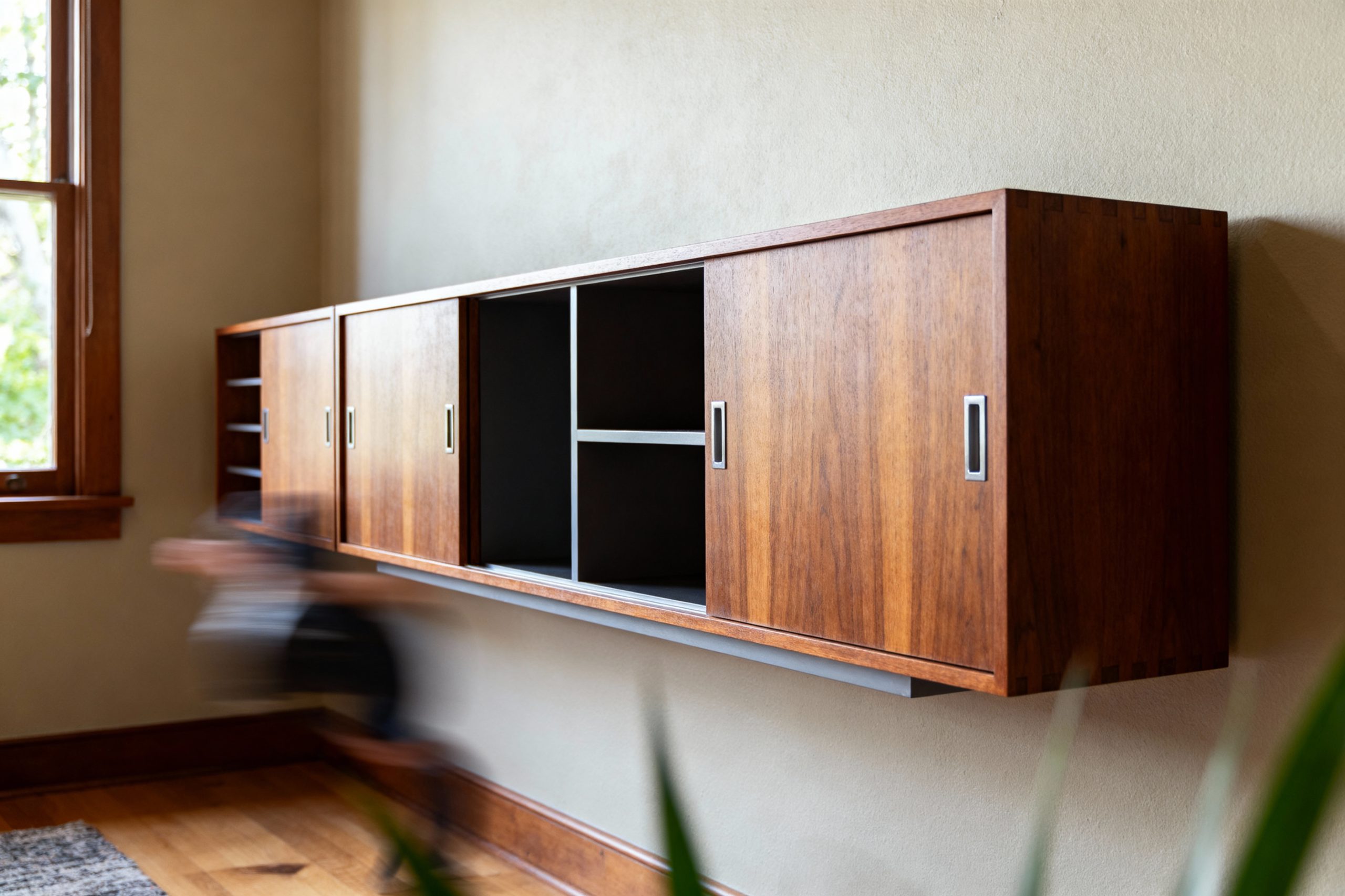
The distinctive characteristics of mid-century design shine through in these wall-mounted systems. Clean geometric shapes dominate, with rectangular forms and minimal ornamentation creating visual harmony. The emphasis on horizontal and vertical lines creates a sense of order that complements contemporary interiors.
These units typically feature a mix of open shelving and closed storage compartments. The careful balance between display areas and hidden storage reflects the mid-century philosophy of organized living. Glass elements often appear in cabinet doors, adding lightness and allowing glimpses of stored items.
Mid-century wall unit: materials and finishes
High-quality woods form the backbone of authentic pieces, with teak being the most coveted material. Rosewood, walnut, and oak also appear frequently, each bringing distinct grain patterns and color variations. These woods age beautifully, developing rich patinas that enhance their natural beauty over time.
Surface treatments range from natural oil finishes that highlight wood grain to sleek lacquered surfaces that reflect light. Some pieces feature stained finishes in warm honey tones or deeper espresso shades. The choice of finish dramatically affects the unit’s visual impact and compatibility with different room styles.
Metal accents appear in hardware and structural elements, often in brass or brushed steel. Caned panels add textural interest while maintaining the clean aesthetic. Glass shelves and cabinet fronts introduce transparency that keeps the design from feeling heavy or overwhelming.
Modularity and customization options
The genius of these systems lies in their adaptable components. Individual modules connect through precision-engineered brackets and mounting systems that allow endless configuration possibilities. You can create asymmetrical arrangements that feel dynamic or maintain perfect symmetry for formal spaces.
Adjustable shelving within each module accommodates items of varying heights. This flexibility proves invaluable when displaying collections or storing different types of objects. Some systems include specialized components like wine racks, record storage, or writing surfaces that fold down when needed.
The ability to expand vertically or horizontally means these units grow with your needs. Starting with a simple three-shelf configuration, you can gradually add cabinets, drawers, and additional shelving to create impressive floor-to-ceiling installations.
Historical context and iconic designers
The popularity of wall-mounted storage exploded during the 1950s through 1970s as homes became smaller and more efficient. Post-war prosperity combined with changing lifestyles created demand for furniture that maximized space while reflecting modern sensibilities.
Poul Cadovius revolutionized modular wall storage with his famous Cado system, which became synonymous with Danish modern design. His innovative ladder-and-bracket system allowed infinite customization while maintaining structural integrity. The system’s success inspired countless variations from both Scandinavian and American manufacturers.
Milo Baughman brought American sensibilities to the concept, creating systems that emphasized bold forms and rich materials. His designs often featured dramatic cantilevers and mixed materials that pushed the boundaries of what wall-mounted furniture could achieve.
The movement reflected broader cultural shifts toward casual living and open floor plans. These units helped define the era’s aesthetic while solving practical problems that remain relevant today.
Buying guidance: find the right pieces
Smart shopping starts with understanding your space and storage needs. Measure carefully, considering both the wall dimensions and the room’s proportions. A unit that looks perfect in photos might overwhelm a small space or appear insignificant in a large room.
Consider how you’ll use the system before making selections. Display-focused arrangements need different components than storage-heavy configurations. Think about the items you’ll store and display to choose appropriate shelf depths and cabinet sizes.
Where to buy: galleries and online sources
Reputable vintage furniture galleries offer the best selection of authenticated pieces, though prices reflect their expertise and curation. These dealers typically provide detailed provenance information and stand behind their authenticity claims. We advise building relationships with trusted dealers who understand your preferences and budget.
Specialized online sources have expanded access to quality pieces, but require more careful evaluation. Look for sellers who provide detailed photographs showing construction details, maker’s marks, and any condition issues. Established platforms that focus on mid-century modern furniture tend to attract more knowledgeable sellers.
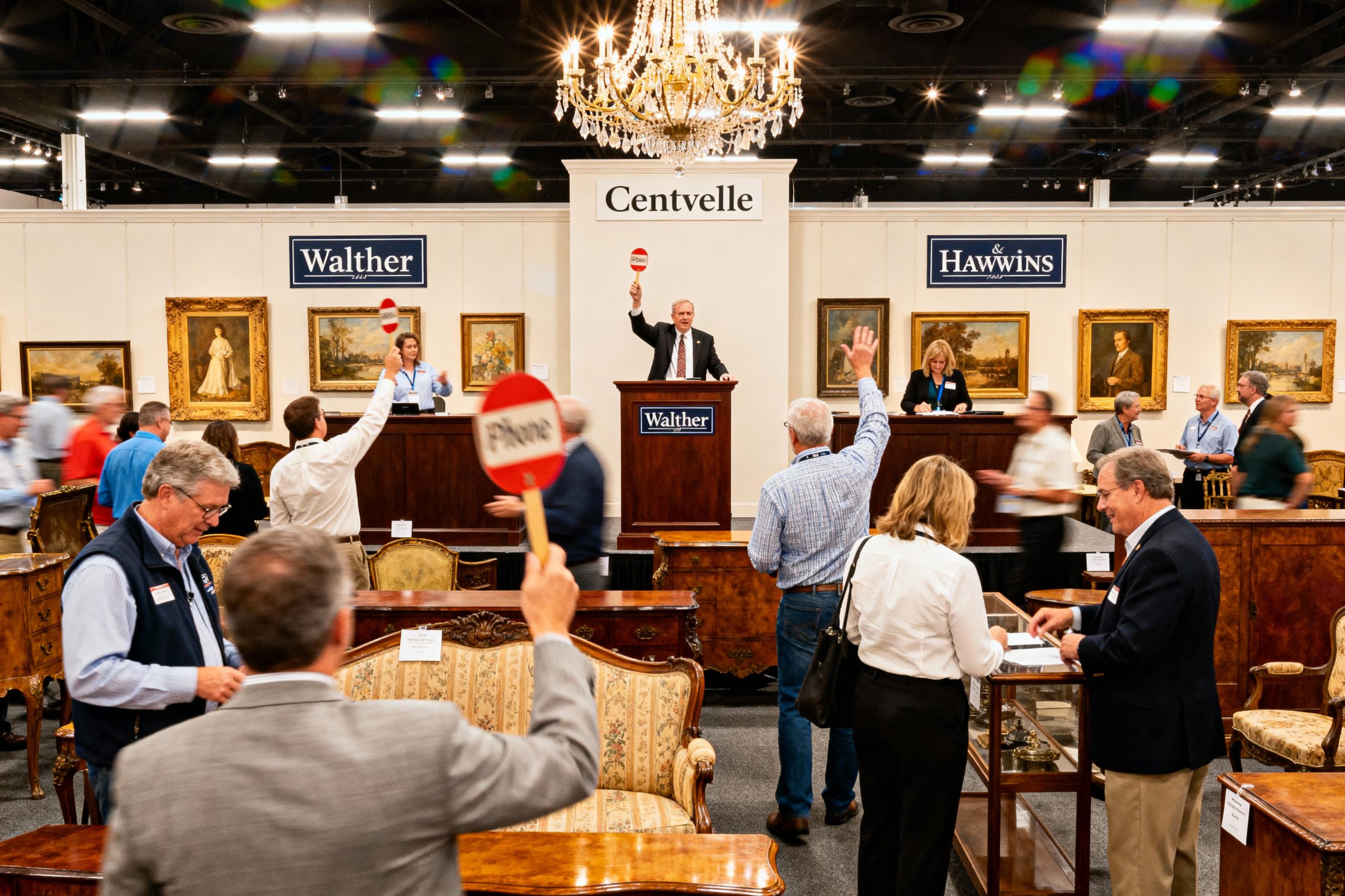
Estate sales and auctions can yield excellent finds at reasonable prices, but success requires patience and expertise. We recommend attending several sales to develop an eye for quality before making significant purchases.
Assessing condition and authenticity
Authentic pieces bear specific markers of quality and origin. Look for maker’s marks on hidden surfaces like the backs of shelves or inside cabinet frames. These stamps or labels provide crucial authentication and help establish value.
Construction details reveal authenticity and quality levels. Examine joint work – dovetailed drawers and mortise-and-tenon joinery indicate superior craftsmanship. Hardware should feel substantial and operate smoothly without excessive wear or replacement parts that don’t match the original design.
Surface condition requires careful evaluation. Minor scratches and wear are normal for pieces this age, but deep gouges or water damage can be costly to repair. We suggest having questionable pieces evaluated by restoration professionals before purchasing.
- Check for original hardware and mounting systems
- Examine wood grain patterns for consistency across components
- Look for signs of professional restoration versus amateur repairs
- Verify that all pieces of a modular system match in finish and construction
- Ask about provenance and previous ownership history
Styling, placement and maintenance tips
Successful placement requires understanding both structural and aesthetic considerations. Wall studs must support the system’s weight, especially when fully loaded with books and objects. We advise consulting with contractors for installations spanning more than 8 feet or supporting heavy items.
Living rooms and dining areas provide ideal locations where these units can serve as focal points while remaining accessible. Avoid placing them where they might interfere with door swings or natural traffic patterns. Consider sight lines from different seating areas to ensure the display remains visually appealing from multiple angles.
Color coordination helps integrate the unit with existing décor. Warm wood tones pair beautifully with earth-toned palettes, while contrasting metals or glass accents can bridge different style periods. The key lies in selecting pieces that complement rather than compete with other furniture.
Maintenance preserves both beauty and value over time. Regular dusting with microfiber cloths prevents particle buildup that can scratch surfaces. Use wood cleaners specifically formulated for your unit’s finish type – oil-finished pieces need different care than lacquered surfaces.
Avoid excessive moisture that can damage finishes or cause wood movement. Position units away from heating vents and direct sunlight that might cause uneven fading or cracking. Professional restoration every decade or two can refresh finishes and address minor damage before it becomes problematic.
The enduring appeal of mid century wall unit designs proves their value extends far beyond trends. Their combination of practical storage, beautiful materials, and timeless design continues attracting new generations of admirers who appreciate quality craftsmanship and intelligent design solutions.
FAQ
What is a mid-century wall unit?
A mid-century wall unit is a piece of furniture designed during the mid-century modern era, featuring clean lines, minimalist design, and multifunctional storage. It often incorporates shelving, cabinets, and display spaces integrated into a single unit, making it both functional and stylish.
What are the design characteristics of mid-century wall units?
The design characteristics of mid-century wall units include simplicity, clean geometric shapes, and a balance of open shelving with closed storage. They emphasize horizontal and vertical lines, often made from warm-toned wood, enhancing both functionality and aesthetic appeal in contemporary interiors.
What materials are used in mid-century wall units?
Mid-century wall units commonly use high-quality woods like teak, rosewood, walnut, and oak for their construction. These materials are known for their unique grain patterns and color variations, which age beautifully, adding to the unit’s charm and visual harmony over time.
How do I choose the right mid-century wall unit for my space?
Choosing the right mid-century wall unit requires assessing your space and storage needs. Measure your wall dimensions and consider the room’s proportions. Think about how you plan to use the unit to select the appropriate components for display and storage that suit your lifestyle.
What should I look for when assessing the condition of a mid-century wall unit?
When assessing the condition of a mid-century wall unit, check for maker’s marks to verify authenticity. Examine the craftsmanship, joint work, and overall surface condition for any wear, ensuring that the unit is both structurally sound and visually appealing before purchasing.
Where can I buy mid-century wall units?
You can buy mid-century wall units at reputable vintage furniture galleries, specialized online sources, or estate sales. Ensure that sellers provide detailed photographs and provenance information to help you assess the quality and authenticity of the pieces you’re considering.
What maintenance is required for mid-century wall units?
Maintenance for mid-century wall units involves regular dusting and using cleaners suited to the finish type—oil or lacquer. It’s essential to avoid moisture and direct sunlight to prevent damage and fading, and periodic professional restoration can refresh finishes and preserve the unit’s beauty.

John has been passionate about furniture and interior design for over a decade, combining his love for vintage pieces with modern styling techniques. After years of helping friends transform their spaces and restoring countless furniture finds, he started this blog to share his expertise and inspire others to create homes they truly love. When he’s not writing or hunting for unique pieces at estate sales, you’ll find him refinishing a mid-century dresser or experimenting with new room layouts in his own ever-evolving home.