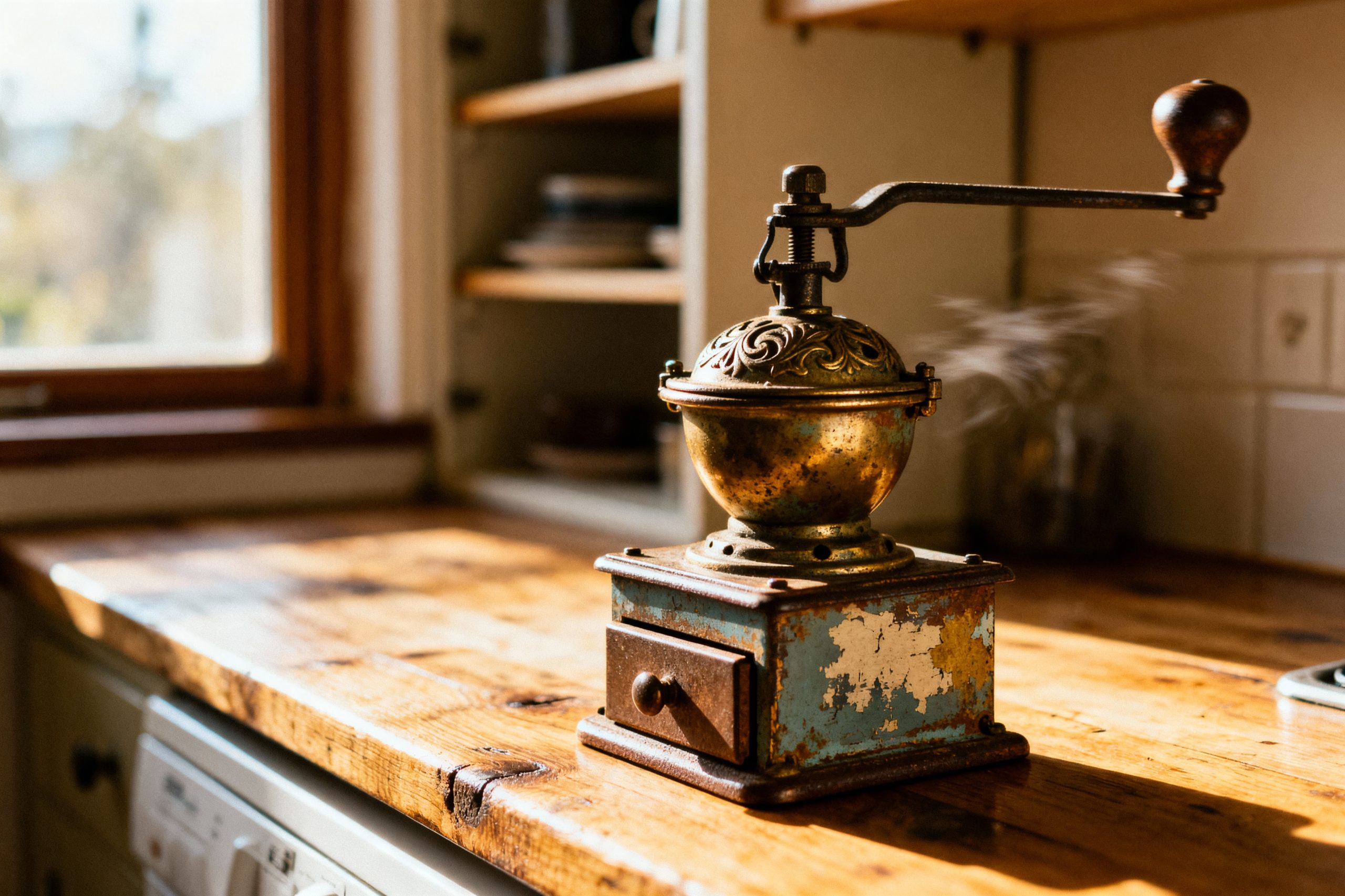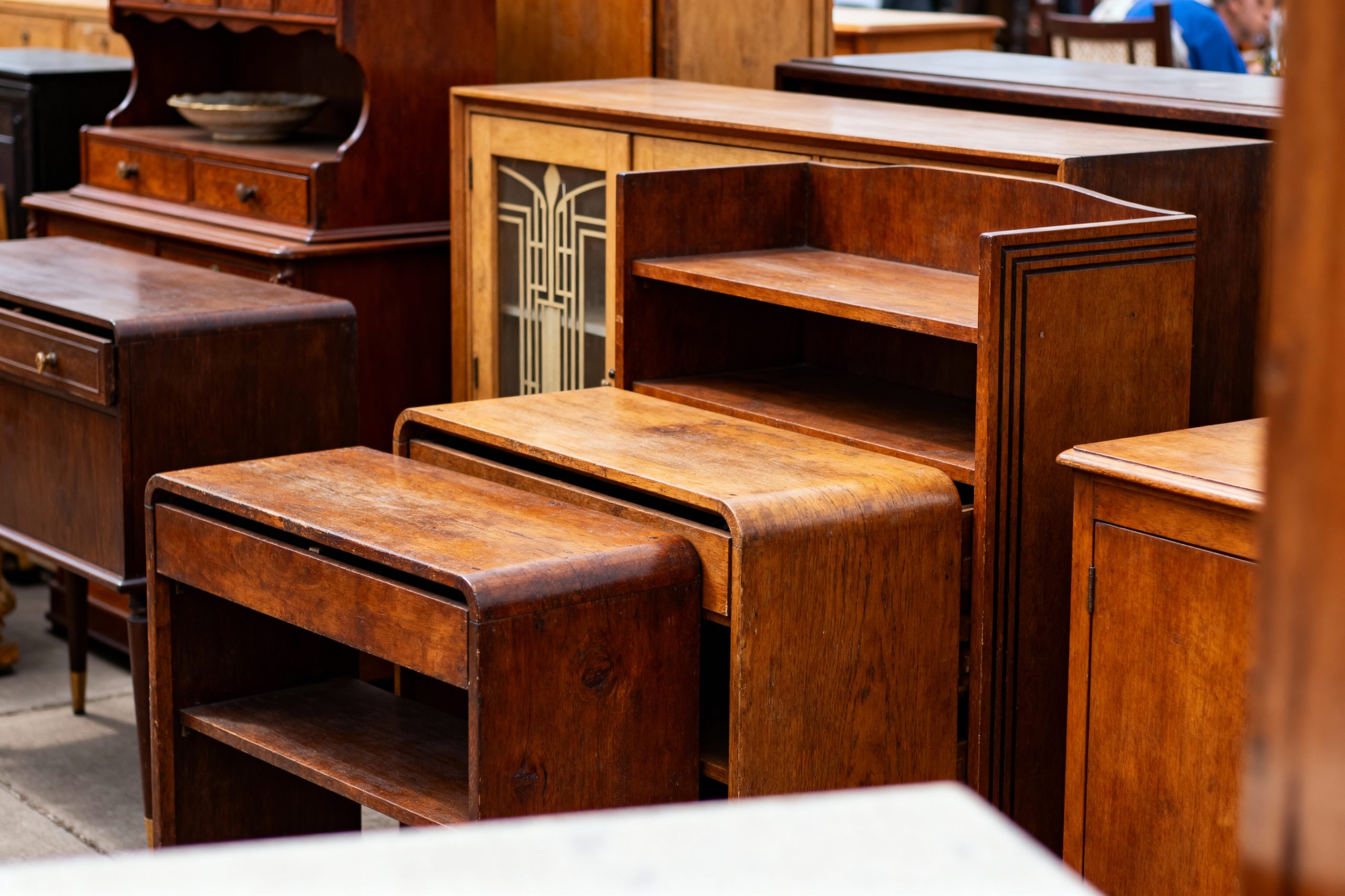
Antique vintage furniture brings timeless beauty and history into modern homes through pieces that showcase exceptional craftsmanship from the 19th and early 20th centuries. These unique treasures feature solid woods, hand-carved details, and natural aging that cannot be replicated by today’s mass production methods. From elegant Victorian pieces to Art Deco designs, each item tells its own story while adding character and lasting value to any living space.
What Makes Antique Vintage Furniture Styles Unique?
Antique vintage furniture stands apart from modern pieces through its exceptional craftsmanship and rich history that spans the 19th and early 20th centuries. These remarkable pieces showcase intricate details and proprietary carving techniques that simply cannot be replicated by today’s mass-production methods.
The materials used in these timeless pieces tell their own story. Solid woods like mahogany, oak, cherry, walnut, and burl form the foundation of most antique furniture. Craftsmen often enhanced these beautiful woods with decorative inlays, elegant veneers, or gleaming ormolu accents that catch the eye and speak to centuries of skilled workmanship.
What truly sets these pieces apart are the distinctive aging signs that develop over decades. The natural patina that forms on wood surfaces, the gentle wear patterns from years of use, and the hand-carved details that show slight irregularities all contribute to their authentic character.
Authentic pieces can often be identified through maker marks and provenance documentation. These identifying features help collectors and enthusiasts verify the genuine nature of their furniture investments.
Exploring Different Styles of Antique Vintage Furniture
Classic Victorian and Renaissance Furniture
Victorian furniture represents one of the most recognizable and beloved styles in antique vintage furniture collecting. This style, popular during Queen Victoria’s reign, features elaborate ornamentation and rich, dark woods that create dramatic focal points in any room.
Renaissance Revival pieces bring the grandeur of classical European design into American and European homes. These substantial pieces often feature:
- Heavy carved details inspired by Greek and Roman motifs
- Rich mahogany or walnut construction
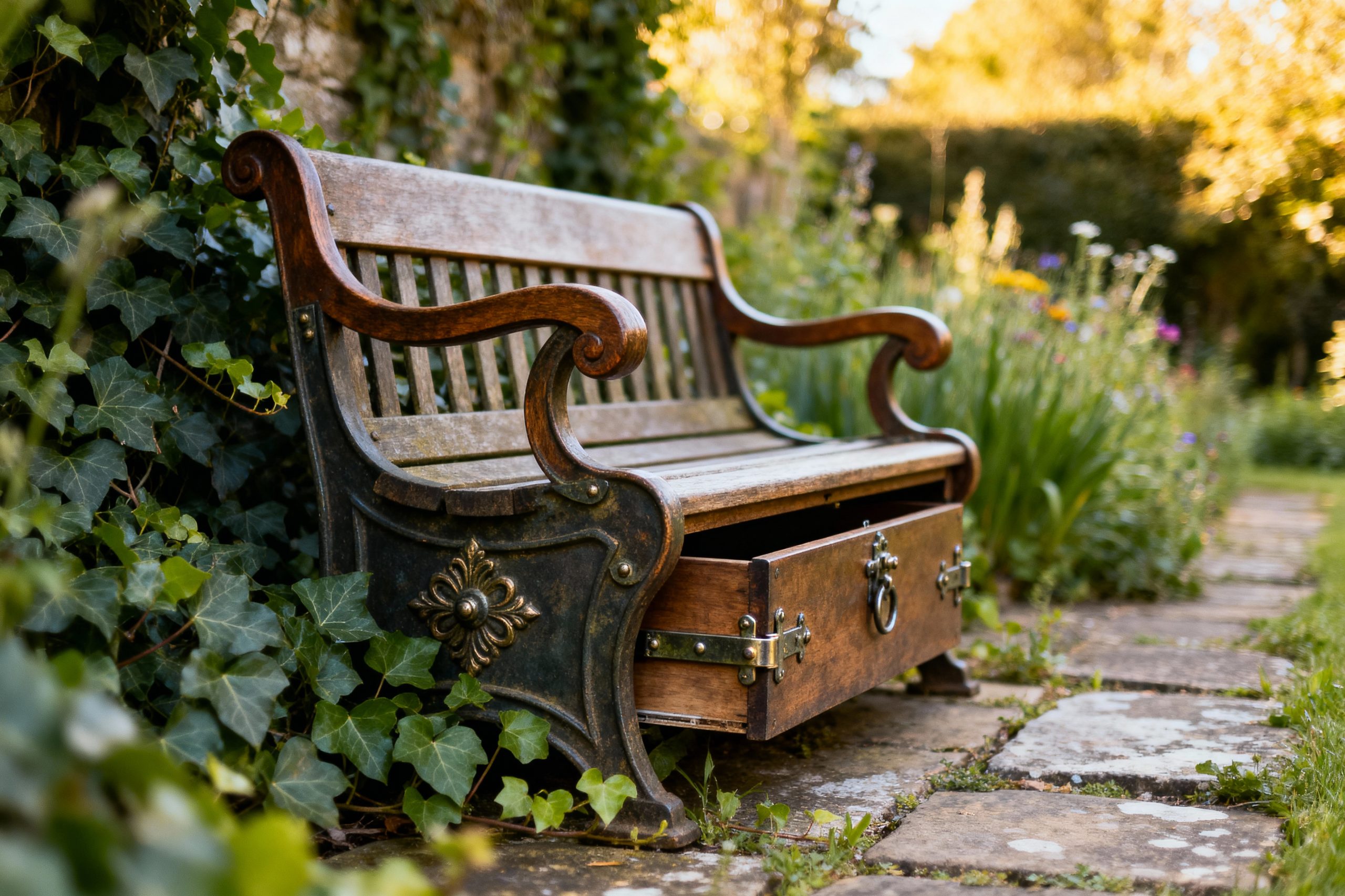
- Ornate hardware with brass or bronze finishes
- Large-scale proportions that command attention
Italian-style carved mahogany sideboards and French Louis XV commodes represent prime examples of this craftsmanship. Victorian hall trees, with their intricate woodwork and practical design, remain popular choices for entryways and bedrooms.
Modern Reimagined Vintage Pieces
Today’s designers often take classic antique furniture and give it fresh life through careful refinishing and thoughtful modifications. This approach preserves the original craftsmanship while adding personalized touches that suit contemporary living spaces.
Art Deco pieces from the 1920s and 1930s work particularly well for modern reimagining. Their clean lines and geometric patterns blend seamlessly with current interior design trends while maintaining their vintage charm.
Louis XVI and Louis Philippe styles also adapt beautifully to modern homes. These French-inspired designs bring elegance without overwhelming smaller spaces, making them perfect for today’s living requirements.
Where to Find Authentic Antique Vintage Furniture
Finding genuine antique pieces requires knowing where to look and what to look for. Established antique dealers often specialize in specific periods or styles, making them excellent resources for serious collectors.
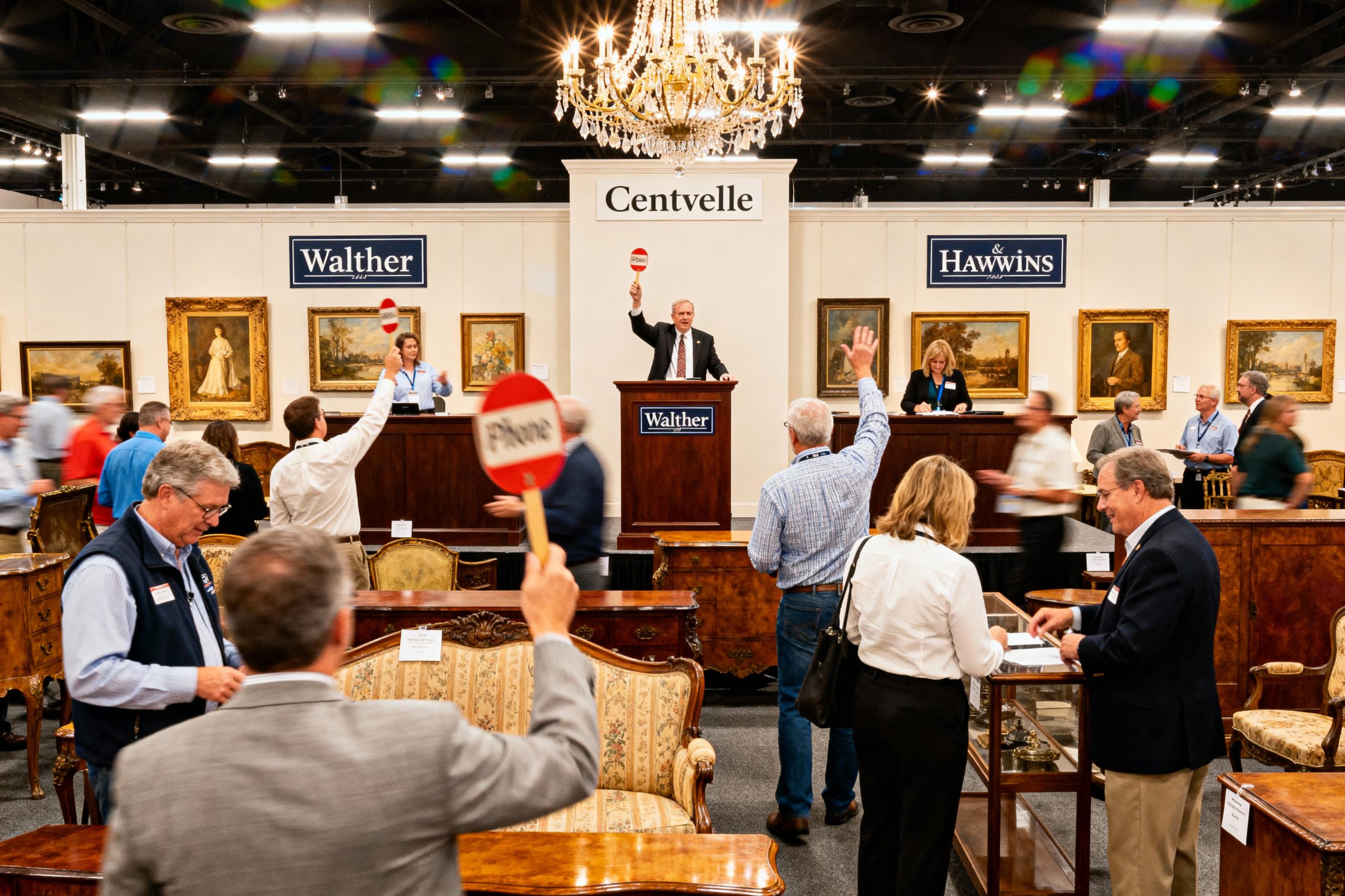
Estate sales provide opportunities to discover hidden gems, though buyers should inspect pieces carefully for authenticity markers. Auction houses frequently feature documented pieces with clear provenance, which adds to both authenticity and value.
Specialty shops focusing on European and American designs often carry impressive selections of large cabinets, sideboards, desks, and decorative pieces. These retailers typically understand the importance of proper restoration and can provide valuable guidance about maintenance and care.
Online marketplaces have expanded access to antique furniture, though we advise extra caution when purchasing sight unseen. Request detailed photographs and ask specific questions about condition, measurements, and any restoration work that has been completed.
Benefits of Incorporating Antique Vintage Furniture in Your Home
The durability of antique furniture often exceeds that of contemporary pieces by decades. Well-maintained antique pieces can serve families for generations, making them both practical and sentimental investments.
Each piece brings historical value and unique aesthetic qualities that cannot be replicated. The character that develops over time creates conversation pieces that add depth and interest to any interior design scheme.
Antique furniture excels at blending traditional and modern styles. A single well-chosen piece can serve as a focal point that ties together diverse design elements throughout a room.
The timeless appeal of these pieces means they rarely go out of style. While trends in home decor may shift, quality antique furniture maintains its relevance and beauty across changing fashions.
Care and Maintenance Tips for Antique Vintage Furniture
Proper care starts with gentle cleaning using conditioners specifically designed for aged wood. Harsh chemicals can damage delicate finishes and remove the valuable patina that contributes to a piece’s authenticity and charm.
Environmental control plays a crucial role in preservation. Maintaining consistent humidity levels between 40-50% and avoiding direct sunlight helps prevent warping, cracking, and fading that can significantly impact both appearance and value.
Furniture placement deserves careful consideration. Keep pieces away from heating vents, air conditioning units, and windows where temperature fluctuations could cause wood movement and potential damage.
We recommend consulting restoration specialists for any major repairs or refinishing work. Professional expertise ensures that valuable pieces retain their integrity and market value while receiving necessary care.
The Value of Antique Vintage Furniture as an Investment
Antique furniture often retains or appreciates in value over time, making it a solid financial investment beyond its aesthetic appeal. Market values depend on several key factors including rarity, style, craftsmanship quality, and overall condition.
Prices typically range from a few hundred to several thousand dollars, with exceptional pieces commanding even higher values. Provenance documentation can significantly impact pricing, as pieces with clear historical records attract serious collectors willing to pay premium prices.
Rarity plays a significant role in determining long-term appreciation potential. Limited production runs, maker reputation, and surviving quantity all influence how pieces perform in the antique market over time.
We advise considering condition carefully when evaluating investment potential. Well-preserved original finishes generally outperform heavily restored pieces, though professional restoration can enhance both usability and market appeal when done properly.
Frequently Asked Questions
What is the difference between antique and vintage furniture?
Antique furniture is generally defined as furniture that is at least 100 years old, while vintage furniture ranges from 20 to 100 years old. The distinction lies in age and historical significance; antiques are valued artifacts, whereas vintage pieces reflect styles from specific time periods.
Why does the age of furniture matter when classifying it as antique or vintage?
The age of furniture matters when classifying it as antique or vintage because antiques should meet the 100-year cutoff, according to general rules. The classification impacts the item’s value, historical context, and the interest level from collectors and enthusiasts.
What materials are typically used in antique vintage furniture?
Materials used in antique vintage furniture often include solid woods like mahogany, oak, cherry, walnut, and burl. Craftsmen frequently enhanced these woods with decorative inlays, veneers, and ormolu accents, showcasing the skilled craftsmanship of past eras.
How can I ensure authenticity when purchasing antique vintage furniture?
To ensure authenticity when purchasing antique vintage furniture, look for maker marks and provenance documentation. Established dealers, auction houses, and specialty shops can provide clearer histories, making it easier to verify the authenticity of the pieces.

John has been passionate about furniture and interior design for over a decade, combining his love for vintage pieces with modern styling techniques. After years of helping friends transform their spaces and restoring countless furniture finds, he started this blog to share his expertise and inspire others to create homes they truly love. When he’s not writing or hunting for unique pieces at estate sales, you’ll find him refinishing a mid-century dresser or experimenting with new room layouts in his own ever-evolving home.