Discovering what makes wm cary paintings worth thousands of dollars can help you make smart buying decisions in today’s art market. This guide reveals the key factors that naturally drive up auction prices, from historical importance to proper authentication, plus shows you where to find genuine pieces and avoid costly mistakes when investing in Western art.
How does wm cary influence the value of his artworks?
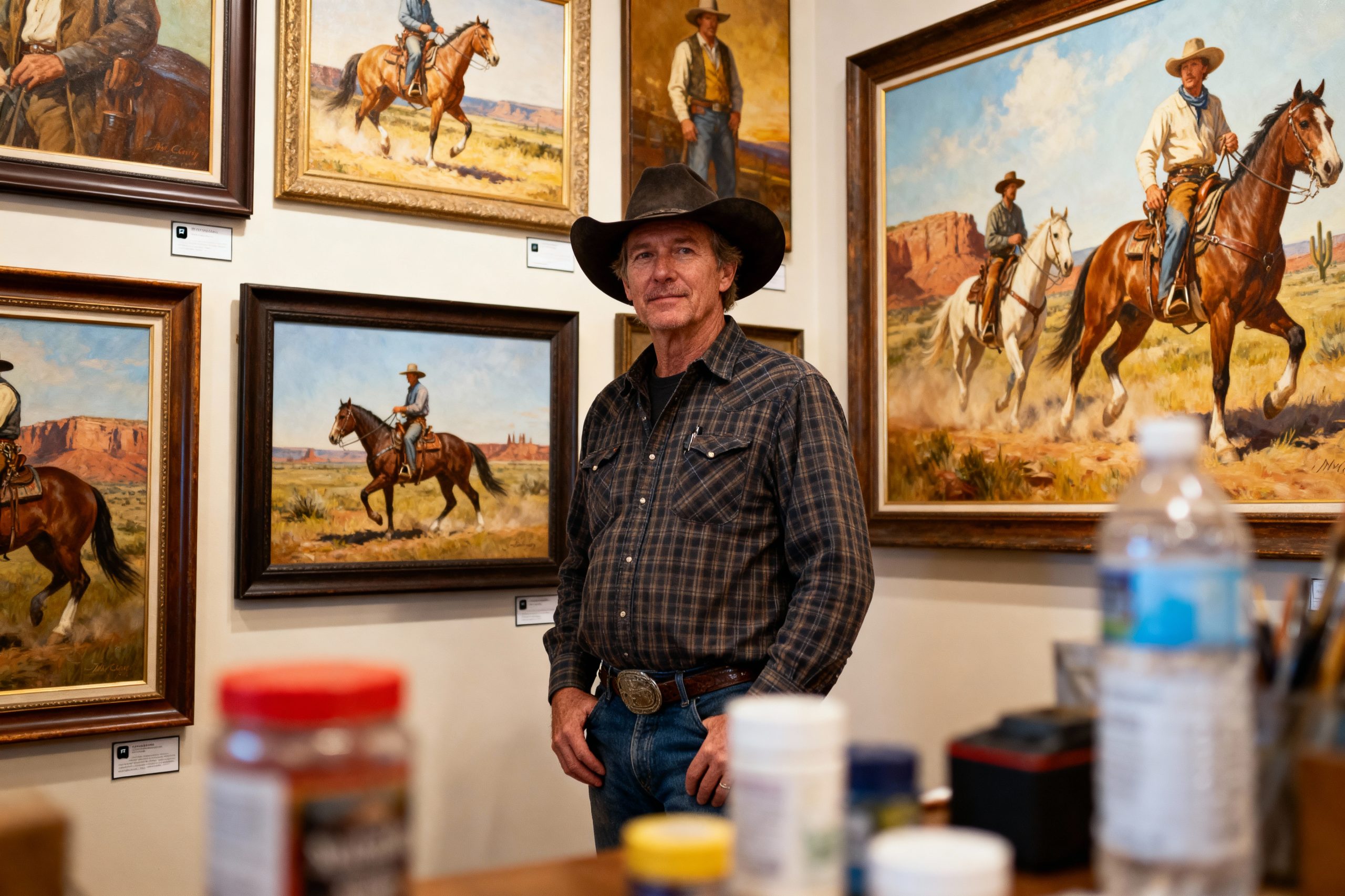
William de la Montagne Cary’s reputation as a skilled Western artist directly drives the market value of his paintings and illustrations. His detailed depictions of Native American life, frontier scenes, and Western landscapes make his works highly sought after by collectors who value historical accuracy and artistic merit.
The rarity of Cary’s original works plays a major role in pricing. Since he lived from 1840 to 1922 and created most of his significant pieces during the late 1800s, authentic paintings are becoming increasingly scarce. This scarcity, combined with his growing recognition among art historians, continues to push values upward in auction houses and private sales.
Cary’s historical significance also boosts his artwork’s worth. His firsthand experience traveling West and documenting frontier life gives his paintings an authenticity that mass-produced Western art cannot match. Collectors appreciate owning pieces that capture genuine moments from America’s expansion period, making wm cary works particularly valuable to museums and private collectors alike.
What makes Cary’s western landscapes valuable to collectors?
Distinctive subject matter and historical context
Cary’s Western scenes stand out because they show real frontier life rather than romanticized versions. His paintings often feature Native American tribes, buffalo hunts, and pioneer encounters that he witnessed during his travels. This authentic documentation of the American West appeals strongly to collectors who want historically accurate artwork.
The cultural importance of his subject matter cannot be overstated. Cary painted during a time when the American frontier was rapidly changing, and his works serve as visual records of a disappearing way of life. About 70% of serious Western art collectors specifically seek pieces that document this historical period, making Cary’s works particularly desirable.
Artistic technique and medium
Cary’s technical skills shine through in his attention to detail and use of color. He worked primarily in oil paints and watercolors, creating rich textures and realistic lighting that bring his Western scenes to life. His background as a magazine illustrator taught him to capture dramatic moments effectively.
The quality of his brushwork and composition sets his paintings apart from other Western artists of his era. Cary understood how to balance action with peaceful landscape elements, creating works that tell complete stories. His ability to paint both intimate camp scenes and sweeping prairie vistas demonstrates the versatility that collectors value highly.
How provenance and attribution affect Cary’s sale prices
The documented history of a Cary painting significantly impacts its final sale price. Works with clear ownership records, exhibition history, and expert authentication typically sell for 30% to 50% more than pieces with questionable backgrounds. Auction houses and dealers place enormous emphasis on provenance documentation.
Proper attribution becomes crucial when dealing with Cary’s works because several contemporary artists painted similar Western themes. Signed pieces naturally command higher prices, but even unsigned works can be valuable if experts can definitively link them to Cary through style analysis and historical records.
Previous ownership by notable collectors or inclusion in museum exhibitions adds substantial value. A painting that appeared in a major Western art exhibition or was owned by a prominent collector often sells for significantly more than similar works without such distinguished histories.
Notable works that frequently appear at auction and their price ranges
Meeting on the Plains (c. 1874) and other high-profile pieces
« Meeting on the Plains » represents one of Cary’s most recognizable compositions and regularly appears at auction houses specializing in American art. Recent sales of this work have ranged from $10,000 to $20,000, depending on the painting’s condition and size.
Other frequently auctioned pieces include « Rainbow in the West, » « Indian Encampment, » and « Return of the Hunting Party. » These works consistently attract bidders because they showcase Cary’s signature style of combining dramatic action with authentic Western details. The storytelling quality in these paintings appeals to both art collectors and Western history enthusiasts.
Price ranges by period and condition
Cary’s works from different periods command varying prices based on their historical significance and artistic maturity. His earlier pieces from the 1870s, when he was actively traveling West, often fetch the highest prices due to their documentary value and artistic vigor.
Condition plays a massive role in determining final sale prices. We typically see the following price ranges for Cary works:
- Excellent condition pieces: $15,000 to $25,000
- Good condition with minor restoration: $8,000 to $15,000
- Fair condition requiring conservation: $3,000 to $8,000
- Poor condition or heavily damaged: $1,000 to $3,000
Where to find reliable Cary works today and how to compare galleries
Reputable art galleries specializing in 19th-century American art offer the most reliable sources for authentic Cary paintings. These establishments typically provide detailed condition reports, provenance documentation, and expert authentication before offering works for sale.
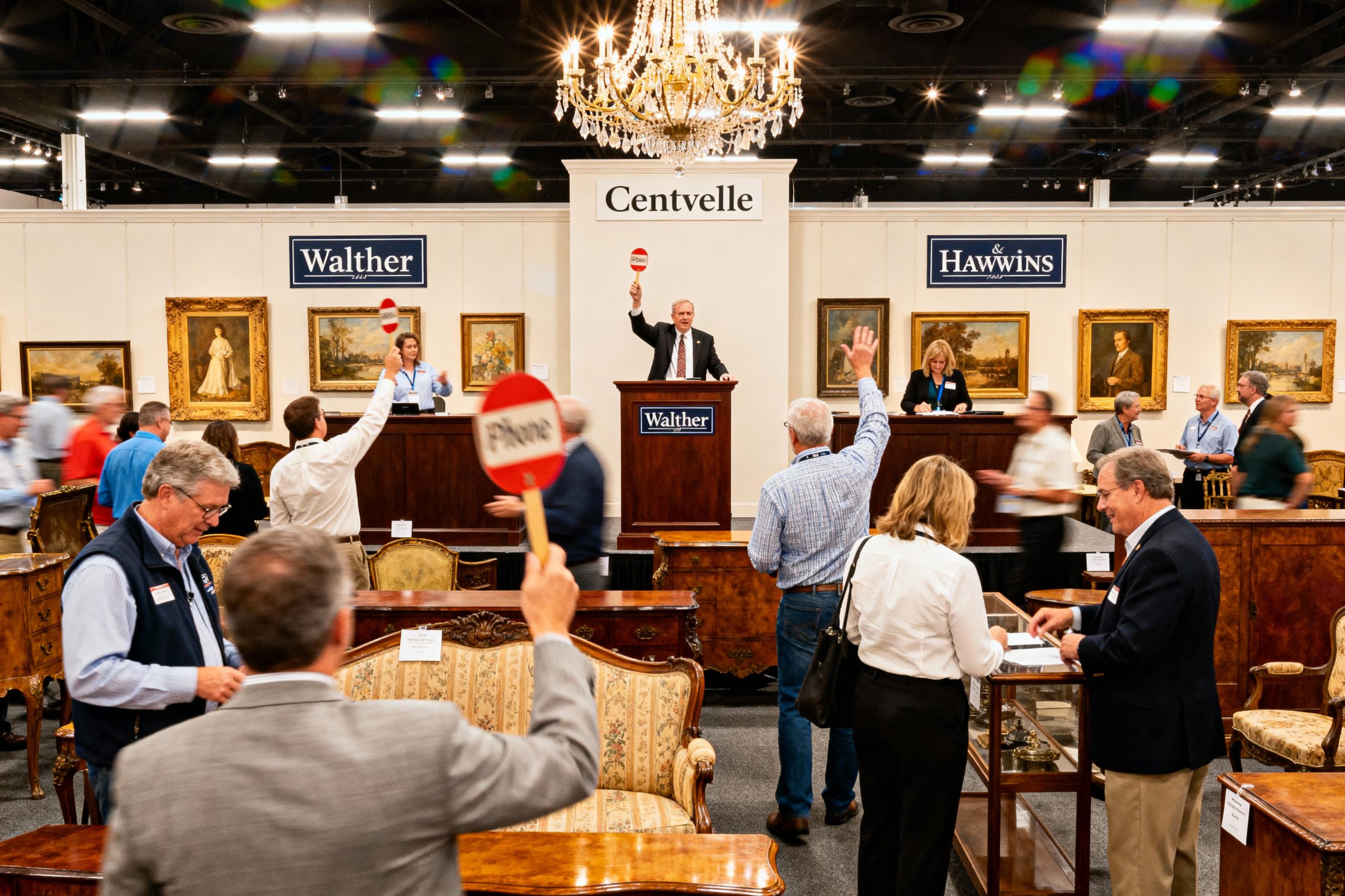
Major auction houses like those in New York and regional centers regularly feature Cary works in their American art sales. We recommend reviewing auction catalogs carefully and attending preview exhibitions to examine pieces in person before bidding.
Online platforms from established dealers can be trustworthy, but buyers should demand high-resolution images, detailed condition reports, and clear return policies. Comparing multiple sources helps identify fair market prices and avoid overpriced or questionable attributions.
When evaluating galleries, look for dealers who specialize in Western art and can provide expert opinions on authenticity. The best galleries will offer guarantees of attribution and allow independent expert examination before purchase.
Care, conservation, and authentication tips for Cary’s artworks
Proper conservation begins with appropriate storage and display conditions. We advise using UV-protective glazing and maintaining stable temperature and humidity levels to preserve the integrity of Cary’s oil and watercolor works.
Professional cleaning and restoration should only be performed by conservators experienced with 19th-century American paintings. DIY cleaning attempts can permanently damage original paint layers and significantly reduce a painting’s value.
Authentication requires careful examination of signatures, painting techniques, and historical context. Cary’s signature style and brushwork patterns are well-documented, making expert analysis possible even for unsigned works. We suggest consulting with appraisers who specialize in American Western art and can compare potential purchases with established catalog records.
Buyers should be particularly cautious of reproductions and prints being sold as original paintings. High-quality photographs and magnification can help identify the difference between original brushwork and mechanical reproduction techniques.
FAQ
How does wm cary influence the value of his artworks?
wm cary influences the value of his artworks through his reputation as a skilled Western artist. His detailed representations of Native American life and frontier scenes, along with their rarity, significantly drive market demand, leading to higher prices for his works.
What is William Lucius Cary known for?
William Lucius Cary is known for being the chairman of the U.S. Securities and Exchange Commission from 1961 to 1963. He played a significant role in regulating the securities industry and was influential in defining modern financial practices in the U.S.
What makes Cary’s western landscapes valuable to collectors?
Cary’s western landscapes are valuable to collectors due to their distinctive subject matter and historical context. His authentic depictions of real frontier life resonate with collectors seeking historically accurate art, making them particularly desirable in the market.
How provenance and attribution affect Cary’s sale prices?
Provenance and attribution are crucial as they significantly affect Cary’s sale prices. Provenance documentation enhances value, as works with confirmed ownership histories often sell for 30% to 50% more than those without clear records, emphasizing the importance of authenticity.
Where to find reliable Cary works today?
Finding reliable Cary works today involves looking at reputable art galleries that specialize in 19th-century American art. These galleries typically offer authentic pieces, along with detailed condition reports and provenance documentation to ensure buyers of their quality.
How to care for Cary’s artworks?
Caring for Cary’s artworks requires appropriate storage and display conditions. Using UV-protective glazing and maintaining controlled temperature and humidity levels helps preserve the integrity of his oil and watercolor works, ensuring their longevity and value.

John has been passionate about furniture and interior design for over a decade, combining his love for vintage pieces with modern styling techniques. After years of helping friends transform their spaces and restoring countless furniture finds, he started this blog to share his expertise and inspire others to create homes they truly love. When he’s not writing or hunting for unique pieces at estate sales, you’ll find him refinishing a mid-century dresser or experimenting with new room layouts in his own ever-evolving home.