Got valuable antiques gathering dust in your home? Finding the right buyer naturally makes the difference between a quick sale and getting top dollar for your treasured items. This complete guide reveals who buys antiques in your area, from local dealers offering instant cash to online platforms reaching collectors worldwide, plus insider tips to maximize your profits and avoid common selling mistakes.
Who buys antiques and where to find them?
Who buys antiques includes professionals, antique dealers, and specialty shops that operate primarily on a local or regional basis. These buyers actively seek vintage furniture, jewelry, art, and collectibles from individuals looking to sell their treasured items.
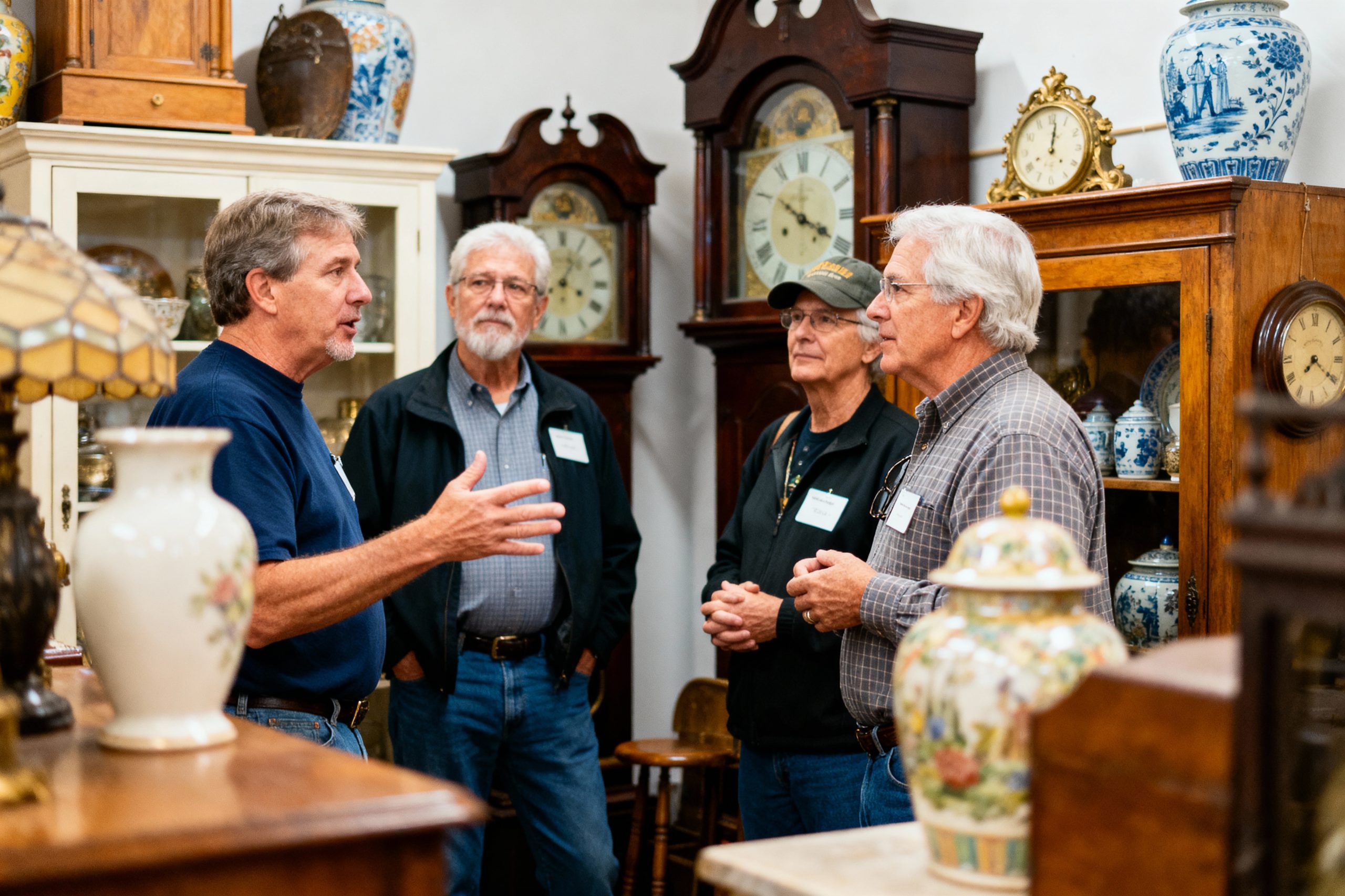
Local antique dealers represent your most accessible option for selling antiques directly. They often purchase items through in-person appraisals or convenient in-home visits. These professionals understand the local market and can provide immediate cash offers.
Estate liquidators and specialized antique companies also purchase collections from homeowners. Many of these buyers focus on specific categories like vintage furniture or collectible items, making them ideal for targeted sales.
Explore local antique dealers and shops
Benefits of selling to local antique dealers
Local antique dealers offer several advantages that make them attractive buyers for your vintage items. They provide immediate payment without waiting periods, which appeals to sellers needing quick transactions.
These dealers bring expertise to evaluate your items accurately. They can spot authentic pieces and understand current market values better than general buyers. This knowledge protects you from undervaluing your antiques.
Working with local dealers eliminates shipping risks and costs associated with online sales. You can meet face-to-face, build relationships, and potentially establish ongoing business connections for future sales.
How to choose a reputable antique dealer
Research potential dealers by checking their business history and customer reviews. Look for dealers who specialize in your type of antiques, as they typically offer better prices for items in their expertise area.
Visit their shops to assess their professionalism and inventory quality. Reputable dealers maintain clean, organized spaces and can provide references from previous clients. We recommend asking about their evaluation process and fee structure upfront.
Verify their credentials through local business bureaus or antique dealer associations. Professional dealers often hold memberships in trade organizations that require ethical business practices.
Sell through consignment shops
How consignment shops operate
Consignment shops sell items on behalf of owners while taking a percentage of the final sale price as their commission. You retain ownership of your antiques until they sell, giving you more control over the process.
These shops display your items in their physical stores or online platforms to attract targeted collectors. The consignment period typically ranges from 30 to 90 days, depending on the shop’s policies.
When your antique sells, the shop contacts you with payment minus their agreed-upon commission. Most consignment shops handle all customer interactions, payment processing, and item security during the selling period.
Pros and cons of consignment selling
| Pros | Advantages |
|---|---|
| Exposure to targeted collectors | Higher potential sale prices |
| No upfront costs | Professional presentation |
| Cons | Disadvantages |
| Commission fees reduce profits | Limited control over pricing |
| Longer selling timeframes | No guaranteed sales |
Consignment shops excel at reaching collectors willing to pay premium prices for quality antiques. This exposure often results in better returns than quick sales to dealers.
The main drawback involves waiting for the right buyer while paying commission fees that can range from 30% to 50% of the sale price. Some sellers prefer guaranteed immediate payment over potentially higher consignment profits.
Online platforms for selling antiques
Who buys antiques online?
Online antique buyers include individual collectors, interior designers, and resellers searching for specific pieces. eBay attracts buyers for items with high demand or collectible status, while Etsy appeals to those seeking vintage and unique pieces.
Ruby Lane specializes in antiques and attracts serious collectors willing to pay fair market prices. These platforms connect you with buyers nationwide, expanding your potential customer base beyond local markets.
Interior designers frequently shop online for client projects, often purchasing multiple items at once. Collectors use online platforms to find rare pieces they cannot locate locally.
Tips for successful online selling
High-quality photography makes the difference between successful sales and ignored listings. Take multiple photos showing different angles, close-ups of details, and any flaws or damage.
Write clear, detailed descriptions including measurements, materials, age estimates, and condition notes. Buyers cannot physically examine items online, so thorough descriptions build trust and reduce returns.
Research platform fees before listing items. eBay charges listing fees plus final value fees, while other platforms have different structures. Factor these costs into your pricing strategy to maintain profit margins.
- Use proper lighting for photography sessions
- Include size references like coins or rulers in photos
- Research similar sold items for competitive pricing
- Respond quickly to buyer questions
- Package items securely for shipping
Find local auction houses
How to approach auctioning your antiques
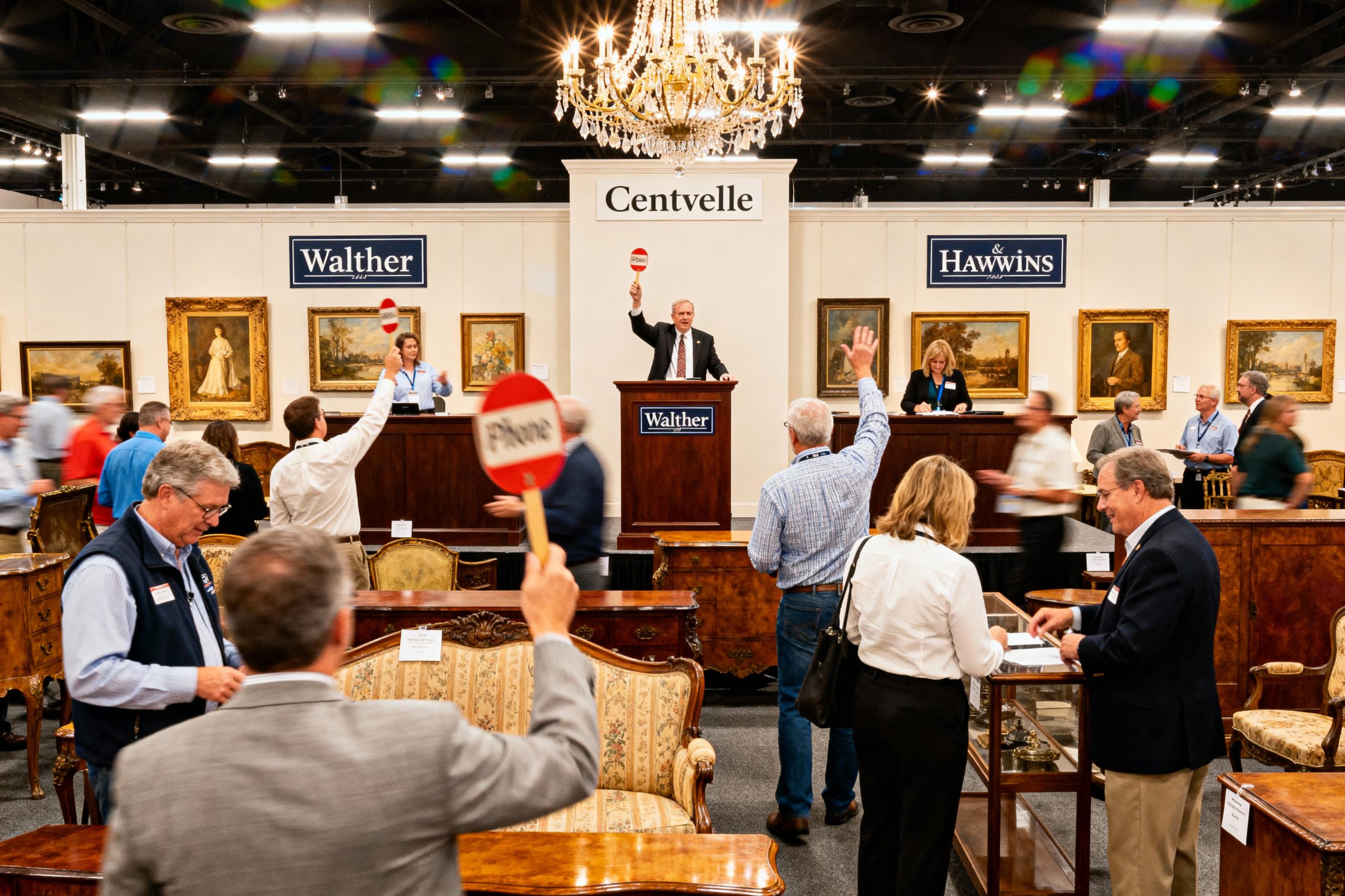
Auction houses represent the preferred choice for high-value or collectible antiques that might attract competitive bidding. Start by researching reputable auction firms in your area that specialize in your item categories.
Contact auction houses to discuss consigning your items for upcoming auction events. Most require photos and basic information before scheduling in-person evaluations of your antiques.
Auction houses typically charge seller’s premiums ranging from 10% to 25% of the hammer price. We suggest comparing fees and terms among different auction houses before making commitments.
Maximizing profits at auction
Timing plays a crucial role in auction success. Schedule your items for auctions when similar pieces are in demand or during peak collecting seasons for your specific categories.
Item condition significantly impacts final sale prices. Clean and restore your antiques appropriately, but avoid over-restoration that might reduce authenticity value.
Understanding the auction house’s customer base helps set realistic expectations. Some houses attract high-end collectors while others serve more general audiences with different spending patterns.
Antique buyers that come to your home
Advantages of in-home appraisals
In-home appraisals offer convenience and reduce risks of damage during transportation to dealers or auction houses. Professional appraisers come to your location, eliminating the need to move fragile or heavy antiques.
These services provide privacy for sellers who prefer not to disclose their collections publicly. You can evaluate multiple items during single appointments, saving time and effort.
Expert appraisers deliver accurate valuations while allowing you to learn about your items’ history and significance. This educational aspect adds value beyond simple price estimates.
What to expect during an in-home appraisal
Prepare documentation such as purchase receipts, family history, or previous appraisals before the appraiser arrives. Clean your antiques gently and arrange them for easy viewing to facilitate accurate evaluations.
Typical appointments last 30 minutes to 1 hour, depending on the number of items being evaluated. Professional appraisers examine condition, authenticity, and market demand factors during their assessments.
Reputable appraisers explain their evaluation process and provide written reports detailing their findings. Some offer purchase options immediately, while others focus solely on appraisal services for a fee.
Tips for evaluating your antiques’ worth
Understanding market trends
Current market demand varies significantly among antique categories. Vintage furniture, jewelry, and art remain popular, while certain collectibles experience cyclical demand patterns.
Research online marketplaces to observe pricing trends for similar items. Check completed sales rather than current listings to understand actual market values rather than asking prices.
We recommend consulting with trusted antique dealers who track market movements regularly. Their insights help you time sales for maximum returns and avoid selling during low-demand periods.
Factors that influence antique appraisal value
Condition represents the most critical factor affecting antique values. Items in excellent condition command significantly higher prices than damaged or heavily worn pieces.
Provenance, or ownership history, adds considerable value to certain antiques. Documented connections to famous people, historical events, or notable makers increase desirability among collectors.
Rarity and current market demand directly impact pricing. Even common items can become valuable if demand exceeds supply, while rare pieces might struggle if collector interest wanes.
Material worth, particularly precious metals or stones, provides baseline values regardless of antique significance. Gold, silver, and gemstone content ensures minimum value floors for jewelry and decorative items.
FAQ
Where is it best to sell antiques?
Antiques are best sold through local antique shops, auction houses, consignment stores, and online marketplaces. Each option has its pros and cons, but local dealers provide immediate cash, while online platforms can reach broader audiences for better prices.
How do I find out if my antiques are worth anything?
To find out if your antiques are worth anything, you can research their market value through online marketplaces and auction sites. Consulting with antique dealers or appraisers can also provide accurate evaluations based on condition, rarity, and demand.
How do you sell antiques and not get ripped off?
To sell antiques and not get ripped off, it’s essential to research potential buyers and understand market values. Transparency in pricing and working with reputable dealers or well-reviewed online platforms helps ensure fair transactions without exploitation.
What antiques are currently in high demand?
Antiques currently in high demand include vintage furniture, decorative art, and collectible jewelry. Categories like mid-century modern pieces and specific collectibles such as rare toys or coins often attract enthusiastic buyers and offer strong returns.
Who typically buys antiques?
Who typically buys antiques includes collectors, interior decorators, and vintage enthusiasts. These buyers appreciate historical craftsmanship and often seek unique or high-value items for personal collections or resale purposes.
Where can I sell antiques to interested buyers?
You can sell antiques to interested buyers through local antique shops, consignment stores, auction houses, and online platforms like eBay and Ruby Lane. Each option presents different advantages based on your items and desired selling strategies.

John has been passionate about furniture and interior design for over a decade, combining his love for vintage pieces with modern styling techniques. After years of helping friends transform their spaces and restoring countless furniture finds, he started this blog to share his expertise and inspire others to create homes they truly love. When he’s not writing or hunting for unique pieces at estate sales, you’ll find him refinishing a mid-century dresser or experimenting with new room layouts in his own ever-evolving home.