Finding where to sell antiques can feel overwhelming when you have valuable items to turn into cash. You have many great choices today, from online sites that reach buyers worldwide to local shops that offer quick deals. Each option works differently – some take more time but might get you higher prices, while others give you fast cash right away. The best choice depends on what you’re selling, how quickly you need money, and how much work you want to do.
Where to sell antiques: What are the best options available?
When you need to know where to sell antiques, you have several excellent options to turn your treasures into cash. The best places include online marketplaces like eBay, Etsy, and Ruby Lane, local antique shops and flea markets, community sales events, and direct sales to antique dealers who offer cash purchases.
Each option comes with its own advantages and challenges. Online platforms give you access to millions of potential buyers worldwide, while local venues offer quick cash transactions without shipping hassles. Antique dealers can provide immediate cash offers, especially when you’re selling multiple items at once.
The choice depends on your timeline, the type of antiques you’re selling, and how much effort you want to put into the process. Rare collectibles might perform better on specialized platforms, while common household antiques could sell faster at local markets.
Explore online selling platforms for antiques
Online marketplaces have revolutionized antique selling by connecting you with collectors and buyers across the globe. These platforms work around the clock, giving your items constant exposure to potential buyers who are actively searching for specific pieces.
Ruby Lane stands out as a specialized marketplace for antiques and vintage collectibles. This platform attracts serious collectors willing to pay premium prices for quality items. They offer categories for dolls, porcelain, jewelry, furniture, and household items, with dedicated customer service to support your sales.
The platform charges monthly subscription fees plus sales commissions, but many sellers find the investment worthwhile due to the targeted collector audience. Ruby Lane maintains strict seller requirements, which helps maintain quality standards and buyer confidence throughout the marketplace.
How to choose the right platform for your antiques
Selecting the right platform requires matching your antiques to the right audience. High-end collectibles perform well on Ruby Lane, where collectors expect to find quality pieces and are willing to pay accordingly for authenticated items.
eBay works excellently for a wide range of antiques, from common items to rare finds. The auction format can drive up prices for desirable pieces, while the « Buy It Now » option provides quick sales at fixed prices. eBay’s massive user base of over 180 million active buyers gives your items tremendous exposure.
Etsy caters more to vintage and handmade items with lower listing fees. This platform works best for decorative antiques, vintage clothing, and smaller collectibles rather than high-end furniture or expensive artwork.
The benefits of using online marketplaces
Online platforms provide detailed listing capabilities with multiple photos and comprehensive descriptions. This allows you to showcase your antiques properly and tell their story, which collectors appreciate when making purchasing decisions.
These marketplaces offer built-in buyer and seller protections that reduce transaction risks. Payment processing, dispute resolution, and feedback systems create trust between parties who may never meet in person.
You also get access to seller tools and analytics that help you understand market trends, track your performance, and adjust pricing strategies. Many platforms provide suggestions for improving your listings and reaching more potential buyers.
Local options for selling antiques effectively
Local selling venues offer unique advantages for antique sellers who prefer face-to-face transactions. These options eliminate shipping concerns, reduce fees, and often provide immediate payment upon sale.
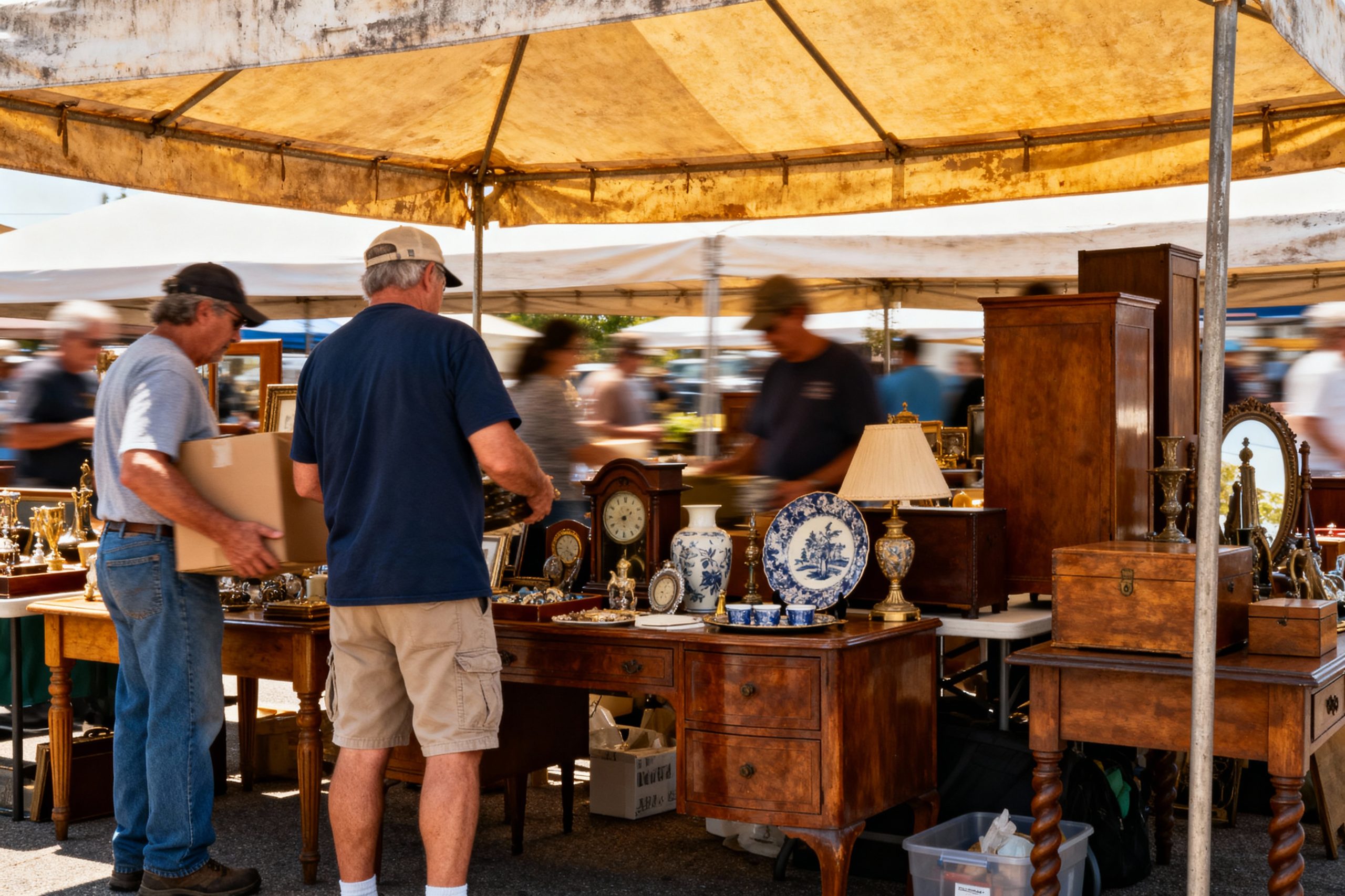
Your local antique community includes established shops, regular flea markets, and seasonal events that attract both casual browsers and serious collectors. Building relationships within this community can lead to repeat customers and referrals for future sales.
Benefits of local antique shops and flea markets
Antique shops often purchase items outright or accept them on consignment. Cash purchases provide immediate payment without waiting for online auctions to end or buyers to complete transactions through digital platforms.
Shop owners understand local market preferences and can price items appropriately for the area. They handle all customer interactions, negotiations, and final sales, saving you time and effort in the selling process.
Flea markets allow direct selling to buyers without platform fees eating into your profits. You set your own prices, negotiate directly with interested buyers, and keep all proceeds from successful sales.
These venues also let you test market response to your items. If something doesn’t sell at a flea market, you might reconsider your pricing or try a different selling approach before investing in online listings.
How to leverage community sales events
Research local event calendars to find the best opportunities for your antiques. Estate sales, craft fairs, and seasonal markets often welcome antique vendors, especially those with unique or locally relevant items.
We advise setting clear, reasonable prices and bringing proper display materials to make your items attractive to browsers. Good presentation can significantly impact sales success at community events where buyers make quick decisions.
Successful community selling requires preparation and strategy:
- Arrive early to secure good display locations
- Bring appropriate change and payment processing options
- Research comparable prices beforehand to price competitively
- Prepare to negotiate, as buyers expect some flexibility at these events
- Have proper wrapping materials for fragile items
Getting cash offers from antique dealers
Antique dealers represent one of the most straightforward options for where to sell antiques when you need quick cash. These professionals buy items directly for resale in their shops, eliminating the uncertainty of auctions or online listings.
We recommend consulting multiple local dealers to compare offers, as different dealers specialize in various types of antiques. A dealer who focuses on furniture might offer more for your antique desk than someone who primarily handles jewelry and small collectibles.
Building relationships with reputable dealers in your area can lead to ongoing opportunities. Many dealers prefer working with sellers they know and trust, especially when purchasing items in bulk or handling estate sales.
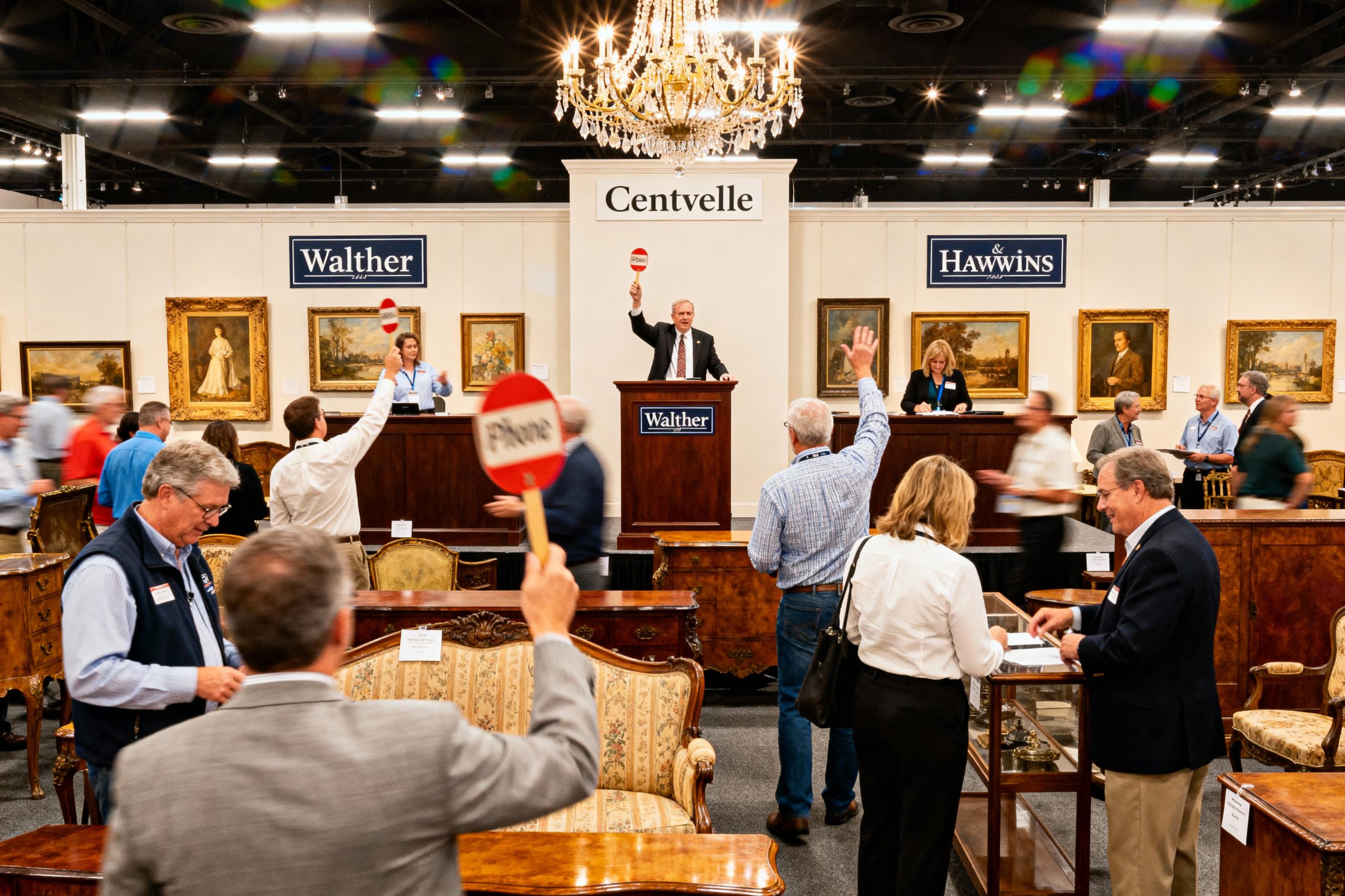
Visiting antique dealer shows or browsing local shops helps you understand which dealers might be interested in your specific items. Some dealers actively seek certain pieces and may offer premium prices for items that fit their current inventory needs.
Tips for maximizing the value of your antiques before selling
Preparation significantly impacts the final sale price of your antiques. Proper cleaning and presentation can increase buyer interest and justify higher asking prices, but be careful not to damage original finishes or remove patina that adds to authenticity.
Getting professional appraisals from certified appraisers provides concrete value documentation that buyers trust. This investment often pays for itself through higher sale prices, especially for valuable or unusual pieces.
Research comparable sales on various platforms to establish realistic pricing expectations. Look for similar items that actually sold, not just listed prices, to understand current market values accurately.
High-quality photos and detailed descriptions attract serious buyers who appreciate transparency. Include information about provenance, condition issues, measurements, and any historical significance that adds value to the piece.
We advise avoiding overpricing initially, as this can cause your items to sit unsold while similar pieces at better prices find buyers. Start with reasonable prices to generate interest, then negotiate from a position of buyer engagement.
Consider these value-maximizing strategies:
- Keep all original documentation, receipts, and certificates of authenticity
- Photograph items in good lighting from multiple angles
- Research the maker, age, and historical context of your pieces
- Consider professional restoration only if it will significantly increase value
- Time your sales to coincide with seasonal demand or relevant anniversaries
FAQ
What is the best way to sell antiques?
The best way to sell antiques involves assessing your items, choosing the right marketplace, and presenting them attractively. Online platforms like eBay and Ruby Lane provide wide exposure, while local venues offer quick cash transactions. Research and preparation can enhance your selling success.
What is the best marketplace to sell antiques?
The best marketplace to sell antiques depends on your items. eBay is ideal for a wide range, Ruby Lane caters to high-end collectors, and Etsy focuses on vintage goods. Evaluating your antiques’ type and potential audience will help you select the perfect platform for sales.
How do I find out if my antiques are worth anything?
To find out if your antiques are worth anything, consider getting professional appraisals, researching comparable sales online, and examining auction results. These approaches provide valuable insight into market demand, helping you set realistic prices for your items.
What antiques are currently in high demand?
Antiques that are currently in high demand include mid-century modern furniture, vintage jewelry, and collectible toys. Trends can shift, so staying informed about market preferences and collector interests is essential for pricing and selling effectively.
Where are the best places to sell antiques online?
The best places to sell antiques online include eBay, Etsy, and Ruby Lane. eBay offers vast exposure, Etsy focuses on vintage and handmade items, while Ruby Lane attracts serious collectors. Each platform has unique advantages for antique sellers.
Are there risks involved in selling antiques online?
Yes, there are risks involved in selling antiques online, including potential fraud, buyer disputes, and shipping damages. To minimize these risks, ensure clear item descriptions, use secure payment methods, and package items carefully to protect them during transit.

John has been passionate about furniture and interior design for over a decade, combining his love for vintage pieces with modern styling techniques. After years of helping friends transform their spaces and restoring countless furniture finds, he started this blog to share his expertise and inspire others to create homes they truly love. When he’s not writing or hunting for unique pieces at estate sales, you’ll find him refinishing a mid-century dresser or experimenting with new room layouts in his own ever-evolving home.