Finding the perfect vintage accent chair can feel overwhelming with so many styles, eras, and price points to consider. Whether you’re decorating a cozy apartment or a spacious home, the right vintage piece naturally becomes more than just seating—it transforms your space into something special. This guide cuts through the confusion by showing you exactly what makes certain vintage chairs worth buying, how to spot authentic pieces, and where to find the best deals from trusted sellers.
What features define a standout chair for living spaces?
A vintage accent chair transforms any room with its unique blend of character, craftsmanship, and timeless appeal. These pieces bring soul and scale to interiors while becoming quietly commanding focal points that speak to decades of design evolution.
Quality craftsmanship stands as the most important feature distinguishing exceptional vintage chairs. Look for solid wood construction, hand-carved details, and joints that remain sturdy after years of use. Authentic vintage materials like genuine leather, rich velvets, or original hardware create an unmistakable presence that modern reproductions struggle to match.
Size and proportion play crucial roles in making a chair truly standout. The best vintage pieces offer perfect scale for their intended spaces, with seat heights typically ranging from 16 to 18 inches and overall dimensions that complement rather than overwhelm room layouts. French wood and rush armchairs, for instance, provide elegant lines without visual bulk.
Distinctive design elements from specific eras give vintage chairs their magnetic appeal. Art Deco curves, mid-century tapered legs, or Italian leather’s supple texture each tell stories of their time periods while remaining relevant today.
How to style a vintage accent chair in modern interiors
Pairing vintage seating with contemporary decor creates dynamic visual tension that elevates both old and new elements. The secret lies in balancing proportions and choosing complementary rather than competing styles throughout your space.
Start by selecting one vintage piece as your room’s anchor, then build around it with modern elements that enhance rather than clash. A 1960s Italian leather lounge chair pairs beautifully with sleek glass tables and minimalist lighting, creating conversation between different design philosophies.
Color coordination makes or breaks vintage integration. Neutral vintage chairs in beige or cream blend seamlessly with modern palettes, while bold pieces in purple or with floral patterns need careful consideration of surrounding colors and textures.
Texture mixing adds depth and interest to vintage-modern combinations. Smooth leather chairs contrast nicely with contemporary metal fixtures, while woven rattan or bamboo seating softens industrial modern elements like exposed brick or concrete surfaces.
Key styles and eras that shape vintage chairs today
The 1920s Art Deco movement produced some of the most coveted vintage seating designs. Bentwood reclining armchairs from this era feature geometric patterns and luxurious materials that remain highly collectible today. Thonet’s innovative steam-bending techniques created chairs that were both artistic and functional.
Mid-century modern design from the 1950s and 1960s continues influencing contemporary furniture choices. Danish modern models with their clean lines and organic curves, along with Italian leather loungers, represent this era’s emphasis on both comfort and visual sophistication.
The 1940s brought Charlotte Perriand-inspired French designs that emphasized natural materials and sculptural forms. These chairs often feature rush seating and solid wood frames that have aged beautifully over decades of use.
1970s eclectic styles introduced rattan and bamboo seating that brought natural textures indoors. This era’s experimental approach to materials and forms created unique pieces that stand out in today’s more uniform furniture landscape.
Tips for selecting authentic vintage pieces for your home
Authenticity verification requires careful inspection of construction details, materials, and design elements. Original hardware, proper joinery techniques, and period-appropriate finishes distinguish genuine vintage pieces from modern reproductions.
Examine the chair’s structural integrity before making any purchase. Check for loose joints, cracked wood, or worn mechanisms that might require expensive repairs. Quality vintage pieces should feel solid despite their age, with any wear patterns appearing natural and consistent.
Provenance documentation adds value and authenticity assurance. Seek pieces with clear histories, original sales receipts, or designer attribution when possible. Reputable dealers often provide certificates of authenticity for higher-value items.
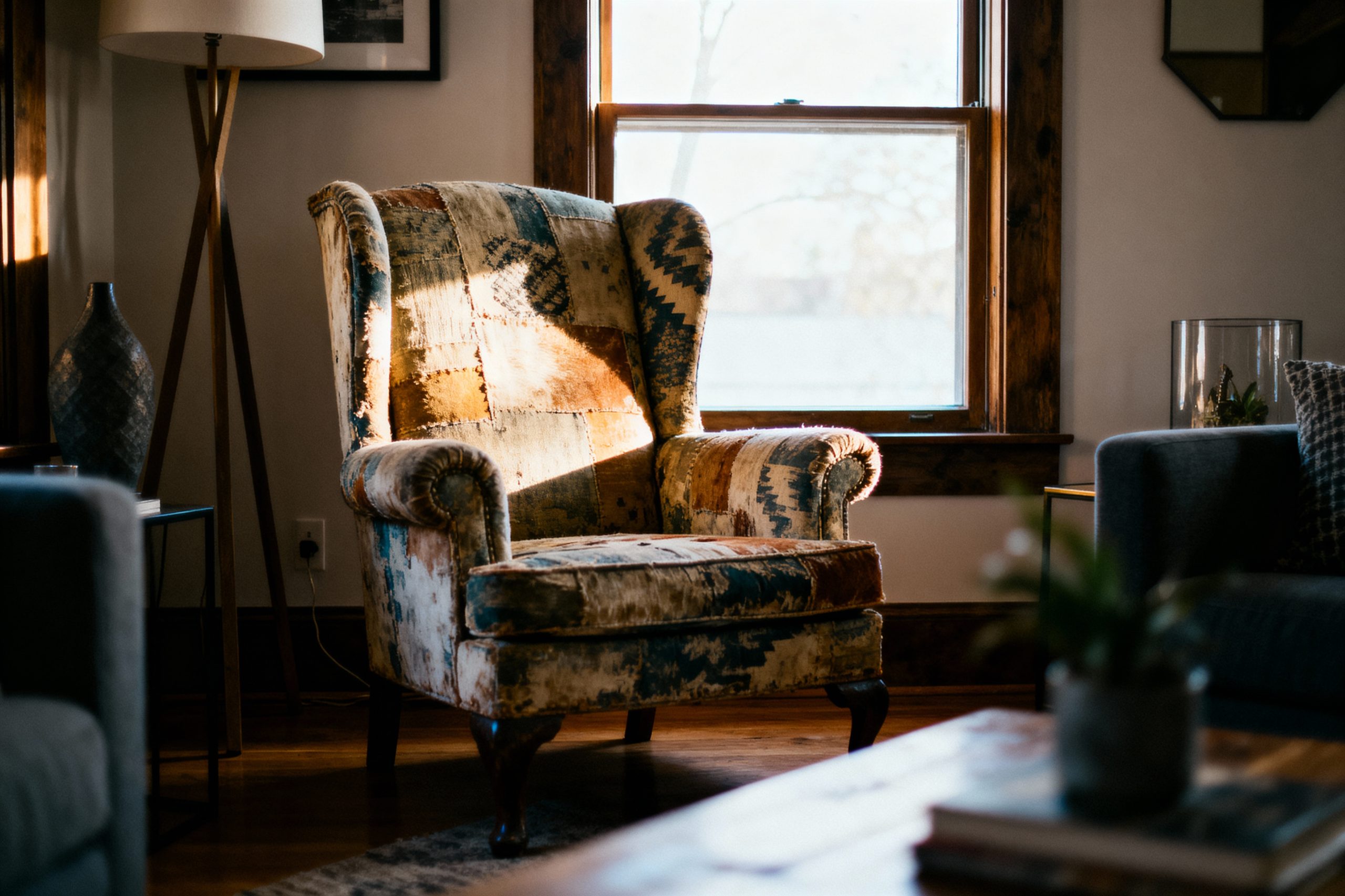
We advise inspecting upholstery carefully, as reupholstering can significantly impact both cost and authenticity. Original fabrics in good condition command premium prices, while well-executed period-appropriate restorations maintain value better than modern fabric choices.
- Check for maker’s marks or stamps on frames and hardware
- Research the specific design era and typical construction methods
- Verify that all components appear original to the piece
- Ask about any restoration work and request documentation
- Compare prices across multiple sources for similar pieces
Where to shop: top sources from the latest vintage listings
Specialized vintage furniture platforms offer curated selections with detailed condition reports and authenticity guarantees. Shopify-based vintage shops provide convenient online browsing with professional photography that reveals important details about each piece.
Furnish Green and Badlands Vintage maintain reputations for quality vintage seating, featuring everything from Westnofa Norwegian designs to Milo Baughman classics. These established dealers often provide condition reports and return policies that protect buyers.
Local vintage shops offer hands-on inspection opportunities that online shopping cannot match. Building relationships with local dealers can lead to early access to exceptional pieces before they reach wider markets.
Recent market listings show vintage chairs ranging from $78 for smaller, lesser-known styles to upwards of $817 for designer pieces or extensively restored items. B&B Italia and Thayer Coggin pieces typically command higher prices due to their enduring popularity and limited availability.
vintage accent chairs: styling ideas for small spaces
Small spaces benefit from vintage accent chair selections that maximize visual impact while maintaining practical proportions. Choose pieces with lighter profiles, slim arms, or elevated bases that create the illusion of more floor space.
French wood and rush armchairs excel in compact rooms because their open construction allows light to flow through, preventing visual weight that solid upholstered pieces might create. Danish modern designs often feature tapered legs that lift the visual mass off the floor.
Strategic placement near windows or corners can make small vintage chairs appear intentional rather than cramped. Pairing with minimalistic side tables or floor lamps creates functional vignettes that don’t overwhelm limited square footage.
We recommend avoiding oversized vintage pieces in small spaces, regardless of how appealing they might be. A perfectly proportioned smaller chair will always look better than a cramped larger one, even if the larger piece has more impressive design credentials.
choosing fabric and finishes that age gracefully
High-quality leather develops the most desirable patina over time, with full-grain cognac leather being particularly prized for its rich aging characteristics. Velvet upholstery in deep colors maintains its luxury appearance while showing minimal wear patterns when properly maintained.
Boucle fabrics hide minor wear exceptionally well due to their textured surfaces, making them practical choices for frequently used seating. Floral vinyl from certain eras has developed cult followings, though it requires different care approaches than natural materials.
Natural wood finishes respond beautifully to careful maintenance, developing deeper tones and subtle variations that enhance character over decades. Original lacquer finishes from mid-century pieces often show minor crazing that adds rather than detracts from their authentic appeal.
We advise selecting pieces where any existing wear appears consistent with normal use rather than neglect or damage. Well-maintained vintage chairs should show gentle aging that enhances rather than diminishes their original design intentions.
Frequently Asked Questions
What are vintage and antique chair styles?
Vintage and antique chair styles include many historical designs showcasing specific traits. For instance, Queen Anne chairs feature graceful curves, while Windsor chairs emphasize spindle backs. Art Deco chairs, known for bold shapes, reflect the 1920s-30s, and Louis XVI chairs exhibit classical motifs.
What defines an accent chair?
An accent chair is defined as a single-seat chair that adds visual impact to a room. Accent chairs are distinct from other furnishings by design and style, serving primarily as decorative focal points while providing additional seating.
What features define a standout chair for living spaces?
A standout chair for living spaces features quality craftsmanship, including solid wood construction and hand-carved details. Size and proportion are crucial, with seat heights ranging from 16 to 18 inches, ensuring that the chair complements the room without overwhelming it.
How can I style a vintage accent chair in modern interiors?
Styling a vintage accent chair in modern interiors involves selecting it as the room’s focal point and pairing it with contemporary decor. Balancing proportions with complementary styles and color coordination enhances both vintage and modern elements harmoniously.
What tips should I follow for selecting authentic vintage pieces?
When selecting authentic vintage pieces, look for quality construction details, such as original hardware and proper joinery techniques. It’s important to check the chair’s structural integrity, as well as verify provenance through documentation if possible.
Where are the best places to shop for vintage accent chairs?
The best places to shop for vintage accent chairs include specialized vintage furniture platforms that offer curated selections and local vintage shops that allow hands-on inspection. Online shops with professional photography also provide detailed insights into each piece’s condition and authenticity.

John has been passionate about furniture and interior design for over a decade, combining his love for vintage pieces with modern styling techniques. After years of helping friends transform their spaces and restoring countless furniture finds, he started this blog to share his expertise and inspire others to create homes they truly love. When he’s not writing or hunting for unique pieces at estate sales, you’ll find him refinishing a mid-century dresser or experimenting with new room layouts in his own ever-evolving home.