Turning your love for vintage treasures into steady income becomes possible when you master how to run an antique flea market booth successfully. This complete guide reveals the insider secrets that separate profitable booth owners from struggling beginners, covering everything from finding hidden gems at estate sales to creating displays that naturally draw customers and boost your sales.
What are the key steps to successfully run an antique flea market booth?
Learning how to run an antique flea market booth requires following several key steps that work together to create a profitable business. The main steps include developing a solid business plan, securing necessary licenses and permits, sourcing quality inventory, and creating attractive displays that draw customers in.
Starting with the legal foundation is crucial for long-term success. You’ll need to obtain a business license and sales tax permit in your area. Most antique booth operators find that setting up as a sole proprietorship works well for beginners.
Creating a realistic budget helps you plan for startup costs. Expect to spend money on initial inventory, display materials, signage, and booth rent. We recommend starting with at least $1,000 to $2,000 for your first inventory investment, though you can begin smaller if needed.
Building relationships with other vendors and market management makes the entire process smoother. These connections often lead to valuable tips about what sells well and where to find the best inventory sources.
How to source inventory for your antique flea market booth
Finding quality inventory at reasonable prices forms the backbone of any successful antique booth operation. Your profit margins depend heavily on buying smart and knowing where to look for hidden gems.
The key to sourcing is developing multiple reliable channels. Don’t put all your eggs in one basket – diversity in your sourcing helps ensure consistent inventory flow and better pricing opportunities.
Best places to find unique and valuable items
Estate sales represent one of the most productive hunting grounds for antique dealers. These sales often feature decades of accumulated items, and you can find everything from vintage jewelry to antique furniture. Arriving early gives you first pick of the best pieces.
Local thrift stores and yard sales offer treasure hunting opportunities at rock-bottom prices. We advise visiting these locations regularly, as inventory turns over quickly. Building relationships with thrift store managers can sometimes get you early access to new donations.
Online marketplaces like Facebook Marketplace have revolutionized inventory sourcing. You can find great deals from people cleaning out their homes, and the search functions help you target specific types of items you need for your booth.
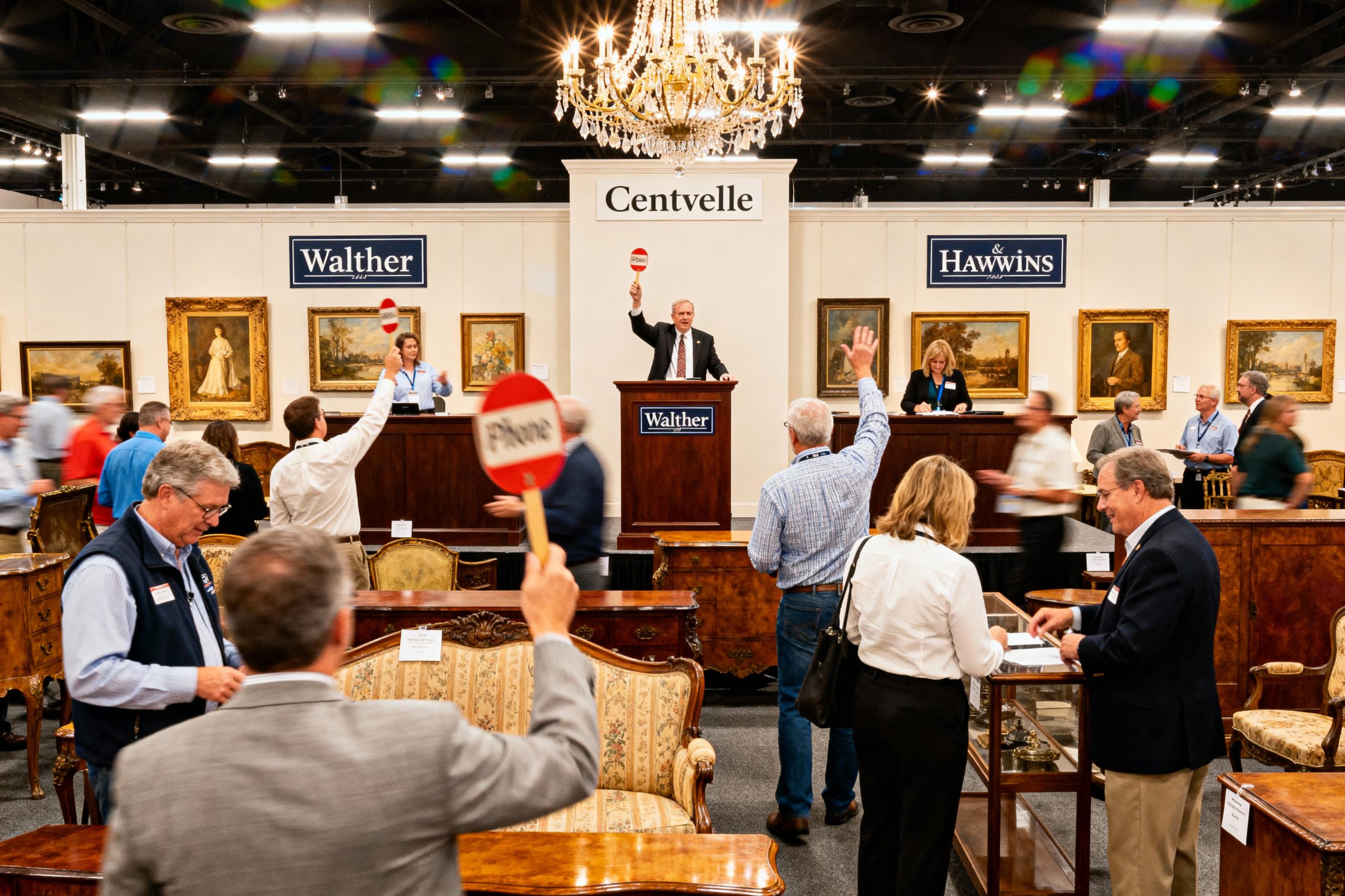
Live auctions provide access to valuable pieces, though they require more skill to navigate successfully. Watch several auctions before bidding to understand the rhythm and typical price ranges for different items.
Tips for pricing your merchandise effectively
Smart pricing balances profit margins with customer appeal. A good rule of thumb involves pricing items at least three times what you paid, which provides room for occasional markdowns while maintaining healthy profits.
Clear, professional price tags make a huge difference in sales success. Include your booth number, item description, and price on every tag. This prevents confusion and makes transactions smoother for both customers and market staff.
Research comparable items online or in antique price guides before setting prices. Understanding current market values helps you price competitively while avoiding the mistake of undervaluing rare pieces.
Balance your inventory between high-value statement pieces and affordable smaller items. The expensive pieces draw attention and establish your booth’s credibility, while lower-priced items generate steady sales volume.
How to design and organize your antique booth display
Your booth’s visual appeal directly impacts sales success. Customers make quick judgments about whether to enter and browse, so your display needs to grab attention and invite exploration.
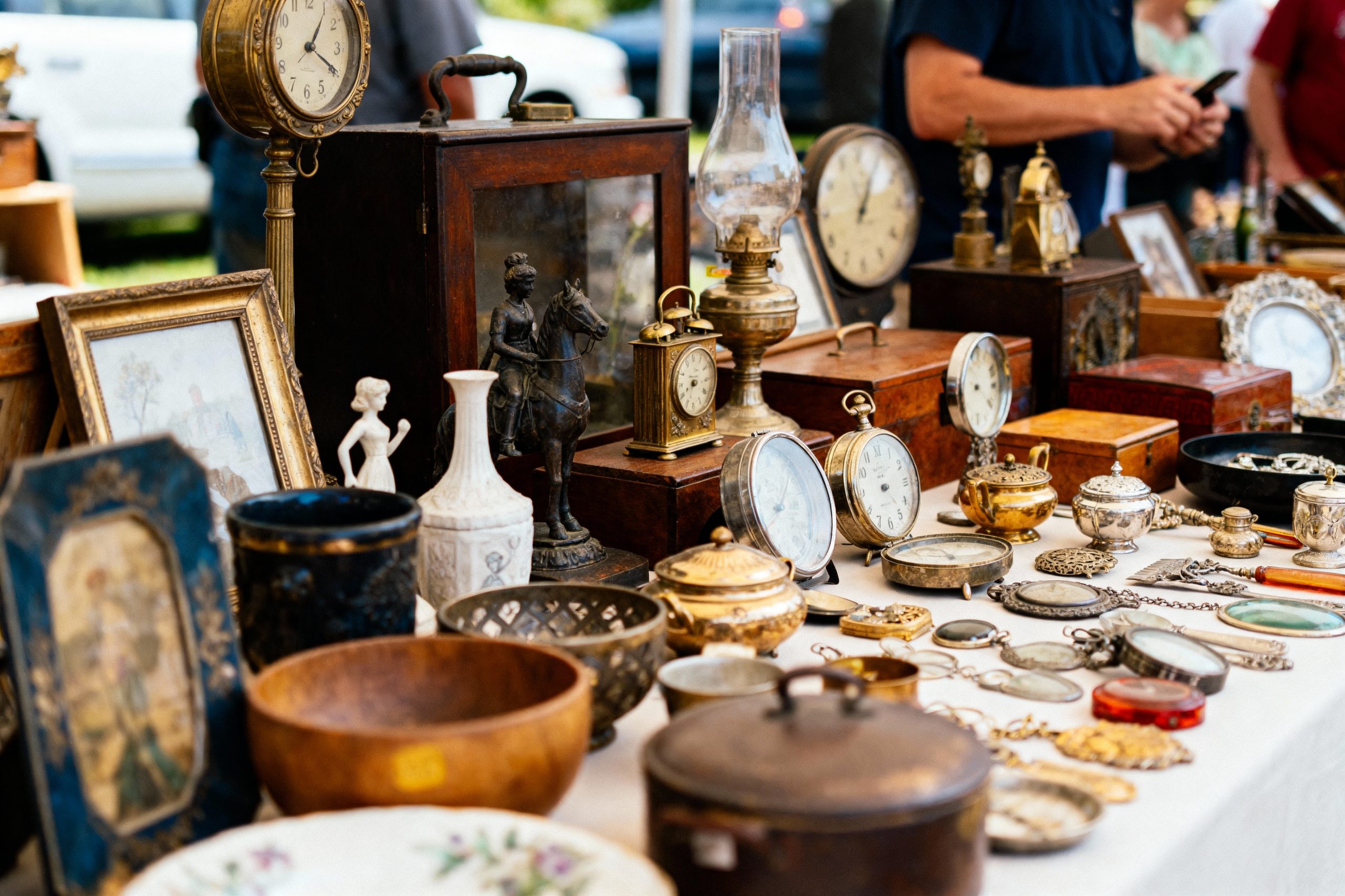
Creating an organized, attractive space requires planning and regular maintenance. Think of your booth as a mini showroom where every item should be easily visible and accessible to potential buyers.
Importance of lighting and presentation
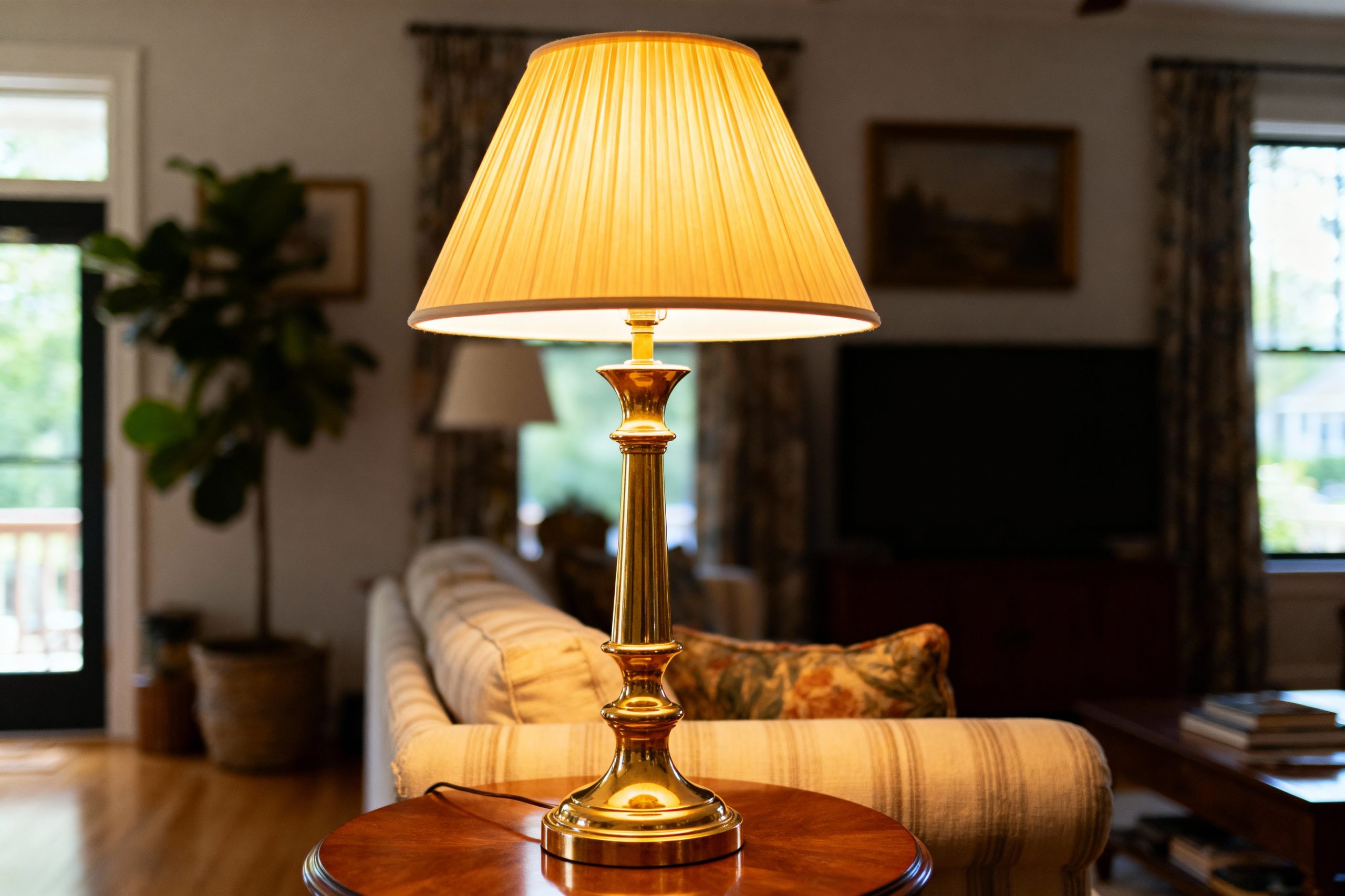
Good lighting transforms an ordinary booth into an inviting shopping destination. Many flea markets have poor overhead lighting, so bringing your own lamps or LED spotlights helps highlight your best pieces and creates a warm atmosphere.
Focus your brightest lighting on high-value items and eye-catching displays near the booth entrance. This draws customers in and helps them notice details that might convince them to make purchases.
Clean, well-maintained displays signal quality to customers. Dust items regularly, replace worn price tags, and fix any display problems immediately. Small details like these influence customer perceptions about your merchandise quality.
Use risers, baskets, and varied height displays to create visual interest. Flat surfaces look boring and make it harder for customers to spot items they want. Adding height variation helps every piece get noticed.
Grouping items for visual appeal
Creating themed groupings helps customers visualize how items might work in their homes. Group complementary pieces together, such as vintage kitchen items, antique books, or decorative accessories that share similar colors or styles.
Odd-numbered groupings typically look more appealing than even numbers. Arrange three or five similar items together rather than pairs or groups of four. This creates a more natural, pleasing visual flow.
Mix different sizes and textures within each grouping to add depth and interest. Combine delicate small pieces with larger furniture items, or pair smooth ceramics with textured fabrics or rough wood pieces.
Leave enough space between groupings so customers can move comfortably through your booth. Overcrowding makes browsing difficult and can actually hurt sales by overwhelming potential buyers.
How to choose the right location for your booth
Location significantly impacts your booth’s success potential. High-traffic areas near entrances, main walkways, or food courts typically generate more sales than tucked-away corner spots.
We suggest visiting potential markets during busy times to observe customer flow patterns. Notice which booths seem to attract the most browsers and try to understand why those locations work well.
Consider the types of customers who frequent different markets. Some markets cater to serious collectors willing to pay premium prices, while others attract bargain hunters looking for everyday deals. Match your inventory and pricing strategy to your market’s customer base.
Factor in practical considerations like parking availability, loading and unloading access, and the market’s general reputation. Easy access encourages customers to visit and makes your own work much more manageable.
Understanding mall or market policies and procedures
Each market operates under specific rules that affect how you run your booth. Understanding these policies prevents problems and helps you maximize your success within the established framework.
Booth rental agreements typically specify your responsibilities, payment schedules, and any work requirements. Some markets require vendors to work occasional shifts helping with general market operations or customer service duties.
Commission structures vary widely between markets. Some charge flat monthly booth rent, while others take a percentage of your sales. Understanding the total cost structure helps you price items appropriately and budget for expenses.
Ask about policies regarding credit card processing, sales reporting, and record-keeping requirements. Many markets provide sales tracking systems, but you’ll need to understand how to use them effectively.
Insurance requirements and liability policies deserve careful attention. Verify what coverage the market provides and what additional insurance you might need to protect your inventory and business interests.
Marketing strategies to attract customers to your booth
Effective marketing starts with excellent customer service and attractive displays, but extends to actively promoting your booth and building a customer base. Word-of-mouth recommendations from satisfied customers provide some of the most valuable advertising.
Eye-catching signage helps customers find and remember your booth. Create professional-looking signs that clearly display your booth number and perhaps highlight your specialties or current sales promotions.
Social media marketing can drive traffic to antique malls and flea markets. Share photos of interesting new arrivals, announce special sales, or post about unique pieces that showcase your booth’s personality and expertise.
Consider these proven marketing tactics to boost your booth’s visibility:
- Create branded shopping bags that customers will carry around the market
- Offer bundle discounts to encourage larger purchases
- Rotate inventory regularly to keep repeat customers interested
- Use seasonal displays that tie into holidays or current trends
- Build an email list of serious customers for advance notice of special items
Building relationships with regular customers pays dividends over time. Remember their interests and contact them when you find items they might want. These personal connections often lead to your biggest and most profitable sales.
Track which marketing efforts produce the best results. Some markets provide detailed sales reports that help you identify your best-selling categories and adjust your sourcing and display strategies accordingly. Success in learning how to run an antique flea market booth comes from constantly refining your approach based on real sales data and customer feedback.
FAQ
How to run a successful antique booth?
The essential steps to run a successful antique booth involve creating an attractive display, sourcing unique inventory, pricing items wisely, and building good relationships with fellow vendors and customers. Consistently refreshing your inventory helps keep the booth appealing, enhancing sales potential.
Is having a flea market booth profitable?
Having a flea market booth can be profitable if you carefully manage your inventory, pricing, and location. The success depends on the quality of items sold, competition, and customer engagement. Regularly adapting your approach based on sales data will maximize profitability.
What is the 100 year rule for antiques?
The 100 year rule for antiques states that items must be at least 100 years old to be classified as antiques. This rule helps differentiate between vintage and true antique pieces and is essential for collectors and sellers when determining the value and categorization of items.
What sells best in antique booths?
What sells best in antique booths includes unique items such as vintage furniture, jewelry, glassware, and collectibles. Home décor items, kitchenware, and retro pieces tend to attract attention. Understanding market trends and customer preferences can also enhance sales success.
How should I set up and display items in an antique flea market booth?
How to set up and display items in an antique flea market booth requires organizing items attractively. Utilize risers, easels, and themed groupings to enhance visual interest. Ensure that items are accessible and maintain a clean, inviting space to encourage customer browsing.
What are some practical tips for managing my antique booth inventory?
Practical tips for managing your antique booth inventory include keeping accurate records of sales, regularly assessing stock levels, and rotating items frequently. Building relationships with suppliers and continuously exploring new sourcing avenues ensures a consistent flow of unique products.

John has been passionate about furniture and interior design for over a decade, combining his love for vintage pieces with modern styling techniques. After years of helping friends transform their spaces and restoring countless furniture finds, he started this blog to share his expertise and inspire others to create homes they truly love. When he’s not writing or hunting for unique pieces at estate sales, you’ll find him refinishing a mid-century dresser or experimenting with new room layouts in his own ever-evolving home.