Discovering an elegant opium bed in an antique shop or family attic can spark curiosity about these mysterious Chinese furniture pieces that naturally blend artistry with history. Whether you’re a collector seeking authenticity markers, a decorator drawn to their dramatic beauty, or simply curious about their true purpose beyond common misconceptions, understanding these ornate sleeping platforms reveals fascinating insights into Qing dynasty culture, regional craftsmanship variations, and today’s thriving market for East Asian antiques.
What is an opium bed?
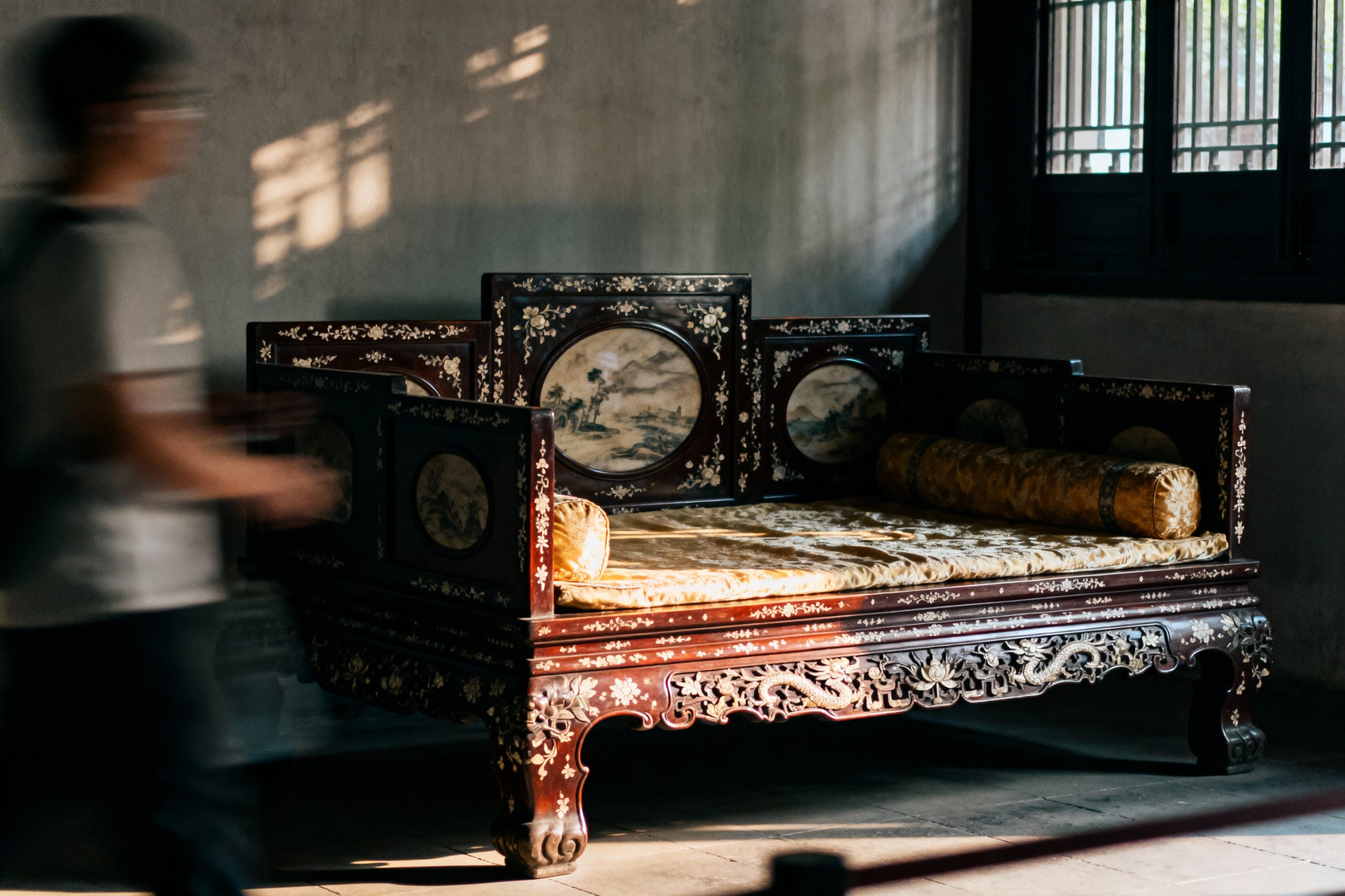
An opium bed is a traditional Chinese furniture piece that served as an ornate sleeping platform in private chambers and ceremonial spaces. These distinctive beds featured high wooden frames, intricate carvings, and rich lacquered finishes that made them centerpieces of wealthy households during the Qing dynasty period.
Despite their name, these beds weren’t exclusively used for opium consumption. They functioned primarily as wedding beds and private retreat spaces for relaxation, reading, and intimate gatherings. The elevated design and enclosed structure created a sense of privacy within larger rooms.
Most authentic pieces showcase elaborate woodwork with symbolic motifs like dragons, phoenixes, and prosperity symbols carved into their surfaces. The craftsmanship reflects centuries of Chinese furniture-making traditions that emphasized both beauty and spiritual significance.
History and regional styles in Chinese furniture
Origins in Qing dynasty furniture used for private chamber spaces
The opium bed emerged during China’s Qing dynasty (1644-1912) as wealthy families sought luxurious furniture for their most private spaces. These beds represented status and refinement, often commissioned as wedding gifts or family heirlooms passed down through generations.
Craftsmen developed these pieces specifically for the intimate quarters of large homes, where family members could retreat from public areas. The beds served multiple purposes beyond sleeping – they became spaces for meditation, tea ceremonies, and quiet contemplation away from household bustle.
During this period, furniture makers concentrated their finest skills on creating these masterpieces. Each bed required months of careful construction, with artisans selecting premium woods and applying multiple layers of lacquer to achieve the desired finish.
Regional variations in wood, lacquer, and textile finishes
Different Chinese provinces developed their own distinctive styles and materials for opium bed construction. Shanxi Province became famous for beds crafted from elm wood, while southern regions preferred tropical hardwoods like mahogany and teak for their durability and rich grain patterns.
Northern craftsmen typically used darker lacquers in deep reds and blacks, while coastal areas favored brighter finishes with gold accents. These regional preferences reflected local artistic traditions and available materials, creating diverse styles across China’s vast territory.
Textile elements also varied by region, with some areas incorporating silk panels and others featuring intricate fabric inlays. The choice of decorative elements often reflected local cultural symbols and family preferences passed down through generations.
Daily use and ceremonial contexts
Families used these elaborate beds for various daily activities beyond nighttime rest. During daylight hours, they served as comfortable seating for reading, embroidery, or casual conversation among family members and close friends.
The enclosed nature of many designs created cozy spaces perfect for afternoon naps or quiet reflection. Women often used these areas for personal grooming and dressing, taking advantage of the privacy the high sides provided.
For special occasions like weddings, these beds became ceremonial centerpieces decorated with additional fabrics, flowers, and symbolic objects. The newlyweds’ first night together took place on these specially prepared surfaces, marking the beginning of their married life.
Tea ceremonies and intimate gatherings also occurred on these platforms, with participants sitting cross-legged while sharing meals or discussing important family matters. The beds essentially functioned as private rooms within larger spaces.
Design features and materials of such furniture
Opium bed construction and lacquer techniques
Traditional opium bed construction relied on time-tested joinery methods that avoided nails and screws. Master craftsmen used intricate mortise and tenon joints to create sturdy frames that could last for centuries with proper care.
The lacquering process involved applying multiple thin coats of natural lacquer derived from tree sap. Each layer required careful drying and sanding before the next application, creating smooth, durable surfaces that resisted moisture and wear.
Most beds featured raised panels and decorative elements built directly into the frame structure. The high headboards often reached 4-5 feet in height, creating dramatic focal points while providing back support for seated occupants.
Carved motifs and symbolism in traditional Chinese furniture
Dragons and phoenixes appeared frequently in opium bed carvings, representing imperial power and feminine grace respectively. These mythical creatures were believed to bring protection and good fortune to the bed’s occupants.
Prosperity symbols like coins, fruit, and flowering vines decorated side panels and headboards. Craftsmen often incorporated geometric patterns that held specific meanings related to longevity, happiness, and family harmony.
The symbolic elements weren’t merely decorative – families believed these carvings would influence their lives positively. Each motif was carefully chosen and positioned according to traditional beliefs about spiritual energy and household protection.
Antique and modern market for East Asian canopy beds
Today’s market for authentic antique opium beds shows strong demand from both collectors and interior designers seeking historically significant pieces. Prices typically range from $1,550 for reproductions to over $24,500 for museum-quality 19th-century examples.
Modern furniture makers now create opium-inspired beds using traditional techniques and materials. These contemporary pieces appeal to buyers who appreciate the aesthetic but prefer newly constructed furniture for daily use.
Auction houses and reputable dealers specialize in authentic pieces, with provenance documentation becoming increasingly important for serious collectors. The rarity of genuine antique examples continues to drive prices higher each year.
Interior designers frequently incorporate these beds into luxury hotel projects and private residences, appreciating their dramatic visual impact and cultural significance. The combination of historical value and striking appearance makes them popular statement pieces.
Identifying authenticity and care tips
Authentic antique opium beds display specific signs of age that help verify their genuineness. We advise examining the patina, wear patterns, and original lacquer work when evaluating potential purchases.
Key authenticity markers include:
- Hand-carved motifs with slight irregularities typical of manual craftsmanship
- Original lacquer showing appropriate aging and natural wear patterns
- Traditional joinery without modern fasteners or construction methods
- Provenance documentation or maker’s marks when available
For proper care, avoid placing antique beds in direct sunlight, which can damage lacquer finishes and cause wood to crack. Use gentle cleaning methods with soft cloths and avoid harsh chemicals that might strip original finishes.
We recommend consulting restoration experts before attempting any repairs on valuable pieces. Professional conservators understand traditional techniques and can preserve both the structural integrity and historical value of authentic antique beds.
Climate control helps prevent wood movement and finish deterioration. Maintaining stable temperature and humidity levels protects these delicate pieces from environmental damage that could significantly reduce their value and beauty.
Frequently Asked Questions
What was an opium bed?
An opium bed was a traditional Chinese furniture piece used primarily in opium dens. It featured raised sides to protect the smoker from drafts while preparing and consuming opium. The bed’s design allowed for a comfortable and private smoking experience, essential for the sensitive nature of opium use.
Are opium dens still a thing?
Opium dens are largely considered remnants of history and are not commonly seen today. While some areas may have illegal establishments related to opium, the widespread use of opium and the cultural significance of opium dens have largely diminished with changing laws and societal attitudes towards drug use.
What was it like in an opium den?
In an opium den, the atmosphere was often hazy and relaxed, filled with the scent of opium smoke. Smokers would recline on opium beds, often in groups, while sharing stories or engaging in quiet reflection. The space provided an escape, with dim lights and soft furnishings contributing to a tranquil environment.
What is an opium pillow?
An opium pillow is a specific type of pillow used by opium smokers to support their necks while reclining on opium beds. These pillows were typically designed to be firm yet comfortable, ensuring that smokers could maintain a comfortable position during their opium sessions.
How was an opium bed designed?
An opium bed was designed with three raised sides to create a protective barrier for the smoker. Constructed from quality wood, these beds often featured intricate carvings and durable lacquer finishes. The combination of comfort and privacy was essential for those using the beds for relaxation or opium smoking.
What are the modern uses of opium-inspired furniture?
Modern uses of opium-inspired furniture include their incorporation into luxury hotel decor and private homes. Interior designers appreciate their cultural significance and dramatic aesthetic. Contemporary pieces often replicate traditional designs while providing functional, comfortable furniture for daily use.
What are the key authenticity markers of an opium bed?
Key authenticity markers of an opium bed include hand-carved motifs typical of traditional craftsmanship, original lacquer showing age, and traditional joinery methods. Provenance documentation or maker’s marks can also verify authenticity and enhance the bed’s value for collectors and enthusiasts.

John has been passionate about furniture and interior design for over a decade, combining his love for vintage pieces with modern styling techniques. After years of helping friends transform their spaces and restoring countless furniture finds, he started this blog to share his expertise and inspire others to create homes they truly love. When he’s not writing or hunting for unique pieces at estate sales, you’ll find him refinishing a mid-century dresser or experimenting with new room layouts in his own ever-evolving home.