Restoring old buildings and furniture requires more than just skill—it demands the right materials that honor history. When modern fasteners stick out like sore thumbs, square head nails naturally blend into period woodwork, creating authentic repairs that last for decades. This guide reveals which nail styles match different historical periods, where to find quality reproductions, and how to choose finishes that protect your investment while maintaining that genuine antique appearance.
What makes authentic square head nails essential for historic restoration?
Square head nails are crucial for historic restoration because they replicate the hand-forged appearance of original fasteners from the late 1700s and early 1800s. These specialized nails maintain the visual integrity that separates authentic restorations from modern repairs.
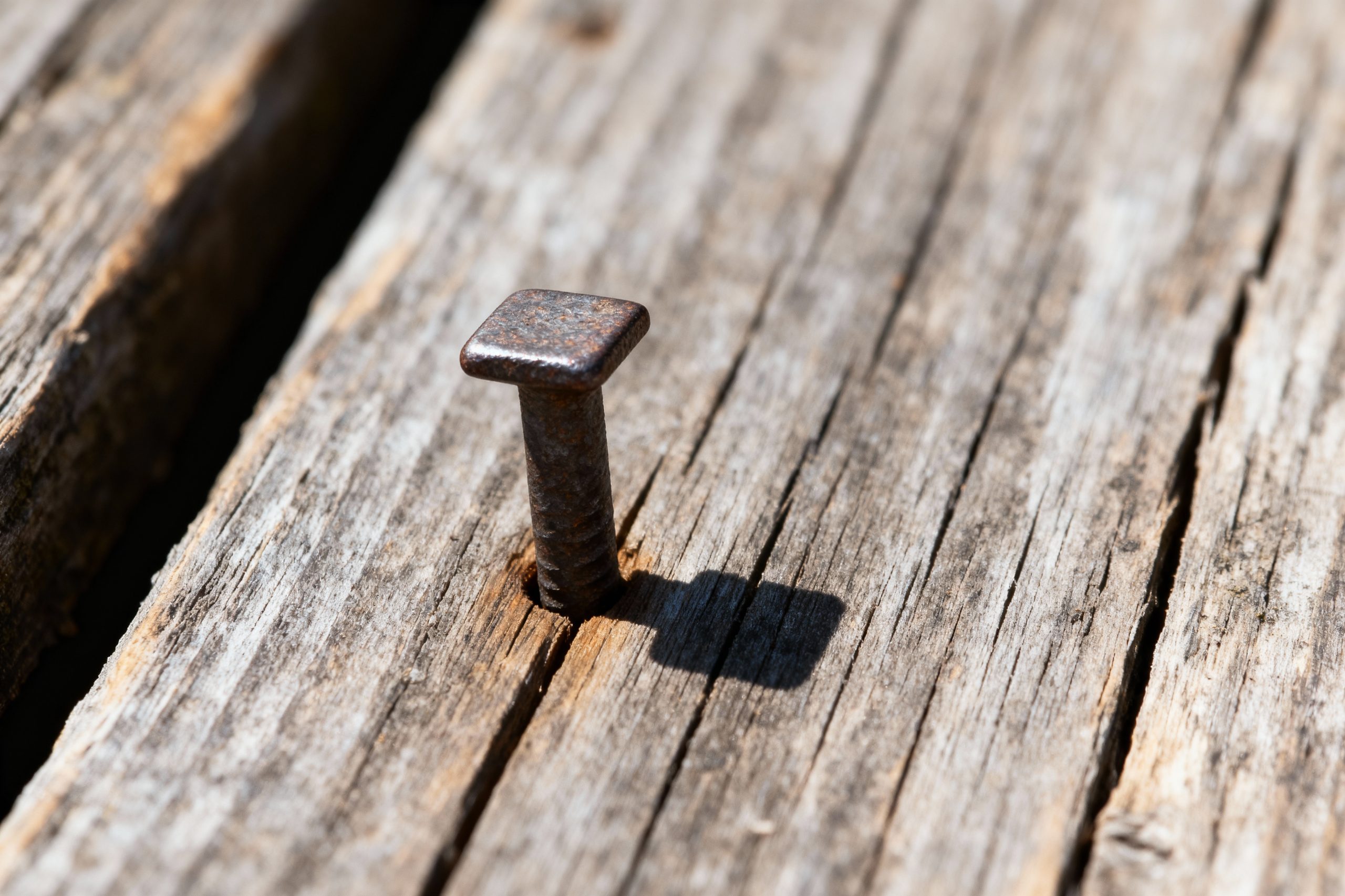
The distinctive square-shaped heads create shadows and textures that modern wire nails simply cannot match. When restoring historic buildings, furniture, or architectural details, using period-correct hardware makes the difference between a restoration that honors the past and one that looks obviously modern.
Beyond appearance, these nails offer superior durability compared to their historical counterparts. Original hand-forged nails were often inconsistent in quality, but today’s reproductions combine authentic looks with reliable performance. This gives restorers confidence that their work will last for generations.
Different types of square head nails and their historical significance
The world of historic nails encompasses several distinct styles, each serving specific purposes in period construction. Understanding these variations helps restorers select the most appropriate fasteners for their projects.
Traditional square-cut nails feature sharpened edges on all four sides, mimicking the cutting process used by early blacksmiths. These nails provide excellent holding power in softwoods, making them ideal for structural applications where strength matters most.
finishes and galvanizing
Surface treatments play a vital role in both authenticity and longevity. Plain finishes offer the most historically accurate appearance, showing the natural metal color that ages gracefully over time.
Black oxide finishes provide rust resistance while maintaining a traditional dark appearance. This treatment was commonly used in the 19th century and remains popular for indoor restoration projects where some protection is needed without compromising authenticity.
Hot-dip galvanizing offers the strongest protection against rust and corrosion. We recommend galvanized options for exterior applications or areas with high moisture exposure, as they can extend nail life by up to 50 years in harsh conditions.
historical context of styles like rose-head and square-cut nails
Rose-head nails represent one of the most decorative styles from the 18th century. Their rounded, flower-like heads were crafted by skilled blacksmiths who took pride in creating functional art. These nails work beautifully for furniture restoration and visible applications where aesthetics matter.
Cut nails dominated American construction from roughly 1790 to 1890, when machine production made them widely available. Their rectangular shanks and consistent dimensions revolutionized building practices, allowing faster construction while maintaining strength.
How to choose the right nails for historic projects
Selecting appropriate nails requires careful consideration of your project’s age, style, and environmental conditions. We advise starting with research into the specific time period your restoration represents.
Projects from the colonial era typically call for hand-forged appearance nails with irregular heads and shanks. Federal period restorations work better with more refined square heads, while Victorian projects might incorporate decorative elements.
Environmental factors significantly influence nail selection. Indoor projects can use plain or black oxide finishes, while outdoor applications need galvanized protection. Damp basements, coastal locations, or areas with high humidity require the strongest corrosion resistance available.
- Match the nail style to your structure’s construction date
- Consider exposure to moisture and weather conditions
- Choose finishes that balance authenticity with durability needs
- Verify nail dimensions match original fastener sizes
- Account for wood species and density when selecting nail types
Real-world examples from reputable suppliers
Several manufacturers specialize in creating authentic reproduction nails using traditional methods. Tremont Nail Company operates original 19th-century nail-making machines, producing nails with the same irregularities and character as period originals.
House of Antique Hardware offers an extensive selection of decorative and structural nails, including specialty items like clout nails and box nails. Their catalog includes detailed specifications showing nails per pound, helping restorers calculate exact quantities needed.
Some suppliers focus on custom work, creating nails to match specific historical samples. This service proves invaluable for high-end restorations where exact replication is required. Prices typically range from $8 to $15 per pound, depending on style complexity and finish options.
Square-head nails in restoration practice
Professional restorers rely on square head nails for applications where both strength and authenticity matter. These fasteners excel in face-nailing applications, securing siding, flooring, and trim work with period-appropriate appearance.
square-head nails in restoration projects
Flooring restoration represents one of the most common uses for historic nails. The square heads provide excellent holding power while creating the authentic appearance that separates quality restorations from quick fixes.
Siding projects benefit from the weather resistance these nails offer, especially when combined with appropriate finishes. Many restorers report improved holding power compared to modern wire nails, particularly in aged wood that has hardened over time.
Furniture restoration often calls for smaller gauge nails with refined heads. Cabinet work, drawer construction, and decorative elements all benefit from the visual appeal of properly selected square head fasteners.
choosing finishes for durability and authenticity
Balancing historical accuracy with long-term performance requires thoughtful finish selection. Black oxide provides an excellent compromise, offering rust resistance while maintaining the dark patina common in historic metalwork.
Galvanized finishes work best for structural applications where longevity outweighs appearance concerns. The bright zinc coating weathers to a dull gray that blends reasonably well with aged wood surfaces.
We recommend plain finishes only for interior work in climate-controlled environments. While most authentic, unprotected steel will rust quickly when exposed to moisture or humidity fluctuations.
Where to buy authentic square nails today
Specialized hardware suppliers offer the best selection and quality for restoration projects. Online retailers provide convenient access to extensive catalogs, while local blacksmiths can create custom solutions for unique applications.
Architectural salvage companies sometimes stock original nails recovered from demolition projects. These authentic fasteners offer unmatched historical accuracy but may have inconsistent condition and limited availability.
We advise purchasing from suppliers who clearly document their manufacturing processes and materials. Quality producers provide detailed specifications including nail dimensions, head styles, and finish options to ensure proper selection for your specific needs.
FAQ
What are square head nails used for?
Square head nails are used for historical restoration, traditional woodworking, and projects where an authentic appearance is desired. They excel in structural applications due to their excellent holding power and help maintain the visual integrity of authentic restorations.
What year did they stop making square head nails?
Square head nails were predominantly replaced by machine-made wire nails around the 1890s, as manufacturing advancements made production faster and more efficient. However, reproduction nails continue to be made today for restoration purposes.
Are square nails out of style in 2025?
Square nails are not out of style in 2025, especially for historic restoration projects. Their unique aesthetic continues to be valued by restorers and woodworking enthusiasts seeking authenticity and traditional craftsmanship in their work.
What is the rich girl nail trend?
The rich girl nail trend refers to a popular nail art style characterized by luxurious, extravagant designs often featuring gems and elegant patterns. This trend emphasizes opulence and sophistication, appealing to those wanting to display their wealth through nail fashion.
How does using square head nails affect restoration quality?
Using square head nails impacts restoration quality by providing a historical touch that modern nails cannot replicate. Their unique shapes create authentic textures and shadows, underscoring the commitment to historical accuracy and craftsmanship in restoration projects.
What types of square head nails are there?
There are several types of square head nails, such as traditional square-cut nails, rose-head nails, and various finishes like plain, black oxide, and galvanized. Each type serves specific historical contexts, ensuring correct application in restoration tasks.

John has been passionate about furniture and interior design for over a decade, combining his love for vintage pieces with modern styling techniques. After years of helping friends transform their spaces and restoring countless furniture finds, he started this blog to share his expertise and inspire others to create homes they truly love. When he’s not writing or hunting for unique pieces at estate sales, you’ll find him refinishing a mid-century dresser or experimenting with new room layouts in his own ever-evolving home.