Many antique collectors and home decorators encounter beautiful wooden furniture with clean lines and geometric patterns but struggle to identify its style or value. Understanding eastlake furniture naturally helps you recognize these treasured pieces, determine their worth, and care for them properly. This guide reveals the key features that make this Victorian-era style special, shows you how to spot authentic pieces, and provides practical tips for maintaining these functional yet elegant antiques in your home.
What is Eastlake furniture?
Eastlake furniture is a distinctive style that emerged between 1870 and 1890, featuring geometric shapes, shallow carvings, and minimal ornamentation. This furniture style emphasized functionality over fancy decoration, making it a practical choice for middle-class families who wanted well-made pieces without the elaborate fuss of other Victorian styles.
The furniture gets its name from design principles that promoted « simple sturdy furniture » with careful craftsmanship. Unlike the heavy, ornate pieces popular during the same period, this style focused on clean lines and thoughtful construction.
What makes this furniture special is its balance between simplicity and skilled workmanship. You’ll notice straight edges, geometric patterns, and nature-inspired carvings that don’t overwhelm the piece. The style became popular because it offered quality furniture that regular families could afford and maintain.
The role of Charles Eastlake in furniture design
Charles Eastlake didn’t actually make furniture himself, but his ideas completely changed how people thought about home decoration. He wrote about design principles that emphasized honest construction and functional beauty rather than showing off wealth through overly fancy pieces.
His philosophy centered on the idea that furniture should serve its purpose well while looking pleasant. He believed that good design came from understanding materials and using them properly, not from adding unnecessary decorative elements.
Eastlake’s influence spread quickly across America, where furniture makers adopted his principles to create pieces for the growing middle class. His ideas about affordable, well-built furniture resonated with families who wanted nice homes without breaking the bank.
Characteristics of Eastlake furniture
Distinctive features of Eastlake furniture
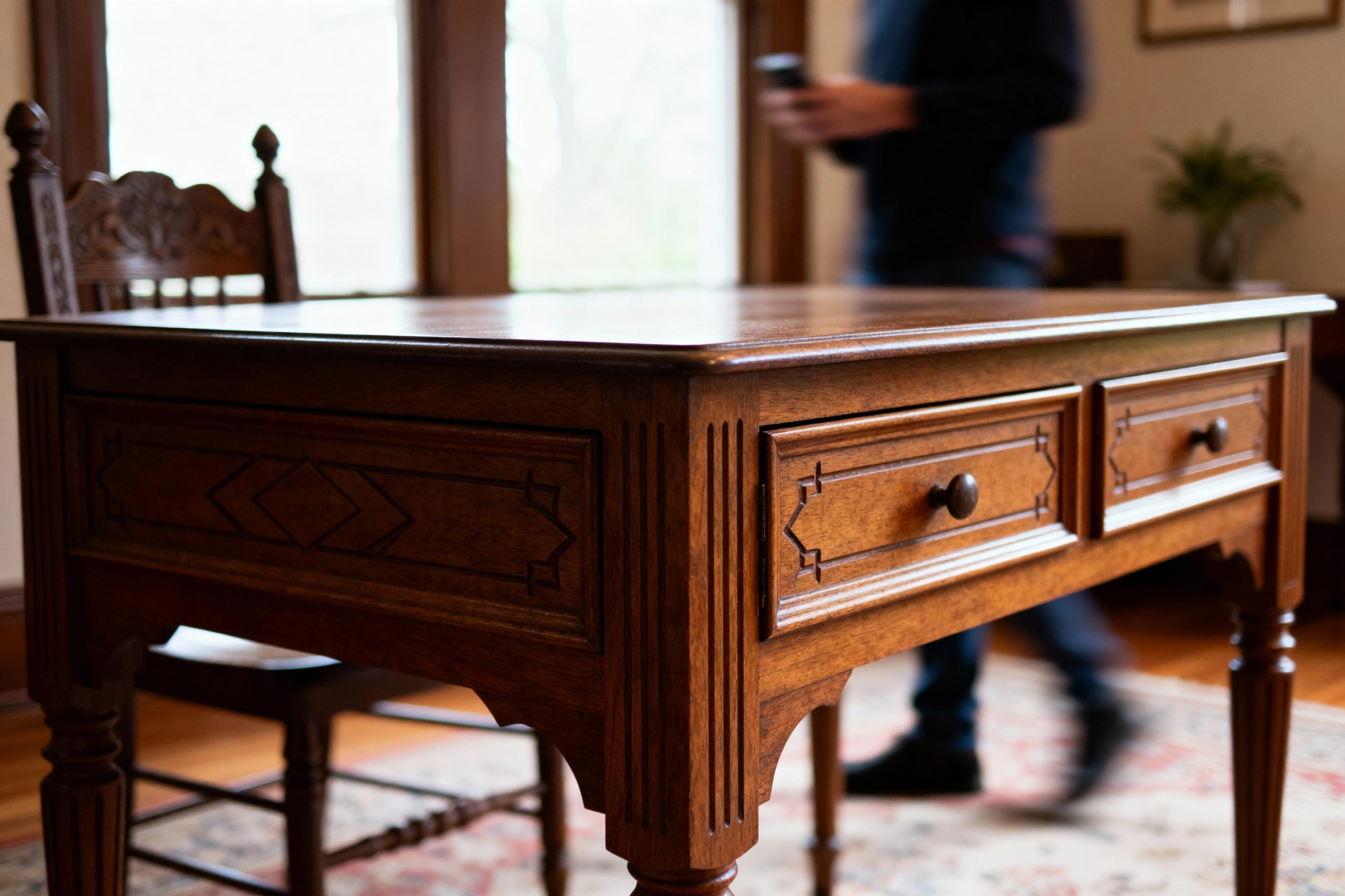
The most recognizable features of this furniture style include geometric patterns and shallow carvings that create visual interest without being too busy. You’ll see horizontal and vertical incised lines that decorate surfaces in simple, symmetrical ways.
Nature-inspired motifs appear frequently, but they’re carved in a restrained manner. Common designs include:
- Flowers and leaves rendered in simple, geometric forms
- Acorns and other natural elements
- Squares, diamonds, and half circles
- Linear patterns that emphasize the wood’s grain
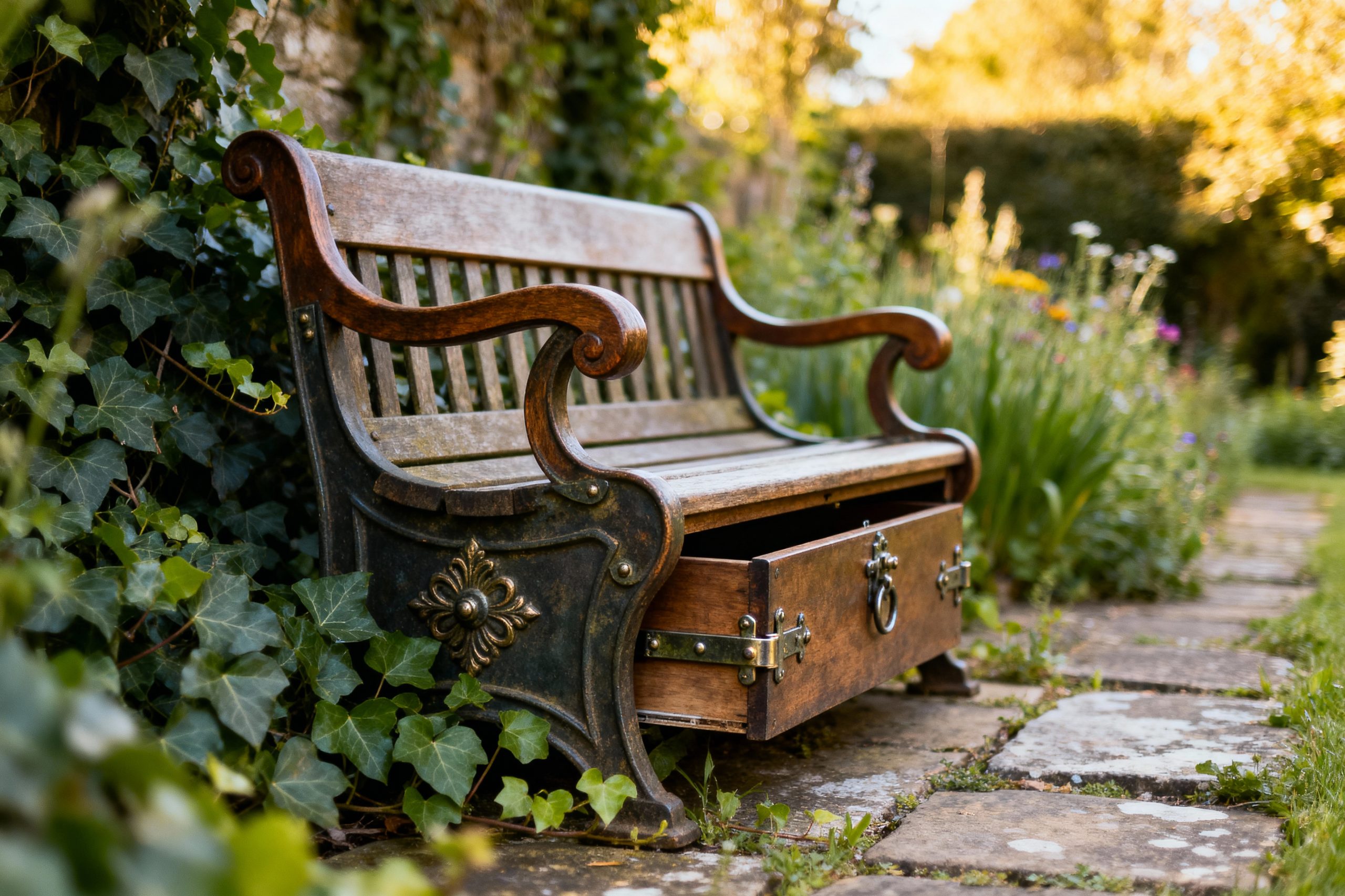
Metal embellishments like brass or copper hardware add functionality while contributing to the overall aesthetic. These pieces often feature geometric brackets and turned elements that show skilled craftsmanship without being flashy.
Materials commonly used in Eastlake furniture
Wood selection played a crucial role in creating authentic pieces. Makers typically chose oak, cherry, walnut, and rosewood for their durability and attractive grain patterns. These woods could handle the precise linear decorations that defined the style.
Dark varnishes and ebonized wood treatments were common, giving pieces a sophisticated appearance. Some furniture makers even incorporated Asian influences, creating finishes that simulated bamboo textures.
The emphasis on wood grain meant that makers used oils rather than heavy stains, allowing the natural beauty of the material to show through. This approach created pieces with lighter tones that highlighted the careful construction work.
Popular styles and pieces in the Eastlake movement
Bedroom furniture dominated the eastlake furniture market, with bed frames, wardrobes, and dressing tables being especially popular. These pieces provided practical storage solutions while maintaining the style’s clean aesthetic.
Dining room pieces like sideboards became showcase items for families. These substantial pieces demonstrated the style’s ability to create impressive furniture without relying on excessive ornamentation. Tables featured the characteristic linear decorations and sturdy construction.
Manufacturers ranging from mass-market producers to high-end artisan workshops created pieces in this style. Companies like Herter Brothers, Wanamaker’s, and Jordan & Moriarty produced everything from affordable cottage furniture to elaborate custom pieces for wealthy clients.
The historical context of the Eastlake movement
The movement gained momentum during a time when American families were becoming more prosperous but still wanted practical furniture. The style served as a bridge between the ornate Victorian excess and the simpler designs that would follow in the 20th century.
This period saw about 60 percent of American families moving into the middle class, creating a huge market for affordable, well-made furniture. The Eastlake style perfectly met this demand by offering quality without pretension.
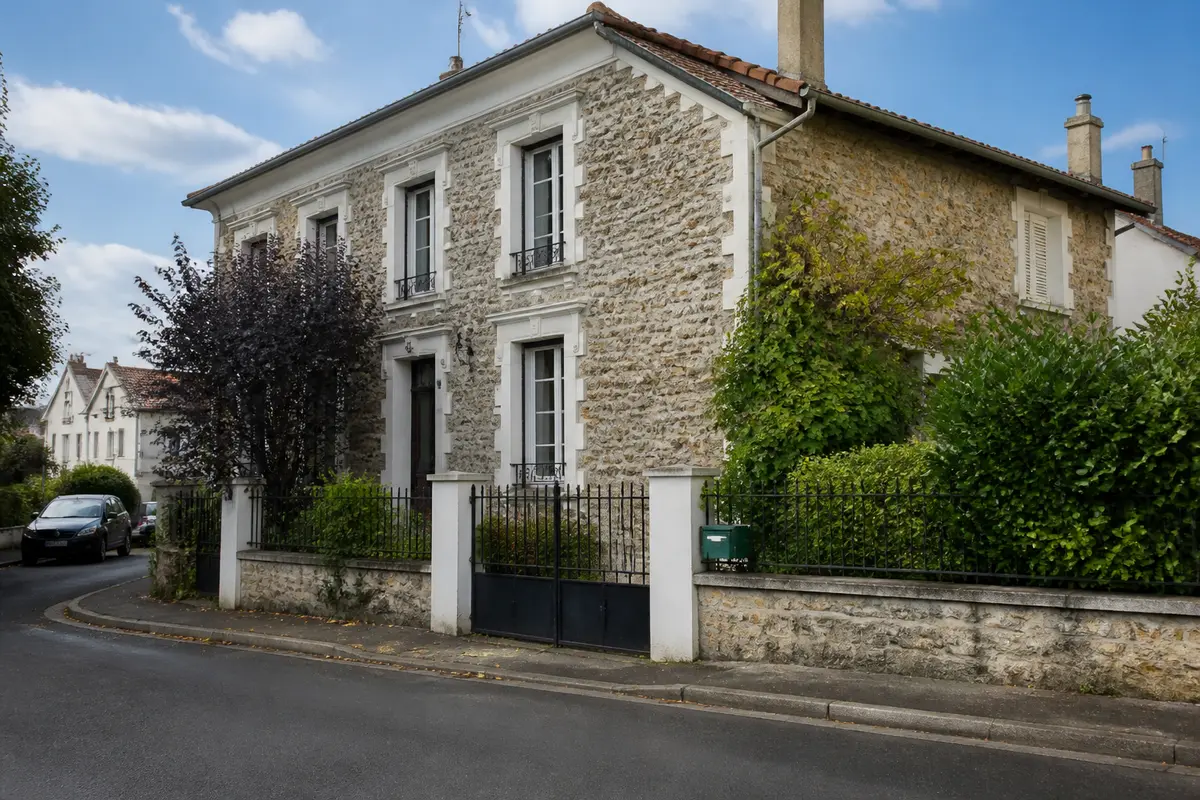
The influence extended beyond furniture into architecture, where Eastlake-style homes featured geometric wooden trim, intricate brackets, and beaded spindles. California saw particularly strong adoption of this architectural style, especially in areas like Echo Park and Angelino Heights.
How to identify genuine Eastlake furniture
Authentic pieces show specific construction qualities that separate them from later reproductions. Look for geometric, linear carvings that are shallow but precisely executed. The decorations should enhance the piece’s structure rather than hiding it.
Original pieces typically have a lighter tone from oil finishes rather than heavy stains. The wood grain should be visible and well-integrated into the overall design. Avoid pieces with excessive scrollwork, as this contradicts the style’s principles.
Quality construction is a hallmark of genuine pieces. Check for solid joinery, proper proportions, and maker’s marks when possible. High-end manufacturers often labeled their work, making authentication easier for valuable antiques.
Caring for and maintaining Eastlake furniture
Regular dusting with a soft cloth helps preserve the delicate linear decorations that make these pieces special. We advise avoiding harsh chemicals that can damage the wood or strip away the original finish.
Maintaining proper moisture levels in your home protects the wood from cracking or warping. Keep pieces away from direct sunlight, which can fade the wood and damage original finishes over time.
The natural patina that develops on authentic pieces actually enhances their value, so resist the urge to over-polish. When restoration becomes necessary, especially for valuable antiques, we recommend consulting with professionals who understand the style’s specific requirements.
FAQ
How do you identify Eastlake furniture?
To identify Eastlake furniture, look for geometric, linear carvings that are shallow and precisely executed. Authentic pieces will have visible wood grain, a lighter tone from oil finishes, and avoid excessive scrollwork, focusing instead on clean lines and honest craftsmanship.
What era was Eastlake furniture made?
Eastlake furniture was made primarily between 1870 and 1890, during the late Victorian period. This timeframe marked a shift from ornate Victorian styles to more practical and functional designs that catered to the needs of the growing middle class.
What wood is Eastlake furniture made of?
Eastlake furniture is made from woods such as oak, cherry, walnut, and rosewood. These materials were chosen for their durability and attractive grain patterns, allowing for the precise linear decorations that characterize the Eastlake style.
How does Eastlake differ from Victorian furniture?
Eastlake differs from Victorian furniture in that it emphasizes simplicity and functionality over heavy ornamentation. While Victorian designs often featured elaborate decorations, Eastlake furniture focuses on clean lines, geometric shapes, and minimal carvings for practical use.
What are the main characteristics of Eastlake furniture?
The main characteristics of Eastlake furniture include geometric patterns, shallow carvings, and restrained nature-inspired motifs. This style is known for its clean lines, simple yet skilled craftsmanship, and emphasis on functionality without excessive decoration.
Who was Charles Eastlake and what was his influence on furniture?
Charles Eastlake was an influential English architect and writer whose design principles emphasized functional beauty and honest construction. His 1868 book reshaped furniture design, encouraging makers to produce well-built, affordable pieces for the middle class, setting the stage for the Eastlake movement.

John has been passionate about furniture and interior design for over a decade, combining his love for vintage pieces with modern styling techniques. After years of helping friends transform their spaces and restoring countless furniture finds, he started this blog to share his expertise and inspire others to create homes they truly love. When he’s not writing or hunting for unique pieces at estate sales, you’ll find him refinishing a mid-century dresser or experimenting with new room layouts in his own ever-evolving home.