Key takeaways:
Chinese hand painted vase authenticity hinges on nuances like brushstroke variations and factory mark distinctions. An expert eye can often date pieces using underglaze blue reign marks that trace back to the 18th century or earlier. Recognizing stylistic elements such as Famille Rose’s enamel layering or blue‑and‑white porcelain’s cobalt pigment is critical for verifying origin and value.
How can collectors tell apart true antiques from convincing replicas when it comes to hand painted ceramics? Genuine chinese hand painted vases present detailed brushstroke textures and authentic marks that differentiate them from modern prints and factory reproductions. With the high stakes of provenance and condition affecting market value, understanding mark classifications and stylistic cues is essential. This knowledge empowers buyers to confidently evaluate quality and historic significance while avoiding forgeries. Equipped with these insights, collectors can identify authentic pieces with greater precision and appreciation.
The Chinese Hand Painted Vase: Authenticity, Styles & Signs
Hand-Painted Vs Print and Factory Marks
One of the first steps in evaluating a chinese hand painted vase is distinguishing authentic hand-painting from mass-produced prints. Hand-painted vases display subtle variations in brushstroke patterns and paint textures, which are rarely replicated in factory-made pieces. These brushstrokes often reveal depth, layering, and unevenness that print techniques lack. In contrast, printed designs typically look flat and too uniform, with slight pixelation or repetition on close inspection.
Factory marks may also appear more polished or mechanically applied, while hand-painted pieces bear the irregularities of manual craftsmanship. Knowing these visual and tactile cues helps collectors verify authenticity before investing in rare finds. Genuine hand-painted porcelain exhibits a lively character impossible to fake through modern printing technologies.
Decoding Marks and Signatures
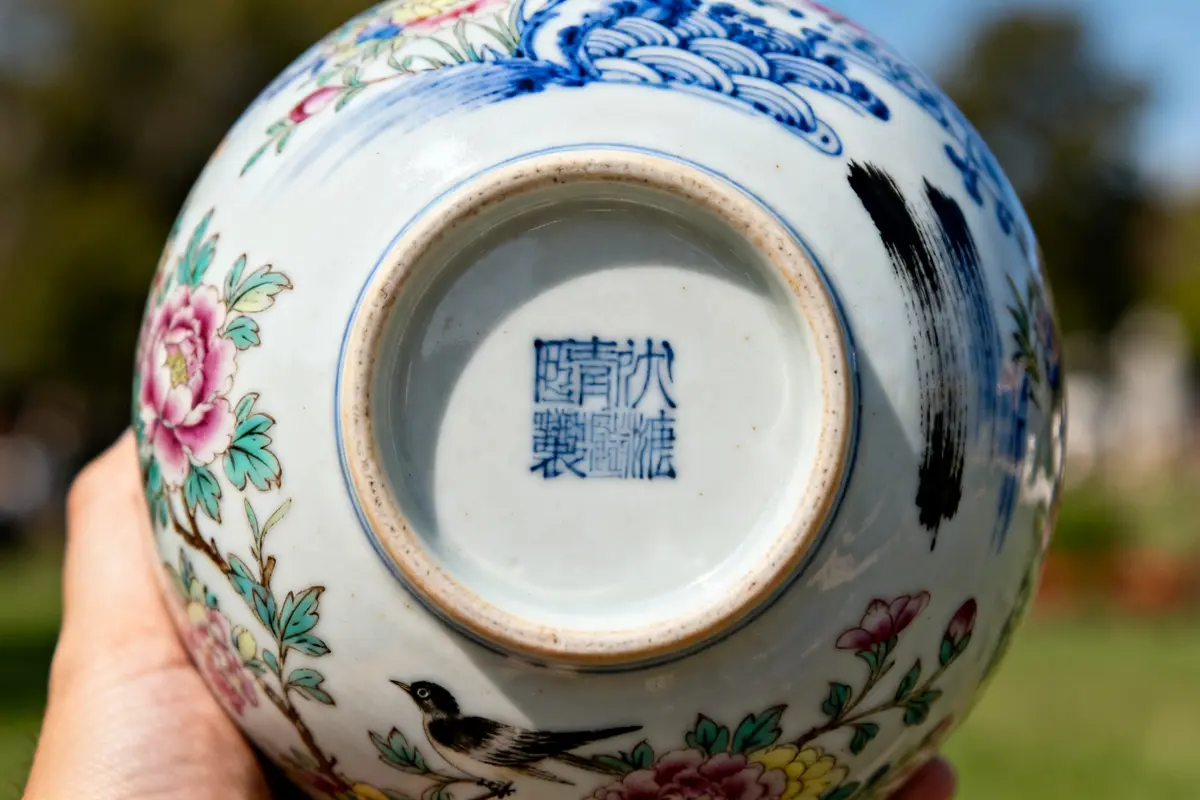
Marks and signatures on Chinese vases provide vital clues about their origin and age. These often include reign marks denoting specific Chinese dynasties such as Ming or Qing. Numeric or symbol classifications can date a piece within precise time windows, helping experts authenticate the vase’s provenance.
For example, underglaze blue reign marks written in traditional script types allow collectors to assign production to the 18th century or earlier. Some porcelains also carry artist or workshop signatures that confirm hand-painting and regional origin. Unfortunately, many sellers overlook explaining these detailed classifications, but they remain crucial in expert evaluation of rare antique porcelain.
Spotting Forgeries and Modern Copies
Detecting fake or modern copies requires a keen eye and experience. Key signs include overly perfect decorations, mismatched glaze colors, or vague marks imitating known reign styles without true historical accuracy. Advances in technology allow some copies to mimic surface details, but flaws in paint layering and inconsistent aging often betray forgery.
Collectors should request close-up photos of smallest details and verify with seasoned appraisers when possible. Paying attention to the quality of the hand-painting and the feel of the porcelain can uncover many modern reproductions masquerading as antique treasures.
Iconic Styles: Blue‑And‑White, Famille Rose, and More
Blue and White Porcelain Motifs
Blue‑and‑white porcelain is one of the most famous styles of Chinese hand painted vases and has been popular since the Yuan dynasty. The vibrant cobalt blue designs on crisp white porcelain often depict classic motifs such as dragons, lotus flowers, or landscapes. The contrast of deep blue against white enhances delicate brushstrokes and embody cultural symbolism.
This style remains highly sought after for its timeless elegance and artistic detail. Authentic blue‑and‑white vases show careful layering of blue pigment with subtle, varied tones created by brush pressure and firing. The motifs tell stories or portray auspicious themes, making each vase a unique cultural artifact.
Famille Rose & Gilding Details
Famille Rose porcelain stands out with its rich palette of soft pinks, greens, and reds achieved through enamel overglaze painting. These colors represent an evolution in Chinese ceramic techniques developed during the Qing dynasty. Many vases in this style also showcase intricate gilding details that add luxury and complexity.
The fine hand-painting of floral patterns, birds, or imperial scenes is highlighted by delicate gold trim. Genuine gilding has a warm sheen that catches the light naturally, unlike cheap foils found in modern copies. Famille Rose porcelain is prized for both its vivid colors and exquisite craftsmanship.
Unusual Shapes: Dragon, Lotus, Elephant Handles
Chinese hand painted vases sometimes come in unexpected forms that make them true collector’s pieces. Shapes featuring dragon handles, lotus-inspired curves, or elephant-shaped accents display both technical skill and symbolic meaning. Dragons symbolize power, lotus represents purity, and elephants signify wisdom.
These unique shapes combine sculptural artistry with detailed painting, creating multidimensional works of art. The surface decoration wraps organically around handles and unusual contours, which demands high-level mastery from artisans. Such vases draw attention for blending form and function in remarkable ways.
Author’s Note
« Careful examination of brushstroke depth and mark classifications can reveal a wealth of hidden details that separate genuine antiques from modern reproductions. »
Historical Context and Provenance
The story behind a chinese hand painted vase enriches its value and importance. Porcelain production in China dates back over a thousand years, with different dynasties introducing distinct styles, techniques, and glazes. For example, vases from the Ming dynasty often feature bold, large-scale motifs, while Qing dynasty pieces emphasize refined color palettes and intricate detail.
Provenance, or the documented history of ownership, adds credibility and worth. Items traced through royal courts, historic collections, or documented excavations command higher prices in the market. Provenance often helps historians link pieces to specific workshops or eras, offering not only artistic but cultural context.
Care, Display and Value: Preservation Tips
Proper care preserves the beauty and value of your chinese hand painted vase. Display the vase away from direct sunlight to avoid fading paint and enamel surfaces. Keep it in stable environmental conditions because fluctuations in humidity or temperature can cause cracks or glaze crazing.
Quantitative guidelines suggest maintaining a humidity level between 45 and 55 percent and a temperature range of 68–75°F to protect antique porcelain. Avoid placing the vase near heating vents or air conditioners, which can dry the ceramic unevenly. Dust gently with a soft brush rather than harsh cloths to keep decorations intact.
These simple but vital preservation tips help sustain the vase’s integrity and market value over time. Display smartly, monitor environment, and clean cautiously to enjoy your fine porcelain for generations.
Where to Find and Verify Rare Finds
Finding authentic chinese hand painted vases requires choosing trusted sources with proven expertise. Rare antiques often appear at auction houses specializing in Asian art, reputable galleries, or carefully curated online marketplaces. Insist on documentation and expert appraisals when purchasing valuable porcelain.
Verification should include analysis of hand-painting details, glaze texture, and dynasty marks. Some sellers provide COAs (Certificates of Authenticity) and high-resolution images to support claims. Joining collector forums or attending ceramic fairs offers networking opportunities and valuable insights from seasoned experts.
Here are key ways to verify rare finds:
- Request detailed provenance and written authenticity reports.
- Examine marks using magnification for precise dynasty classification.
- Compare brushstrokes and paint texture with verified originals to distinguish hand-painting from prints.
- Consult professional appraisers or museums with Chinese ceramic specialists.
Buying from knowledgeable dealers and applying these checks ensures confidence in your valuable porcelain collection.
🧮 Calculator for Chinese Hand Painted Vase Value Estimate
Estimate your vase’s potential market value based on age, condition, style, and rarity.
FAQ — chinese hand painted vase
How do I know if my Chinese vase is valuable?
Knowing if a Chinese vase is valuable involves examining its authenticity, hand-painted details, and provenance. Genuine hand-painted vases show varied brushstrokes, depth in paint, and dynasty marks. Provenance linked to historic collections or royal courts also enhances value.
How much is a Chinese vase worth?
The value of a Chinese vase depends on age, condition, style, and rarity. Older pieces with mint condition, classic styles like Blue-and-White or Famille Rose, and strong provenance generally fetch higher prices in the market.
How to spot a fake Chinese vase?
Spotting a fake Chinese vase involves looking for overly perfect decorations, inconsistent glaze colors, and vague or incorrect dynasty marks. Authentic vases have nuanced paint layering and signs of aging that modern copies often lack.
How to identify a Chinese vase?
Identifying a Chinese vase means examining hand-painted brushstrokes, glaze texture, and dynasty marks. Unique shapes and stylistic details like Blue-and-White or Famille Rose paint also help establish origin and authenticity.
What are the key features of antique Chinese hand painted vases?
The key features of antique Chinese hand painted vases include authentic reign marks, subtle brushstroke variations, hand-applied gilding, and unique shapes like dragon or lotus handles that reflect cultural symbolism.
Where can I find authentic antique Chinese hand painted vases for sale?
Authentic antique Chinese hand painted vases can be found at reputable auction houses, specialized galleries, and curated online marketplaces. Always request provenance documentation and expert appraisals when purchasing valuable pieces.

John has been passionate about furniture and interior design for over a decade, combining his love for vintage pieces with modern styling techniques. After years of helping friends transform their spaces and restoring countless furniture finds, he started this blog to share his expertise and inspire others to create homes they truly love. When he’s not writing or hunting for unique pieces at estate sales, you’ll find him refinishing a mid-century dresser or experimenting with new room layouts in his own ever-evolving home.