Key takeaways:
The antique hall tree value hinges on factors like era and maker reputation, with Victorian pieces from 1870 to 1900 often priced between $800 and $4,000. Authenticity elements such as original hardware and rare carvings significantly increase collector demand. Conversely, wear and poor repairs can reduce worth by up to 50 percent, affecting overall market appeal.
How much can a vintage hall tree truly be worth? Many assume all antique hall trees command premium prices, but factors like condition and provenance heavily influence actual value. Buyers must navigate nuances like maker reputation and style distinctions to assess investments properly. Understanding these aspects empowers collectors to make informed decisions and accurately gauge the worth of historic hall pieces.
Antique Hall Tree Value: What Affects Price
Value Drivers by Era and Maker
The value of an antique hall tree largely depends on its era and the reputation of its maker. Hall trees from the Victorian era, especially those crafted between 1870 and 1900, tend to fetch higher prices. This is due to their intricate craftsmanship and historical significance. For example, pieces made by well-known makers such as Mitchell & Rammelsberg or specific manufacturers from the Northeast United States often command auction prices ranging between $800 and $4,000. European makers from the Renaissance Revival period can sometimes exceed these amounts depending on condition and provenance. Additionally, the choice of wood like mahogany or walnut can further elevate the price, reflecting the quality and rarity of the materials used.
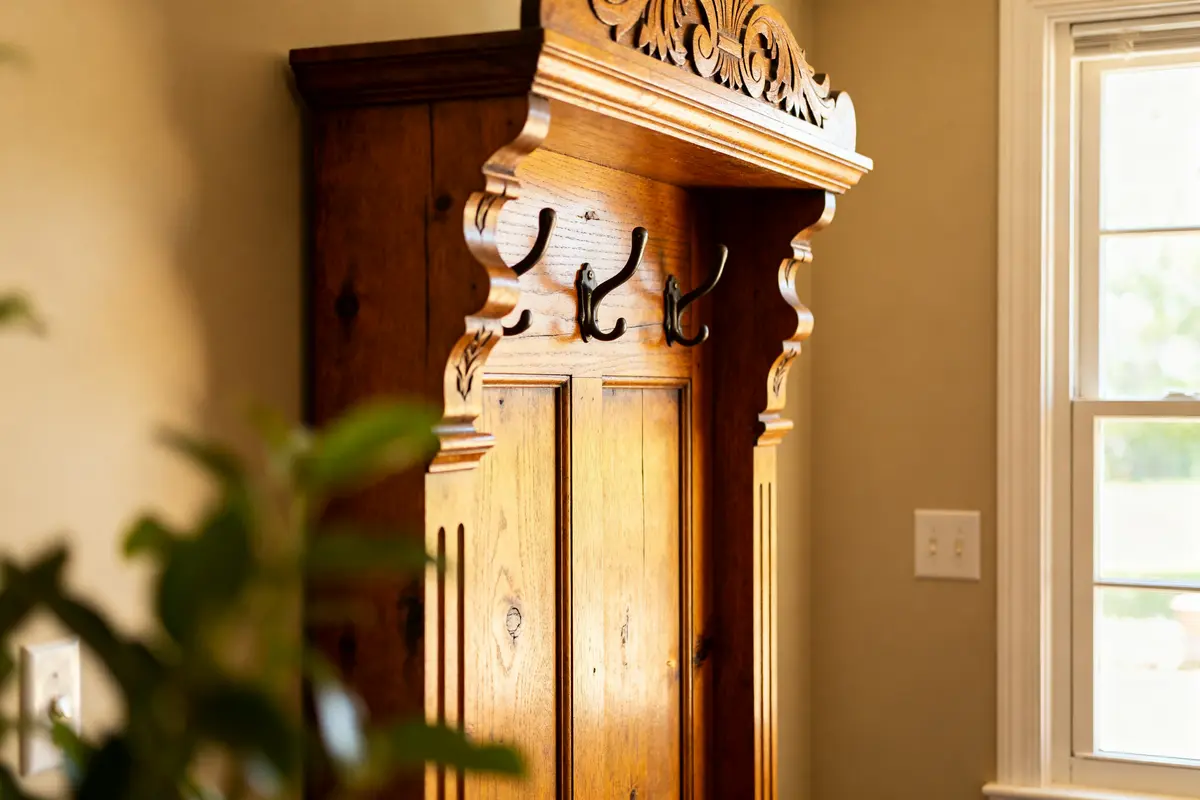
Rare design elements, such as solid hand-carved griffins or animal motifs, also affect value. Collectors prize original hardware, inlay work, and untouched finishes. Items from custom or limited production runs may carry a premium, as do hall trees with original beveled mirrors and umbrella stands. These original features demonstrate authenticity and enhance overall value.
Price Dampers: Wear, Repairs, Replacements
The price of an antique hall tree can decrease significantly if there is visible wear, poor-quality repairs, or replaced parts. Damage like water stains, missing hooks, or patched veneer can reduce value by 20 to 50 percent, depending on severity. Using modern replacement mirrors or hardware often diminishes the antique’s appeal and price since collectors seek original components. Inauthentic or clumsy restorations may devalue a hall tree just as much as structural damage.
Significant repairs, especially if unprofessional, can affect stability and authenticity, which lowers the market price. Minor cosmetic flaws, though, can often be fixed with expert refinishing without greatly impacting value. When inspecting hall trees, look for evidence of restoration like oversanding, mismatched woodgrain, or newer nails which might signal non-original parts. These details affect collector confidence and final appraisal.
Antique Hall Tree Styles Across Eras
Key Style Groups—Eastlake, Renaissance
Several prominent styles define antique hall trees, but the two most common that often appear in collections are Eastlake and Renaissance Revival. Eastlake, popular from the 1870s to 1890s, favored geometric shapes, incised linear carvings, and surface ornamentation rather than deep relief. This style aimed to reject excessive Victorian ornamentation with a more straightforward craftsmanship approach.
Renaissance Revival hall trees, on the other hand, are much more ornate with bold carvings inspired by classical motifs. They often feature heavy columns, cartouches, and elaborate crests that recall European art from previous centuries. These pieces typically date from the 1860s to 1880s and are prized for their bold presence in an entryway.
Hall Tree Distinguishing Features by Style
Each style brings specific features that help identify its period and maker. Eastlake hall trees average between 6 and 7 feet tall and tend to weigh 80 to 120 pounds, making them slightly lighter than Renaissance models. Eastlake pieces often use quarter sawn oak and have surface carvings like sunbursts, incised lines, and spindlework instead of deep wood reliefs. They typically include beaded or paneled mirror frames and sometimes feature small storage benches at the bottom.
Renaissance Revival hall trees are usually larger and heavier, ranging 7 to 8 feet in height and weighing 150 to 200 pounds. They showcase deeply carved oak or walnut, with motifs like acanthus leaves, lions, or griffins. These hall trees often have elaborate crowns and large beveled mirrors surrounded by architectural columns. The overall size and intricate carving make Renaissance Revival pieces dramatic statement furniture for any foyer.
Maintenance and Restoration Basics
Keeping an antique hall tree looking its best requires regular maintenance and careful restoration when needed. Dust with a soft cloth and avoid harsh chemical cleaners that can strip finishes. When repairing, it is best to use traditional woodworking methods such as hide glue and matching wood types to preserve furniture integrity.
Restoration costs can vary, but typical expenses include mirror replacement, which ranges from $150 to $400 depending on size and beveled edges. Minor carving repairs and veneer restoration usually cost about $200 to $600. Full refinishing with stripping and resealing can approach $1,000 or more. Always get multiple quotes from experienced restorers who specialize in antique furniture to ensure the best balance of quality and price.
Author’s Note
« Maintaining the original finish and hardware of an antique hall tree preserves its authentic value far better than aggressive refinishing or replacements. »
Authentication and Provenance for Vintage Furniture
Authentication is critical for confirming the genuine age and origin of an antique hall tree. Look for maker’s marks, labels, or stamps often hidden on the back or underside. Provenance documents, such as sales receipts, previous appraisals, or historical photos, add credibility. These records can increase buyer confidence and final value.
Physical signs to check include wood aging like a darkened patina, natural shrinkage cracks, and tool marks consistent with 19th-century woodworking. Avoid items with inconsistent joinery or modern screws that indicate recent construction. Expert appraisal is recommended when uncertainty exists, especially for hall trees claiming provenance from prominent makers or historic estates.
Where to Buy and How to Inspect
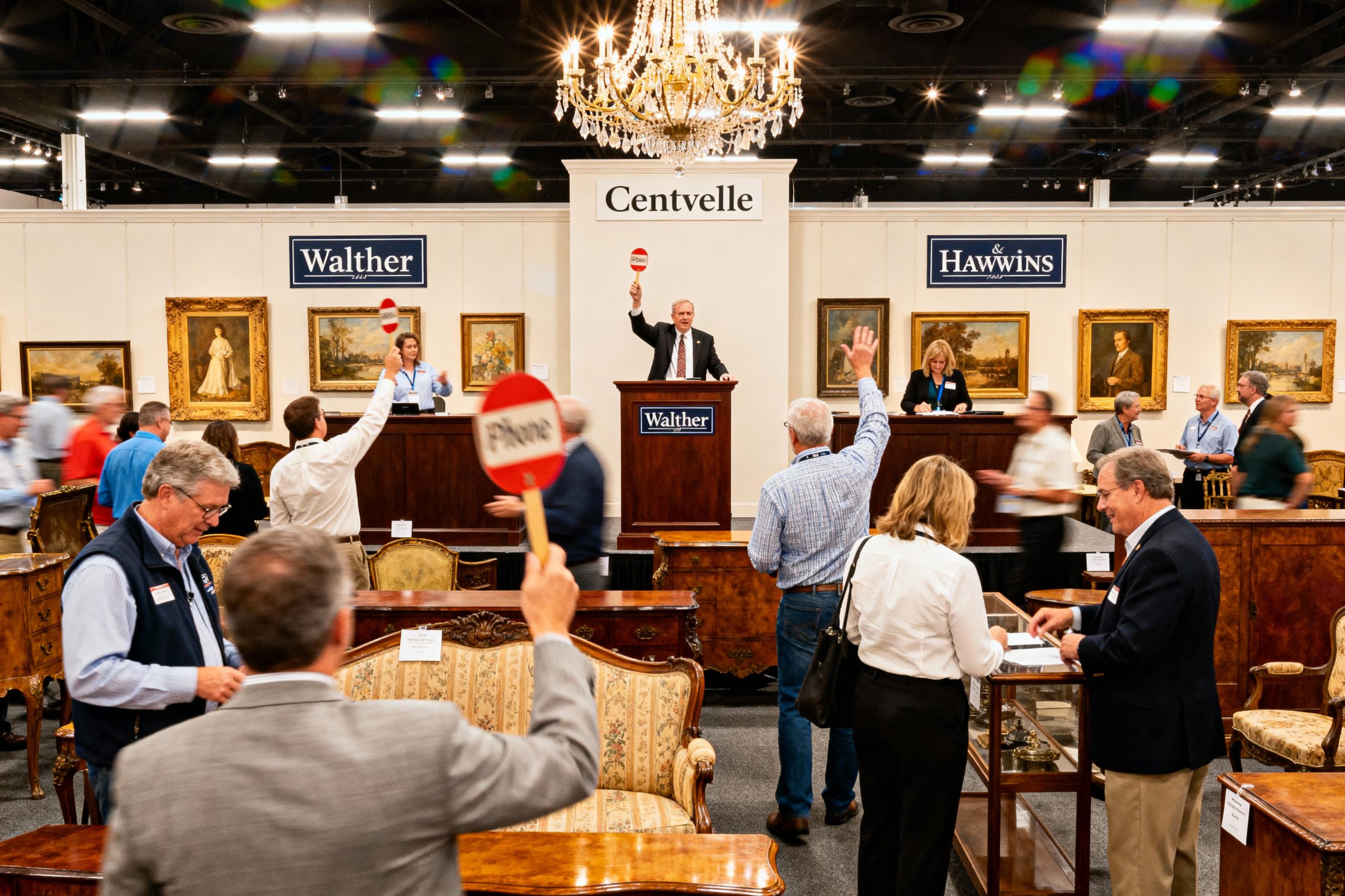
Trusted sources for purchasing antique hall trees include auction houses, reputable antique dealers, and specialized vintage furniture galleries. Online marketplaces can offer good options but require detailed photos and return policies. Local antiques fairs and estate sales also provide chances to see pieces in person.
When inspecting a hall tree before buying, use this checklist:
- Examine joints and structural integrity for looseness or repairs
- Check for original hardware and mirrors and note any replacements
- Look for signs of restoration or damage such as inconsistent finishes
- Verify the wood type and finish matches the claimed era
- Ask for provenance or any documentation related to the piece’s history
By applying this methodical inspection, you can ensure you’re investing in an authentic antique hall tree that will last and retain its value.
🧮 Antique Hall Tree Value Estimator
Estimate the approximate value of an antique hall tree based on era, maker, condition, and style.
FAQ: antique hall tree
Why are hall trees so expensive?
Hall trees can be expensive due to their intricate craftsmanship, historical significance, and original features such as hand-carved designs and beveled mirrors. Pieces from renowned makers or specific eras like Victorian often command higher prices because of their rarity and quality materials.
Where to put an antique hall tree?
An antique hall tree is best placed in an entryway or foyer where it can serve both functional and decorative purposes. It provides storage for coats, hats, and umbrellas while making a strong style statement right at the entrance of a home.
Why are they called hall trees?
Hall trees are called so because they were traditionally placed in hallways or entry halls to hang coats and store accessories. Their tall, tree-like design with hooks and stands resembles a « tree » for organizing outerwear near the home’s entrance.
Is there another name for a hall tree?
Another name for a hall tree is a “hall stand” or “coat rack.” While terminology varies, these pieces all refer to furniture designed to hold coats, hats, and umbrellas in entryways or halls.

John has been passionate about furniture and interior design for over a decade, combining his love for vintage pieces with modern styling techniques. After years of helping friends transform their spaces and restoring countless furniture finds, he started this blog to share his expertise and inspire others to create homes they truly love. When he’s not writing or hunting for unique pieces at estate sales, you’ll find him refinishing a mid-century dresser or experimenting with new room layouts in his own ever-evolving home.