Buying artwork can feel overwhelming, but knowing what drives value naturally helps you make smart choices. Whether you inherited a piece or want to start collecting, understanding how size, condition, subject matter, and authenticity affect pricing protects your investment. This guide reveals what makes a robert wood painting worth thousands versus tens of thousands, showing you exactly where to look and what red flags to avoid when buying or selling these beloved American landscape masterpieces.
What is the current value of a robert wood painting?
A robert wood painting currently ranges in value from a few thousand dollars to over $40,000 at auction, depending on several key factors. The market for his landscape works remains active, with collectors consistently seeking authentic pieces from this celebrated American artist.
Most genuine works sell between $5,000 and $25,000, though exceptional pieces have reached higher prices. The art market shows strong demand for his contributions to American landscape and impressionist movements.
Size plays a major role in pricing. Larger canvases typically command premium prices compared to smaller studies. A 24×30 inch canvas will generally sell for significantly more than a 12×16 inch work of similar subject matter.
Condition affects value substantially. Paintings requiring restoration or showing significant damage sell for considerably less than well-preserved examples. We advise examining any potential purchase carefully for signs of fading, cracking, or previous repairs.
What subjects and time periods influence price in landscape works by Robert Wood?
California coastline scenes represent some of the most sought-after subjects in Wood’s catalog. These dramatic seascapes, particularly those featuring Laguna Beach and other coastal locations, consistently perform well at auction.
Rocky Mountain landscapes from his time in Colorado also attract serious collectors. The sweeping vistas and dramatic lighting in these works showcase his mastery of atmospheric effects.
Texas Bluebonnet paintings hold special appeal, especially among collectors in the Southwest. These colorful wildflower scenes capture the essence of springtime in Texas and represent some of his most recognizable works.
The productive period from the late 1920s onward produces the most valuable pieces. Works from the 1940s and 1950s particularly command attention, as this represents his artistic peak when he worked in key locations like Woodstock and Bishop.
Earlier experimental works, while historically interesting, typically sell for lower amounts. The artist’s mature style developed during his later career resonates more strongly with today’s collectors.
How do provenance and authenticity affect value?
Documented history dramatically enhances a painting’s market value. Works with clear ownership records, exhibition history, or gallery documentation command significantly higher prices than pieces without proper provenance.
Previous ownership by notable collectors or institutions adds considerable value. Exhibition records from respected museums or galleries provide additional credibility and market appeal.
Authentication challenges exist in the market due to the popularity of Wood’s style. Reproductions and copies circulate widely, making verified originals increasingly valuable. We recommend working only with reputable dealers who provide authentication services.
Insurance appraisals and professional evaluations strengthen a work’s marketability. These documents provide buyers with confidence and help establish fair market value.
Authenticity and provenance considerations
Establishing authenticity requires careful examination of multiple elements. The combination of signature analysis, provenance documentation, and expert evaluation provides the strongest foundation for authentication.
Professional appraisers specializing in American landscape art offer valuable services for collectors. Their expertise helps distinguish authentic works from copies or misattributed pieces.
robert wood painting: signatures and marks to verify
Authentic signatures typically appear in the lower right corner of completed works. The artist’s signature style remained relatively consistent throughout his career, though subtle variations exist across different periods.
Signature placement offers important clues about authenticity. Genuine signatures integrate naturally with the painting’s composition rather than appearing added as an afterthought.
Brushwork analysis reveals the artist’s characteristic techniques. Wood employed specific methods for creating atmospheric effects and handling paint that experienced evaluators can identify. The quality and confidence of brushstrokes often distinguish authentic works from copies.
Canvas and frame examination provides additional authentication evidence. Period-appropriate materials and construction methods support claims of authenticity.
provenance documents, catalogs, and edition notes
Gallery records from established dealers provide excellent provenance documentation. Many reputable galleries maintain detailed records of acquisitions and sales over decades.
Auction house catalogs serve as valuable reference materials. Major auction houses like Sotheby’s and Christie’s maintain extensive databases of sold works with detailed descriptions and photographs.
Exhibition catalogs from museums and art institutions offer authoritative documentation. These publications typically include scholarly research and expert commentary on featured works.
The following documents strengthen provenance claims:
- Original gallery purchase receipts and certificates
- Insurance appraisals with detailed descriptions
- Auction house sale records and catalog listings
- Museum exhibition loans or display records
- Professional authentication certificates from recognized experts
Where to research and buy genuine Robert Wood works today
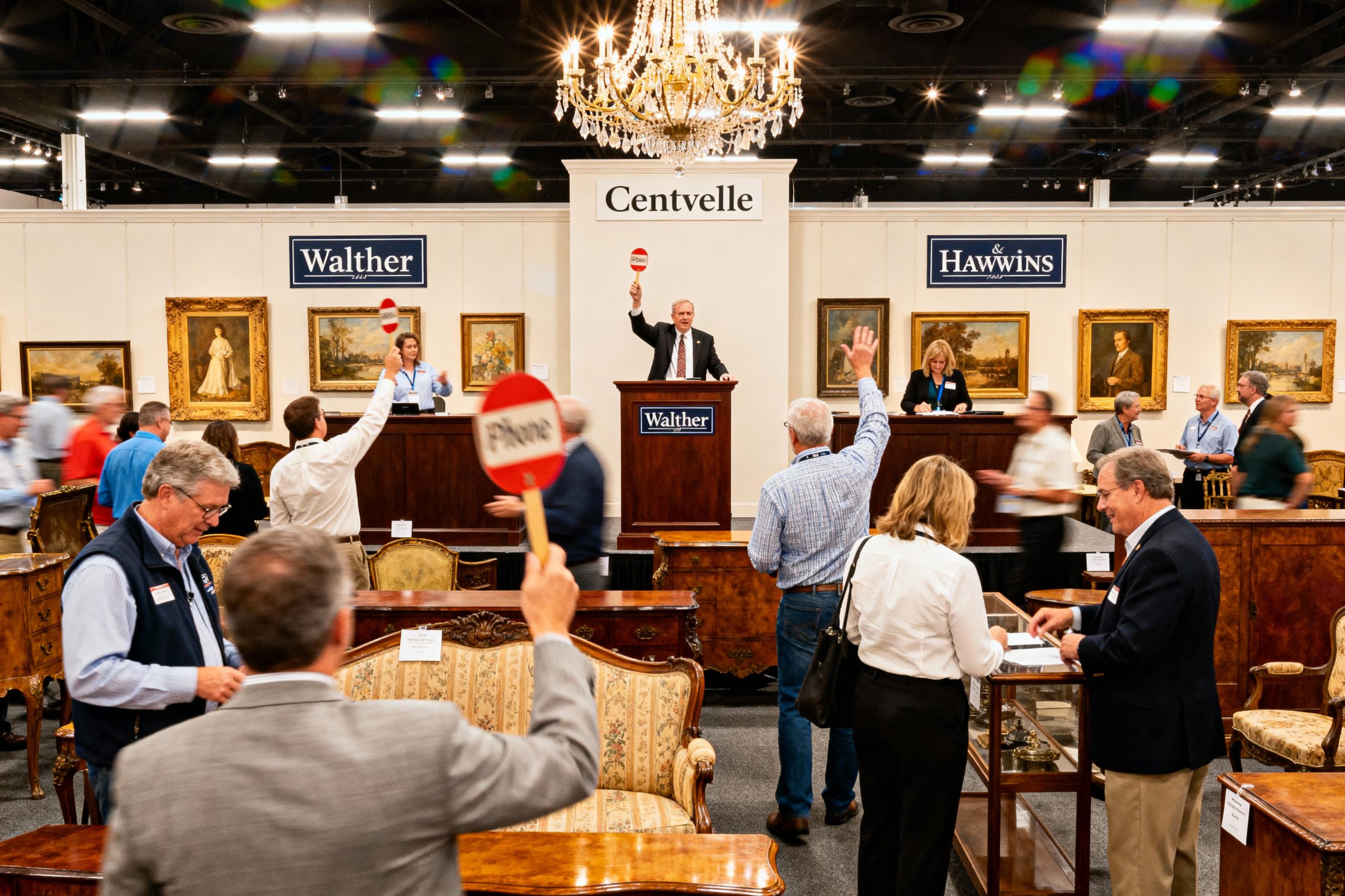
Established auction houses provide the most reliable marketplace for authentic works. Houses specializing in American art maintain strict authentication standards and detailed provenance research.
Galleries focusing on American Plein-Air and landscape art offer curated selections. These specialists typically guarantee authenticity and provide comprehensive documentation with purchases.
We strongly advise avoiding unverified online sources when making significant purchases. While legitimate dealers operate online, the lack of physical examination opportunities increases risk for buyers.
Research begins with auction record databases. Services like Benezit Dictionary of Artists and ArtNet provide historical sale information and price trends. These resources help establish fair market values for specific works.
Art appraisal societies maintain directories of qualified professionals. The American Society of Appraisers lists certified experts who specialize in robert wood painting evaluation and authentication.
Regional art museums often maintain research files on significant local artists. These institutions sometimes provide authentication services or expert referrals for serious inquiries.
Estate sales occasionally yield authentic discoveries, though buyers must exercise extreme caution. Professional evaluation becomes essential before making substantial investments through these channels.
FAQ
How can you tell if a Robert Wood painting is real?
To tell if a Robert Wood painting is real, look for authentic signatures typically found in the lower right corner. Examine signature placement and brushwork quality. Provenance documentation and expert evaluations also support authenticity.
Are Robert Wood paintings worth anything?
Robert Wood paintings are indeed worth money, ranging from a few thousand to over $40,000 at auction. The value depends on factors like size, condition, and unique subjects within his extensive catalogue.
What painting sold for $70 million?
The painting that sold for $70 million is « Salvator Mundi, » attributed to Leonardo da Vinci. It has garnered significant attention, setting a record for the highest price ever paid for a painting at auction.
How can I tell if my painting is worth money?
To tell if your painting is worth money, start by researching the artist’s market demand. Consider provenance, condition, and size. Consulting professional appraisers or researching similar sales can help establish a fair market value.
What subjects and time periods are most valuable in Robert Wood’s works?
Subjects like California coastlines, Rocky Mountain landscapes, and Texas Bluebonnets are among the most valuable in Robert Wood’s works. The periods from the late 1920s to the 1950s are particularly sought after by collectors.
How does provenance affect the value of a Robert Wood painting?
Provenance significantly affects the value of a Robert Wood painting as documented ownership history and exhibition records can enhance a painting’s market appeal. Provenance supports authentication and can lead to higher sale prices at auction.

John has been passionate about furniture and interior design for over a decade, combining his love for vintage pieces with modern styling techniques. After years of helping friends transform their spaces and restoring countless furniture finds, he started this blog to share his expertise and inspire others to create homes they truly love. When he’s not writing or hunting for unique pieces at estate sales, you’ll find him refinishing a mid-century dresser or experimenting with new room layouts in his own ever-evolving home.