Key takeaways:
The value of an antique coffee grinder depends heavily on manufacturing date with pre-1900 models commanding about 30% higher prices. Factors such as rarity and original condition including paint, burrs, and rust presence also significantly affect worth. Provenance and maker’s marks serve as critical indicators for authenticity and desirability among collectors.
How can you be sure your antique coffee grinders are genuine and worth collecting? Identifying authentic items requires careful analysis of historical significance and visible craftsmanship features like hand-forged metals and premium materials. Condition quality and maker recognition directly influence collector interest, while understanding mechanical components safeguards investment value. With this knowledge, you can confidently assess and maintain antique grinders with greater precision and appreciation.
Antique Coffee Grinder: What Defines Its Value
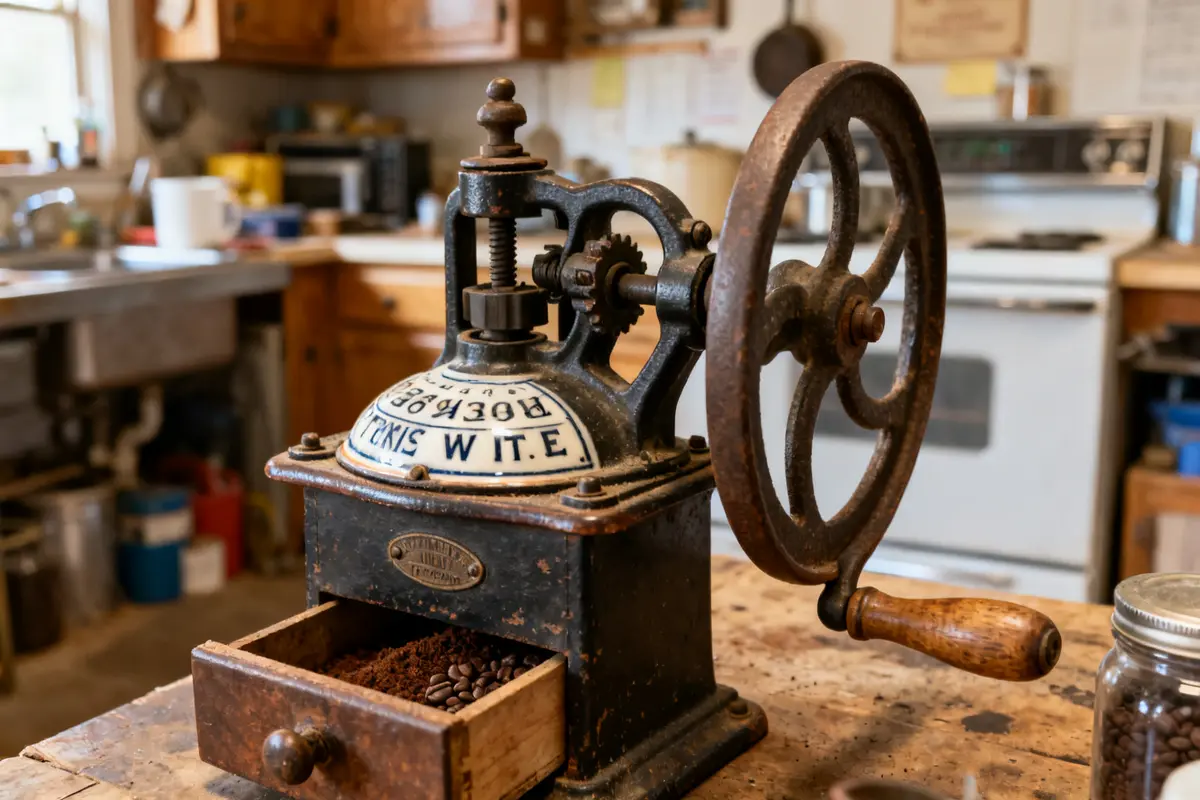
An antique coffee grinder is valued based on several key factors. The manufacturing date plays a big role; grinders made before 1900 typically fetch around 30% higher prices than those made later. Rarity also impacts value, with less common models commanding more interest among collectors. Craftsmanship and materials such as brass, cast iron, or fine wood add to the equipment’s worth.
Condition matters a lot too. Original paint, intact burrs, and minimal rust can significantly raise the grinder’s value. A grinder’s provenance, including its maker’s mark and historical significance, creates desirability. Not all grinders are antiques; reproductions often look similar but lack the patina and mechanical precision of real vintage pieces. When collecting or buying, understanding the history and craftsmanship behind your piece helps determine what you’re truly getting.
Antique Coffee Grinder: Identify Real Examples
Identifying authentic antique coffee grinders requires examining details like maker stamps, construction materials, and manufacturing techniques. Look for hand-forged metal, solid wood bases, and ceramic burrs, which were common before electric models appeared. Some famous makers include Lane Brothers, Peugeot, and Kalita, each with distinctive designs and logos.
Inspect wear patterns on functional parts, especially the burrs and grinding wheels. Genuine antiques often have a smooth, well-worn patina without signs of modern machining. Keep an eye out for inconsistencies that suggest recent modifications or repairs. Because reproductions can be deceiving, cross-referencing catalogs and auction records helps verify authenticity. Remember, the grind quality of an antique coffee grinder is influenced by the intactness of its ceramic burrs and gear system.
Care and Restoration: Cleaning and Repairs
Cleaning Ceramic Burrs and Metal Parts
Cleaning an antique coffee grinder involves patience and gentle care to preserve its components. For ceramic burrs, it’s best to clean every 4 to 6 weeks depending on use to maintain consistent grinding performance and extend the grinder’s lifespan. Begin by disassembling the grinder carefully, noting each part’s placement.
Use a soft brush to remove loose grounds, then grind a small amount of uncooked rice to absorb oils and residue. Follow with wiping metal parts gently using a damp cloth and a mild, non-abrasive cleaner. Avoid soaking wooden components, as moisture can damage finishes and cause warping. Dry thoroughly before reassembly to prevent rust.
Basic Repairs vs. When to Hire a Pro
Minor repairs like tightening screws, replacing missing knobs, or lubricating gears can be done by enthusiasts with basic tools. For issues involving damaged burrs, cracked ceramic parts, or structural damage, professional restoration is recommended. Experts have access to period-appropriate materials and can preserve the grinder’s authenticity while ensuring it remains functional.
Attempting complex repairs without experience risks devaluing the grinder. Preservation of original mechanical parts and finishes is crucial in restoration, especially for collectible grinders where maintaining historical integrity directly affects value.
Author’s Note
« When restoring an antique coffee grinder, preserving the original ceramic burrs is key to maintaining consistent grind quality and collector value. »
Safe Use and Maintenance Tips
Using an antique coffee grinder safely means avoiding excess force on the crank and operating it regularly to prevent parts from seizing. Check for looseness in the mechanism and adjust the grinder to avoid uneven wear. Lubricate metal components with food-safe oils sparingly, especially on older cast iron parts at risk of rust.
Store your grinder in a dry, dust-free environment to protect delicate parts like the ceramic burrs and wooden housing. Avoid using modern cleaning chemicals that can degrade original finishes. Routine inspection for wear or damage helps detect early issues before they affect functionality.
Collecting Guide: Brands and Notable Models
Signature Styles by Maker
Many antique coffee grinders display unique styling that reveals their maker and era. Lane Brothers grinders often feature ornate cast iron wheels and a robust build. Peugeot models are known for their smooth crank operation and elegant wood finishes. Japanese brands like Kalita use ceramic burrs with precise grinding adjustments in compact bodies.
Recognizing these signature styles helps collectors identify and appreciate grinders. Each maker used distinct materials and patents, which affect rarity and value. For instance, French mills with intricate engravings or brass cabinetry are prized for their decor as well as function. Understanding these characteristics aids in building a meaningful, valuable collection.
Grading Condition and Value
Condition grading goes beyond subjective impressions. Collectors often follow quantifiable scales, such as patina grading on a scale from 1 to 10 or percentage wear ranges on moving components. For example, less than 15% wear on the burr teeth may qualify for a high-grade rating, boosting value considerably.
Authenticity is assessed by checking for original parts, finish, and manufacturer markings without modern replacements. A grinder with minimal rust but showing appropriate age patina scores higher than one with heavy corrosion or damage. Such grading systems provide transparency and accuracy in valuations, allowing buyers and sellers to agree on price more confidently.
Where to Find and Buy Antique Grinders
You can find genuine antique coffee grinders in places like estate sales, auctions, and specialized antique shops. Online marketplaces and vintage forums also offer access to rare finds. When purchasing, request detailed photos and provenance to verify the item’s condition and history.
Consider attending collector fairs where experts often exhibit and appraise grinders on site. Local flea markets can surprise you with hidden gems, though condition and authenticity checks are critical here. Pricing varies widely, so having basic knowledge on grading condition and key makers helps you avoid overpriced or fake items.
Patience is essential. Building a quality collection often requires waiting for the right models to appear. Be cautious of fast sellers online and always ask about return policies when buying expensive antiques.
🧮 Antique Coffee Grinder Value Estimator
Estimate the value of an antique coffee grinder based on age, condition, and maker.
FAQ: antique coffee grinder
Are old coffee grinders worth anything?
Old coffee grinders are worth something, especially if they are antiques from before 1900, made by renowned makers, and in good condition. Their value depends on rarity, materials, craftsmanship, and original parts. Well-preserved grinders with historical significance can fetch higher prices among collectors.
Is it safe to use an antique coffee grinder?
It is safe to use an antique coffee grinder when operated with care. Avoid forcing the crank, lubricate metal parts with food-safe oils sparingly, and inspect regularly for wear. Proper maintenance and gentle handling help preserve its function without damaging delicate components like ceramic burrs.
How to date an antique coffee grinder?
To date an antique coffee grinder, examine maker stamps, construction materials, and manufacturing techniques. Grinders made before 1900 often have hand-forged metals and solid wood bases. Researching maker marks and cross-referencing catalogs or auction records helps verify the manufacturing year accurately.
Are antique coffee grinders any good?
Antique coffee grinders are good when their ceramic burrs and gear systems are intact and well-maintained. They offer consistent grind quality if original parts are preserved. Many antique grinders still perform well, combining craftsmanship with reliable mechanical precision unlike many modern reproductions.

John has been passionate about furniture and interior design for over a decade, combining his love for vintage pieces with modern styling techniques. After years of helping friends transform their spaces and restoring countless furniture finds, he started this blog to share his expertise and inspire others to create homes they truly love. When he’s not writing or hunting for unique pieces at estate sales, you’ll find him refinishing a mid-century dresser or experimenting with new room layouts in his own ever-evolving home.