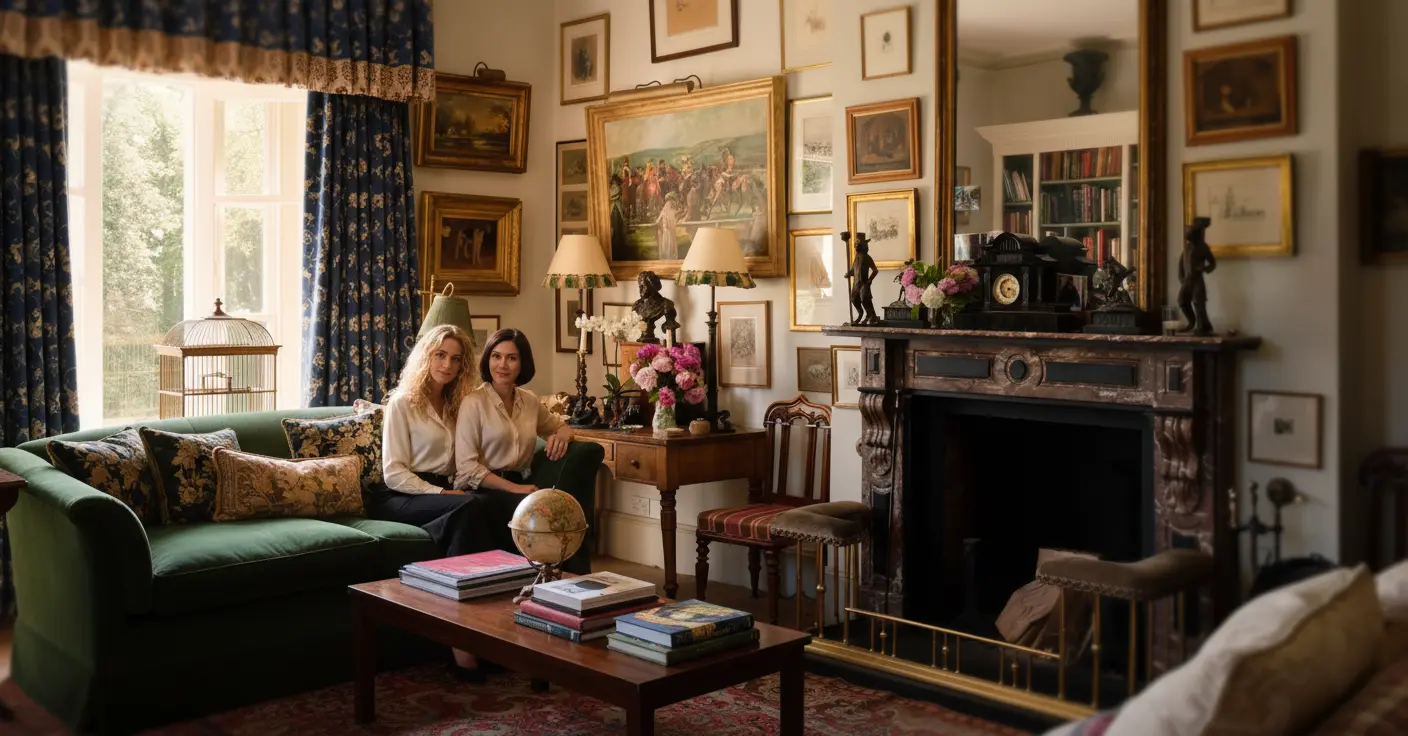
Ever wondered why a dusty antique store or that slightly wonky neighborhood café makes you feel right at home, while the glitz of a chain store just leaves you cold? You’re not alone—there’s a deeper, surprisingly scientific reason behind your love of all things vintage and quirky, and it’s got nothing to do with just being a sentimental old soul.
The Real Pull Behind Vintage Charm
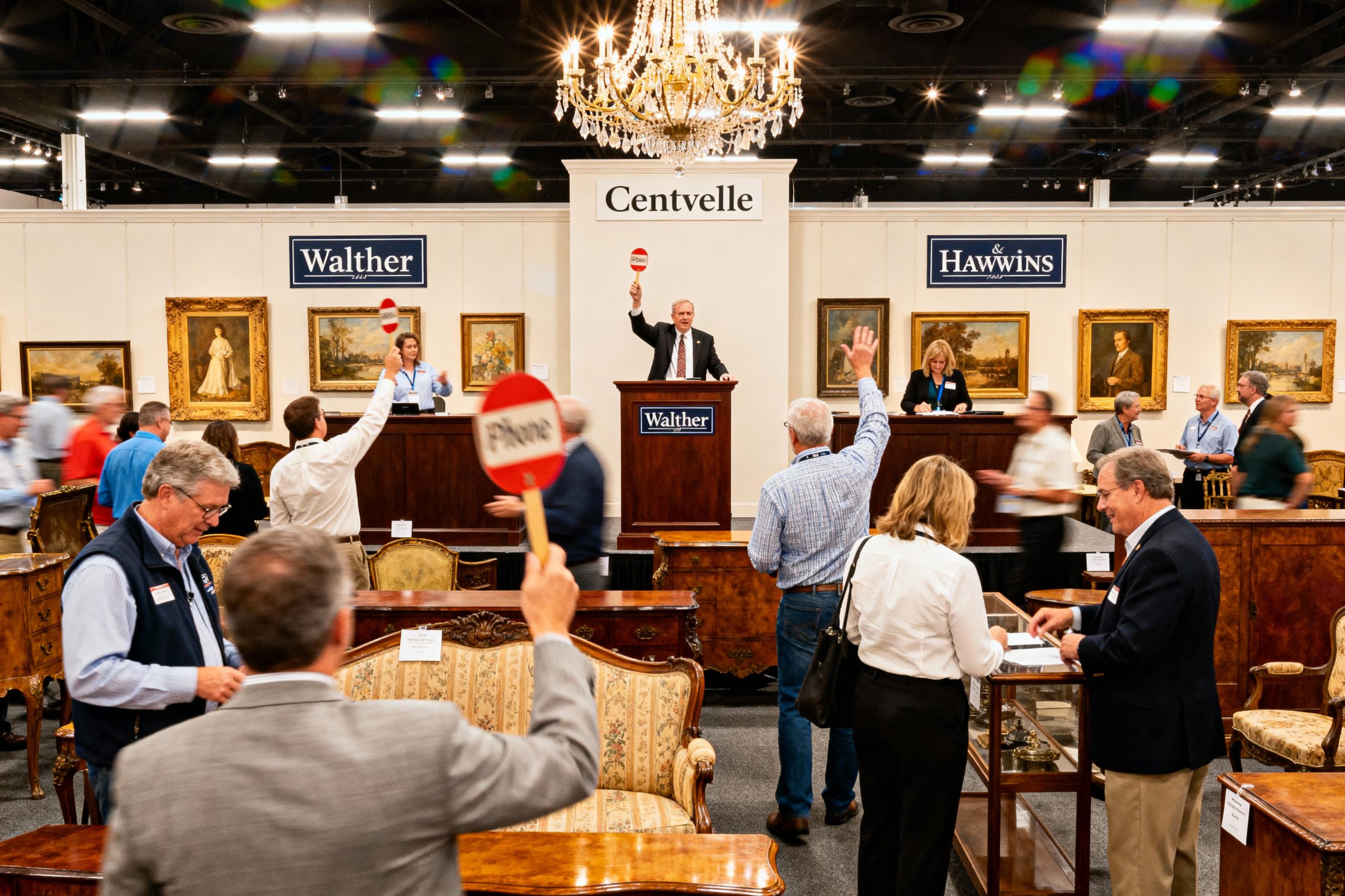
For some of us, little beats the pleasure of a peaceful Saturday morning spent rummaging through an estate sale, or sipping a latte at a unique, independently owned café. These moments don’t just delight—they ground us. In a world where beloved corners of our cultural landscape seem to be slipping away, places like these feel like anchors. They’re relaxing, like a morning workout for the spirit or that chatty catch-up with friends you’ve been putting off for weeks.
But why do these spaces tug at our hearts while big-box stores—or coffee chains as abundant as “live, laugh, love” wall art—leave us unmoved? The answer is more profound than nostalgia: it’s about something psychologists call place authenticity.
What is Place Authenticity?
According to Ashley Krause, M.S., a doctoral student in psychology at the University of Florida, and coauthor of a study on the concept, “Place authenticity refers to the unique essence of a place that makes it feel genuine, alive, and connected to its history, culture, or community.”
This idea doesn’t just float in the academic ether. It weaves into how you experience being yourself—your personal authenticity. When you genuinely enjoy a place with a look and feel that can’t be duplicated, it’s because that environment resonates with who you are. In other words, one-of-a-kind places connect with your one-of-a-kind self.
Krause’s research found that when people recalled moments they felt truly connected to a place, it was often the sense of authenticity that sparked stronger emotional bonds. Authentic places become touchstones for stability, continuity, and identity—a kind of personal sanctuary from the “copy-paste” spaces dominating so much of modern life.
The Subjective Lens: Authentic for Whom?
Now, here’s where it gets personal—really personal. Place authenticity is a subjective experience. In fact, Krause points out that two people might view the same spot completely differently: the vinyl shop you cherish as the soul of your neighborhood may strike someone else as a pretender that dethroned an even older mom-and-pop original. And even your own perception might shift depending on your mood or memories.
Ever walked into a space you’ve never visited, only to feel instantly like you belong? That’s authenticity at work—even if you can’t quite put your finger on what’s causing it. This sense of ease is shaped by a variety of subtle, but real, factors.
Bringing Authenticity Home
Home is supposed to be the ultimate authentic place, right? Not always. Just moved into a brand-new dwelling? Don’t be surprised if it takes a while for “authenticity” to catch up. Like slow decorating—waiting for your space to grow into something that’s utterly yours—cultivating authenticity at home is a labor of love and patience, not a shopping spree for the next trend.
Krause sums it up perfectly: “Authenticity arises from genuine connections, history, and emotional resonance, and these can’t be replicated by simply mimicking aesthetic elements.” But don’t worry! You can infuse your home with authentic spirit in three powerful ways:
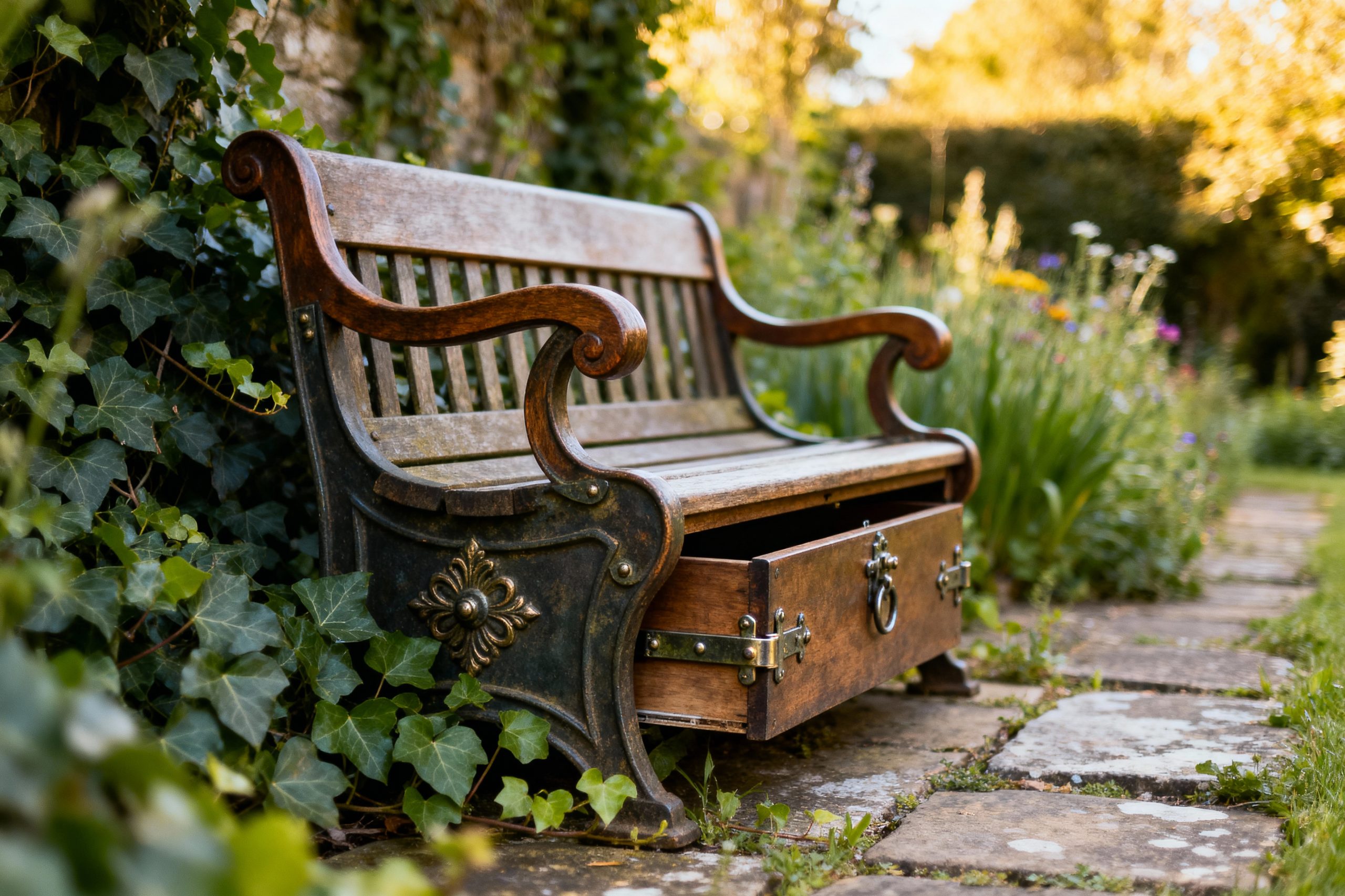
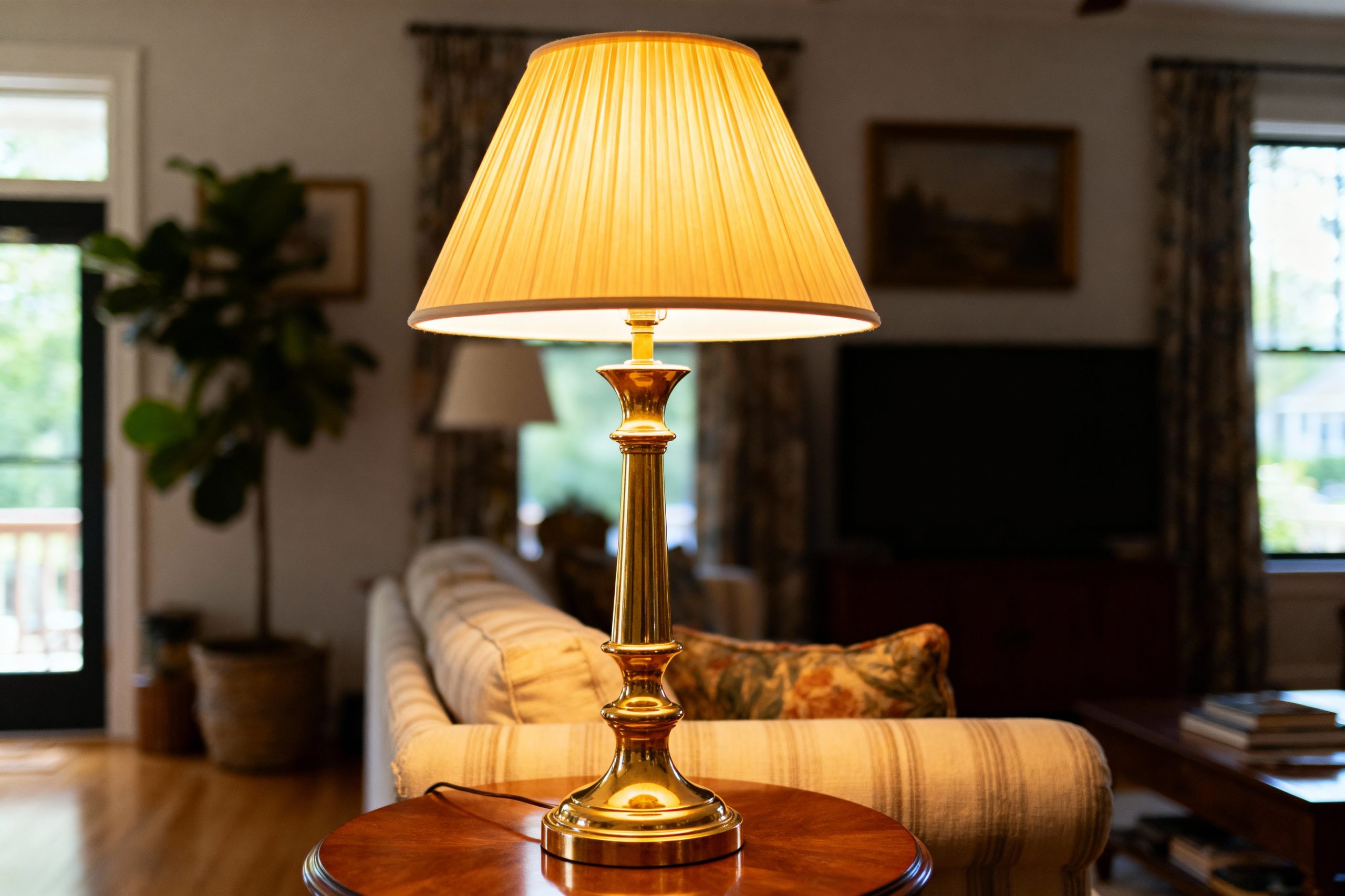
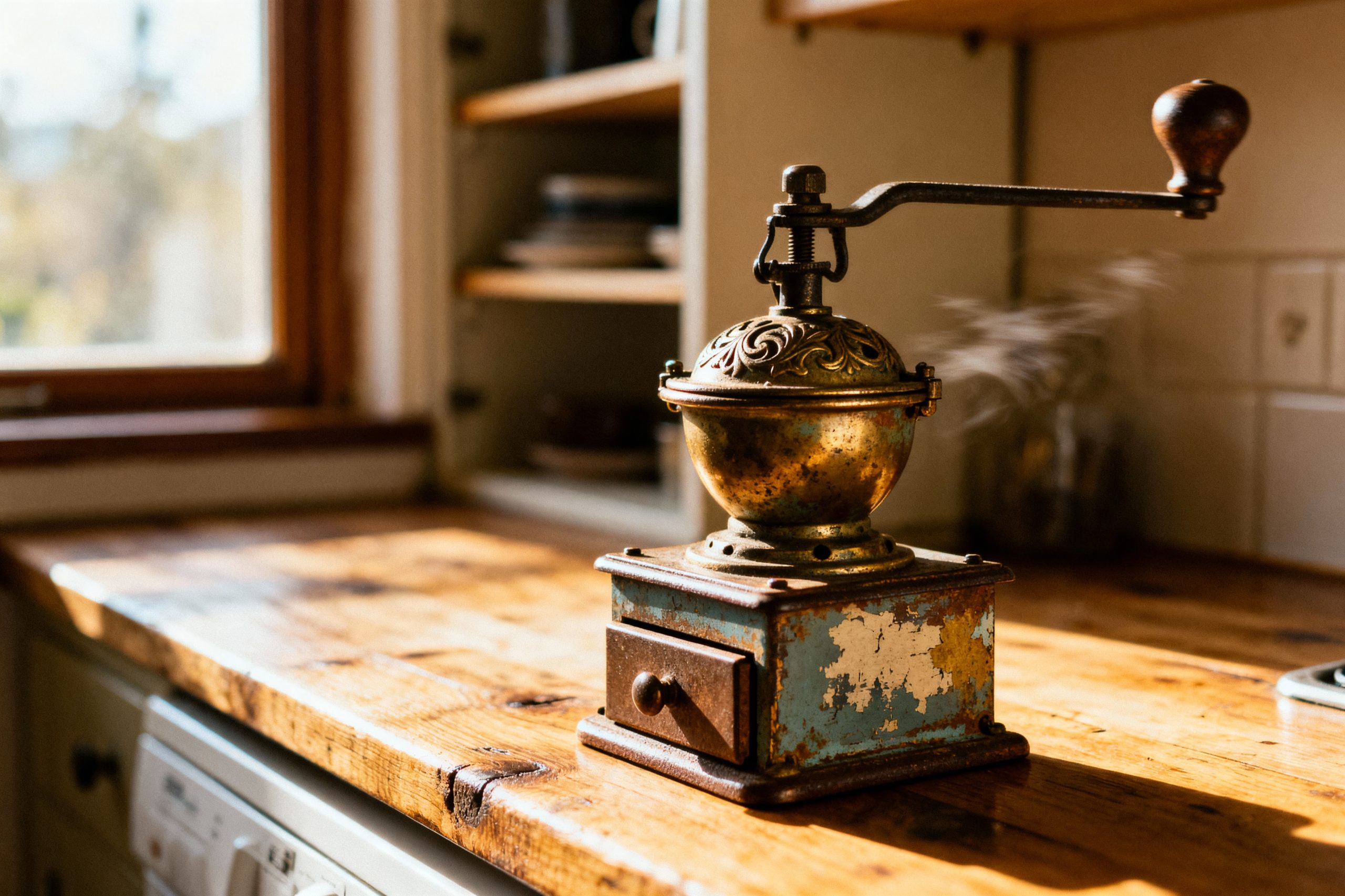
- Bring in historical elements: Heirlooms, antiques, or art reflecting your heritage foster roots and depth. Anything with personal or cultural significance tethers your space in meaning.
- Personalize your décor: Trendy is fun, but authenticity calls for items tailored to your identity—be it a piece from a local craftsperson, or décor that tells the story of your experiences.
- Create spaces for connection: Making room for human interaction—think a friendly kitchen or a cozy living room—turns houses into homes. Shared memories warm up the space, and the love you share seeps into the walls (figuratively, of course).
So, next time you bypass the bland for a place—or a piece—that feels soulful and rare, congratulate yourself. You’re listening to a need for authenticity, connection, and meaning. Turns out, you’re not just decorating or haunting antique stores—you’re building a life that feels real to you.

With a discerning eye for exceptional craftsmanship and timeless beauty, Edward has dedicated his career to sourcing and curating fine antique furniture from across USA. His deep appreciation for historical design, from Georgian elegance to Art Deco sophistication, guides collectors and enthusiasts in discovering pieces that tell stories of bygone eras. Through his expertise and genuine passion, he helps preserve the artistry of master cabinetmakers while bringing distinguished character into contemporary homes.