Key takeaways:
Understanding who buys antiques influences your selling strategy, especially when factoring local cash offers, payment timing, and fee structures. Dealers often provide immediate payment but at wholesale prices, whereas consignment and auction channels can delay payment up to 60 days and charge commission fees ranging from 15% to 40%. Direct self-sale eliminates fees but demands accurate pricing and marketing effort.
Who buys antiques for cash can vary widely, and knowing this affects how quickly and efficiently you convert valuables into funds. Many sellers underestimate the impact of payment timing or the nuances in commission rates from dealers, consignment shops, or auctions. With local buyers, navigating these differences while avoiding scams is critical for maximizing returns. By focusing on legitimate offers and clear payment terms, you can confidently select appropriate selling methods and ensure a smooth transaction.
Local Options for Who Buys Antiques for Cash
Sell to a Dealer Outright: Pros and Cons
Selling antiques outright to a dealer is one of the quickest local ways to get cash in hand. Dealers often pay immediately or within a day or two after appraisal, which is a key benefit if you want fast payment.
Dealers have established market knowledge and can offer fair prices based on current demand. The process is convenient since you avoid waiting for an item to sell elsewhere. Yet, this approach often means accepting a price below retail value, since dealers must resell for profit.
Another advantage is avoiding risks tied to other selling channels, like auctions where outcomes can be unpredictable. But watch out for dealers who inflate offers to outbid others but fail to deliver payment promptly.
Sell on Consignment: What to Expect
Consignment sells antiques for you through a shop or specialized dealer. They display your items, taking a commission once the sale happens — usually between 20% and 40%. Payment timelines here vary, but most consignment shops pay sellers within two to six weeks after an item is sold.
Prices may be negotiable if the item doesn’t sell quickly. Shops often lower prices by 10% to 20% every 4 to 6 weeks to move merchandise, so sellers should expect some price adjustments over time.
Consignment offers the chance to get closer to market value without upfront effort, but it requires patience. It also means your antiques remain at the shop until they sell or are returned.
Sell at Auction: Fees, Timing, Risks
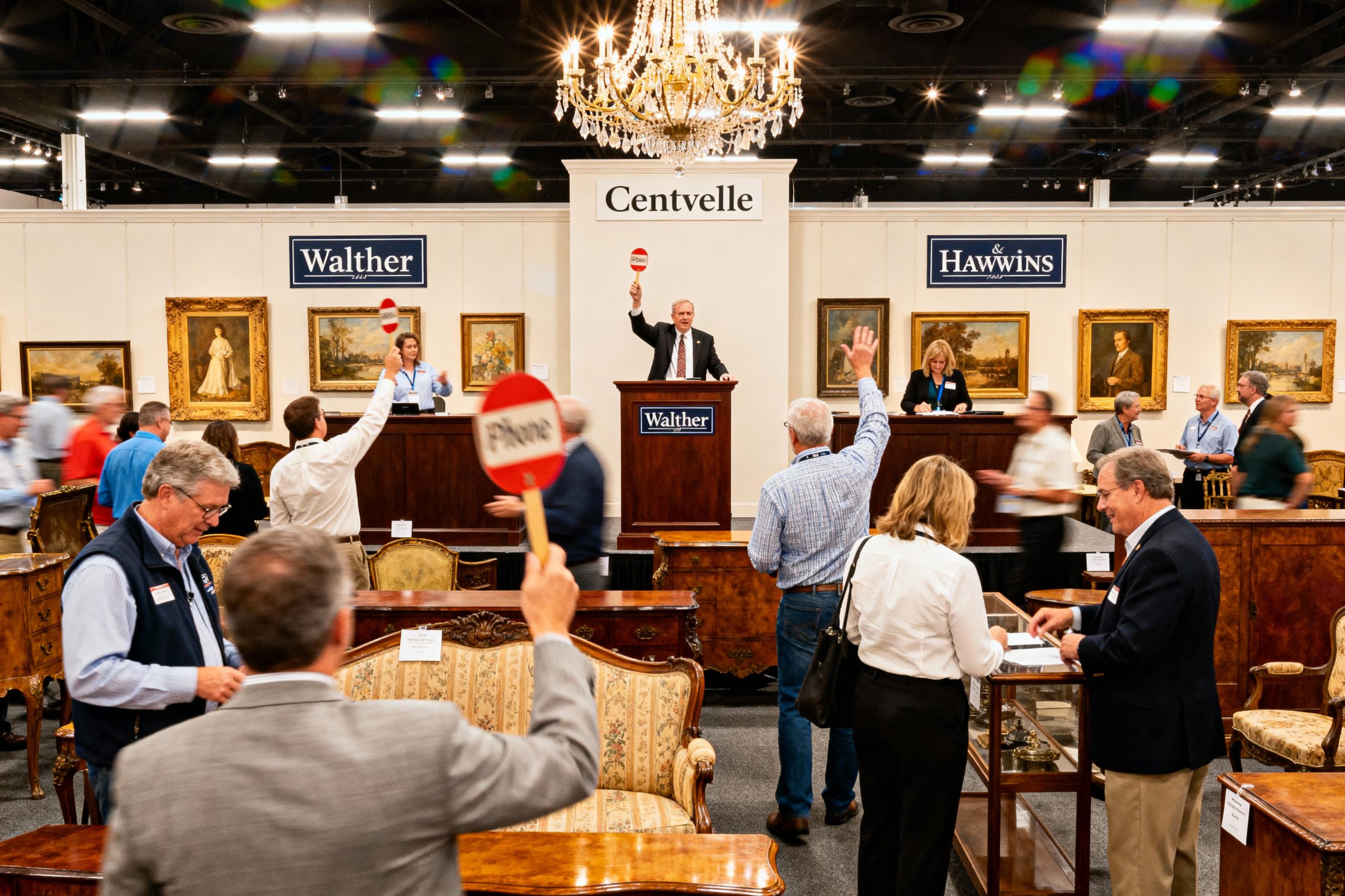
Auction houses provide an open market for antiques, and potential for higher sale prices. Sellers must pay commission fees, often around 15% to 20%, and auctions charge buyers a similar percentage. Timing to payment can be about 30 to 60 days after the auction closes.
Auctions carry risks such as fluctuating results; some items may go for less than expected. Industry data shows that approximately 5% to 7% of small auction houses sometimes go out of business mid-sale, which can leave consigners unpaid. This risk means choosing a reputable auction is vital.
Despite risks, auctions are a good option for rare or high-value antiques that attract collector attention.
Sell Items Yourself: Pricing and Markets
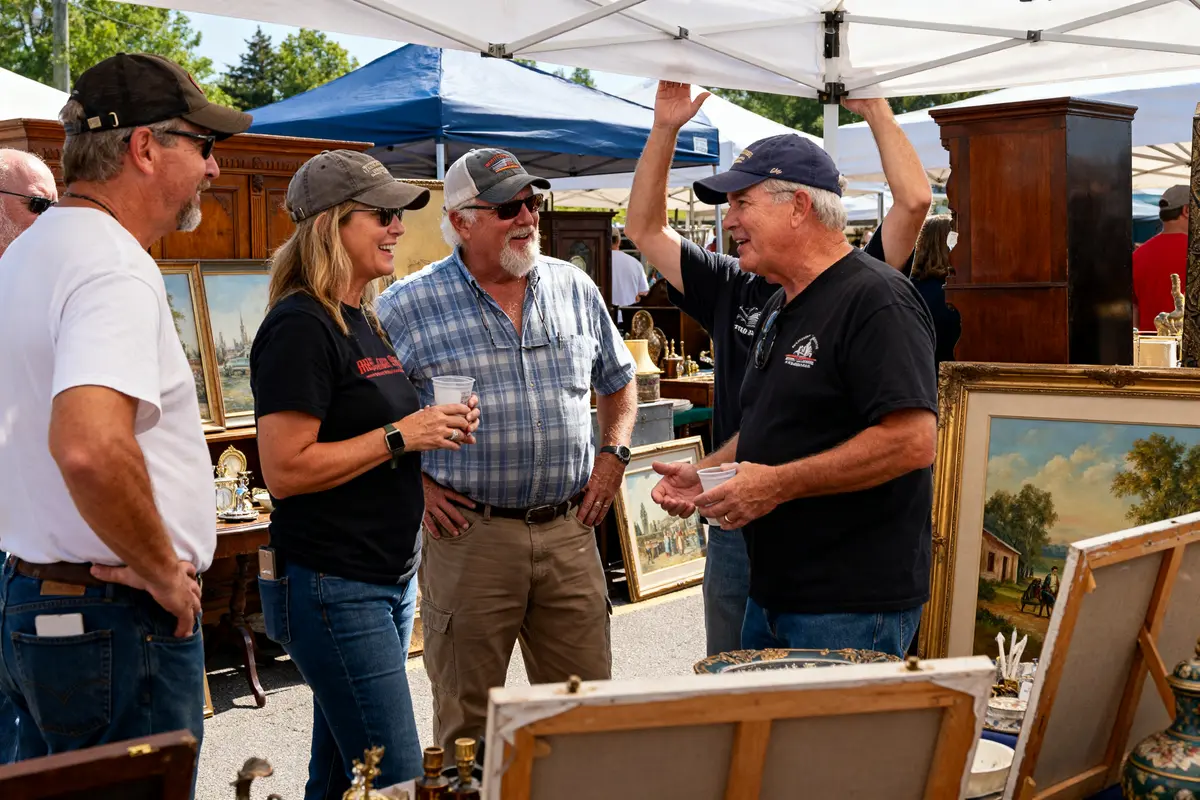
Self-selling antiques allows you to set your own prices and reach buyers directly through flea markets, online platforms, or garage sales. This channel avoids commission fees, so you keep full proceeds.
You must be prepared to price items competitively by researching market values and trends. Pricing too high can lead to unsold inventory; pricing too low forfeits potential cash.
Markets for direct sales have grown, especially online, offering broader reach. Yet, self-sale requires effort in advertising, negotiation, and safe payment handling.
Questions to Ask: Who Buys Antiques and How They Pay
When considering who buys antiques for cash, it’s important to ask potential buyers several key questions:
- How fast is payment made? Dealers usually pay immediately or within a few days, while consignment and auction payments often take weeks.
- What forms of payment do they offer? Cash, check, electronic transfer, or store credit?
- Do they provide written offers or valuations? This ensures clarity and trust.
- Are there any hidden fees? Especially in consignment or auction venues.
- What is their process for negotiating prices? Understanding typical price reductions or fee adjustments helps set realistic expectations.
These questions help you vet buyers effectively and improve your selling experience.
Author’s Note
« Always verify the payment timeline with your buyer upfront. While dealers typically pay within days, some consignment shops take up to six weeks, and auction payments can be delayed 30 to 60 days. »
Selling Channels: Dealer, Consignments, Auctions, and Self-Sale
Sell to a Dealer Outright: Pros and Cons
Dealers provide convenience and fast cash with minimal hassle. Straight sale means no waiting on auctions or consignments.
But you must accept a wholesale price that allows dealers a profit margin. Comparing multiple dealer offers can increase your final payout.
Sell on Consignment: What to Expect
Consignment shops market your antiques while you avoid upfront selling stress. They manage selling, negotiations, and pricing reductions over time, usually lowering prices by 10% to 20% every few weeks if items linger.
You should clarify how long consignments stay listed before price drops or returns occur. Payment is made only after sale, often within 2 to 6 weeks.
Sell at Auction: Fees, Timing, Risks
Auction fees work on a commission basis, often totaling 25% to 30% combined seller and buyer fees. Timing for payment is usually 30 to 60 days post-auction.
Approximately 1 in 15 small auction houses have gone out of business mid-sale in recent years, leaving consigners unpaid. Large houses like Sotheby’s have fewer such issues but may charge high fees.
Sell Items Yourself: Pricing and Markets
Selling yourself means pricing items correctly and managing the sales process. You avoid commission fees but must invest time in markets like eBay, Etsy, or local flea markets.
Successful self-sales require research to match current market demand, spotting trends for vintage or antique collectibles.
Vet Buyers and Avoid Scams
Antiques attract scammers looking to pay less or avoid payment altogether. Protect yourself by:
- Researching buyer reviews and checking memberships with professional trade associations.
- Verifying the buyer’s identity and requesting a written offer before final sale.
- Meeting in safe, public locations if selling locally to avoid fraud and theft risks.
- Avoiding buyers who pressure for immediate private transactions without contracts or proof of funds.
Trust is vital when choosing who buys antiques for cash locally.
Prep Steps to Maximize Cash Value
Before selling, take steps to make your antiques as appealing and valuable as possible:
- Clean gently: Remove dust and dirt but avoid harsh chemicals that can damage patina.
- Document provenance: Provide any history or appraisal certificates that add credibility.
- Take quality photos: Clear images highlight unique features for listings or dealers.
- Research current market prices: Compare similar antiques to set realistic expectations.
- Consider minor repairs: Fix loose parts or broken mechanisms if cost-effective, as this may increase value.
Prepared items tend to fetch better prices and speed up the selling process. Combine these steps with trusted channels, and you increase your chances of a successful sale.
🧮 Calculator for Who Buys Antiques
Estimate your net cash from selling antiques through different channels based on price and fees.
FAQ: who buys antiques
What is the best way to sell my antiques?
The best way to sell your antiques depends on your priorities. Selling to dealers offers fast cash but usually lower prices. Consignment shops and auctions may get higher prices but take longer and charge fees. Selling yourself avoids fees but needs effort and market research.
How to get rid of unwanted antiques?
To get rid of unwanted antiques, consider selling outright to dealers for quick cash, consigning with shops, auctioning for potential higher returns, or selling directly online or at markets. Choose the option that fits your timeline and willingness to handle the sale process.
What antiques are currently in high demand?
The antiques currently in high demand include rare, collectible, and vintage items with provenance. Market trends shift, so researching recent sales and auctions helps identify which pieces attract buyers. Dealers and auctioneers can advise on what is popular locally and nationally.
How to tell if an antique is worth money?
To tell if an antique is worth money, check its age, condition, rarity, provenance, and maker. Getting appraisals, comparing with similar items on the market, and researching historical value help estimate worth. Well-documented, high-quality pieces generally have higher value.

John has been passionate about furniture and interior design for over a decade, combining his love for vintage pieces with modern styling techniques. After years of helping friends transform their spaces and restoring countless furniture finds, he started this blog to share his expertise and inspire others to create homes they truly love. When he’s not writing or hunting for unique pieces at estate sales, you’ll find him refinishing a mid-century dresser or experimenting with new room layouts in his own ever-evolving home.