Key takeaways:
Knowing where to sell antiques allows sellers to target buyers effectively across platforms like auction houses or online marketplaces. Commissions can vary widely, ranging from 15% to 40%, impacting net proceeds significantly. Choosing the right sales channel depends on item rarity, value, and seller preferences for convenience versus maximizing returns.
What if the easiest way to sell antiques is not the most profitable? Many sellers overlook how auction fees or consignment commissions can reduce final payouts substantially, especially for rare or high-value items. Navigating the complex array of fee structures and seller protections across platforms is essential to avoid common pitfalls and scams. By understanding key differences between dealers, marketplaces, and brokers, collectors can optimize listings and timing to secure the best offers quickly and safely.
Where to Sell Antiques: Platforms for Every Item
Direct Sales to Antique Dealers
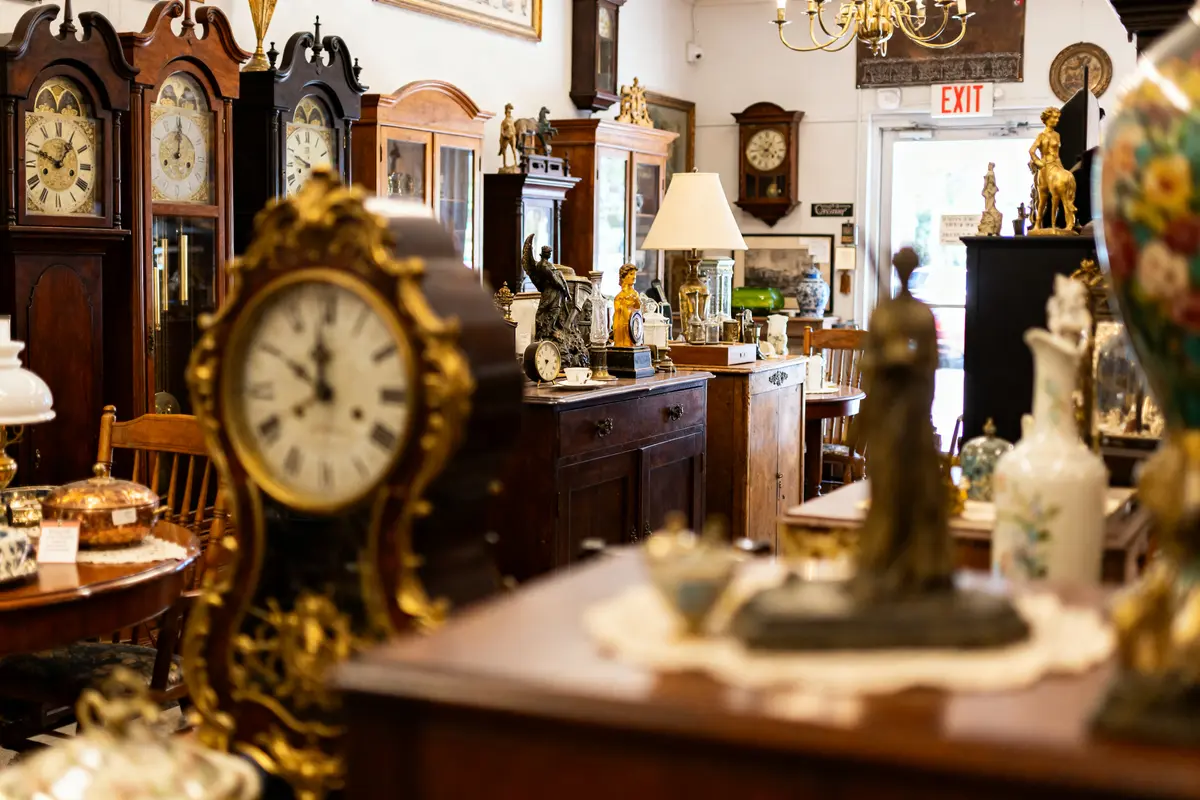
One of the quickest ways to sell antiques is to approach antique dealers directly. Dealers often look for specific items that fit their inventory, making this a practical option if your antiques are common or moderately valuable. When you contact a dealer, provide clear photos and detailed descriptions including provenance, maker, and condition. Expect to receive offers between 40% and 70% of retail value, as dealers resell for profit.
Dealing with experienced, trusted dealers is key. A reputable dealer’s insight can help you gauge market demand and avoid underpricing. Remember, dealers factor in their costs like restoration and storage, so their offers might feel low, but they can provide a hassle-free experience. For rare or high-end antiques, dealers with specialized expertise can often offer competitive prices.
Consignment Shops and Online Marketplaces
Consignment is a popular approach where you provide your antiques to a shop or platform to sell on your behalf. Shops typically take a commission based on the sale price, often around 20% to 40%. This model works well for sellers who want to avoid the stress of direct sales but still access dedicated buyers.
Online marketplaces combine the reach of the internet with the consignment model. Platforms like Etsy or Ruby Lane specialize in certain niches, such as vintage collectibles or fine art antiques. Selecting a marketplace that suits your item type can greatly boost visibility. These platforms often provide seller protections, user feedback, and shipping services.
Auctions: Local, Regional, and Premium Houses
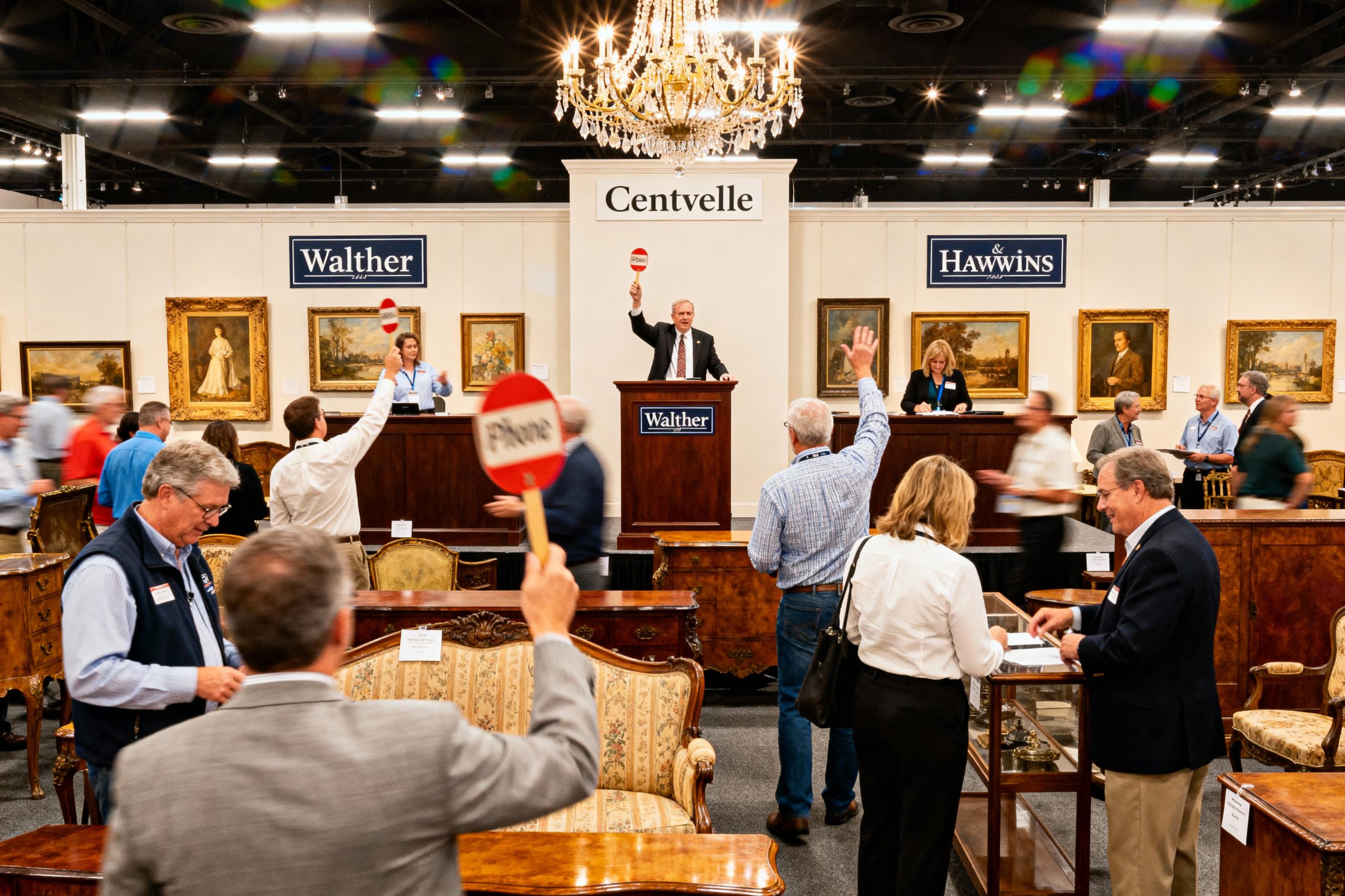
Auction houses are well suited for selling unique, high-value, or collectible antiques. Local auction houses work best for smaller items or estates with moderate value, while regional and premium houses like Sotheby’s or Christie’s handle rarities and masterpieces.
Auctions typically charge commissions around 15% to 25%, plus additional fees. Keep in mind that auction prices can fluctuate widely based on bidder interest. Selecting an auction house that specializes in your antiques’ category maximizes your chance of a top bid. Research recent auction results thoroughly before consigning.
Estate Sales and Brokers: How to Choose the Right Partner
Estate sales are an efficient way to sell a large collection of antiques and household items all at once. Professional estate sale companies handle pricing, marketing, staffing, and the eventual cleanup. When choosing a broker or estate sale firm, investigate their reputation, commission rates, and range of services.
Look for companies that offer detailed item inventories and transparent contracts. A broker with expertise in antiques can help you avoid common pitfalls like undervaluing prized possessions or losing control of the sale process.
Interview multiple companies and ask about their marketing strategies, fees, and payment timelines. A good broker balances speed with maximizing returns and offers seller support throughout the process.
Author’s Note
« Choosing the right sale partner can raise your antiques’ value by expert positioning and market timing, especially with fluctuating demand patterns in spring and fall. »
Where to Sell Antiques Safely: Fees, Protections, and Scams
Buyer and Seller Protections on Major Platforms
When selling antiques, safety and trust matter. Major online platforms like eBay, Etsy, and Ruby Lane offer buyer and seller protections that reduce risks. These include secure payment gateways, dispute resolution services, and fraud monitoring.
Physical auction houses and reputable consignment shops also provide contracts clarifying commissions and payment schedules, which safeguard sellers. Read terms carefully and ensure you know the fee structure before committing. Some online marketplaces apply fees from 5% up to about 15%, while traditional auction houses can charge combined commissions ranging from 20% to 30%.
Common Pitfalls and How to Avoid Them
Selling antiques can bring unexpected challenges. Watch out for hidden fees such as listing charges, packing, or insurance costs. Understand all commissions upfront to avoid surprises that shrink your profits.
Avoid scams by insisting on verified buyer payments and never shipping items before funds clear. Beware of offers that seem too good to be true, and never share personal financial information outside secure channels.
Choosing established platforms, or working with well-reviewed dealers and brokers, lessens risks. Keep records of all communications and transactions for extra security.
Getting Appraisals and Documentation
Professional appraisals provide an expert valuation and can increase buyer confidence. Most appraisers take about 1 to 2 weeks to deliver a detailed written report. Virtual appraisal services are increasingly popular and accepted, letting you get estimates without in-person visits.
Well-documented provenance, condition reports, and repair histories help validate authenticity and justify higher prices. Investing in good appraisal and paperwork can pay off significantly when selling antiques.
Online Marketplaces: Platforms by Item Type and Niche
Choosing the right online marketplace depends heavily on the type of antiques you want to sell. For example, eBay is versatile for a broad range of items, including collectibles, furniture, and jewelry, while Ruby Lane caters to serious antique collectors focusing on high-quality pieces.
Chairish specializes in vintage furniture and home décor, offering white-glove service for large items. Meanwhile, Etsy is ideal for selling vintage, handmade, and artistic antiques with a devoted audience looking for unique finds.
For local or bulky antiques, platforms like Facebook Marketplace or Craigslist provide free and easy access to community buyers, though they lack transaction protections.
Considering your antiques’ category and audience focus improves your chances of finding the right buyer quickly and at the best price.
Listing and Pricing to Maximize Offers
Effective listing is crucial. High-quality, well-lit photos showing multiple angles and details build buyer trust. Use clear, concise descriptions with key terms like era, maker, condition, and dimensions to help targeted searches find your items.
Pricing should balance competitiveness with realistic expectations. Research similar antiques on various platforms to gauge market rates. Factor in platform fees and shipping when setting your price to keep profits reasonable.
Keep in mind that seasonal demand fluctuations affect antique prices. Typically, interest and sales peak in spring and fall, so timing your listing accordingly may lead to better offers.
- Highlight unique features and provenance to justify premium prices.
- Be prepared to negotiate but know your lowest acceptable price.
- Update listings regularly to stay visible in competitive markets.
🧮 Antique Sale Price Estimator
Estimate how much you can expect to receive after fees when selling antiques on different platforms.
FAQ: where to sell antiques
What is the best way to sell an antique?
The best way to sell an antique depends on its value and type. Direct sales to dealers offer quick offers, while auctions suit unique or high-value items. Consignment shops and online marketplaces like Etsy or Ruby Lane help reach targeted buyers. Proper appraisal and timing improve results.
Where is the best place to sell your antiques?
The best place to sell your antiques varies by item. Dealers fit common or moderately valuable goods, auctions target rarities, and consignment shops provide stress-free sales. Online platforms like eBay cover broad categories, while specialty sites and local marketplaces enhance visibility for specific antiques.
How do I find out if my antiques are worth anything?
To find out if your antiques are worth anything, get a professional appraisal with detailed reports on provenance and condition. Virtual appraisals are convenient and accepted. Research similar items online and consult trusted dealers or auction results to gauge market demand and potential value.
What is the 100 year rule for antiques?
The 100 year rule for antiques means items over 100 years old qualify as antiques. This standard helps distinguish antiques from vintage or collectibles, influencing market value, appraisal, and resale channels. Provenance and condition remain key factors beyond age for pricing antiques accurately.

John has been passionate about furniture and interior design for over a decade, combining his love for vintage pieces with modern styling techniques. After years of helping friends transform their spaces and restoring countless furniture finds, he started this blog to share his expertise and inspire others to create homes they truly love. When he’s not writing or hunting for unique pieces at estate sales, you’ll find him refinishing a mid-century dresser or experimenting with new room layouts in his own ever-evolving home.