Ever spotted an old wooden cabinet with a mysterious bowl-shaped indent on top at an antique store or grandmother’s house? You’ve likely discovered a fascinating piece of American history that once served as the heart of daily hygiene routines. Understanding what is a dry sink naturally opens a window into how families lived before modern bathrooms, while also revealing why these vintage treasures are becoming sought-after decorative pieces in today’s homes, whether you’re a collector seeking authentic antiques or a homeowner looking for unique furniture with character and practical storage solutions.
What is a dry sink and how was it traditionally used?
What is a dry sink refers to a piece of furniture that resembles a cabinet or dresser, commonly used in American homes since the late 18th century. These practical pieces served as washing stations before indoor plumbing became widespread in households.
The traditional use centered around personal hygiene and washing tasks. Families would place a washbasin and pitcher in the recessed top area, creating a functional washing station. The water was poured from the pitcher into the basin for handwashing, face washing, and other personal care needs.
Storage compartments below held towels, soap, and other washing supplies. Many dry sinks featured hooks or bars on the sides for hanging towels, making them complete washing centers. Some Victorian-era models even included small mirrors or side racks for added convenience.
Definition and components of a dry sink
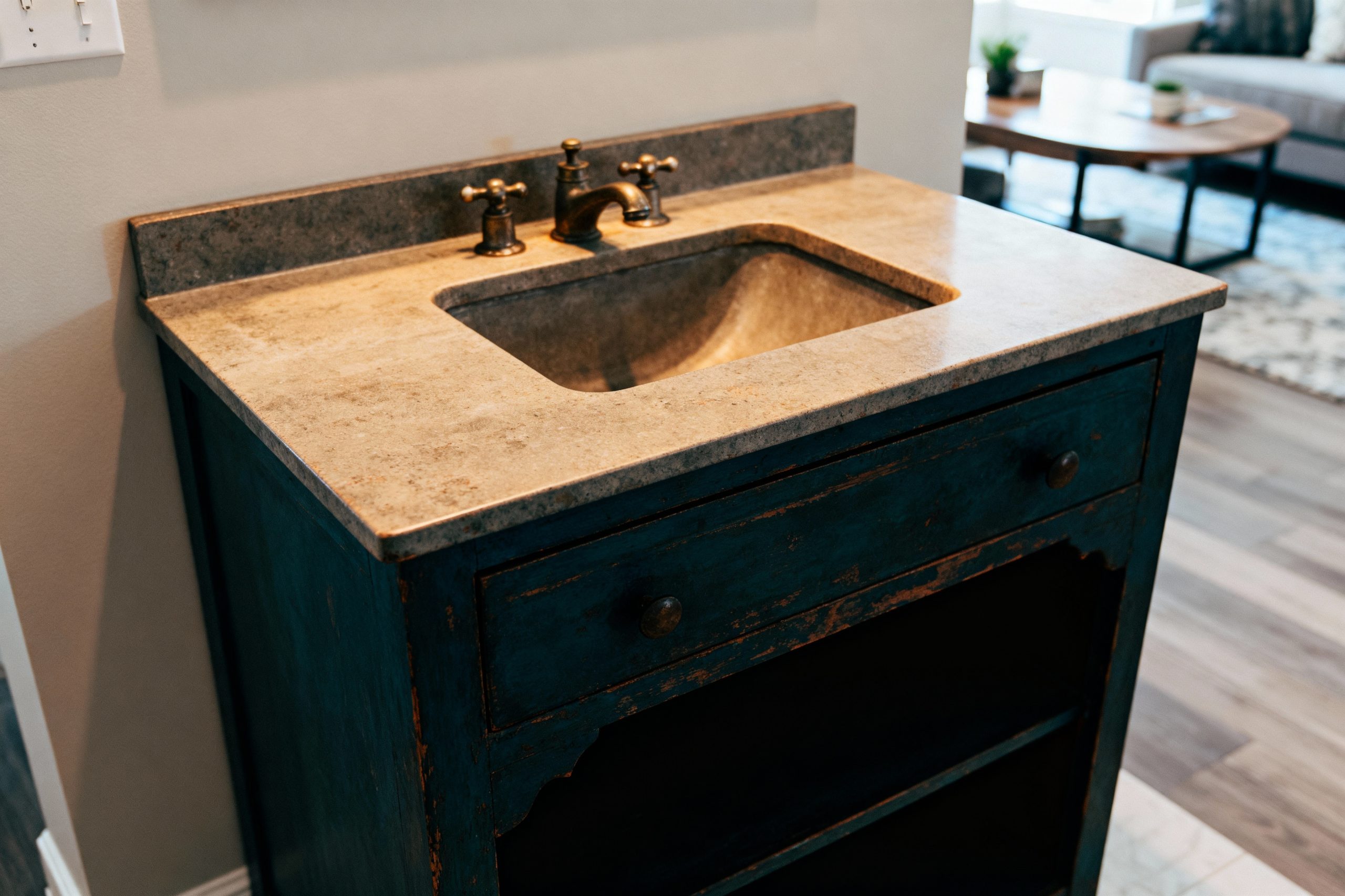
A dry sink features several key components that make it instantly recognizable. The most distinctive element is the recessed area on top, designed specifically to hold a washbasin. This recessed section often includes a lip or rim to prevent water from spilling onto the floor.
The cabinet portion below provides essential storage for washing supplies and linens. Most dry sinks include doors that open to reveal shelving or compartments. The overall design varies from simple, utilitarian pieces to more decorative versions with detailed craftsmanship.
What is a dry sink made of
Pine wood was the most common material for dry sink construction, especially in rural American homes. This affordable, readily available wood made dry sinks accessible to most families during the 19th and early 20th centuries.
More refined versions used premium woods like mahogany or walnut, particularly in wealthier households. Some high-end models featured marble tops instead of recessed wooden surfaces, adding both durability and decorative appeal to the piece.
The construction quality varied significantly based on the maker and intended use. Hand-crafted pieces typically used solid wood throughout, while later mass-produced versions might incorporate thinner woods or veneer finishes.
What is a dry sink used for
The primary purpose was creating a dedicated washing area before modern plumbing existed. Families used dry sinks for daily hygiene routines, including washing hands, faces, and brushing teeth. The setup was simple but effective for maintaining cleanliness.
Beyond personal washing, these pieces served multiple household functions. They worked well for food preparation tasks that required water, such as cleaning vegetables or washing dishes. Some families used them as serving stations during meals or social gatherings.
The storage capacity made dry sinks valuable for organizing household items. Linens, cleaning supplies, and personal care items all found homes in the cabinet sections below the washing area.
How to spot a fake or reproduced dry sink
Reproduction dry sinks flood the antique market, making authentication skills valuable for collectors. Machine-cut dovetail joints in drawers often indicate modern reproduction, as authentic pieces typically feature hand-cut joints with slight irregularities.
Examine the wood surfaces carefully for telltale signs of modern manufacturing. Visible saw marks or swirl patterns suggest machine processing rather than hand craftsmanship. Authentic pieces show tool marks consistent with period woodworking techniques.
Signs of reclaimed wood use include filled nail holes and patches where modern makers tried to hide previous hardware. Original dry sinks rarely show these characteristics unless they underwent period modifications by their original owners.
The following features help identify reproductions:
- Uniform staining or aging that looks artificially applied
- Hardware that appears too new or doesn’t match period styles
- Wood grain patterns that seem too perfect or consistent
- Construction methods that weren’t available during the claimed period
Ages and value: estimating age and value of dry sinks
Design elements provide reliable clues for dating dry sinks. Simple, unornamented woodwork typically indicates late-19th or early-20th century construction, when mass production began replacing handcraft methods.
Painted finishes or decorative details suggest mid-century or Victorian periods, when furniture makers emphasized ornamental elements. These pieces often command higher prices due to their artistic value and historical significance.
Authentic 19th-century dry sinks feature hand-dovetailed drawers, solid wood construction, and detailed craftsmanship throughout. Later pieces used thinner woods and less ornamentation as manufacturers prioritized cost efficiency over durability.
Value depends on several factors including age, condition, and rarity. Well-preserved examples from the 1800s can fetch thousands of dollars at auction. Common pieces in worn condition might sell for around $100, while pristine examples with exceptional craftsmanship reach into the thousands.
We advise consulting with antique furniture experts for valuable pieces, as market values fluctuate based on regional demand and current collecting trends. Documentation or provenance can significantly increase a dry sink’s worth.
https://www.youtube.com/shorts/drNZ0nd4H8U
Decorating with dry sinks and placement ideas
Modern homes can incorporate dry sinks as both functional and decorative elements. They work beautifully as vintage bathroom vanities, especially when fitted with modern plumbing while maintaining their historical character.
Kitchen placement offers excellent opportunities for additional counter space and storage. The recessed top area can hold decorative bowls, plants, or seasonal displays while the cabinet below stores linens or kitchen accessories.
Living room placement creates striking accent pieces that serve as conversation starters. We recommend highlighting their period characteristics through complementary decor that respects their historical context and enhances authenticity.
Consider these placement options for different rooms:
- Bathroom vanity with period-appropriate fixtures and mirrors
- Kitchen island alternative for extra prep space and storage
- Bedroom nightstand for a unique vintage touch
- Porch or sunroom accent piece with plants and decorative items
When repurposing dry sinks, balance modern functionality with historical integrity. Adding contemporary elements should complement rather than overwhelm the piece’s original character and craftsmanship.
FAQ
What is a dry sink?
What is a dry sink refers to a piece of furniture that resembles a cabinet or dresser, used in American homes since the late 18th century as washing stations before indoor plumbing. Families utilized this item for personal hygiene, storing washing supplies, and even as serving stations during meals.
What is a dry sink used for?
What is a dry sink used for includes creating a dedicated washing area for daily hygiene routines like handwashing and face washing. Additionally, it served multiple purposes, such as food preparation, storage for household items, and even as a serving area during gatherings.
How can you tell if a dry sink is authentic?
How can you tell if a dry sink is authentic involves examining features like hand-cut dovetail joints and tool marks consistent with period woodworking techniques. Look for signs of modern manufacturing, such as machine-cut details and overly uniform staining, to identify reproductions.
What materials are commonly used in dry sinks?
What materials are commonly used in dry sinks typically include pine wood as the most common material, especially in rural homes. More refined versions feature premium woods like mahogany or walnut and sometimes have marble tops, showcasing durability and decorative appeal.
How to decorate with dry sinks?
How to decorate with dry sinks can involve using them as vintage bathroom vanities or kitchen islands for extra storage and counter space. They can also serve as accent pieces in living rooms, highlighting their historical character through complementary décor that respects their vintage nature.
What factors influence the value of a dry sink?
What factors influence the value of a dry sink include its age, condition, rarity, and craftsmanship quality. Well-maintained examples from the 1800s can sell for thousands, whereas common pieces in worn condition may only fetch around $100, signaling the impact of market demand.

John has been passionate about furniture and interior design for over a decade, combining his love for vintage pieces with modern styling techniques. After years of helping friends transform their spaces and restoring countless furniture finds, he started this blog to share his expertise and inspire others to create homes they truly love. When he’s not writing or hunting for unique pieces at estate sales, you’ll find him refinishing a mid-century dresser or experimenting with new room layouts in his own ever-evolving home.