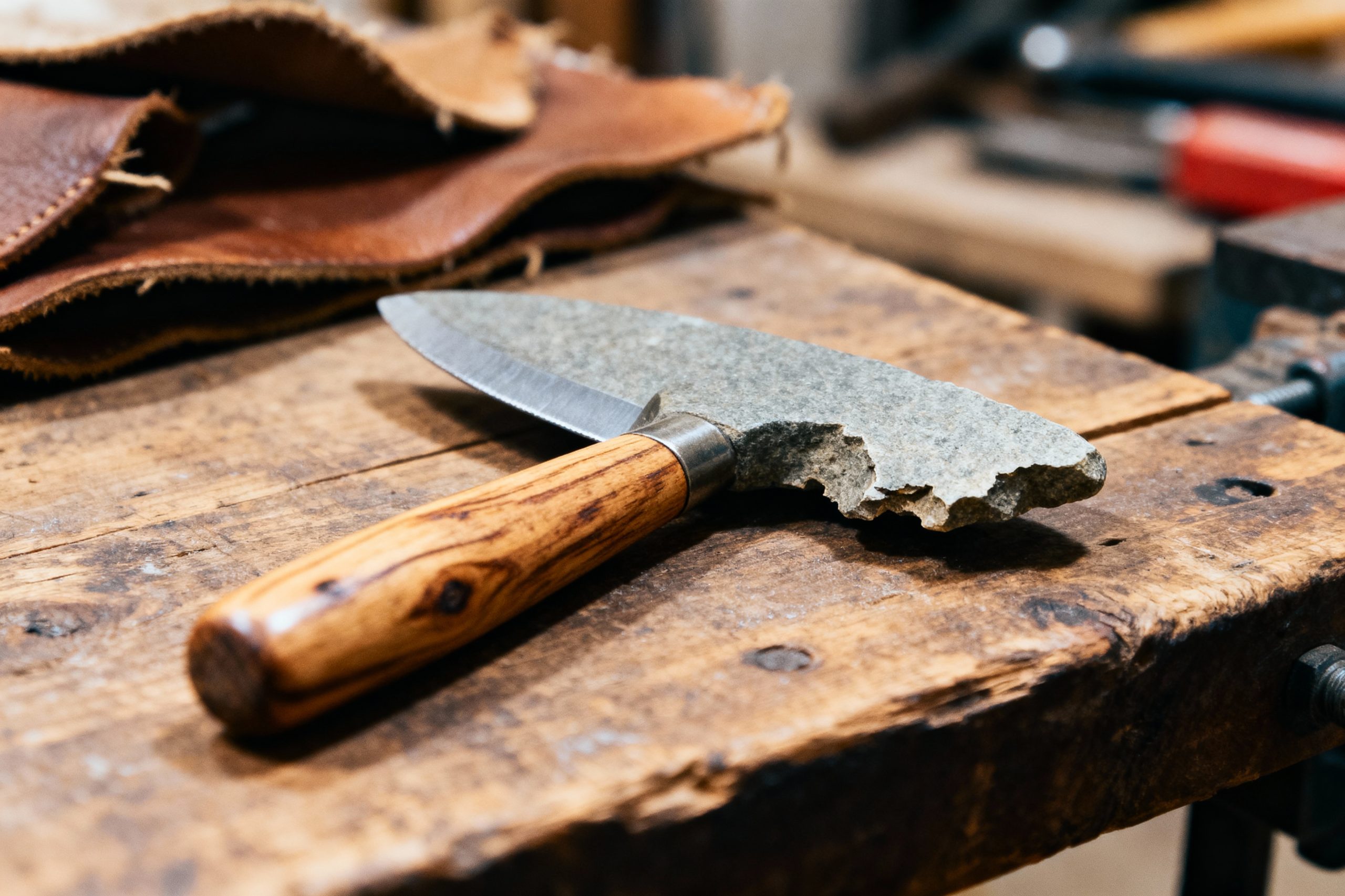
Discover how ancient Native Americans created one of their most essential everyday tools that modern people rarely know about. The thumb scraper artifact naturally fits in your palm, yet this small stone implement was crucial for survival in prehistoric times. Learning about these fascinating tools reveals the incredible skill and ingenuity of ancient craftspeople who turned simple rocks into precise instruments for making clothing, preparing food, and processing materials needed for daily life.
What is a thumb scraper artifact and what purpose did it serve?
A thumb scraper artifact is a small stone tool used by Native American peoples for detailed hide preparation and leather processing work. These compact implements got their name because of their thumb-like size and shape, making them perfect for precise tasks that required careful control.
The primary purpose of these tools was working with animal hides and leather materials. Native Americans used them to remove flesh from fresh hides, scrape away unwanted material, and prepare leather for clothing or other uses. Their small size made them ideal for intricate work that larger tools couldn’t handle effectively.
These artifacts typically measure just a few inches in length, often photographed with coins for scale to show their compact design. The handheld nature of these tools allowed craftspeople to work on detailed sections of hide with remarkable precision. Archaeological evidence shows these tools were widespread among various Native American groups across different regions.
The materials used in thumb scraper artifacts
Chalcedony was the preferred material for creating thumb scraper artifacts. This cryptocrystalline silica offered several advantages that made it perfect for tool-making purposes.
The popularity of chalcedony stemmed from its availability throughout Nez Perce Country and other Native American territories. This natural material was locally sourced, making it accessible to toolmakers without requiring long-distance trade or travel. The stone’s properties made it particularly suitable for creating sharp, durable edges.
Other materials occasionally used included various types of flint and chert, depending on regional availability. These alternative stones shared similar characteristics with chalcedony, including the ability to create sharp cutting edges when properly worked. The choice of material often depended on what resources were readily available in specific geographic areas.
The manufacturing process of thumb scraper artifacts
Creating a thumb scraper required skilled craftsmanship and knowledge of stone-working techniques. The process began with selecting a suitable chalcedony percussion flake as the base material.
The manufacturing technique involved unifacial pressure flaking, where toolmakers carefully removed small flakes from one side of the larger stone piece. This method required considerable skill and patience to achieve the desired shape and cutting edge. The process created the characteristic asymmetrical profile that made these tools so effective.
Skilled artisans used specialized tools to apply precise pressure at specific angles, gradually shaping the scraper. The key steps included:
- Selecting an appropriate percussion flake as the starting material
- Identifying the best working surface for flake removal
- Applying controlled pressure to remove material systematically
- Creating a sharp, functional working edge
- Refining the grip area for comfortable handling
The entire process could take several hours or even days to complete, depending on the desired size and quality of the finished tool.
Different uses of thumb scrapers in historical contexts
Beyond their primary role in hide processing, these versatile tools served multiple purposes in Native American daily life. Archaeological evidence reveals their widespread use across different cultural contexts and time periods.
Clothing production represented a major application for these tools. Native Americans used them to prepare leather for making garments, moccasins, and other essential items. The precision these small tools offered made them indispensable for creating high-quality leather goods.
Food preparation also benefited from these implements. Some groups used thumb scrapers for processing plant materials, scraping roots, and preparing various food items that required detailed work. Their compact size made them useful for tasks requiring delicate handling.
Approximately 75% of archaeological sites containing Native American artifacts include some form of scraping tool, highlighting their importance in prehistoric lifeways. These tools represented essential equipment rather than specialized items used only occasionally.
Thumb scrapers in modern collections and their significance
Today, these artifacts hold tremendous value as cultural treasures that connect us to prehistoric ways of life. Museums and educational institutions preserve them as important examples of Native American material culture and technological innovation.
These tools serve as tangible links to ancient peoples and their daily activities. They help researchers and the public understand how Native Americans lived, worked, and survived using available natural resources. Each artifact tells a story about the skills and knowledge of its creator.
Educational programs frequently feature thumb scraper artifacts to demonstrate prehistoric technologies and cultural practices. They provide concrete examples of human ingenuity and adaptation that students and visitors can examine firsthand.
The collectible value of thumb scraper artifacts
The market value of authentic thumb scraper artifacts varies significantly based on several important factors. Condition plays a crucial role, with well-preserved specimens commanding higher prices than damaged examples.
Age and provenance heavily influence collectible value. Documented artifacts with clear archaeological context typically fetch premium prices compared to surface finds without detailed history. Collectors particularly prize pieces with exceptional craftsmanship or unique characteristics.
Authenticity verification remains essential in the collecting world. Genuine artifacts can be distinguished from reproductions through material analysis and examination of manufacturing techniques. We advise collectors to work with reputable dealers and seek expert authentication when acquiring valuable pieces.
Rarity also affects pricing, with some specimens reaching values of several hundred dollars depending on their specific characteristics and historical significance.
Preservation and care for thumb scrapers in archaeological contexts
Proper conservation of these delicate artifacts requires careful attention to environmental conditions and handling procedures. Storage away from extreme temperatures and humidity fluctuations helps prevent deterioration of the stone material.
Professional archaeologists follow strict protocols when excavating and documenting these finds. Each artifact receives careful cleaning, photographing, and cataloging to preserve important contextual information. This documentation proves just as valuable as the physical artifact itself.
We advise against unnecessary handling of authentic specimens, as oils from human skin and repeated touching can cause gradual damage over time. Museum-quality storage materials and controlled environments provide the best protection for long-term preservation.
Distinguishing authentic artifacts from modern reproductions requires expertise in recognizing ancient manufacturing techniques and material characteristics. Many commercial reproductions exist in today’s market, making professional evaluation essential for serious collectors and institutions.
Frequently Asked Questions
What were thumb scrapers used for?
Thumb scrapers were used primarily for hide and leather processing. Native Americans utilized them to scrape meat from hides, remove unwanted materials, and prepare leather for clothing. Their design allowed for precise work in handling delicate materials.
What did Indians use scrapers for?
Indians used scrapers for various tasks, including the preparation of animal hides and leather goods. They were vital for creating clothing, moccasins, and for food preparation applications. The intricacies of such tasks required the precision offered by scrapers.
What does an Indian scraper look like?
An Indian scraper typically has a small, compact size, resembling a human thumb in shape. It features a rounded design and a convex scraping edge, ideal for grip and control during meticulous tasks. The size allows for detailed work in leather processing.
What is the significance of thumb scraper artifacts in archaeology?
The significance of thumb scraper artifacts in archaeology lies in their representation of prehistoric tool-making. They offer insights into the daily lives and skills of Native Americans, showcasing their adaptability and resource utilization in different environments.
How were thumb scrapers manufactured?
Thumb scrapers were manufactured using a skilled process called unifacial pressure flaking. Artisans selected suitable stone, often chalcedony, and meticulously removed material to achieve the desired shape and edge, requiring patience and expertise over hours or days.

John has been passionate about furniture and interior design for over a decade, combining his love for vintage pieces with modern styling techniques. After years of helping friends transform their spaces and restoring countless furniture finds, he started this blog to share his expertise and inspire others to create homes they truly love. When he’s not writing or hunting for unique pieces at estate sales, you’ll find him refinishing a mid-century dresser or experimenting with new room layouts in his own ever-evolving home.