Ever wondered if that dusty old vase in your cupboard is more than just a dust collector? Maybe, just maybe, you’re sitting on a small fortune—and all it takes is a keen eye (and a touch of savvy internet searching) to find out. Let’s pull back the curtain and see what it really takes to discover whether your antiques are valuable treasures or simply sentimental keepsakes.
Know When It’s Just Clutter (and When It’s Not)
If you’re looking to part ways with the battered dresser you’ve dragged from your college days, don’t expect a bidding war. A garage sale is probably your best bet—after all, at that point, it’s more about convenience than cash. But if something in your collection is making your inner treasure hunter tingle, it’s time to dig a little deeper.
Uncovering the Truth: The Fastest Ways to Value Your Antique
Vintage expert Virginia Chamlee, author of Big Thrift Energy and creator of the newsletter What’s Left, has answers for would-be sellers. Her first piece of advice: grab your smartphone. One quick photo and a reverse Google image search later, you’ll be on your way to learning what you really have. This tech-savvy step can help you pinpoint whether your item is a genuine find or a clever reproduction, and give you a ballpark idea of market value by comparing it to other pieces online—ranging from top-tier listings on Chairish or 1stDibs down to the occasional bargain-basement eBay offering. Chances are, your item’s true worth sits somewhere between glamour and garage sale.
But don’t be surprised to stumble upon a wild price range. Chamlee notes that authentic antiques and reproductions are valued at markedly different levels. One telltale sign? A maker’s mark. Of course, this isn’t always easy to spot, and if you aren’t quite sure whether your item is the genuine article, Chamlee recommends consulting a trained expert. An appraiser can sniff out details the rest of us might miss—and, crucially, arm you with a reliable estimate so you don’t underprice your goods.
What Really Affects Value?
You don’t need to own a piece stamped by a legendary craftsman to see dollar signs. Chamlee emphasizes that construction and materials play a starring role. Ask yourself:
- Is it crafted from high-end materials, like marble?
- If it’s furniture, do the joints use dovetail construction?
- For artwork, is it painted on canvas?
Even the wood type in a painting’s frame can clue you in on its age—and sometimes, the frame itself boosts value. Every detail counts, so channel your inner detective.
Where and How to Sell: From the Everyday to the Extraordinary
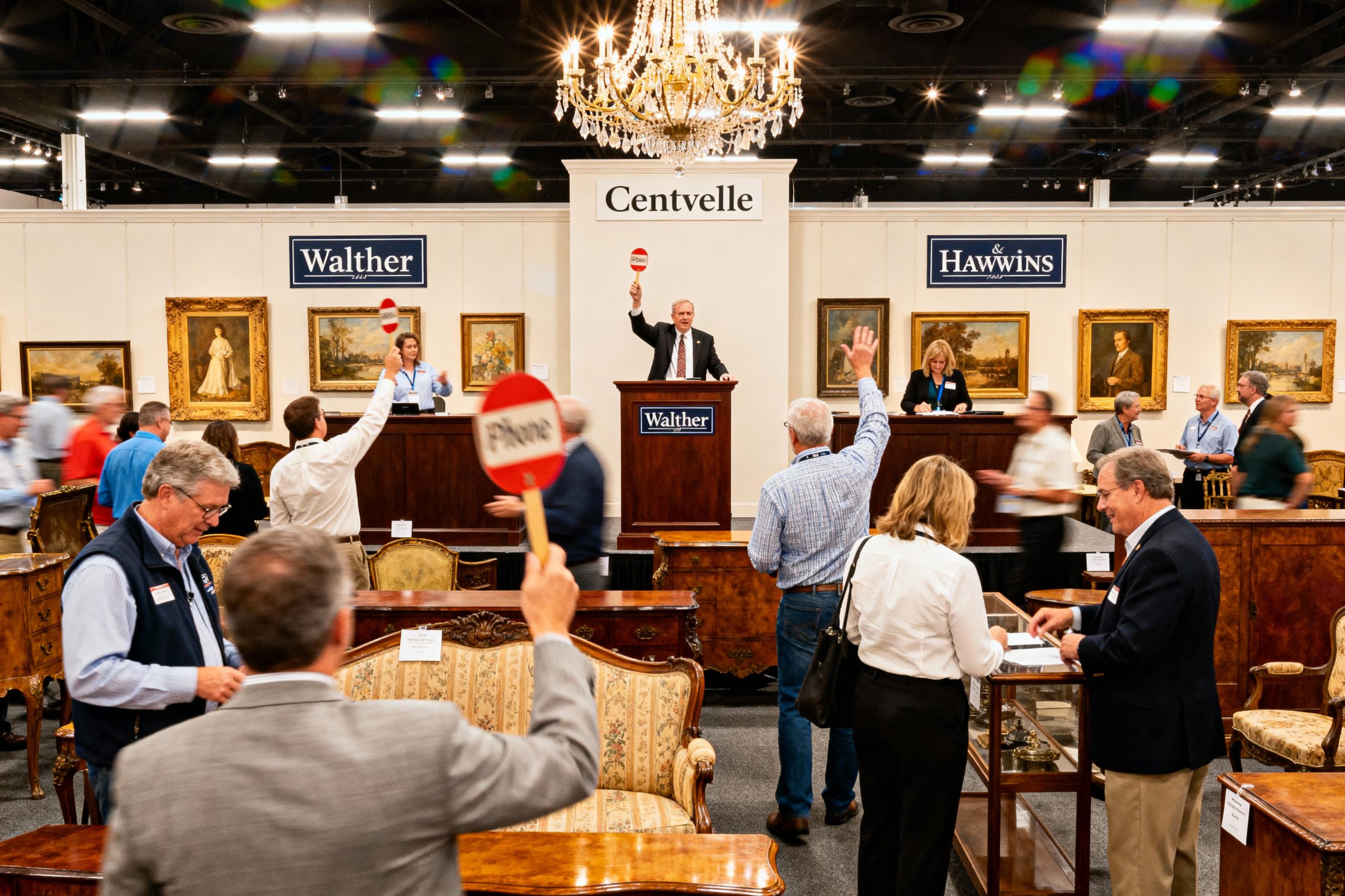
Your item’s rarity should steer your next steps. Got a genuinely rare find (say, a Picasso-signed vase—lucky you)? Chamlee suggests jumping straight to the auction houses. Big names such as Sotheby’s, Heritage Auctions, and Bonhams let you upload images, provide details, and receive estimates contextually tailored to unique pieces.
If you’re holding onto an antique that’s desirable but not exactly one-of-a-kind, sites like Chairish or even Facebook Marketplace are solid options. Just make sure to price according to condition, since you might have competition in the form of similar listings. Alternatively, if you only have a single piece to sell, reaching out to a local auction house or estate sale company could be your ticket—they know their crowd and how to price it for the best return.
Planning to sell online? Make your antique shine (sometimes literally). Chamlee champions photographing your gems against a white backdrop or, if you want to get fancy, using a background remover in Canva. The goal? No distractions. Special note for sellers of mirrors—avoid capturing your shoeless reflection. Nobody wants to see the seller’s toes in what should be a regal listing for a gorgeous mirror.
Equally important is your description. Research how similar items are listed on Chairish and 1stDibs, and reflect their terminology—after all, half of selling is in the marketing. Detail counts: time period, maker or history, exact color and material, and measurements should all be present. And don’t forget: “vintage” beats “old,” and “wear consistent with age” is a definite upgrade from “used.”
Whether you’re flipping a family heirloom or clearing out space, following these expert-backed steps just might turn grandma’s vase into your next vacation fund. Happy hunting—and remember, sometimes treasure is just a search away from being unearthed.

With a discerning eye for exceptional craftsmanship and timeless beauty, Edward has dedicated his career to sourcing and curating fine antique furniture from across USA. His deep appreciation for historical design, from Georgian elegance to Art Deco sophistication, guides collectors and enthusiasts in discovering pieces that tell stories of bygone eras. Through his expertise and genuine passion, he helps preserve the artistry of master cabinetmakers while bringing distinguished character into contemporary homes.