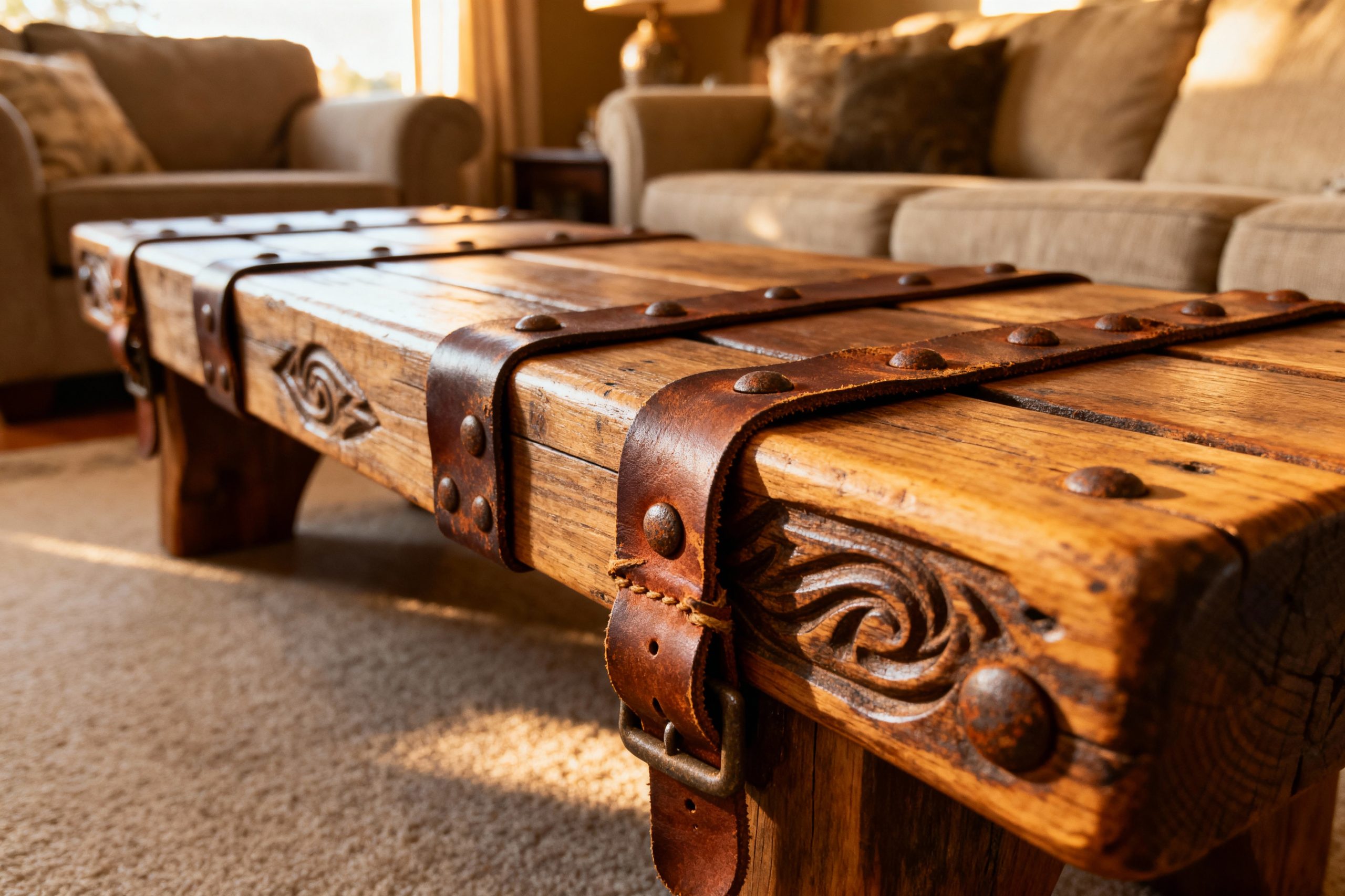
Transform your living space with furniture that tells a story and grows more beautiful with age. A cobbler’s bench coffee table naturally brings authentic character to any room while offering the durability that modern pieces often lack. This guide reveals how these historic workbenches became coveted home decor, shows you the best ways to style and place them, and teaches simple care techniques that will keep your piece stunning for generations to come.
What makes a cobbler’s bench coffee table timeless?
A cobbler’s bench coffee table stands the test of time because it combines rich historical character with practical functionality. These pieces carry decades or even centuries of craftsmanship, featuring hand-finished details that machine-made furniture simply can’t replicate.
The timeless appeal comes from their authentic origins as working tools. Original cobbler’s benches were built to last through daily use by shoemakers, which means they’re naturally sturdy enough for modern homes. Their distinctive shape tells a story – those curved cutouts and tool holes weren’t just decorative touches.
What really sets these pieces apart is their ability to fit into any decorating style. Whether your home leans rustic, industrial, or even contemporary, a cobbler’s bench adds character without overwhelming the space. The aged patina and visible wear marks become conversation pieces rather than flaws.
The design dna: shape, materials, and finish
The classic cobbler’s bench design follows a distinctive blueprint that hasn’t changed much over the centuries. These workbenches typically feature a long, narrow top with curved cutouts along the sides and strategically placed holes that once held candles or tools.
The shape itself is both functional and visually interesting. Most authentic pieces measure between 3 to 4 feet in length, making them perfect coffee table proportions. The height usually sits around 16 to 18 inches, which works beautifully for seating areas.
The influence of cobbler’s bench designs in modern living spaces
Modern furniture makers have embraced the cobbler’s bench aesthetic, borrowing its sturdy construction and rustic charm. Contemporary pieces often incorporate the signature curved cutouts and tool holes, even when they’re purely decorative.
This influence appears in everything from entryway benches to dining tables. The industrial feel of repurposed work furniture has become a major trend, with about 65% of homeowners now incorporating vintage or vintage-inspired pieces into their decor.
Living spaces benefit from this design influence because it adds authenticity to rooms that might otherwise feel too polished. The rough-hewn character breaks up sleek modern lines and brings warmth to minimalist spaces.
Key materials and finishes that define longevity
Solid wood construction is the foundation of any lasting cobbler’s bench. Pine remains the most common material, chosen originally for its availability and workability. Pine ages beautifully, developing a rich patina that adds visual depth.
The best finishes for longevity include hand-rubbed or distressed treatments that reveal the wood grain while providing protection. These finishes age gracefully, with small dings and scratches actually enhancing the piece’s character rather than detracting from it.
We recommend avoiding high-gloss finishes on authentic pieces. The beauty lies in the natural texture and imperfections that come with age and use.
Styling and placement: where it fits in various rooms
A cobbler’s bench coffee table works exceptionally well in living rooms where it can anchor seating arrangements. Place it in front of a sofa or between two chairs to create a natural gathering spot for drinks, books, and decorative items.
Entryways provide another perfect placement opportunity. The bench’s original purpose makes it ideal for sitting while putting on shoes, and the flat surface can hold keys, mail, or seasonal decorations.
Consider the room’s lighting when positioning your piece. These benches look their best in spaces with warm, ambient lighting that highlights the wood’s natural grain and character marks.
The key to successful placement involves balancing the bench’s rustic character with your existing decor. In contemporary spaces, let it serve as the room’s vintage focal point. In traditional rooms, it can blend seamlessly with other antique pieces.
- Living rooms: Center it between seating for maximum functionality
- Entryways: Position near the door for practical daily use
- Bedrooms: Use at the foot of the bed for additional seating and storage
- Sunrooms: Perfect for casual, relaxed atmospheres
Stories and anecdotes that give a sense of history
Every authentic cobbler’s bench carries stories within its worn surfaces and tool marks. These weren’t showpieces – they were daily workhorses in busy shoe repair shops where craftsmen spent countless hours bent over their trade.
The character marks you see today tell tales of productivity and skill. Those smooth spots on the wood show where hands rested during long work sessions. The holes and grooves held specific tools that were essential to the cobbler’s craft.
From antique trade tools to conversation starters
The transformation from working tool to home furnishing represents a fascinating shift in how we value craftsmanship. What once lived in dusty workshops now takes center stage in carefully decorated living rooms.
Antique dealers often find these pieces in estate sales or old shops that are closing down. Each discovery feels like uncovering a piece of forgotten history. The handmade construction becomes immediately apparent when you compare them to modern mass-produced furniture.
These benches spark conversations because they’re authentic artifacts from a time when everything was built by hand. Guests often run their fingers along the worn edges, trying to imagine the craftsman who originally used the piece.
Using real-life examples of a cobbler’s bench repurposed as a coffee table
Families who inherit cobbler’s benches often struggle with whether to restore them or preserve their original character. Smart owners choose preservation, understanding that the wear and patina add value rather than detract from it.
One particularly striking example involves a bench that still shows pencil marks where a cobbler tracked customer measurements. Rather than sand these marks away, the new owners highlighted them as part of the piece’s story.
The versatility shows in how different families use their benches. Some load them with books and magazines, while others keep the surfaces clear to showcase the beautiful wood grain and historical details.
Care, maintenance, and longevity: keeping the wood vibrant
Proper care starts with understanding that these pieces were built to last. The solid construction means they can handle daily use, but the aged wood requires thoughtful maintenance to stay vibrant.
Regular dusting with a soft cloth prevents dirt buildup that can dull the wood’s natural luster. We recommend avoiding harsh chemical cleaners that might damage the aged finish or strip away the valuable patina.
Seasonal conditioning keeps the wood from drying out and cracking. Natural products work best – beeswax or tung oil applied every few months will preserve the wood’s character while providing necessary moisture.
The aged patina is your bench’s most valuable feature, so resist the urge to sand or refinish unless absolutely necessary. Those wear marks and color variations took decades to develop and can’t be replicated.
Placement away from direct heat sources protects against warping or splitting. Radiators, fireplaces, and heating vents can cause rapid temperature changes that stress old wood.
With proper care, a quality cobbler’s bench coffee table will outlast most modern furniture by several decades. The investment in maintenance pays off in a piece that becomes more beautiful and valuable with age.
FAQ
What is a cobbler’s bench coffee table?
A cobbler’s bench coffee table is a unique piece of furniture that has its origins in traditional shoemaking. It combines historical character with practical functionality, featuring hand-finished details and sturdy construction that lends itself beautifully to various home styles.
Are cobbler’s bench coffee tables considered antiques?
Cobbler’s bench coffee tables can be considered antiques if they are original pieces from previous centuries. Their craftsmanship and historical significance often add value, making them sought-after items for collectors and vintage enthusiasts.
What features are common in cobbler’s bench coffee tables?
Common features of cobbler’s bench coffee tables include a long, narrow top, curved cutouts along the sides, and strategically placed holes that once held tools. These elements reflect their functional history and contribute to their visual appeal in modern settings.
How do cobbler’s bench coffee tables differ from standard coffee tables?
Cobbler’s bench coffee tables differ from standard coffee tables in their historical origin as work tools. Their sturdy construction, unique design, and storytelling elements provide a rustic charm, making them standout pieces in contrast to more conventional furniture.
Where can I buy a cobbler’s bench coffee table?
You can buy a cobbler’s bench coffee table at antique shops, estate sales, or online marketplaces. Many retailers also offer modern interpretations inspired by the original designs, so look for trusted sources specializing in vintage or handcrafted furniture.
What materials are used in cobbler’s bench coffee tables?
Materials used in cobbler’s bench coffee tables primarily include solid wood, with pine being the most common choice. Pine is valued for its workability and its beautiful aging process, which develops a rich patina over time, enhancing the table’s character.
What is the best way to care for a cobbler’s bench coffee table?
The best way to care for a cobbler’s bench coffee table includes regular dusting with a soft cloth and avoiding harsh chemicals. Seasonal conditioning with natural products, like beeswax or tung oil, will help maintain the wood’s vibrancy and protect its aged patina.

John has been passionate about furniture and interior design for over a decade, combining his love for vintage pieces with modern styling techniques. After years of helping friends transform their spaces and restoring countless furniture finds, he started this blog to share his expertise and inspire others to create homes they truly love. When he’s not writing or hunting for unique pieces at estate sales, you’ll find him refinishing a mid-century dresser or experimenting with new room layouts in his own ever-evolving home.