Key takeaways:
The antique bench market places value on detailed motifs like laurel wreaths and fluted legs that distinguish Regency, Empire, and Gustavian styles. Restoration costs range widely, with typical repairs costing between $300 and $1,200. Materials such as solid wood versus veneer influence durability and affect long-term preservation.
How can you confidently identify the era of a vintage seat in your collection? Collectors often struggle with subtlest style cues, like joinery quality and specific motifs, which are critical for assessing authenticity. Maintaining correct humidity and fabric choice impacts both upholstery preservation and overall bench longevity. Understanding these factors equips owners to evaluate condition while making informed decisions about restoration and display of antique benches.
Antique Bench Styles: Regency to Gustavian
Regency & Empire Bench Motifs
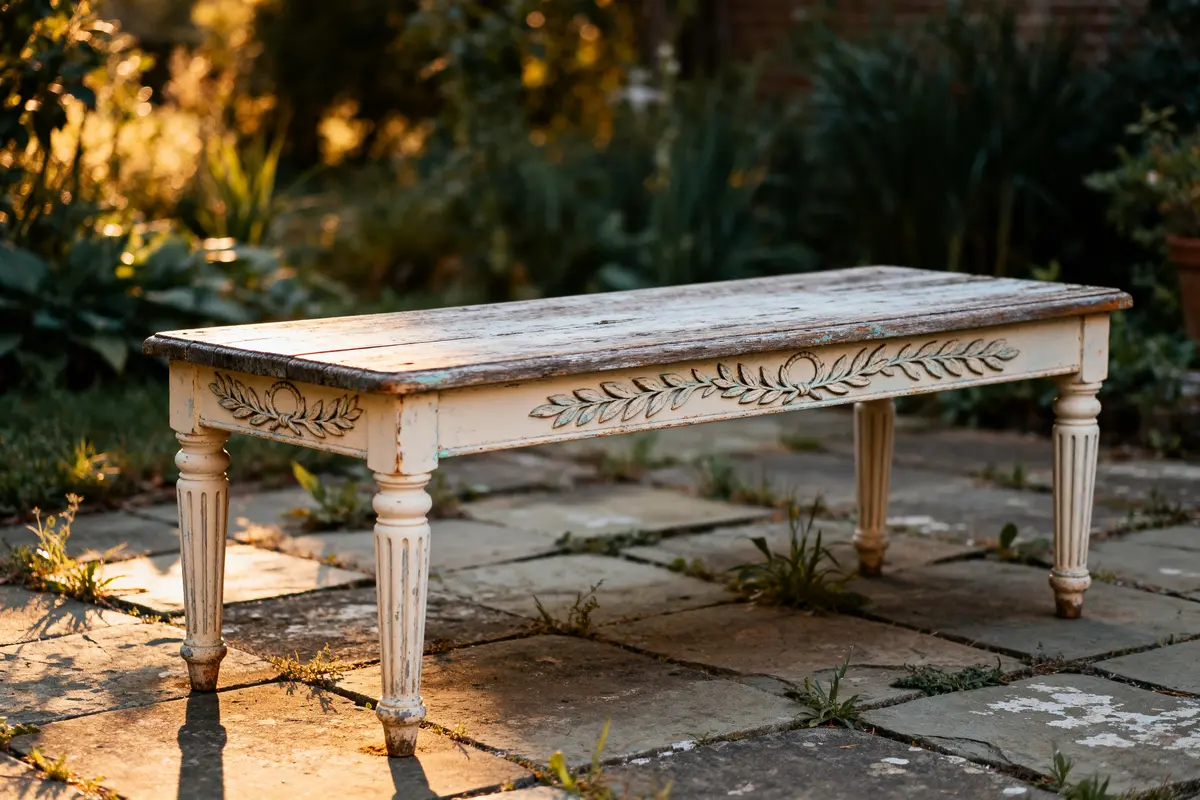
The antique bench styles from the Regency and Empire periods showcase distinct design elements that help collectors identify their origins. Regency benches often feature delicate carvings with symbolic motifs such as lyres, swags, and acanthus leaves, while Empire benches lean towards bolder, more monumental forms with motifs like laurel wreaths, eagles, and classical columns. Recognizing these hallmark carving patterns is crucial, as subtle variations in the motifs can determine authenticity and value.
Both styles tend to favor elegant x-leg bases and curved backs, but the Empire period incorporates gilded details and heavier proportions compared to the lighter sophistication of Regency pieces. Mastering these visual cues enhances the buyer’s confidence when hunting for genuine antiques.
Gustavian & Swedish Bench Aesthetics
Swedish Gustavian benches reflect a minimalist yet refined approach, inspired by French Neoclassical design but with Scandinavian restraint. They often feature pale painted finishes in whites, greys, or blues, designed to brighten interiors. Delicate fluted legs, reeded column-like supports, and gently carved floral or ribbon details typify these benches.
This style contrasts the more complex French designs by focusing on simplicity and lightness. The color palette and understated embellishments define the rustic charm and timeless appeal that collectors prize in Gustavian furniture.
French and Italian Cassapanca Details
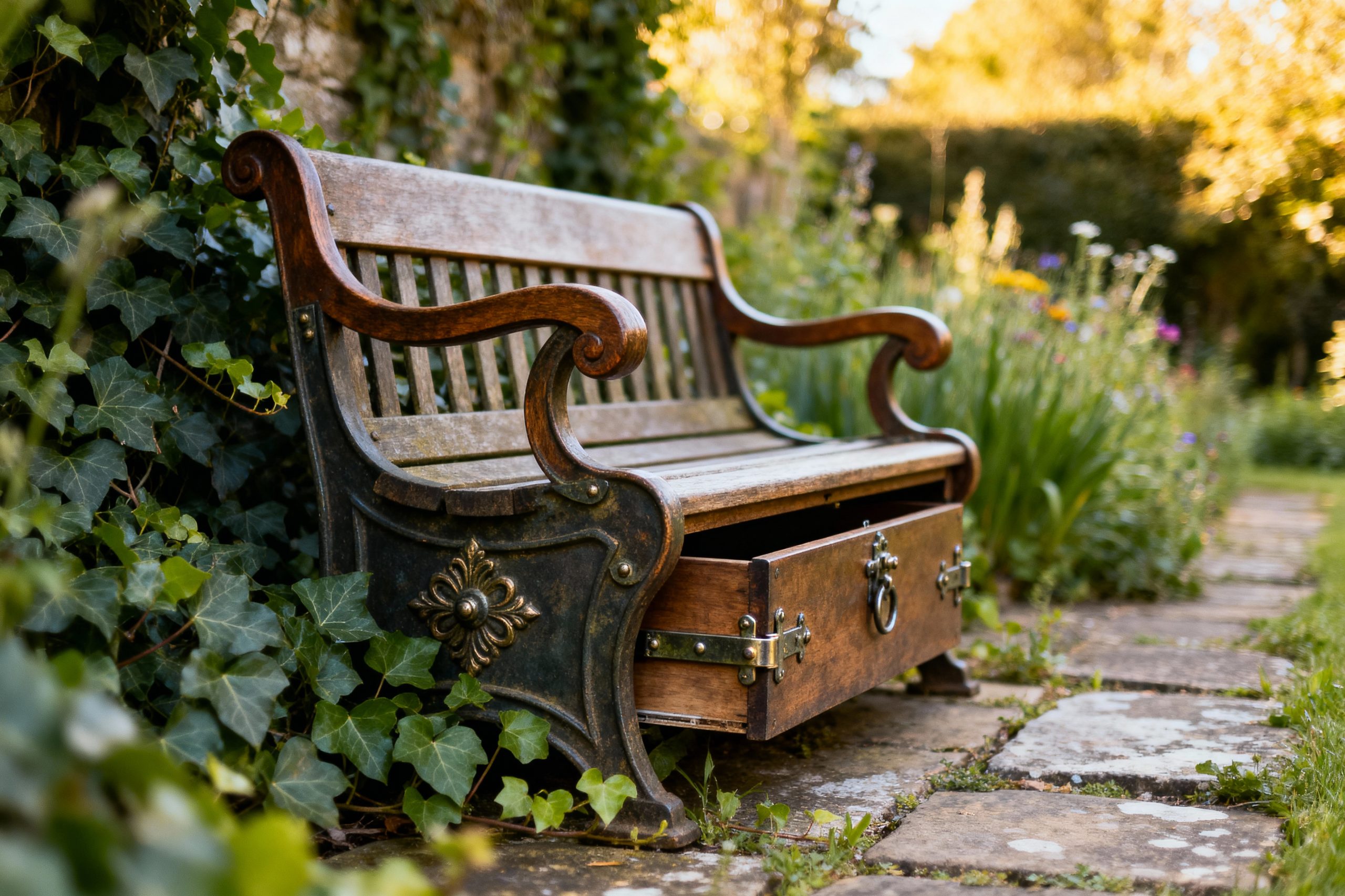
The cassapanca, a traditional Italian storage bench, is famed for its robust construction and elaborate carvings. These sizable pieces often incorporate hinged lids, serving both as seating and hidden compartments, making them functional and decorative.
French cassapancas are similarly multifunctional, often embodying Rococo or Baroque influences with ornate scrollwork and painted finishes. Not frequently detailed in buying guides, the distinction in carved floral patterns, geometric shapes, and hardware styles between French and Italian cassapancas aids in precise identification and valuation.
Materials and Construction Essentials
Solid Wood vs Veneer Selection
When choosing an antique bench, understanding materials is vital. Solid wood benches offer durability and the possibility of multiple restorations, as the wood ages beautifully and gains patina over time. Common woods include mahogany, oak, walnut, and pine. Veneered benches, while often more affordable and lighter, can be less resilient to wear and may require more delicate restoration to maintain their surfaces.
Another important consideration is that some antique benches combine solid hardwood frames with veneered panels to optimize both strength and aesthetic appeal. Buyers should carefully examine the grain and surface to determine if veneer has been applied, as veneer thickness and adhesive quality impact longevity.
Joinery & Durability Factors
The joinery methods used in antique benches reveal their quality. Traditional joinery like mortise-and-tenon or dovetail joints are hallmark indicators of craftsmanship. Examining typical joinery tolerances—like slight but even gaps—and signs of wear such as loosened joints or cracks can tell if a bench’s structural integrity remains intact or if professional restoration is needed.
Wear thresholds vary by era and wood species, but if joints move more than a few millimeters or show signs of previous inappropriate repairs, that bench may require reinforcement. Knowing these factors helps buyers assess whether the seating will last decades more or demands immediate attention.
Author’s Note
« Authenticating an antique bench requires careful observation of style-specific motifs and joinery details, which often reveal the piece’s origin and help guide restoration priorities. »
Upholstery and Finishes: Restoration Basics
Upholstery Materials & Replacement
Restoring the upholstery on an antique bench is a delicate process. Traditional materials such as horsehair, cotton batting, and natural fibers were commonly used in earlier pieces. For replacement, modern materials like high-density foam and synthetic batting offer comfort and longevity but may alter the seat’s original firmness and feel.
Careful selection of fabric is essential. Natural fabrics like linen and velvet suit period aesthetics better than synthetic blends. Replacement should respect the bench’s style and reinforce its charm without compromising historical accuracy. Additionally, attention to tack placement and stitching styles should emulate original upholstery methods.
Finishes: Wax, Oils, and Paints
Finishing touches greatly affect an antique bench’s appearance and preservation. Wax finishes provide a soft luster and protect wood gently, ideal for benches with original surfaces. Oils penetrate deeply, nourishing wood fibers and preventing drying out, though they may darken certain woods.
Painted finishes, especially common in Gustavian or painted country styles, may require careful cleaning and touch-ups. Preservation of original paint layers demands gentle methods to avoid over-stripping, whereas modern finishes often require reapplication of wax or oils after cleaning.
Antique Bench Inspection and Valuation
Authenticity Clues: Provenance
Provenance plays a significant role in valuing an antique bench. Documentation like purchase receipts, maker’s marks, or inclusion in collections help confirm authenticity. Lacquer or paint wear consistent with age, as well as original hardware like brass hinges or nails, also confirm genuineness.
Regional styles often include subtle signature elements such as tool marks or carving styles tracing back to specific workshops. Knowing these can prevent deceptive reproductions. A thorough provenance check is the strongest foundation for confident investment in antiques.
Condition, Repairs, and Price Range
Bench condition varies widely. Look for signs of structural damage, insect activity, or water stains. Repairs should be professionally done; amateur fixes can decrease value or safety. The average restoration cost for an antique bench ranges from $300 to $1,200, influenced by wood type, style, and the extent of damage.
Regarding price, a simple 19th-century pine bench might start near $500, while ornate Regency or Italian cassapancas can exceed $10,000. Keep in mind, historically accurate restorations increase resale value, whereas improper fixes reduce it.
Care, Placement, and Longevity
Proper care extends the life of your antique bench. Avoid placing it in direct sunlight or near heat sources to prevent wood cracking and upholstery fading. Humidity levels between 40 and 60 percent maintain wood stability and prevent warping.
Position your bench in spots that benefit from its aesthetic and functional appeal. Entryways, bedrooms, and window seats are classic placements. Outdoor use is possible for durable woods like teak but requires dedicated outdoor finishes and regular maintenance with oils and sealants.
Routine dusting and gentle cleaning with appropriate products maintain finishes without damage. When moving heavy pieces, lift instead of dragging to protect joints and legs. With correct upkeep and mindful placement, an antique bench becomes a treasured heirloom lasting generations.
🛠️ Antique Bench Restoration Cost Estimator
Estimate your budget for restoring an antique bench by selecting its style and condition.
FAQ: antique benchWhat are the most common styles of antique benches?
The most common styles of antique benches include Regency and Empire, known for delicate or bold carved motifs, Gustavian Swedish benches with minimalist painted finishes, and French or Italian cassapancas which are multifunctional storage benches with ornate carvings.
What materials are typically used in antique benches?
Antique benches are typically made from solid woods like mahogany, oak, walnut, and pine, valued for durability. Some combine solid hardwood frames with veneered panels for strength and aesthetic appeal. Veneers require careful restoration due to their thinner surfaces.
How can you identify authenticity in an antique bench?
Authenticity in an antique bench can be identified by provenance documentation, original hardware like brass hinges, consistent lacquer or paint wear, and craftsmanship details such as hallmark joinery methods and style-specific carving motifs reflecting its origin and era.
What factors affect the cost and condition of restoring an antique bench?
The cost and condition depend on the bench’s wood type, style, extent of damage, and repair quality. Restoration typically ranges from $300 to $1,200. Professional repairs increase value, while amateur fixes may reduce safety and resale price.
How do upholstery materials and finishes influence antique bench restoration?
Upholstery restoration involves selecting natural fabrics and traditional padding to maintain authenticity, while finishes like wax and oils preserve wood and protect original surfaces. Painted finishes require gentle care to avoid damaging historic layers during restoration.
What are the best practices for caring for and placing an antique bench?
Best practices include avoiding direct sunlight and heat, maintaining 40-60% humidity, placing benches in entryways or bedrooms, dusting gently, and lifting when moving. Outdoor use suits durable woods with proper finishes and maintenance to ensure longevity.

John has been passionate about furniture and interior design for over a decade, combining his love for vintage pieces with modern styling techniques. After years of helping friends transform their spaces and restoring countless furniture finds, he started this blog to share his expertise and inspire others to create homes they truly love. When he’s not writing or hunting for unique pieces at estate sales, you’ll find him refinishing a mid-century dresser or experimenting with new room layouts in his own ever-evolving home.