Key takeaways:
Vintage cutting boards often date from the 19th or early 20th century, with hardwoods like maple, walnut, and cherry prized for durability and distinct patina. Authentic pieces display wear patterns and finishes such as linseed oil or beeswax, not synthetic coatings. Prices vary widely, with early boards ranging from $200 to over $500 depending on condition and provenance.
Looking to enrich your kitchen ambiance with true antiques? Vintage cutting boards provide not only functional kitchen tools but also a connection to historical craftsmanship and design traditions. Maintaining correct humidity and identifying original joinery or finishes can protect your investment and reveal authentic rarity. Understanding these details empowers you to select, care for, and effectively display treasured vintage cutting boards with confidence and style.
Vintage Cutting Boards: Where to Find Them
Online Marketplaces and Auctions
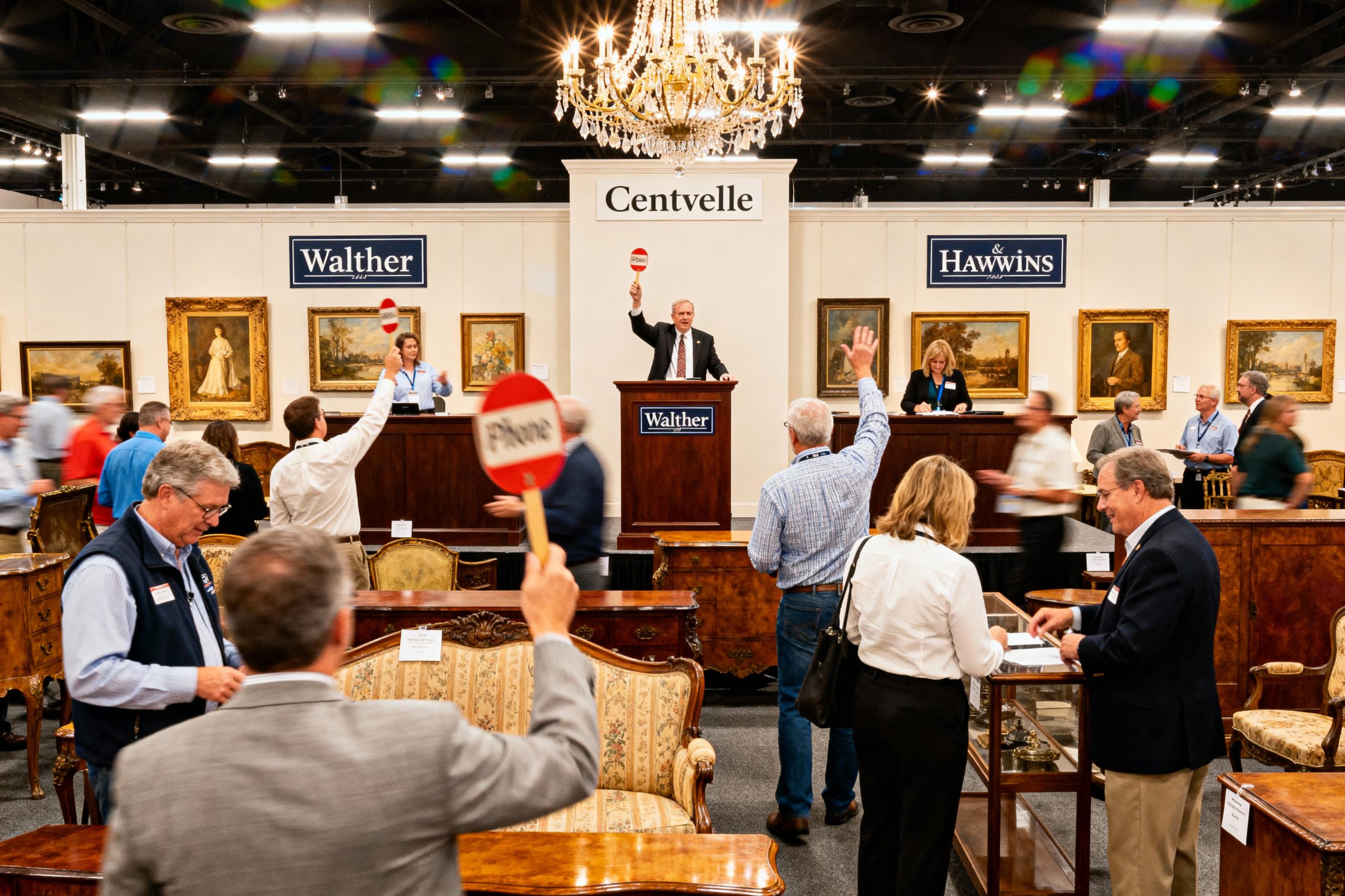
Online marketplaces and auctions are a treasure trove for discovering vintage cutting boards. Platforms like eBay and Etsy host a wide variety of antique boards, often accompanied by detailed descriptions and images that help verify their authenticity. Auction sites may offer unique pieces, sometimes from notable eras or regions, which appeal to collectors and culinary enthusiasts alike.
When browsing these platforms, look for sellers who provide clear provenance details and multiple photos showing the board from different angles. Provenance and history add value and help confirm originality. Bidding patiently at auctions can also yield great finds at competitive prices.
Antique Shops, Fairs, and Markets
Antique shops, fairs, and vintage markets remain some of the best places to find one-of-a-kind vintage cutting boards. These venues often carry handpicked items with unique styles and traditional craftsmanship. Each piece at these local spots usually has a story and a character that sets it apart from mass-produced reproductions.
Visiting farmers markets and flea markets can uncover rustic boards made from aged hardwood, including cherry, oak, or maple, prized for their durability and patina. The tactile experience in person allows you to check for fine details, such as original finish or tool marks. Antique fairs especially gather vendors with expertise in woodcutting implements and kitchenwares.
How to Ask for Provenance and Dating
When you find a vintage cutting board, always ask about its provenance and dating. Understanding the item’s history offers insight into its rarity and potential value. Questions should include where it was made, its previous owners, and any documentation or research the seller might have.
Be clear and polite. Sellers appreciate genuine interest and will often provide helpful clues like maker’s marks, era-specific design features, or traditional finishes. Knowing how to frame your questions also helps to detect any inconsistencies or signs of reproduction. Be especially curious about any restoration work, which affects both aesthetics and use.
Vintage Cutting Boards: How to Spot Authentic Pieces
Date of Creation, Originality, and Type
Spotting an authentic vintage cutting board starts by identifying the date of creation and distinguishing original pieces from reproductions. Authentic boards often come from the 19th or early 20th century and show wear patterns consistent with decades of use.
Look for period-specific characteristics like shape, woodworking techniques, and hand-tool marks. For instance, an early 1900s breadboard might showcase dovetail joints or a tapered edge design. Certain board types like butcher blocks, breadboards, or pastry boards have distinct features developed over time.
It’s crucial to verify the absence of modern adhesives or hardware such as screws or staples, as these indicate later repairs or replicas. Such signs help confirm the true originality of the piece, a detail many buyers overlook.
Finishes, Wood Types, and Patina
The finish on a vintage cutting board helps signal its authenticity. Older boards typically have a worn, natural patina developed from exposure to oils, moisture, and food prep. Original finishes may include simple oils like linseed or beeswax rather than modern polyurethane or varnish.
Wood type is another key factor. Antique boards were commonly made from hardwoods such as maple, walnut, or cherry, valued for their density and resistance to cuts. Pine and fir, while common, are softer and usually found in simpler breadboards or regional styles.
Patina is the soft sheen or darkening that forms over years and is difficult to replicate authentically. Genuine patina adds charm and depth, unlike artificial distressing. If the finish is too smooth or glossy, it may be a sign of recent refinishing and less vintage character.
Wear Patterns and Restoration Clues
Check for natural wear patterns such as knife scars, rounded handles, or surface indentations on a vintage cutting board. These blemishes typically follow patterns consistent with regular use, especially near edges and handles.
Restoration clues like mismatched wood patches, uneven sanding, or hidden glue spots reveal attempts to extend a board’s life. While some restoration is acceptable and can preserve the piece, it’s important for buyers to understand the impact on both value and function.
Also, observe signs of warping or cracks which may indicate untreated damage. A properly cared-for vintage cutting board will maintain a stable flatness and show minimal structural deformities despite age.
Key Features to Identify Vintage Pieces
Recognizing key features is essential to identifying vintage cutting boards. Typical markers include:
- Hand-carved details or unique milling styles not seen in mass production
- Natural wood grain with age-related patina and color changes
- Absence of modern fasteners or synthetic finishes
- Signs of long-term use like knife cuts, smooth edges, and handle wear
- Original markings, stamps, or labels from the maker or region
Boards made with mortise-and-tenon or dovetail joints are typical for older pieces, whereas newer ones often rely on glued laminates. Shape also helps: irregular or asymmetrical breadboards are usually older, handmade examples.
Author’s Note
« Authentic vintage cutting boards tell a story through their finish, wood choice, and subtle wear, so cultivating a keen eye for these details elevates your collecting experience and ensures you invest in true antiques. »
Display and Decor Ideas for Every Style
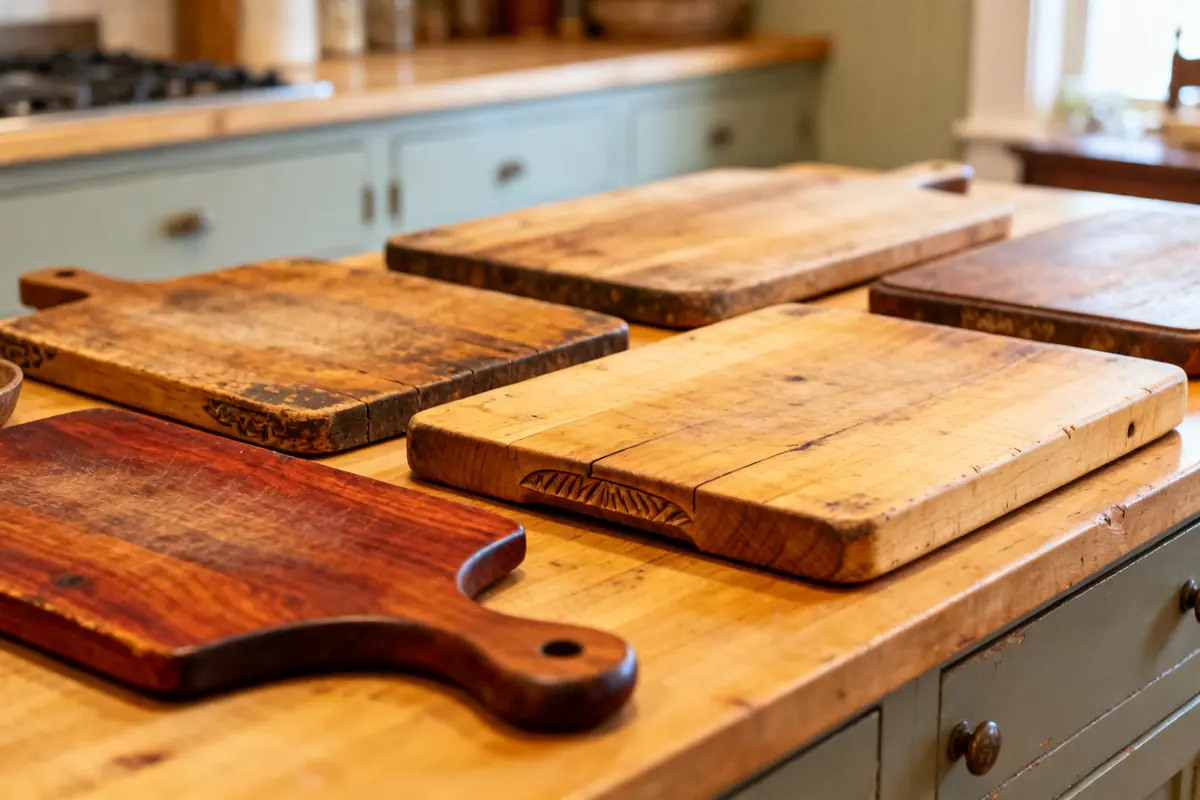
Vintage cutting boards add warmth and nostalgia to any kitchen decor. Display styles vary depending on your taste and your board’s character. For rustic or farmhouse kitchens, lean boards against a backsplash or wall shelf for an organic, lived-in look.
In modern or minimalist kitchens, use vintage boards as serving trays or cheese boards to mix charm with function. Hanging boards with visible patina on a dedicated wall gallery brings a timeless artistic touch. Grouping boards of different shapes, sizes, and wood types also creates visual interest.
Consider pairing vintage cutting boards with complementary elements like copper pots, mason jars, or woven baskets to highlight their artisanal appeal. These boards work well on countertops or open shelving as both functional tools and decorative accents.
Care, Restoration, and Safe Kitchen Use
Proper care ensures your vintage cutting board lasts long and remains safe for kitchen use. To maintain its integrity, keep it away from extreme temperature changes and humidity. Ideally, store boards between 40 to 60% humidity and room temperatures around 60 to 75°F to avoid warping or cracking.
Regularly treat the wood with food-safe mineral oil or beeswax to maintain finish and prevent drying. Avoid harsh chemical cleaners or soaking in water, which can damage older wood and degrade the patina.
If restoring, gently sand only worn or stained areas, preserving the original finish as much as possible. Avoid improper repairs using non-food-safe glues or hardware that can contaminate the surface or impact authenticity.
For safe kitchen use, sanitize after food prep by wiping with diluted vinegar or baking soda solution, then drying thoroughly. While vintage cutting boards are beautiful, prioritize hygiene by reserving delicate or highly valuable pieces for light use or display.
Buying Guide: Pricing, Negotiation, and Pitfalls
When buying vintage cutting boards, price guides help you recognize a fair deal. Prices vary significantly based on era, condition, and rarity. For example:
- Early 1800s boards or rare hardwoods can range from $200 to over $500
- Mid-1900s pieces typically fall between $50 and $150, depending on wear and provenance
- Boards with heavy restoration or common wood types might drop below $50
Negotiation is reasonable, especially when multiple flaws or repairs exist. Ask sellers about the board’s history and condition to leverage price adjustments. Beware of boards that look artificially aged or have suspiciously even finishes indicating recent refinishing.
Inspect shipping costs carefully as bulky wooden boards can be heavy. Finally, confirm any refund or return policy if the piece arrives damaged or not as described. Stay patient and informed to avoid pitfalls and secure authentic vintage cutting boards that enrich your kitchen’s soul.
🧮 Vintage Cutting Board Price Estimator
Estimate a fair market price based on age, wood type, size, and condition of your vintage cutting board.
FAQ — vintage cutting boards
Where can I find vintage cutting boards online?
Vintage cutting boards can be found on online marketplaces and auction sites like eBay and Etsy, where many antique boards are listed with detailed descriptions and photos. Look for sellers who provide provenance and multiple images to verify authenticity and bid patiently to find unique pieces.
How do I identify authentic vintage cutting boards?
Authentic vintage cutting boards show signs of age such as wear patterns, original finishes like linseed or beeswax, and period-specific features like hand-tool marks or traditional woodworking joints. Avoid boards with modern screws, adhesives, or overly glossy finishes that suggest recent refinishing.
What should I ask sellers to verify provenance and dating?
When buying, ask about the cutting board's origin, previous owners, and any documentation or maker’s marks. Polite, clear questions about era-specific design features and any restoration help confirm authenticity and reveal the board’s history and value.
What are typical prices for vintage cutting boards?
Prices vary by era, wood type, and condition. Early 1800s boards can range from $200 to over $500, mid-1900s pieces usually cost $50 to $150, and heavily restored or common wood types may sell below $50. Negotiation is common, especially with visible flaws or repairs.
What are rustic cutting boards and how are they used in decor?
Rustic cutting boards are often made from aged hardwoods with a natural patina, lending warmth and character to kitchen décor. They can be displayed leaning against walls in farmhouse kitchens or used as serving trays in modern spaces to combine charm with functionality.
What types of vintage cutting boards are there and how do they differ?
Vintage cutting boards include butcher blocks, breadboards, and pastry boards, each with distinct shapes and woodworking styles developed over time. For example, breadboards might feature dovetail joints, while butcher blocks are thicker and designed for heavy-duty use.

John has been passionate about furniture and interior design for over a decade, combining his love for vintage pieces with modern styling techniques. After years of helping friends transform their spaces and restoring countless furniture finds, he started this blog to share his expertise and inspire others to create homes they truly love. When he’s not writing or hunting for unique pieces at estate sales, you’ll find him refinishing a mid-century dresser or experimenting with new room layouts in his own ever-evolving home.