Key takeaways:
A vintage coffee table from the mid-century modern era commonly features teak or walnut wood with tapered legs and integrated storage. Art Deco styles are distinguished by glass tops combined with brass detailing, typically valued between $400 and $800. Restoration efforts focus on patina preservation using gentle sealants like beeswax or natural oils rather than polyurethane finishes.
What does it take to maintain the allure of vintage coffee tables for modern interiors? These classic pieces, prized for their collectible status and striking design, demand a balance of style and careful upkeep to retain their charm and structural soundness. Choosing the right finish and understanding hardware compatibility are critical among practical restoration concerns. With a focus on durability and authenticity, you will learn how to effectively style, preserve, and budget for these elegant furniture items while navigating their distinct design periods.
Vintage Coffee Table Styles: From Mid-Century to Modern
Mid-Century Modern: Vintage Coffee Table Traits
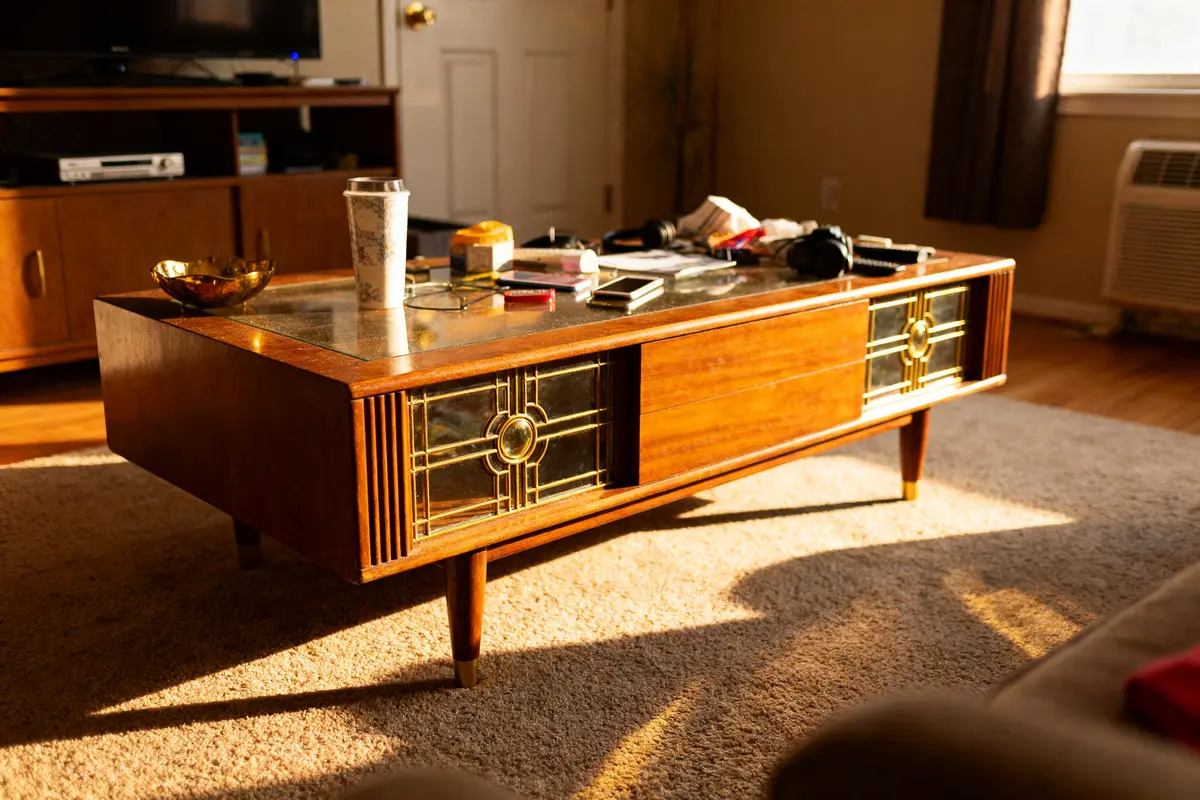
The mid-century modern vintage coffee table is instantly recognizable by its clean lines, minimalist form, and organic shapes. Crafted predominantly from teak, walnut, or rosewood, these tables emphasize both functionality and elegance. Characteristic features include tapered legs, smooth curves, and ingenious storage options, making them a timeless centerpiece in many living rooms.
They often mix natural wood with metal or glass accents to create a striking but subtle contrast. This style emerged in the post-war era, focusing on simplicity and practicality, which resonates with today’s design sensibilities.
Art Deco Glass and Brass Details
Art Deco vintage coffee tables captivate with their opulent use of glossy materials, particularly glass tops paired with intricate brass detailing. These tables often sport geometric shapes, bold symmetry, and lavish embellishments that highlight the luxury of the Roaring Twenties and 1930s.
Clear or smoked glass surfaces combined with brass legs or frames create a stunning interplay of reflective textures and metallic shine. The appeal lies in their ability to add a glamorous accent that contrasts traditional wood finishes. Collectors particularly value the refined craftsmanship seen in original hardware and decorative accents.
Industrial and Rustic Blends
Industrial and rustic vintage coffee tables merge raw materials like reclaimed wood, iron, and steel to forge rugged yet stylish furniture pieces. These tables often feature distressed surfaces, exposed joints, and heavy, sturdy bases—ideal for creating warmth in urban lofts or farmhouse-inspired spaces.
The blend of vintage patina and durable ironwork showcases a rugged charm. Designers and DIY enthusiasts favor this style for its ability to complement both modern and rustic interiors, often repurposing factory or workshop components to enhance authenticity and character.
Restoring Vintage Coffee Table: Finishes and Patina
Refinishing Vintage Coffee Table: Patina Preservation
When restoring a vintage coffee table, preserving the original patina is a key priority to maintain its historic and aesthetic value. Instead of heavy sanding that removes surface character, light cleaning followed by careful reconditioning is recommended.
Use gentle sealants like beeswax or natural oils instead of polyurethane finishes, which can mask the table’s aged beauty. These finishes protect the wood while allowing the patina to shine through, avoiding a flat or overly glossy appearance.
Restorers often overlook the type of protective finish, yet choosing one that enhances rather than erases original wear makes a big difference. Regular maintenance with appropriate waxes also prevents drying and cracking, extending the table’s longevity.
Hardware and Leg Replacement Tips
Replacing hardware and legs on vintage coffee tables requires attention to style consistency and structural integrity. When original components are missing or damaged, opt for period-accurate reproductions or reclaimed vintage parts to keep the authenticity intact.
Hardware such as drawer pulls, hinges, and screws should match the table’s era and finish. For leg replacements, consider the correct taper, height, and material, especially in mid-century or Art Deco designs where leg style defines the profile. Installations should be secure but reversible when possible, preserving the table’s collectible value.
Author’s Note
« Choosing the right finish to protect vintage wood without obscuring its patina is essential for maintaining both character and durability long-term. »
Room Styling and Placement for Vintage Tables
Positioning your vintage coffee table impacts the entire room’s vibe. Place it centrally in front of the sofa or seating group, allowing easy access and enhancing flow. Size matters too: choose a vintage coffee table that fits the room’s scale to avoid overcrowding or seeming lost.
Styles like mid-century modern look best in spaces with clean lines and muted colors, while Art Deco pairs well with luxurious fabrics and bold decor. Industrial coffee tables suit open, utilitarian rooms with metal and exposed brick accents.
Using rugs underneath helps define the area and adds warmth. Consider mixing vintage coffee tables with contemporary furnishings for an eclectic but balanced aesthetic.
Sourcing and Budgeting for Vintage Tables
Finding a vintage coffee table that fits your budget starts with understanding typical price ranges for different styles. Mid-century tables often range from $300 to $600, while Art Deco pieces can climb to $400 to $800 due to their decorative elements and materials.
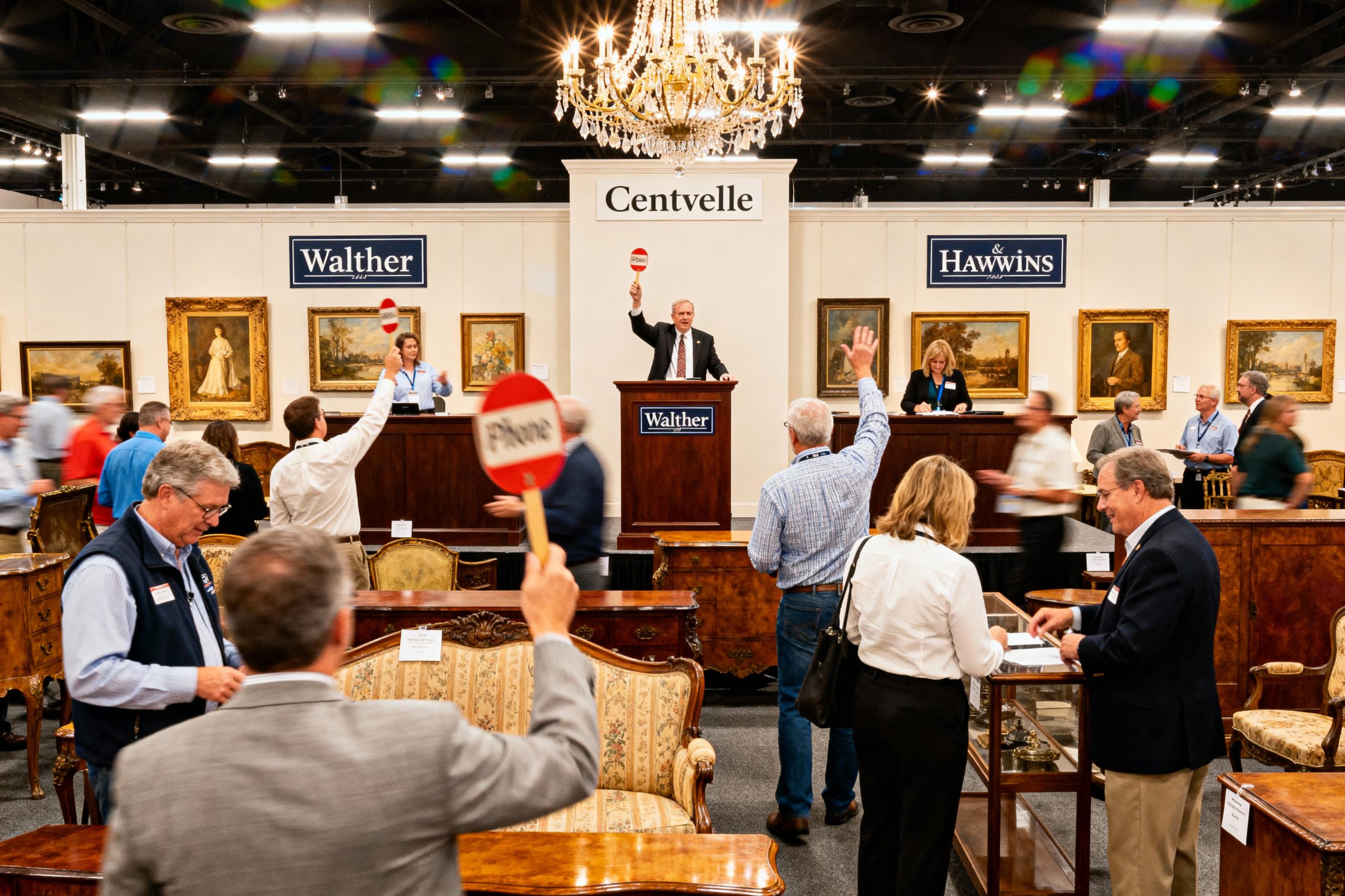
Local thrift shops, estate sales, and online marketplaces remain popular sources. Negotiation and condition checks help secure the best deal. Set a realistic budget and factor in restoration costs, which vary based on finish and hardware needs.
Rare styles or highly preserved items command higher prices, so be prepared for occasional splurge purchases to acquire truly unique vintage coffee tables.
🛠️ Vintage Coffee Table Restoration Cost Calculator
Estimate your restoration budget based on table size, condition, and required repairs.
Sourcing and Budgeting for Vintage Tables
Acquiring a vintage coffee table requires a strategy that balances budget with the desired style. Prices differ significantly by era and maker, with mid-century options generally the most affordable, averaging between $300 and $600. Art Deco tables typically fetch higher sums, usually $400 to $800, reflecting their upscale materials and intricate details.
Budget for restoration when shopping; even well-preserved pieces may need refinishing or hardware updates. Local antique shops, online forums, and estate sales provide a wide variety of sources, each with unique price points and condition variations.
Patience and knowledge about styles and typical price ranges empower buyers to find rare, high-quality tables at fair value without overspending.
Care and Maintenance for Longevity
Maintaining your vintage coffee table is crucial for its longevity and appearance. Experts recommend a maintenance routine including monthly gentle dusting with a soft, dry cloth to remove debris and prevent buildup.
Every three months, apply a conditioning oil such as tung or linseed oil to nourish the wood and enhance its natural grain. Avoid harsh chemicals or abrasive cleaners that can strip finishes or damage delicate surfaces.
Periodic inspection of joints and hardware ensures structural integrity. Protect your table from direct sunlight and moisture to preserve both the finish and the wood beneath.
Consistent care not only extends the life of a vintage coffee table but also helps retain its collectible value and timeless charm.
FAQ: vintage coffee table
What is a vintage coffee table?
A vintage coffee table is a classic furniture piece typically 20-30 years old or older, known for its distinctive style and craftsmanship. These tables showcase design eras like mid-century modern, Art Deco, or industrial rustic, blending functionality with timeless aesthetic appeal.
How much does a vintage coffee table cost?
The cost of a vintage coffee table varies by style and condition. Mid-century modern tables usually range from $300 to $600, while Art Deco models can cost $400 to $800 due to luxurious materials and detailing. Restoration expenses should also be considered in your budget.
How do you restore a vintage coffee table?
Restoring a vintage coffee table involves preserving its original patina by using gentle cleaning and natural oils or beeswax instead of harsh finishes. Hardware and legs should be replaced with period-accurate parts to maintain authenticity and ensure the table's functionality and beauty.
What styles of vintage coffee tables are popular?
Popular vintage coffee table styles include mid-century modern with clean lines and tapered legs, Art Deco featuring glass and brass with geometric designs, and industrial rustic mixing reclaimed wood and metal for a rugged look. Each style suits different room aesthetics.
What is the best way to maintain a vintage coffee table?
The best way to maintain a vintage coffee table is monthly dusting with a soft cloth, applying conditioning oils like tung or linseed every three months, avoiding harsh chemicals, and protecting it from sunlight and moisture. Regular checks on hardware and joints ensure durability.
Where can I find vintage coffee tables for sale?
You can find vintage coffee tables at local thrift shops, estate sales, antique stores, and online marketplaces. Knowing typical price ranges and styles helps in negotiating and spotting quality pieces. Patience and knowledge improve chances of scoring unique tables at fair prices.

John has been passionate about furniture and interior design for over a decade, combining his love for vintage pieces with modern styling techniques. After years of helping friends transform their spaces and restoring countless furniture finds, he started this blog to share his expertise and inspire others to create homes they truly love. When he’s not writing or hunting for unique pieces at estate sales, you’ll find him refinishing a mid-century dresser or experimenting with new room layouts in his own ever-evolving home.