No Photoshop, no filter: the lost secret to reviving old photos revealed
Back to Basics: Photo Retouching Before Pixels and Presets
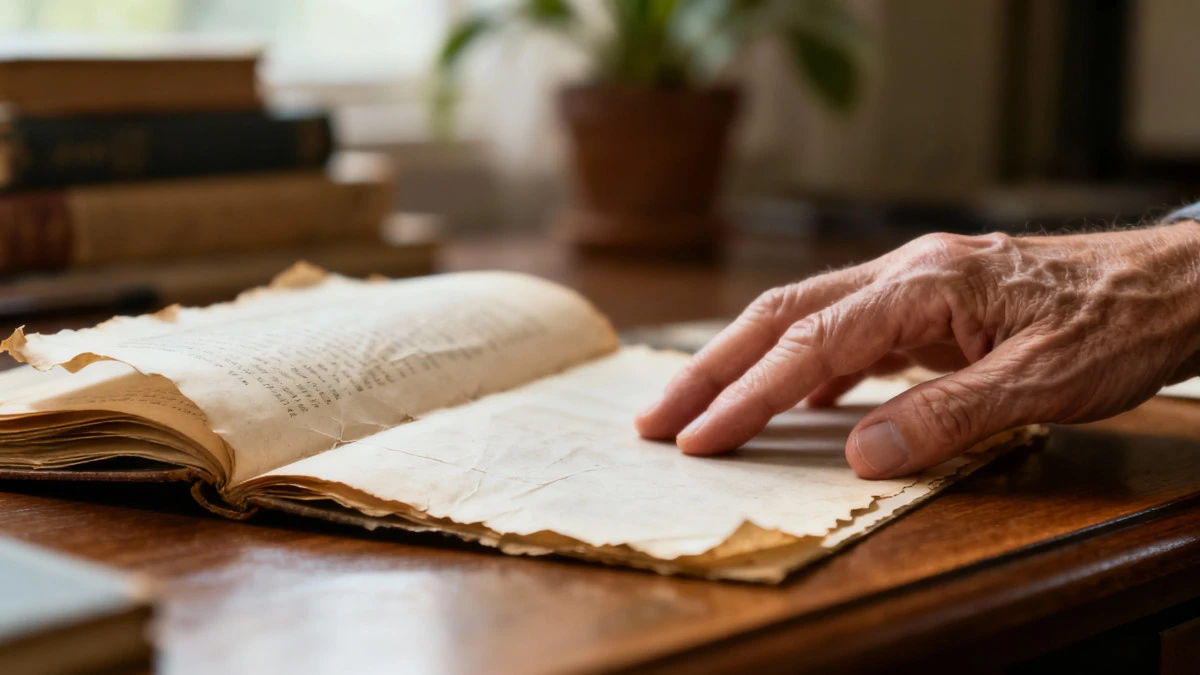
Imagine opening a photo album, dust motes dancing in the sunbeams, and seeing portraits so artfully finished you’d swear they’d had a little help from Photoshop. But wait! These pictures were perfected long before software shortcuts existed. Think « dodging and burning » but minus the RAM crashes and endless layers. Welcome to the enchanting—and surprisingly hands-on—world of antique photo retouching.
In a fascinating journey through history, Markus Hofstätter demonstrates just how much elbow grease (and chemistry) went into smoothing wrinkles or vanishing a rogue blemish in the days long before digitization. In his video showcase, Markus steps away from the screen and into a world where sunlight, tracing paper, and a dash of scientific flair did all the heavy lifting.
The Antique Photo Retouching Desk: Not Your Average Workspace
What’s the opposite of a Photoshop action? Try a genuine antique photo retouching desk from the late 1800s and early 1900s. This contraption resembles a supercharged light box, complete with clever design elements:
- A bar to adjust the glass negative’s position
- An all-important mirror at the back for reflecting precious light
- Adjustable features for meticulous tweaks
This was no mere prop—photographers wielded these tools for precision. Forget nostalgia about untouched photos from « simpler times. » Markus dispels the myth that images from the past were always delivered straight out of the camera, unvarnished and raw. The truth? Retouching was as much a part of photography then as today, only the medium (and, perhaps, the risk of chemical stains on your shirt) has changed.
A quick glance at the desk even reveals a recipe for the famed « dodging and burning »—a technique linked to icons like James Dean. Proof positive: the impulse to enhance our images is as old as the art itself.
From Tracing Paper to Sunlit Magic: A Step-by-Step Transformation
Now for the real alchemy. Markus takes his first spin with vintage retouching tools using a portrait from his Emily Portraits of Hope series. Key to his approach is the movable mirror, which lets him see every negative in perfect light—essential for spotting flaws, like developer burns.
Safety first! Instead of direct edits, Markus lays tracing paper over the original negative, fixing it with tiny dots of removable gum at the corners. After a quick trim, he’s ready to retouch—think “layering,” but your CTRL+Z is just a careful pencil or brush. This manual process brings new appreciation for the convenience of digital tweaks.
Yet, once the negative is retouched, the journey is far from over. Next up? The print. Here’s the hands-on process:
- Soak gelatin in water and dissolve it with heat.
- Mix in ammonium chloride.
- Prepare thick Honeymoon Platinum Rag paper, taped to a glass plate.
- Outline and spread the salt solution. Let dry.
- Whip up a silver nitrate mix with distilled water (goggles and gloves on—no accidental side effects like in Photoshop).
- Apply the silver solution, then dry the paper (thank you, blow dryer).
Then comes the magic moment: the retouched glass plate and tracing paper are sandwiched with the salted-silvered paper in a copy frame and left to bask in sunlight. Markus delights in being able to check the print mid-exposure—something you just can’t do in a darkroom—and adjusts as needed, using a second plate to illustrate the sun’s effect on the process.
Finally, prints get their first wash, then a gold toning bath. Markus, with honest humility, admits his retouching could use some polish but still takes pride in the results. The print of Daria, for example, is gentler since no headrest was used, yet the detail remains captivating.
More Than a Print: Why It All Still Matters
What elevates these vintage methods? It’s not speed, but intention. Mixing chemicals, positioning sunlight, and handling fragile negatives makes each photograph a more personal labor of love. Sure, digital editing is faster—and certainly less risky if you’re accident-prone with chemicals—but you miss out on the tactile bond forged in the old way. There’s something unmatchable about seeing sunlight and chemistry turn craft into living art.
Feeling inspired? Next time you reach for that « save as » button, remember: sometimes the slow, deliberate moments matter just as much as the snap of the shutter. In every era, from tracing paper to touchscreen, the passion for preserving stories finds its own brilliant light.
With a discerning eye for exceptional craftsmanship and timeless beauty, Edward has dedicated his career to sourcing and curating fine antique furniture from across USA. His deep appreciation for historical design, from Georgian elegance to Art Deco sophistication, guides collectors and enthusiasts in discovering pieces that tell stories of bygone eras. Through his expertise and genuine passion, he helps preserve the artistry of master cabinetmakers while bringing distinguished character into contemporary homes.