Aphids: small in size, big in trouble. They invade your garden faster than you can say « rose bush massacre, » and getting rid of them often seems like an endless battle. But before you reach for the chemical arsenal, let’s shine a spotlight on natural, traditional remedies that work just as well—without turning your plot into a toxic zone. Here are 10 clever, safe ways to outsmart aphids for good, inspired by classic gardening wisdom!
Why Waging War on Aphids Matters
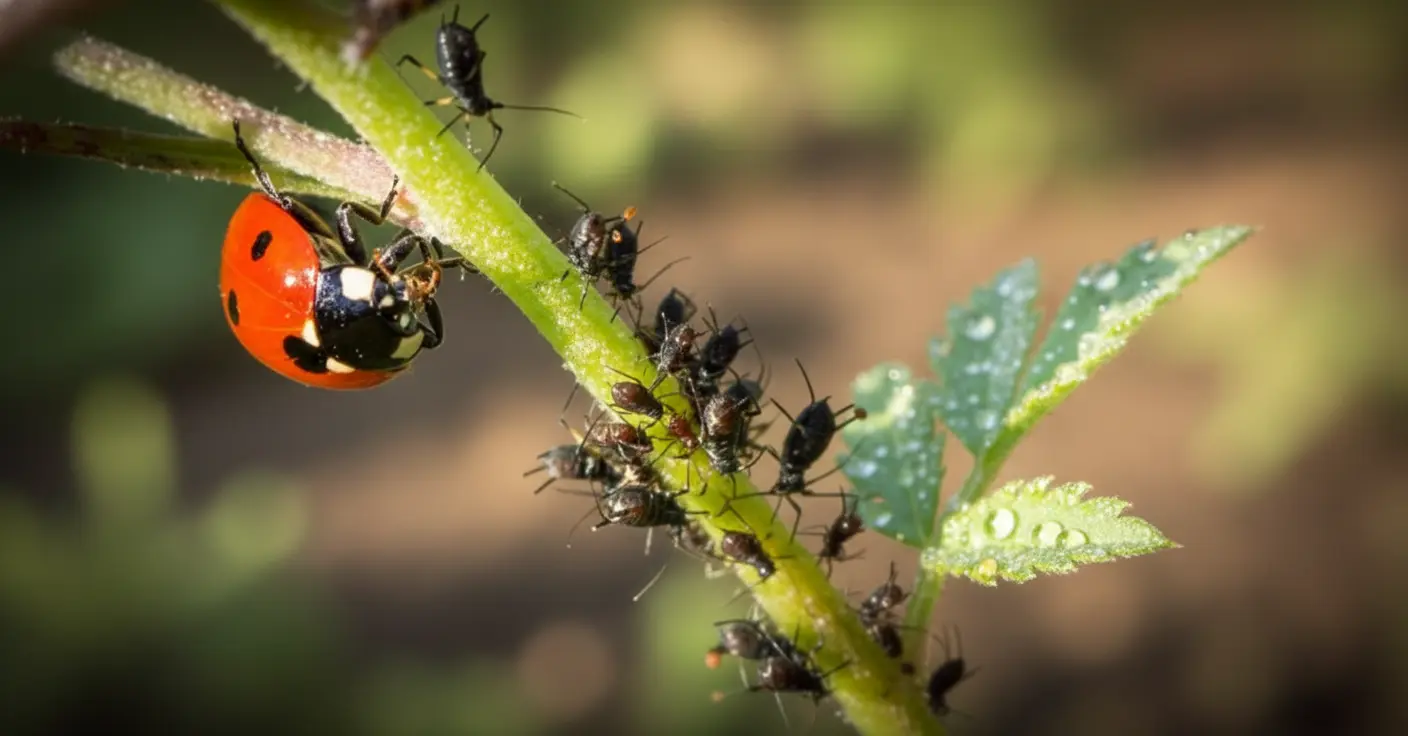
A single aphid might look harmless, but don’t be fooled—these little sap-suckers multiply at lightning speed. In a matter of days, they can take over roses, tomatoes, beans, or even your houseplants. Here’s why you want to act fast:
- Aphids feed on plant sap, weakening young shoots and new leaves first. Result? Leaves curl, yellow, and overall growth slows to a crawl.
- They excrete honeydew—a sticky substance that attracts ants and fosters black mold (sooty mildew), preventing your plant from « breathing » properly.
- A single female aphid can give birth to dozens in a week. Wait too long, and suddenly your whole garden’s at risk!
- Infestations slow crop growth, lower yields, and increase susceptibility to disease. Your green beans might just stop growing, and your salads can wither from within.
Lesson: catch aphids early, and you save yourself a world of heartache (and some ugly leaves).
10 Genius, Chemical-Free Solutions Worth Your Grandma’s Seal of Approval
- Black Soap Spray: Mix 1–2 tablespoons of liquid black soap in 1 liter of warm water. Spray directly onto leaves, stems, and their undersides. This magical potion gently suffocates the aphids without harming your plant—or your nose.
- White Vinegar Mist: Combine one part white vinegar with three parts water. Spray in the cool morning or evening, never in midday sun (unless you want roasted foliage). Vinegar zaps aphids, but go easy to avoid harming the plant.
- Nettle Infusion: Steep nettle leaves in water for 2–3 days, filter, then spray. This stinky brew not only chases pests, but also boosts the plant’s natural defenses.
- Black Soap and Wood Ash Mix: Old-school but brilliant. Sift fine wood ash, let it soak in rainwater for 24–48 hours, filter it, then add one tablespoon black soap per liter of liquid. Spray in the early morning or evening. The ash releases potassium and basic compounds to weaken aphids; the soap drowns survivors. A client with aphids all over antique roses found relief in two applications, three days apart, when commercial products failed.
- Don’t Overdo Any Mixes: Mixing random natural remedies (vinegar, lemon, oils, soap) can lead to chemical reactions that irritate leaves. Less is more!
- Right Timing is Key: Always treat early in the morning or late evening, hiding from harsh sun. Otherwise, you risk burning your plant.
- Be Kind to Ladybugs and Friends: Spray too hard or too often, and you’ll send ladybugs, hoverflies, and lacewings packing. They’re your best allies!
- Avoid Ant Complicity: Ants farm aphids for honeydew and chase off their predators. If you see an ant parade, it’s a sign of aphids, not a rescue mission!
- Ventilate and Space Out: Crowded, poorly-aerated beds make matters worse. Space your plants, thin heavy foliage, and keep air moving for healthier defenses.
- Build Insect Hotels: Setting up a bug house lets ladybug larvae and other helpers overwinter safely—so they’ll be back next spring when the aphids return.
Prevention: Outwit Aphids Before the Invasion
Naturally, a healthy, lively, balanced garden is your best line of defense. Want to make it hostile to aphids (but friendly for everyone else)?
- Welcome natural pest predators by planting a variety of flowers and herbs—they serve as shelter and buffet for ladybugs, hoverflies, lacewings, and more.
- Avoid monocultures. Beds of a single type attract species-specific aphids—so change things up!
- Water regularly, but not excessively, and steer clear of too much nitrogen (which weakens plants and makes them « aphid magnets »).
- If your garden lacks birds or helpful insects, build diversity so aphids have fewer opportunities to thrive unchecked.
Garden Safety: Because Curious Kids and Pets Matter Too
Worried about little hands or furry noses? Good news: these traditional aphid remedies are the safest option for family gardens. Unlike harsh commercial insecticides, black soap, garlic infusion, diluted oils, and nettles work locally, leaving no pollution or dangerous residues.
- Many store-bought bug killers contain toxic or carcinogenic molecules—riskier for children and pets who spend time outdoors.
- Grandma’s solutions let you act swiftly and safely against aphids, even if Fluffy the cat helps you weed the carrots.
In Short: Aphids don’t vanish all on their own. Act early, stay gentle, and make life in your garden hard for these pests—but rewarding for the helpers! Sometimes the oldest tricks really are the best.

With a discerning eye for exceptional craftsmanship and timeless beauty, Edward has dedicated his career to sourcing and curating fine antique furniture from across USA. His deep appreciation for historical design, from Georgian elegance to Art Deco sophistication, guides collectors and enthusiasts in discovering pieces that tell stories of bygone eras. Through his expertise and genuine passion, he helps preserve the artistry of master cabinetmakers while bringing distinguished character into contemporary homes.