Key takeaways:
Maryland’s land bank programs address local development by managing over 1,100 properties through initiatives like Baltimore’s Vacants to Value. These entities stabilize neighborhoods by clearing title issues and increasing property tax revenues while ensuring buyers dedicate at least $90,000 for renovation. Prioritizing owner-occupants, land banks balance regeneration with community-focused redevelopment and investor participation.
How can property buyers navigate Maryland’s complex land banks to actively participate in neighborhood revitalization? Local land banks offer dynamic inventory and structured eligibility criteria that impact acquisition and rehabilitation timelines significantly. With requirements such as escrowed renovation funds and occupancy rules, understanding these factors is crucial for a smooth purchase. Acquiring knowledge of financing thresholds and compliance protocols empowers applicants to secure properties efficiently and uphold the community’s stability through informed rehabilitation efforts.
Maryland Programs and Benefits of Land Banks
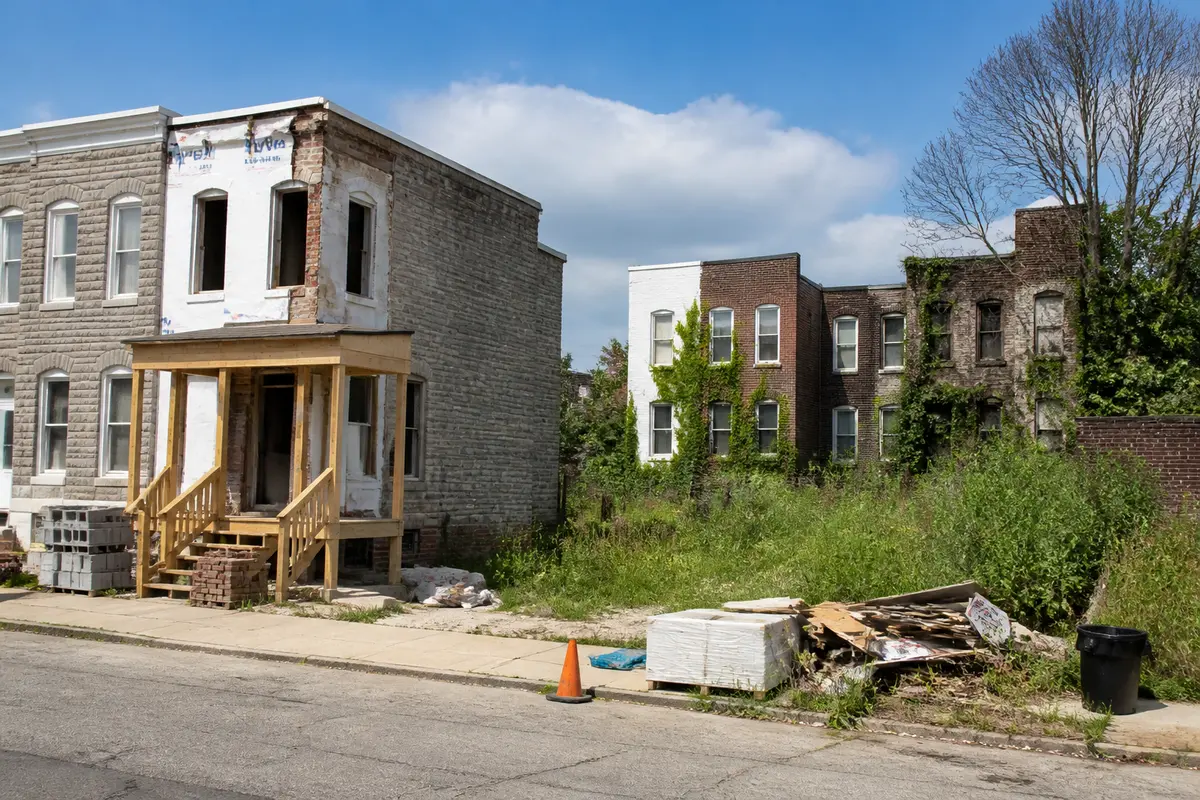
Land banks in Maryland serve as vital tools for revitalizing distressed properties and promoting local development. These government-established entities acquire, manage, and repurpose vacant or tax-delinquent properties to reduce neighborhood blight and stimulate economic growth. By consolidating abandoned or neglected properties, land banks help clear title issues and make redevelopment more attractive to homeowners and investors alike.
The primary benefits of land banks include stabilizing property values, increasing property tax revenues, and reducing municipal costs associated with abandoned homes. For communities struggling with aging housing stock or persistent vacancies, these programs encourage regeneration by offering affordable purchase opportunities with clear legal status. Maryland’s land banks also play an important role in closing gaps left by the traditional real estate market by prioritizing affordable housing and community-focused redevelopment projects.
How to Buy and Rehab Through Maryland Land Banks
Eligibility and Documentation
Purchasing from a land bank in Maryland requires meeting specific eligibility criteria that vary depending on the jurisdiction. Most land banks prioritize owner-occupants, assigning approximately 60% of available properties to buyers willing to live in the home. Investors seeking to rehab and rent or flip properties typically face stricter scrutiny but remain important participants in local revitalization efforts.
Applicants generally must provide documentation such as proof of funds, background checks, and evidence of renovation capabilities or plans. A clear demonstration of the ability to complete rehabilitation within required timelines improves chances of approval. Some programs demand applicants to show no outstanding federal or state liens or criminal cases that might impede renovation or property maintenance. These requirements help ensure that buyers commit to long-term upkeep and neighborhood improvement.
Maryland Land Banks: Financing, Renovation and Use Rules
Financing purchases from Maryland’s land banks often includes a minimum rehab fund requirement. Many jurisdictions require buyers to demonstrate at least $90,000 held in escrow or approved financing dedicated exclusively to renovation costs. This rule guarantees that properties won’t be resold or neglected after acquisition, supporting the land bank’s commitment to community stability.
Renovation must comply with local building codes, environmental regulations, and historic preservation guidelines when applicable. Buyers typically have 12 to 18 months to complete rehabilitation before triggering penalties or repurchase clauses. Additionally, land banks enforce occupant use rules; owner-occupants often must reside in the home for at least five years, while developers may receive permission for leasing under monitored agreements to ensure proper property management.
Key Maryland Jurisdictions and Their Land Bank Programs
Maryland hosts several notable land banks, including Baltimore’s Department of Housing and Community Development (DHCD) Vacants to Value initiative, Montgomery County Land Bank, and the Cambridge Land Bank Authority. Each program operates with tailored priorities, but all aim to streamline property acquisition, clear title complications, and encourage productive reuse.
Baltimore’s program stands out for offering tiered sales pricing from as low as $1 for eligible buyers to market-rate prices for developers. Montgomery County provides user-friendly pathways for both community members and investors to purchase tax-delinquent properties with transparent bidding and clear regulatory frameworks. Cambridge’s Land Bank Authority is still establishing its board and operational guidelines but is expected to focus heavily on equitable redevelopment aligned with local zoning and community needs.
Author’s Note
« Understanding the variations in application processing times across Maryland’s land banks—from as short as six weeks in some counties to three months in others—will help applicants plan their purchases more effectively and avoid surprises. »
Inventory, Timelines, and the Development Impact
Maryland’s land banks typically maintain dynamic inventories that fluctuate monthly. For example, Baltimore’s DHCD currently lists over 1,100 properties available under Vacants to Value. These lists are not indexed on traditional MLS platforms, requiring interested buyers to use official land bank portals or aggregators for up-to-date information.
Application processing times can vary by jurisdiction. Some counties process applications and approve purchases within 4 to 8 weeks, while others may take up to 12 weeks depending on volume and property complexity. Timely communication with land bank officials is critical to track progress and prepare for closing.
The redevelopment impact of land banks is significant. Complete rehab projects lead to stabilized neighborhoods, increased local tax revenues, and reduced municipal expenses related to code enforcement and emergency response. About 70% of rehabilitated properties end up occupied by new homeowners, while the remainder supports community-aligned investors who provide rental options with oversight. This balanced allocation helps ensure ongoing neighborhood vitality.
Resources, Contacts, and Getting Started
Prospective buyers should start by visiting their local land bank’s website to access official property listings and application instructions. Many jurisdictions offer workshops, downloadable guides, and contact points for assistance through the purchase and rehab process.
Key contacts typically include the land bank authority office, local housing departments, and nonprofit partners specializing in housing rehabilitation financing. For example, Baltimore DHCD provides detailed program manuals and dedicated staff to help with questions on bids, ownership compliance, and funding documentation.
Getting started involves selecting a target property from the inventory, gathering required documentation such as proof of funds and renovation plans, and submitting a formal application. Staying organized and understanding program timelines will speed approval and help avoid delays. Engaging with community groups familiar with local land projects can also provide valuable advice and open doors to rehabilitation grants or low-interest loans.
🧮 Land Banks in Maryland Rehab Budget Calculator
Estimate the minimum renovation funds required for a Maryland land bank property based on property size and rehabilitation scope.
FAQ — land banks in Maryland
Can you purchase land from land banks in Maryland?
Purchasing land from Maryland land banks is possible, typically focused on vacant or tax-delinquent properties. Eligibility often prioritizes owner-occupants, requiring documentation and renovation plans, while investors can also participate but face stricter requirements to support community revitalization.
Where is the cheapest land available through land banks in Maryland?
The cheapest land in Maryland land bank programs can be found in Baltimore’s Vacants to Value initiative, with some properties sold from as low as $1 for qualifying buyers, while prices increase to market rates for developers, reflecting local redevelopment priorities.
Where can I find abandoned properties for sale from land banks in Maryland?
Abandoned or vacant properties managed by Maryland land banks are listed on official land bank websites and portals. These inventories update regularly and are not found on traditional MLS platforms, so prospective buyers must use dedicated land bank resources to view available homes.
How much is 1 acre of land typically in Maryland’s land bank programs?
The typical price for 1 acre of land in Maryland’s land bank programs varies widely due to location and property condition, but land banks usually focus on smaller residential lots rather than large acreages, aiming to revitalize neighborhoods rather than sell extensive undeveloped tracts.
What are the steps to buy and rehab a property from Maryland land banks?
Buying and rehabbing land bank properties in Maryland involves selecting a property from the land bank’s inventory, proving eligibility with documentation like funds and renovation plans, and completing required rehabilitation within set timeframes, while complying with local building codes and use rules.
How do financing and renovation requirements work for Maryland land bank properties?
Maryland land banks require buyers to have minimum rehab funds, often around $90,000 held in escrow or financed, to ensure properties are properly rehabilitated. Renovations must meet local codes, and buyers usually have 12 to 18 months to complete improvements to maintain ownership.

John has been passionate about furniture and interior design for over a decade, combining his love for vintage pieces with modern styling techniques. After years of helping friends transform their spaces and restoring countless furniture finds, he started this blog to share his expertise and inspire others to create homes they truly love. When he’s not writing or hunting for unique pieces at estate sales, you’ll find him refinishing a mid-century dresser or experimenting with new room layouts in his own ever-evolving home.