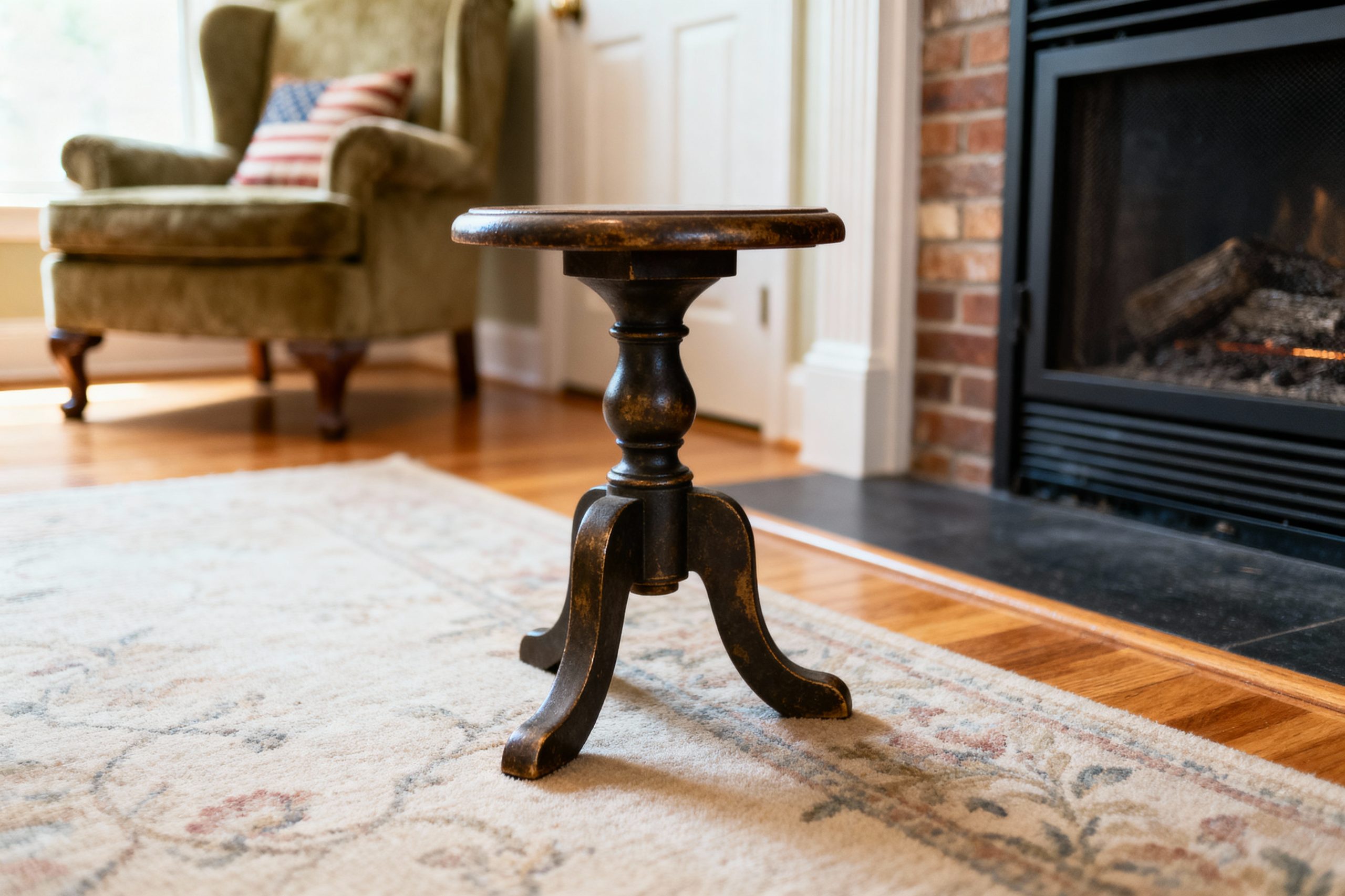
If you’ve ever wondered about those small, elegant footrests found in antique shops, you’re looking at furniture with a fascinating medical history. A gout stool naturally combines therapeutic benefits with beautiful craftsmanship, making it both a collector’s treasure and a functional piece for modern homes. This guide reveals how these specialized footrests evolved from simple medical aids into valuable antiques worth hundreds or thousands of dollars, while showing you how to identify authentic pieces and care for them properly.
What is a gout stool?
A gout stool is a small piece of furniture specifically designed to elevate the foot and provide comfort for people suffering from gout or other foot ailments. These specialized footrests help promote better blood circulation and reduce pressure on painful joints. The elevated position allows the affected foot to rest comfortably while reducing swelling and discomfort.
These functional pieces serve dual purposes in most homes. Beyond their medical benefits, gout stools often feature beautiful craftsmanship that makes them attractive accent pieces. Many antique examples showcase the woodworking skills of their era, with prices ranging from around $400 for simpler designs up to $7,850 for ornate, well-preserved pieces.
The typical construction involves sturdy wooden frames, often made from quality materials like mahogany or oak. Many feature upholstered tops covered in leather or fabric for added comfort. The height and angle are carefully designed to provide optimal foot positioning for relief.
A brief history of gout-related footrests
Gout stools emerged during the 18th and 19th centuries, primarily in Europe and the United States. During this period, gout was commonly known as the « disease of kings » because rich diets and lifestyle habits of the wealthy often triggered this painful condition. Furniture makers began creating specialized seating solutions to address this growing need.
The development of these footrests coincided with advances in medical understanding of circulation and joint care. Doctors recommended elevating affected limbs to reduce swelling and pain. Skilled craftsmen responded by designing furniture that combined therapeutic benefits with the aesthetic standards expected in well-appointed homes.
Early versions were often simple, functional pieces. As their popularity grew, furniture makers began incorporating decorative elements that reflected the design trends of their time. This evolution transformed purely medical furniture into pieces that could proudly sit alongside other fine furnishings in parlors and sitting rooms.
Styles and construction of gout-related furniture
Gout stool styles through history
Several distinct gout stool styles emerged across different historical periods. The sleigh-style design featured curved runners similar to those found on winter sleds, creating gentle rocking motions that provided additional comfort. Splayed-legged versions offered excellent stability with legs that angled outward from the base.
Rocking gout stools became particularly popular because the gentle motion helped improve circulation. These pieces often featured coil springs or flexible supports that enhanced the therapeutic rocking action. Folding designs appeared later, offering practical storage solutions for smaller living spaces.
Some craftsmen created horseshoe-shaped designs that cradled the foot more securely. These curved forms often featured needlepoint or tapestry upholstery that added both comfort and visual appeal. Spindle construction was another popular approach, using turned wooden posts to create lightweight yet sturdy frames.
Gout stool designs across periods
Eighteenth-century designs emphasized simplicity and function over decoration. These early pieces typically featured clean lines and minimal ornamentation. The focus remained on creating effective therapeutic furniture rather than showpieces.
Victorian-era examples represent the golden age of gout stool craftsmanship. These pieces frequently showcased elaborate carvings, rich upholstery, and curved or carved legs that demonstrated the maker’s skill. Brass fittings and decorative studs became common accent features during this period.
The 19th century brought innovation in both design and functionality. Makers experimented with new mechanisms, creating more sophisticated rocking systems and improved folding hardware. This period also saw the introduction of more diverse materials and finishing techniques that enhanced both durability and appearance.
Regional and cultural variations in gout stools
Regional variations in gout stools across the english-speaking world
European gout stools, particularly those from England and France, typically featured more ornate styling compared to their American counterparts. English examples often showcased fine leather upholstery with decorative nail heads arranged in intricate patterns. French versions sometimes incorporated delicate carvings and gilt accents that reflected continental tastes.
American antique gout stools from the late 19th century generally emphasized straightforward construction and practical design. These pieces often featured turned spindles or simple rocker-style bases without excessive ornamentation. The average sale price for quality American examples hovers around $950, reflecting their enduring appeal among collectors.
Materials choices also varied by region. European makers favored rich hardwoods like mahogany and walnut, often paired with luxurious leather or silk upholstery. American craftsmen frequently used locally available woods like oak and maple, creating pieces that reflected regional preferences and available resources.
Care and display of antique gout stools
Proper care begins with environmental control. We advise maintaining antique gout stools in dry environments to prevent wood deterioration and upholstery damage. Excessive humidity can cause joints to loosen and fabric to develop mold or mildew problems.
Regular maintenance should include gentle dusting with soft cloths and occasional polishing with appropriate furniture wax. Avoid harsh cleaning products that can damage original finishes or upholstery. For pieces with original fabric or leather, professional conservation may be necessary to preserve historical integrity.
Display considerations can significantly impact both preservation and aesthetic appeal. These tips help maximize the impact of antique gout stools in modern interiors:
- Position away from direct sunlight to prevent fading and wood damage
- Use as accent pieces in reading nooks or beside comfortable chairs
- Highlight period details like carved elements or original upholstery
- Group with other antique furniture to create cohesive design statements
- Consider functional use while respecting the piece’s age and condition
Many collectors appreciate these pieces not just as historical artifacts but as functional furniture that continues serving its original purpose. The combination of therapeutic benefits and historical significance makes well-preserved examples particularly valuable additions to both antique collections and everyday living spaces.
When evaluating potential purchases, we recommend inspecting construction details carefully. Look for period-appropriate joinery techniques, original hardware, and signs of quality craftsmanship. Understanding regional characteristics and historical context helps distinguish authentic pieces from modern reproductions inspired by traditional designs.
FAQ
What are gout stools?
Gout stools are small pieces of furniture designed to elevate the foot for individuals suffering from gout or other foot ailments. They help promote blood circulation and reduce pressure on painful joints, offering relief by allowing the affected foot to rest comfortably.
What is a Victorian gout stool?
A Victorian gout stool is an ornate piece of furniture from the Victorian era that showcases elaborate carvings, rich upholstery, and decorative elements. These stools were designed not only for comfort but also to serve as attractive accent pieces in well-furnished homes.
What is a ladies gout stool?
A ladies gout stool is a specific type of gout stool typically designed with feminine aesthetics and comfort in mind. These stools often featured elegant designs, upholstery, and craftsmanship, making them suitable accents for women’s seating areas during the period.
What is a gout bench?
A gout bench is a larger variant of a gout stool, designed to accommodate more than one person. Like gout stools, gout benches aim to elevate the feet, providing comfort and relief for individuals suffering from gout and other foot issues.
How does gout affect bowel movements?
Though gout primarily affects the joints, its treatment may influence bowel movements. Certain medications or dietary changes aimed at managing gout can lead to variations in stool appearance or consistency as the body adjusts to new routines.
What materials are commonly used in gout stools?
Gout stools typically utilize quality materials like mahogany or oak for frames, while upholstered tops are often covered in leather or fabric. These materials ensure durability, comfort, and an appealing aesthetic, making them both functional and decorative.

John has been passionate about furniture and interior design for over a decade, combining his love for vintage pieces with modern styling techniques. After years of helping friends transform their spaces and restoring countless furniture finds, he started this blog to share his expertise and inspire others to create homes they truly love. When he’s not writing or hunting for unique pieces at estate sales, you’ll find him refinishing a mid-century dresser or experimenting with new room layouts in his own ever-evolving home.