Key takeaways:
The 30 to 90 days timeframe is critical for owners of condemned properties in Columbus Indiana to address safety violations and avoid foreclosure. Enforcement actions include administrative fines up to $100 daily for continued noncompliance, while repair costs to meet code often exceed $10,000. City agencies rely on detailed inspections and documentation to enforce state and local building codes, ensuring public welfare and housing safety.
What happens when your property is deemed unsafe in Columbus can drastically affect your legal and financial responsibilities. Many owners underestimate the consequences of unresolved housing code violations, which can lead to sudden vacancy orders and complex foreclosure deadlines. The combination of strict municipal enforcement and escalating penalties creates significant pressure to resolve issues swiftly. Understanding the legal timelines and collaborating with city agencies helps owners protect their investments and maintain compliance with enforcement measures.
Identification and Enforcement of Condemned Properties in Columbus Indiana
How a Property Is Declared Unsafe or Unfit for Habitation
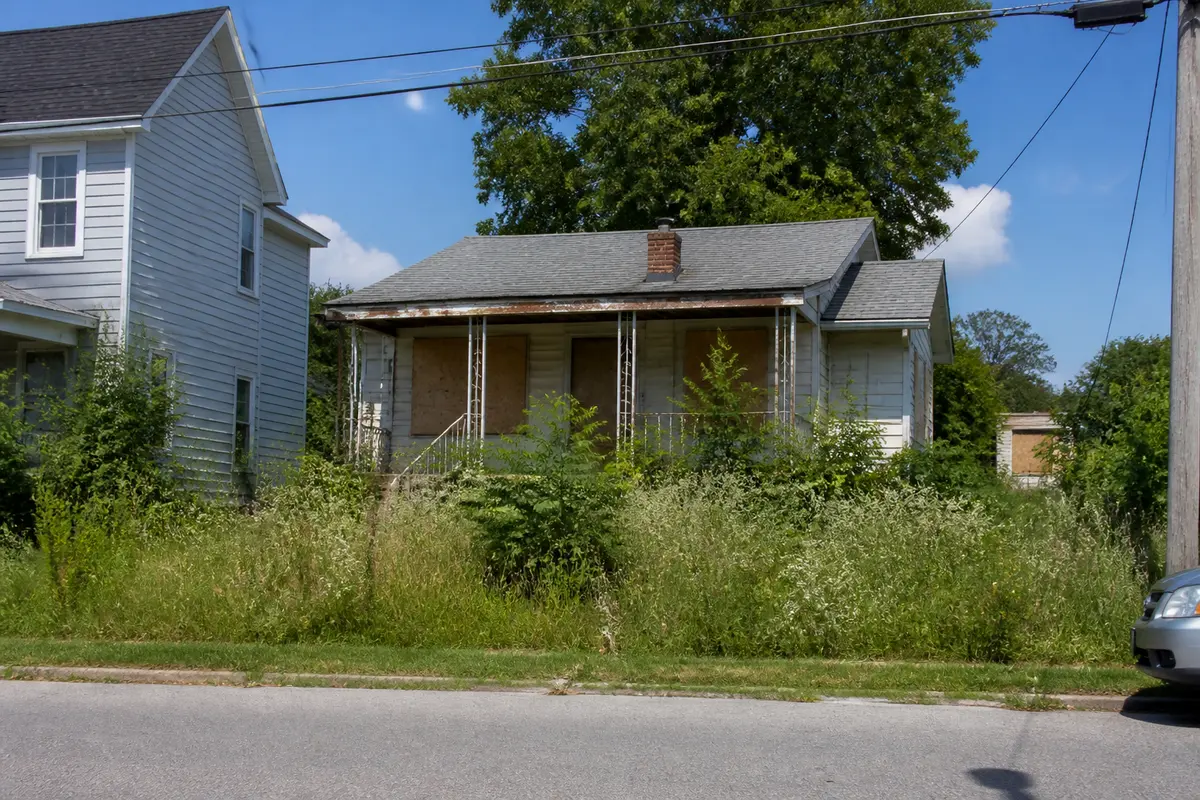
In Columbus, Indiana, a property is declared unsafe or unfit for habitation when it poses a risk to the health, safety, or welfare of its occupants or the public. This determination is made by code enforcement officers who inspect buildings for serious violations such as structural damage, fire hazards, sanitation issues, or severe electrical problems. Properties with broken windows, mold growth, leaking water, or signs of illegal occupancy often trigger these assessments. The city relies heavily on the Indiana Unsafe Building Law to evaluate if a dwelling is inhabitable.
Once a property exhibits conditions like cracked walls or exposed wiring, it may be categorized as “condemned,” signaling that it cannot safely be lived in until necessary repairs or demolition are completed.
Notice, Inspection, and Documentation Steps
The process begins when a complaint or observation prompts an official inspection by a Columbus code enforcement officer. After the initial visit, inspectors issue a detailed report documenting all violations relative to state and municipal codes. Possible infractions could include unsafe building conditions, lack of utilities, or sanitation hazards.
Property owners receive formal written notices explaining the violations and required corrective steps. These notices specify deadlines for compliance and outline consequences if ignored. Thorough documentation establishes a legal record in case further action, such as condemnation or foreclosure, becomes necessary.
City Actions: Vacate, Condemn, and Demolish
Following failed compliance or urgent danger, the city may order occupants to vacate immediately to protect their safety. The property can then be officially condemned, prohibiting its use until repairs meet code standards.
In cases where rehabilitation is impossible or unsafe, Columbus authorities possess the power to demolish the structure entirely. This ensures the removal of public nuisances and prevents hazards from lingering. Residents and property owners will be notified before demolition, providing a brief window for remedial efforts.
Costs and Fines for Condemned Properties in Columbus Indiana
Administrative Fines and Penalties
Owners of condemned properties in Columbus face administrative fines that vary based on the severity and duration of violations. These penalties serve as a deterrent against neglect and unlawful use. The city may impose daily fines for ongoing code violations, adding significant financial pressure to resolve issues promptly.
Failure to address condemnation notices can lead to escalating legal consequences, including court orders and liens placed on the property. Prompt attention to code enforcement directives is essential to avoid costly penalties.
Costs to Bring Into Compliance
Bringing a condemned property back into compliance often involves extensive repairs such as roof replacement, electrical system rewiring, plumbing upgrades, and mold remediation. While costs can vary widely, Columbus property owners typically face expenses ranging from $10,000 to over $50,000 depending on damage severity.
This estimate rarely appears in official guidance but is crucial for owners to plan finances. Repairs also include securing the property, clearing overgrown vegetation, and restoring utilities. Property owners should obtain professional assessments to understand their specific restoration needs.
Foreclosure Timelines and Owner Remedies
After condemnation, Columbus enforces statutory timelines before initiating foreclosure. Owners usually have between 30 to 90 days to respond and correct violations before the city files for foreclosure to recover costs.
Within this period, owners can pursue remedies such as making necessary repairs, appealing orders, or requesting extensions under hardship. Understanding these exact legal windows provides clarity for owners seeking to retain their property rights while resolving safety concerns.
Author’s Note
« Early engagement with Columbus code enforcement often prevents escalation to demolition, saving owners significant expense and preserving neighborhood safety. »
Key Codes and Agencies in Columbus Code Enforcement
The safety and regulation of properties in Columbus depend on several key municipal and state codes, enforced by designated city agencies. The Housing Code governs the quality of dwellings and sanitation standards. The Zoning Code controls land use and business operation compliance. The Nuisance Abatement Code addresses blighted, abandoned, or unhealthy properties.
The Health, Sanitation, and Safety Codes regulate issues like high grass, waste disposal, and general property maintenance. In addition, the Graphics Code oversees signage regulations related to public and private properties.
The City of Columbus Code Enforcement office collaborates closely with the Fire Department, Department of Community Development, and outside organizations like United Way to enforce these codes effectively and support affected residents and owners.
Tenant and Owner Rights During Condemnation
Both tenants and property owners hold specific rights when a dwelling in Columbus is condemned. Tenants must be notified immediately with instructions to vacate unsafe premises. Their lease is typically terminated by law upon condemnation due to the property’s condition.
Importantly, tenants may qualify for emergency relocation assistance if displaced by condemnation. However, eligibility criteria and application procedures can be complex and are often underexplained. The city recommends contacting local housing agencies or United Way for help with applying for this support.
Owners also maintain rights to contest condemnation orders or request time to correct violations. They must be aware of their responsibilities to provide safe housing or risk fines and foreclosure. Both parties should document communications thoroughly to protect their interests throughout the enforcement process.
Rehabilitation and Resources After Condemnation
Once condemnation status is lifted, the focus turns to rehabilitation. Columbus offers resources, including grants and assistance programs, to help owners repair and restore unsafe properties. Collaborative efforts with local nonprofits assist with funding repairs and improving long-term housing quality.
Common services include contractor referrals, low-interest loans, and advice on meeting city codes. These efforts aim to return properties to safe, viable conditions quickly to reduce neighborhood blight and improve community welfare.
Owners should seek support early to navigate building permits, inspections, and compliance verification. A successful rehabilitation not only benefits residents but may also prevent costly demolition and foreclosure actions.
🧮 Calculator for Condemned Properties in Columbus Indiana
Estimate your potential costs and foreclosure deadlines based on property condition and timeline.
FAQ — condemned properties in Columbus, Indiana
Can you find out who reported you to code enforcement in Columbus, Indiana?
Information about who reported a property to code enforcement in Columbus, Indiana, is generally kept confidential to protect the privacy of complainants and encourage community reporting.
What is the oldest building in Columbus, Indiana?
The oldest building in Columbus, Indiana, is a historic structure, often noted for its architectural significance, but specific details are outside the scope of Columbus property condemnation regulations.
What is the most common building code violation in Columbus, Indiana?
The most common building code violations in Columbus involve unsafe conditions such as structural damage, fire hazards, mold growth, broken windows, or sanitation deficiencies leading to properties being condemned.
Who is the largest employer in Columbus, Indiana?
The largest employer in Columbus, Indiana, is generally a major manufacturing company, which contributes significantly to the local economy, though this is unrelated to property condemnation.
How can I search for code violations in Columbus, Indiana?
Searching for code violations in Columbus, Indiana, is possible through the City of Columbus Code Violation Search system, which provides public access to active violations and enforcement status.
What is the City of Columbus code enforcement phone number?
The City of Columbus code enforcement phone number connects residents to officers who handle complaints, inspections, and inquiries about unsafe or condemned properties for prompt assistance.

John has been passionate about furniture and interior design for over a decade, combining his love for vintage pieces with modern styling techniques. After years of helping friends transform their spaces and restoring countless furniture finds, he started this blog to share his expertise and inspire others to create homes they truly love. When he’s not writing or hunting for unique pieces at estate sales, you’ll find him refinishing a mid-century dresser or experimenting with new room layouts in his own ever-evolving home.