Key takeaways:
San Luis Obispo real estate auctions encompass residential and commercial parcels, often involving tax-defaulted properties sold « as is ». Participants must provide deposits ranging from $5,000 or higher depending on the auction type, with strict payment deadlines within 72 hours for tax-defaulted sales. These auctions offer unique opportunities for buyers seeking discounted access to coastal homes, vacant land, and estate items.
What does it take to successfully navigate auctions featuring county-owned and estate properties in San Luis Obispo? These sales attract bidders due to diverse property types and variable deposit requirements, making it crucial to understand auction registration and payment conditions. Bidders must also conduct detailed research using official zoning and parcel tools to assess access and legal restrictions. Armed with insights on auction terms and property research, prospective buyers can confidently participate and avoid common pitfalls.
What Estate and Tax-Defaulted Auctions in San Luis Obispo Include
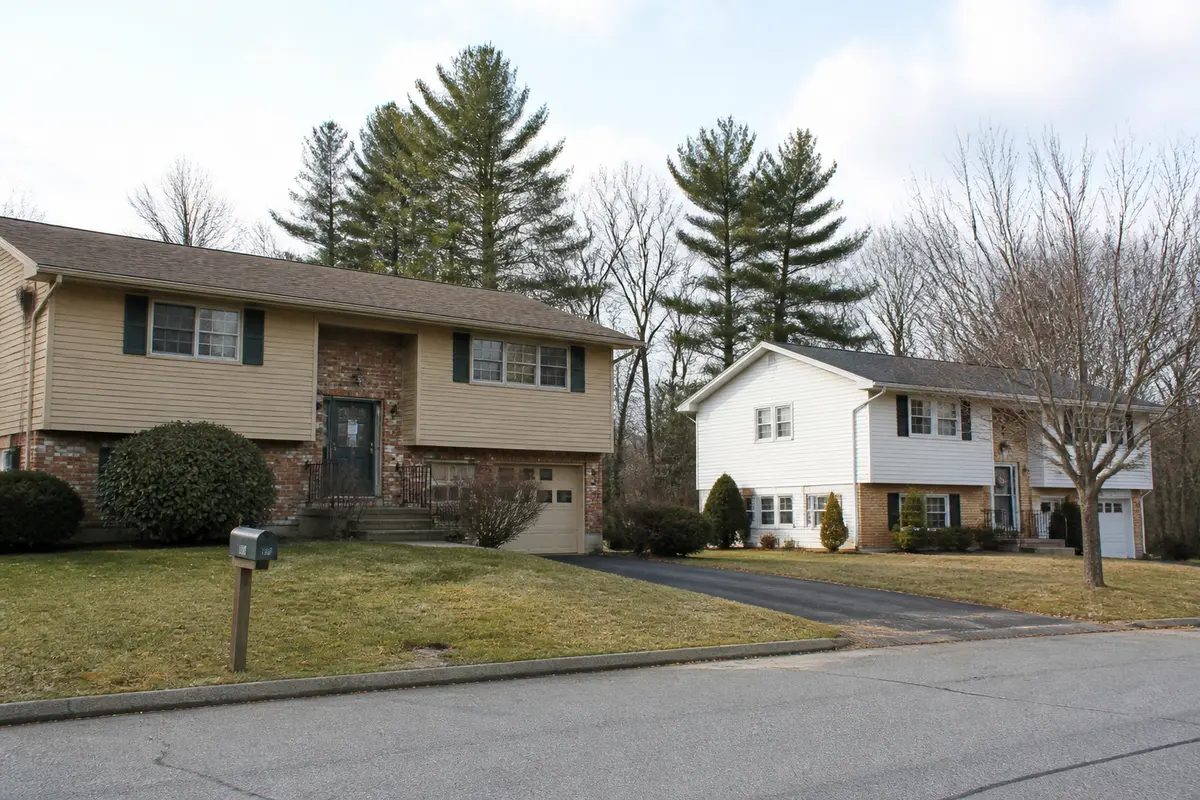
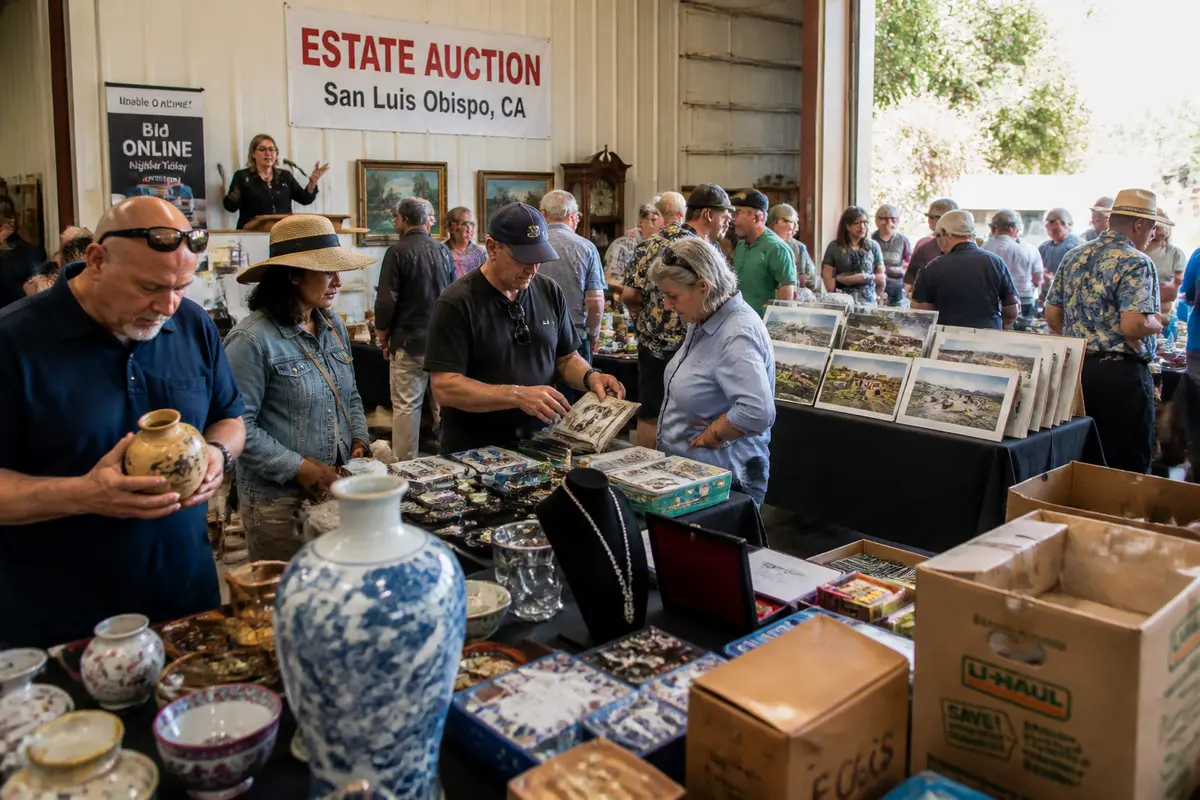
San Luis Obispo auctions feature a diverse range of real estate and estate sale items. These include residential properties, commercial parcels, vacant land, estates, and occasionally valuable personal property from senior downsizing or jewelry liquidations. The auctioned listings often consist of tax-defaulted properties, which are sold to recover unpaid taxes, along with estate sales where entire households or collections are auctioned off.
Properties sold in these auctions come « as is », meaning no warranties are given about the condition, access, or legal status of the items or real estate. Bidders find opportunities from prime coastal homes to rural land parcels. This variety makes San Luis Obispo auctions a practical channel for buyers seeking discounted prices on unique property types.
Registration and Deposits for Bidding in San Luis Obispo Auctions
To participate in these auctions, bidders must register on authorized platforms such as bid4assets.com for tax-defaulted properties or local estate auction websites. Anyone 18 or older can register except certain county employees. Registration requires providing valid identification and agreeing to auction terms.
Deposits vary depending on auction types. Estate auctions usually require smaller or no deposits, while tax-defaulted property auctions demand a substantial deposit, often $5,000 or more, as a commitment to complete payment.
Winning bidders for tax-defaulted sales must pay the balance within 72 hours of the auction close by cashier’s check, wire transfer, or cash. Estate auction payments may have different timelines and terms, so it’s critical to read the rules carefully to avoid forfeiting deposits. Failing to complete payment often results in a ban from future auctions, which can last from several months up to a year.
Due Diligence for San Luis Obispo County Auctions
Parcel Research and Maps: Land Use View
Before bidding, thorough research is essential. The San Luis Obispo County Department of Planning & Building offers the Land Use View tool, which provides interactive parcel maps and property information. This resource helps buyers understand the exact location, boundaries, and land details of parcels.
Knowing these facts helps prevent surprises on property access or use restrictions. Most vacant land parcels lack formal addresses, so the Land Use View is vital for pinpointing their positions accurately.
Assessing Zoning, Access, and Easements
Beyond location, bidders should check zoning laws, permitted uses, and access rights. The County Planning Department can clarify if a parcel supports residential, agricultural, or commercial uses. Also, official records at the County Recorder’s Office reveal easements that may impact building or road access.
Parcel accessibility can be limited by physical or legal restrictions. It is recommended to visit the site in person when possible. Annual auctions typically take place in May, with unsold tax-defaulted parcels potentially re-offered in June, giving buyers a second chance to purchase at adjusted minimum bids.
Author’s Note
« Never underestimate the power of detailed title and lien searches before bidding; they can save you costly surprises after winning an auction. »
Liens, IRS, and Title Issues: Understanding Risks in San Luis Obispo Auctions
Tax Liens, Redemption Periods, and IRS
San Luis Obispo auctioned properties may carry unpaid tax liens that survive the sale. The tax collector’s deed conveys title free of most liens but usually does not extinguish federal IRS liens, which can remain valid after auction.
The IRS retains the right to redeem a property for up to 120 days after auction, reimbursing the winning bidder with the full purchase price. For state tax-defaulted properties, the right to redeem ends the day before the auction; however, if the property does not sell, owners may have a redemption period afterward.
As-Is Purchases and Refunds
All auction properties are sold strictly as is, without warranties about condition or title. Buyers should be aware no refunds are allowed for issues discovered post-sale, including building permits, access, or land use problems.
Failing to close a winning bid triggers forfeiture of deposits and a ban from future sales, typically lasting up to 12 months. Buyers must be prepared to complete payment promptly and understand they may need to resolve title irregularities through a quiet title action later.
Listings and Resources for San Luis Obispo Real Estate Auctions
Parcel Research and Maps: Land Use View
San Luis Obispo County posts available tax-defaulted properties for public auction on its website as early as February each auction year. The Land Use View platform offers detailed parcel maps and zoning information critical for prospective purchasers.
Additional listings for estate and personal property auctions appear on dedicated auction house websites and community bulletin boards.
Assessing Zoning, Access, and Easements
Prospective buyers should verify property zoning by contacting the County Planning Department, confirming permitted land uses, building codes, and any recorded easements that may affect ownership. Access to parcels is not guaranteed, so physical inspection and research on public or private roads are advisable.
🧮 Calculator for Estate Auction Budget
Estimate your total upfront cost when participating in San Luis Obispo estate and tax-defaulted property auctions.
FAQ — San Luis Obispo Auctions
What items are usually sold at estate sales and tax-defaulted auctions in San Luis Obispo?
Items sold at San Luis Obispo estate and tax-defaulted auctions include residential and commercial properties, vacant land, estates, and sometimes personal valuables like jewelry from downsizing. Tax-defaulted properties are sold to recover unpaid taxes, and estate sales auction entire households or collections.
How can bidders register and what deposits are required for San Luis Obispo auctions?
Bidders must register on authorized auction platforms with valid ID and agree to terms. Deposits vary; estate auctions often require small or no deposits, while tax-defaulted property auctions usually demand substantial deposits, often $5,000 or more, to ensure payment commitment.
What research should be done before bidding on San Luis Obispo auction properties?
Before bidding, buyers should use county resources like the Land Use View for maps and parcel details, check zoning and easements via the Planning Department and Recorder’s Office, and ideally inspect sites. This helps avoid surprises related to access, land use, or legal restrictions.
What are the risks involving liens and title problems with San Luis Obispo auction properties?
Properties may carry unpaid tax liens; most are cleared except federal IRS liens which can remain after sale. The IRS has redemption rights up to 120 days post-auction. Properties are sold as-is without warranties; buyers must bear risks including title issues and no refunds for discovered problems.
What listings and resources are available for finding San Luis Obispo real estate auctions?
San Luis Obispo posts tax-defaulted property listings yearly from February on its website with parcel maps and zoning info. Estate and personal property auctions are listed on local auction websites and community boards, aiding buyers to find current opportunities.
How do online platforms and local reviews impact participation in San Luis Obispo auctions?
Online platforms enable registration and bidding for tax-defaulted and estate auctions, providing access to listings and auction details. Local reviews help assess auction houses’ reputations and reliability, guiding bidders in choosing trustworthy venues and avoiding common pitfalls.

John has been passionate about furniture and interior design for over a decade, combining his love for vintage pieces with modern styling techniques. After years of helping friends transform their spaces and restoring countless furniture finds, he started this blog to share his expertise and inspire others to create homes they truly love. When he’s not writing or hunting for unique pieces at estate sales, you’ll find him refinishing a mid-century dresser or experimenting with new room layouts in his own ever-evolving home.