Key takeaways:
The process of buying foreclosed homes involves navigating distinct purchase channels such as public auctions, REO sales, and preforeclosure deals, each with unique buyer requirements. Auction payments often demand cash within 72 hours, while REO properties typically allow inspections but require lender approval. Recognizing extensive title risks and liens is critical, as unresolved claims can quickly become buyer liabilities.
How can you confidently invest when foreclosure sales come with complex financial and legal hurdles? Buying foreclosed properties requires awareness of tricky processes like lender approvals and tight auction deadlines that often preclude traditional mortgage financing. Understanding these nuances equips buyers to weigh risks such as hidden liens or structural defects against potential savings. With clear insight into foreclosure timelines and contingencies, prospective homeowners can prepare for smoother transactions and informed decisions.
Buying Foreclosed Homes: Paths to Purchase
Buying foreclosed homes offers several routes that buyers can choose from depending on their readiness and risk tolerance. One of the most common methods is purchasing through a public auction. Auctions often sell homes quickly to satisfy debts, with buyers required to pay cash and accept the property as-is, without the chance for a detailed inspection beforehand.
Another popular option is buying an REO (real estate owned) property, which is owned by a bank or lender after the property fails to sell at auction. These homes are typically listed by agents and may be inspected, but come with strict timelines and often require buyer approval through the lender’s process.
Preforeclosure sales allow buyers to buy directly from owners who are behind on payments but still retain ownership. This path may enable more negotiation but requires speed and flexibility because the lender’s involvement can affect timing and approval.
Each purchase path comes with distinct procedural and financial differences, so understanding these is vital before pursuing the purchase of a foreclosed home.
Pros and Cons of Buying Foreclosed Homes
Lower Prices and Potential Discounts
One of the strongest incentives for buyers is the potential for acquiring homes below market value. Banks and lenders want to liquidate foreclosed homes quickly, which often results in significant price discounts. For many buyers, this can provide a rare opportunity to enter sought-after neighborhoods at a reduced cost.
Additionally, foreclosed properties might include buyer incentives such as help with closing costs or reduced mortgage rates, especially if purchased through banks eager to sell. Buyers can also sometimes negotiate purchase prices, though banks tend to stick to firm numbers based on their loan balance.
Repair Costs and As-Is Condition
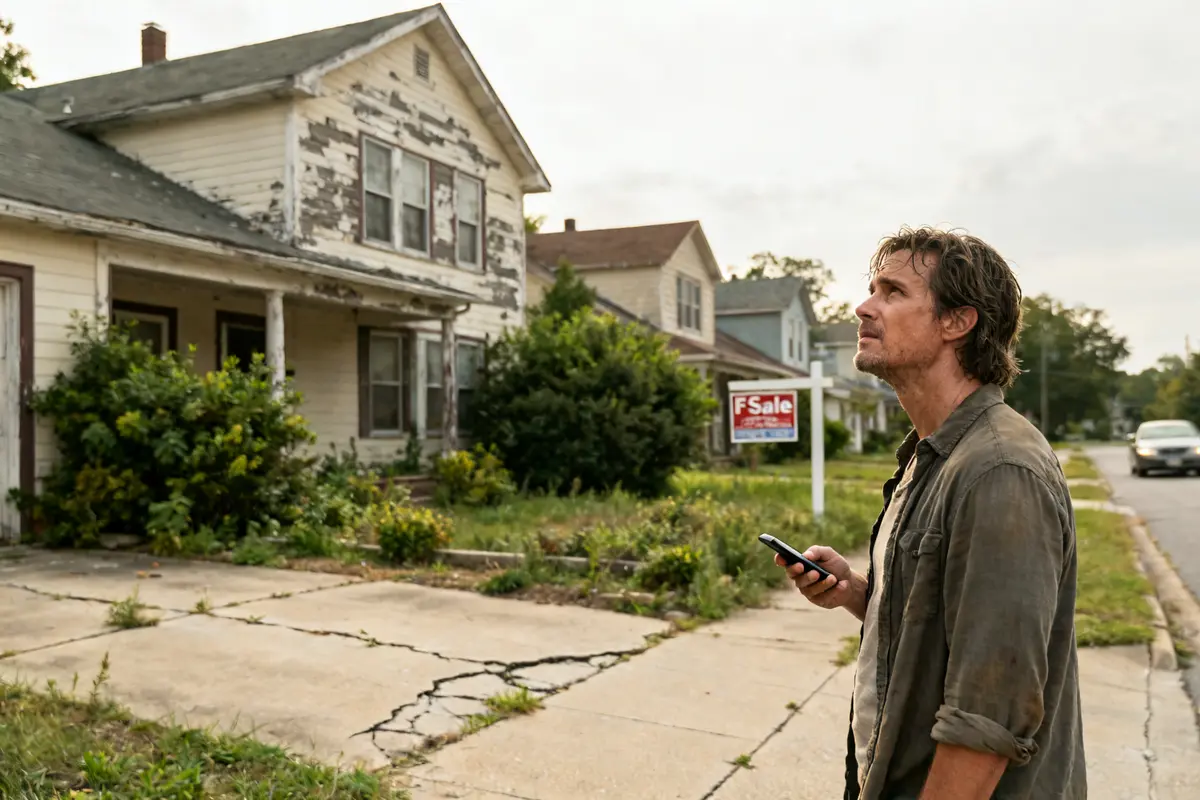
The biggest drawback is that most foreclosed homes are sold in as-is condition. Since the previous owners may have abandoned the home or neglected maintenance, and banks do not usually invest in repairs, buyers should expect to allocate funds for fixes.
Many foreclosure sales forbid buyers from requesting repairs, so budgeting for renovations is crucial. From structural repairs to updates for plumbing, roofing, or electrical systems, unexpected costs can quickly eat into the savings realized from the discounted price.
Liens, Title Risk, and Eviction
Legal risks are part of buying foreclosed homes. There may be existing liens on the property such as unpaid property taxes, mechanics’ liens, or homeowners association fees that could become the buyer’s responsibility if not cleared during closing.
Title risk is another concern, since foreclosures transfer ownership through unique legal processes that sometimes fail to reveal all outstanding claims. Resolving eviction can also be challenging if occupants remain. Evicting former owners or squatters can delay occupancy and cause extra legal fees.
Due Diligence Essentials: Inspections, Titles, and Liens
Before closing on a foreclosed home, buyers must complete thorough due diligence to identify risks. A professional home inspection is vital to assess structural integrity and system conditions. Since many foreclosed homes come with hidden defects, inspections provide insight into repair costs and safety issues.
Conducting a full title search is equally important. Average costs for title searches typically range from $200 to $400, with turnaround times around one to two weeks in foreclosure cases due to the complexity. Buyers should confirm clear ownership, uncover liens, and check for legal complications.
It’s advisable to secure title insurance to protect against claims missed during the initial search. Real estate agents with foreclosure expertise can help coordinate these essential services and identify any red flags early in the process.
Author’s Note
« Buying a foreclosed home requires patience and a robust due diligence strategy, especially because the title risk and inspection hurdles can affect financing and future ownership. »
Financing, Offers, and Timelines for Foreclosures
Auction Cash Requirements and Risks
Purchasing at foreclosure auctions requires buyers to be financially prepared. Most auctions demand a cashier’s check as earnest money on bid day, typically ranging from 5% to 10% of the final price, depending on state and auction rules. Full payment often must be made within 24 to 72 hours after winning, making traditional mortgage financing impractical.
These tight deadlines leave little room for contingencies or inspections. Buyers face the risk of losing deposits if they fail to close, and many auction homes are sold without clear title insurance, meaning unresolved liens or claims could become buyer liabilities.
REO Financing and Lender Rules
Bank-owned homes offer more buyer protections compared with auctions but still involve specific lender requirements. Banks may require an appraisal contingency to verify the home’s value before approving a mortgage, but appraisal handling varies: auction purchases rarely allow contingencies, while REO sales do.
Buyers often need to provide proof of funds or preapproval letters quickly. Lenders tend to prefer buyers who can close within 30 to 45 days. Some require additional addenda or documentation that can slow the timeline compared to traditional sales.
Contingencies and Closing Timelines
Offers on foreclosed homes often come with limited contingencies. Many auctions and REO sellers reject repair and inspection contingencies, which increases buyer risk. Securing an inspection waiver can speed up timelines but amplifies potential repair surprises.
Closing usually takes longer than typical sales because of the extra title processing and lender approvals involved in foreclosures. Buyers should plan for a 60- to 90-day closing window and keep contingencies minimal to increase offer acceptance chances.
Choosing an Agent With Foreclosure Experience
Working with a real estate agent who specializes in foreclosed homes is a major advantage. These professionals understand the unique challenges of the market, such as navigating bank approval processes, negotiating with auction houses, and coordinating title work.
Experienced agents can offer access to exclusive listings, help estimate repair costs, and advise on risks related to liens and evictions. They also know local foreclosure laws that affect timelines and payments, guiding buyers through complex legal issues.
Moreover, agents familiar with foreclosure sales often interpret contracts and disclosures that differ from standard transactions. This expertise helps buyers avoid costly mistakes and make informed decisions when buying foreclosed homes.
🧮 Foreclosed Home Repair & Budget Calculator
Estimate your total budget, including purchase price and expected repair costs when buying foreclosed homes.
Closing Day and Post-Purchase Considerations
Once closing day arrives, buyers of foreclosed homes should be ready for a few extra steps compared to traditional sales. Closing often involves more paperwork and coordination to clear any lingering title or lien issues. It’s important to carefully review all documents to verify the legal transfer of ownership.
Buyers should also be prepared for potential delay if previous occupants have not vacated. Securing prompt legal counsel for eviction proceedings might be necessary if possession problems arise.
After closing, immediate attention to repairs and maintenance is required, particularly because foreclosed homes tend to have deferred upkeep. New owners should budget for:
- Urgent repairs to ensure safety of electrical, plumbing, and structural systems.
- Utility activation and any deposits to start service.
- Insurance updates including hazard and possibly flood insurance, depending on location.
Having a plan for post-purchase management of repairs and legal matters ensures a smoother transition and protects your investment.
FAQ — buying foreclosed homes
Is it a good idea to purchase a foreclosed home?
Purchasing a foreclosed home can be a good idea for buyers looking for lower prices and potential discounts, but it requires careful due diligence and readiness to handle repair costs, legal risks, and the property’s as-is condition.
Why don’t people want to buy foreclosed homes?
Many avoid buying foreclosed homes because they are sold as-is, often needing costly repairs, may have unresolved liens or title risks, and sometimes require eviction of occupants, all of which add financial and legal challenges.
How much money down do you need to buy a foreclosed home?
Buying at auctions usually requires a cashier’s check for earnest money between 5% and 10% of the price, often needing full cash payment within days, making traditional mortgage financing difficult; REO purchases typically allow mortgage financing but need proof of funds or preapproval.
What is a common problem with a foreclosure property purchase?
A common problem is the property’s as-is condition combined with hidden defects and repair needs, plus potential title issues like liens or unresolved legal claims, increasing buyer risk and costs after purchase.
How do you buy foreclosed homes with no money?
Buying foreclosed homes with no money down is challenging because auctions require quick full payments and REO sales demand proof of funds or preapproval; buyers must seek special financing or negotiate directly with lenders for favorable terms.
Should I buy a foreclosure for my first home?
Buying a foreclosure for your first home can offer discounted prices but involves risks like costly repairs, legal complications, and limited contingencies, so it requires experience, patience, and a strong due diligence plan to be advisable.

John has been passionate about furniture and interior design for over a decade, combining his love for vintage pieces with modern styling techniques. After years of helping friends transform their spaces and restoring countless furniture finds, he started this blog to share his expertise and inspire others to create homes they truly love. When he’s not writing or hunting for unique pieces at estate sales, you’ll find him refinishing a mid-century dresser or experimenting with new room layouts in his own ever-evolving home.