Key takeaways:
The antique glass fly catcher is a century-old device with origins tracing to the late 1800s in both Europe and the United States. Its design typically features a narrow vessel opening that traps flies without chemical toxins. Collectors highly value versions bearing patent embossings and rare color variants like amethyst, aqua, and amber.
Have you ever wondered how much history a simple fly trap can hold? Antique glass fly catchers were once vital agricultural tools that balanced functionality with elegant craftsmanship, helping to reduce crop damage caused by fruit flies. These collectibles feature unique details such as embossing codes and color variations that reveal manufacturing secrets dating back more than a century. Understanding these nuances allows enthusiasts to identify authentic pieces and appreciate their place in decorative history.
History and Origins of Fly Traps
The use of fly traps has been around for centuries, primarily as a practical solution to manage pesky insects, especially in homes and farms. Early versions were made from various materials, but glass quickly became popular in the 19th century due to its durability and ease of cleaning. These antique glass fly catcher devices were designed to lure flies with sweet liquids and trap them effectively without the use of toxins or screens.
The design of glass fly catchers often featured a hollow vessel with a narrow opening, making it simple for flies to enter but difficult to escape. The origins of these traps are closely linked to agricultural practices, as they helped reduce fruit fly populations that could damage crops. Their popularity spread across Europe and the United States during the late 1800s and early 1900s.
Antique Glass Fly Catcher: A Collector’s Guide
Embossing Legends and Patents
Many antique glass fly catcher pieces display intricate embossing that can help collectors identify their origins. These embossings often include makers’ marks, location identifiers, or patent information. Notably, a detailed understanding of embossing codes reveals specific manufacturing dates and sometimes even the exact maker, which greatly aids in authentication and valuation.
Collectors value traps with patent marks because they highlight innovations in design or production. Some embossings feature pictorial elements like coats of arms, bees, or crowns, which denote certain manufacturers or regional styles. Knowing the patent dates and corresponding emboss codes can confirm if a piece is from the 1880s or early 1900s, distinguishing rare finds from replicas.
Color Variants: Amethyst, Aqua, Amber
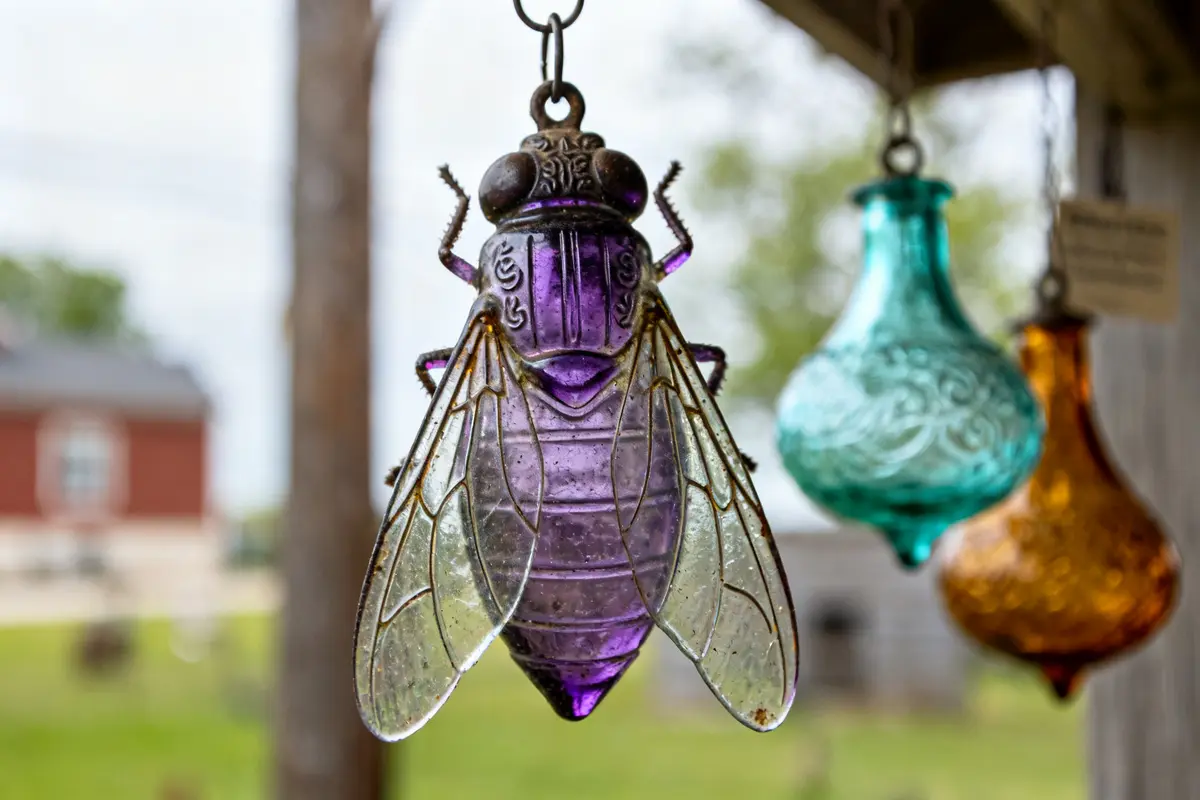
While many antique traps were made from clear glass, collectors seek out color variants like amethyst, aqua, and amber for their rarity and beauty. The amethyst color results from manganese in the glass, which changes under prolonged UV light exposure, a process sometimes artificially accelerated. Aqua hues appeared naturally or by adding copper compounds.
Amber glass owes its golden tones to selenium, used in the glass mixture. Sunlight, particularly ultraviolet rays, can deepen these colors over time. This chemical transformation influences both the desirability of the piece among collectors and the care needed to preserve its original hues. Recognizing these color origins helps in evaluating the trap’s provenance and authenticity.
Common Body Types and Features
Body styles of antique glass fly catchers vary widely but often fall into common categories, such as large cone-shaped traps, small cylindrical types with rolled lips, and squat, stackable designs. Each form served different trapping needs or aesthetic preferences.
Common features include a wire hanger for easy placement, glass stoppers that sealed the bait inside, and embossed decorations. Some bodies were crafted using four-piece molds, leaving unique mold lines and texture patterns, while hand-blown traps show slight imperfections that collectors value for uniqueness.
Identifying Authentic Pieces: Color, Embossing, and Form
To verify authenticity, examine the color and clarity, paying close attention to natural fading or purple tones caused by UV exposure. Clear glass that shifts to amethyst with sun exposure is a strong sign of original manganese-based material.
Embossing details should be crisp but may show decade-old wear. Check the form for consistent mold marks or classic shape traits such as wide bodies or tall cones with distinct rolled lips. The combination of genuine embossings and characteristic forms is essential to identify true antique glass fly catchers rather than modern reproductions.
Author’s Note
« When collecting these delicate antiques, knowing how embossing corresponds to manufacturing dates can significantly elevate your collection’s authenticity and value. »
Modern Display and Decor Ideas
Display Methods That Protect the Glass
Due to the fragile nature of antique glass fly catcher pieces, proper display methods are crucial. Use soft, padded mounts or stands designed to hold the trap securely while preventing chips or cracks. Avoid placing them directly in areas of heavy foot traffic or where they might be knocked over.
Displaying these traps in enclosed glass cases can minimize dust buildup and offer extra protection from accidental damage. For wall-hung traps, ensure the wire hangers are intact and placements provide stability to avoid stress on the glass structure.
Setting Up a Glass Fly Traps Shelf
Create an eye-catching shelf by grouping several fly catchers by color or body type. Ensure each shelf has a non-slip liner or custom cradles to cushion the glass. Position traps to prevent touching each other to avoid damage.
Arrange them so sunlight exposure is indirect; this enhances color vibrancy without risking light damage. Incorporate labels or small cards with embossed markings and estimated manufacturing years to educate visitors or guests about your collection.
Lighting and Care for Color Preservation
Strong lighting can fade colors or cause hazing, especially for amethyst and amber glass. Use soft LED lighting with ultraviolet filtration to preserve the original color and reduce heat.
Color preservation also requires controlling room humidity between 40 and 50 percent to prevent glass degradation or surface cloudiness. Avoid fluorescent lights which may emit UV rays that accelerate color changes.
Care, Preservation, and Handling Tips
Handle antique glass fly catchers with clean hands or cotton gloves to avoid fingerprints and oils. Store them away from direct sunlight to prevent unwanted color shifts or fading, limiting light exposure ideally to under 4 hours daily.
Cleaning should be done gently with a soft brush or microfiber cloth. Avoid harsh chemicals or abrasive materials that might erode surface embossing or the glass itself. Maintain storage humidity around 45 percent to reduce risks of haze and glass deterioration over time.
When shipping or moving these collectibles, use custom foam inserts or bubble wrap designed to absorb shocks while preserving the trap’s unique contours and embossings.
🧮 Value Estimator for Antique Glass Fly Catcher
Estimate the potential value of an antique glass fly catcher based on color, body type, and condition.
FAQ — antique glass fly catcher
How to use an antique glass fly catcher?
Using an antique glass fly catcher involves placing sweet liquid bait inside the hollow glass vessel. Flies enter through the narrow opening, attracted by the bait, and remain trapped inside. These traps work without toxins, making them safe and effective for controlling fruit flies and other insects.
What immediately kills fruit flies?
While antique glass fly catchers trap flies using bait rather than killing them immediately, other methods such as insect sprays or flypapers kill flies on contact. However, glass traps rely on containment and bait attraction instead of instant kill.
What are the different types of antique glass fly catchers?
The different types of antique glass fly catchers include large cone-shaped traps, small cylindrical traps with rolled lips, squat stackable designs, and globe-shaped models. Each type has unique body forms and features suited for various trapping needs and aesthetic preferences.
How does a glass fly catcher work?
A glass fly catcher works by enticing flies into a narrow opening with sweet bait placed inside the hollow glass body. Once inside, the flies find it difficult to escape due to the trap’s shape, effectively containing them without using screens or toxins.
What makes an antique glass fly catcher valuable?
The value of an antique glass fly catcher depends on factors like color rarity (amethyst, aqua, amber), body type, condition, and embossing details such as makers’ marks or patent information. Unique colors and patent-embossed pieces usually command higher collector interest and prices.
How to identify an authentic antique glass fly catcher?
Identifying an authentic antique glass fly catcher requires examining the color and clarity for natural fading or purple tones from UV exposure, checking crisp embossing marks, and confirming classic body shapes and mold lines. These elements help distinguish original antiques from modern reproductions.

John has been passionate about furniture and interior design for over a decade, combining his love for vintage pieces with modern styling techniques. After years of helping friends transform their spaces and restoring countless furniture finds, he started this blog to share his expertise and inspire others to create homes they truly love. When he’s not writing or hunting for unique pieces at estate sales, you’ll find him refinishing a mid-century dresser or experimenting with new room layouts in his own ever-evolving home.