Key takeaways:
Antique chairs often reveal their origins through joinery methods such as dovetail and mortise-and-tenon joints, which support authenticity and value. Condition factors like loose joints reducing value by about 15% and professional restoration potentially increasing worth by 10% are decisive in pricing. Recognizing styles like Queen Anne, Chippendale, and Louis XV enables more accurate appraisal and purchase decisions.
How can you tell if an aged chair is truly valuable or a reproduction? The condition of antique chairs directly impacts their worth, making it crucial to differentiate original craftsmanship from modern interventions. Understanding details like style-specific carvings and period-appropriate upholstery helps assess not only aesthetics but provenance and authenticity. With insight into these factors and restoration implications, collectors gain confidence and accuracy when evaluating or bidding on antique seating.
Understanding Antique Chairs: Styles, Periods, and Features
Identify Key Styles: Queen Anne, Chippendale, Louis XV
Recognizing the style of an antique chair is essential to understanding its history and value. The Queen Anne style, popular in the early 18th century, is known for its elegant curves, cabriole legs, and pad feet. It features light, graceful lines with minimal carving, often using walnut as the primary wood.
The Chippendale style, named after cabinetmaker Thomas Chippendale, emerged mid-18th century with bolder, more ornate designs. Look for intricate carvings, pierced backs, ball-and-claw feet, and robust construction in mahogany wood. This style blends Gothic, Rococo, and Chinese influences, making each piece unique.
Louis XV chairs originated in France during the Rococo period, characterized by lavish decoration, ornate carving, and curved lines, especially in the legs and backrests. These chairs often have upholstered seats and backs with rich fabrics, demonstrating artistry and luxury of the period.
Materials and Construction: Wood, Joinery, Upholstery
Antique chairs were crafted from various hardwoods like walnut, mahogany, oak, and cherry. The wood type can hint at the chair’s origin and era. Beyond materials, the joinery method is a key sign of authenticity. Traditional joinery such as dovetail joints is common in quality antiques, offering durability. Mortise-and-tenon joints are another hallmark, typically used to connect legs to the seat frame. Spotting these techniques helps distinguish genuine antiques from reproductions.
Upholstery also reveals much about an antique chair. Look for hand-tied coil springs and natural materials like horsehair padding, which indicate original craftsmanship. Textile patterns and fabric types such as damask or needlepoint tapestry can show period styles but beware of modern fabric replacements that might lower value.
Signature Details: Carving, Legs, Backrests
Signature details separate ordinary chairs from fine antiques. Carving styles vary by period—Queen Anne tends to have minimal carving, focusing on form rather than decoration. Chippendale features bold, intricate carving, often with motifs like acanthus leaves or shell designs. Louis XV chairs emphasize floral and naturalistic carvings that flow with the piece’s curves.
Leg shapes are an easy way to identify style. Cabriole legs curve outward at the top and inward at the bottom, common in Queen Anne and Louis XV. Conversely, straight legs with fluting or tapering appear often in later styles, like Louis XVI.
Backrests offer clues too: fiddle-back and splat-back designs are classic in Chippendale, while an oval or shield-shaped back is a hallmark of Georgian and Louis styles. Understanding these design elements supports confident identification of antique chairs.
Antique Chairs: Value Factors, Condition, and Provenance
How Condition Affects Value
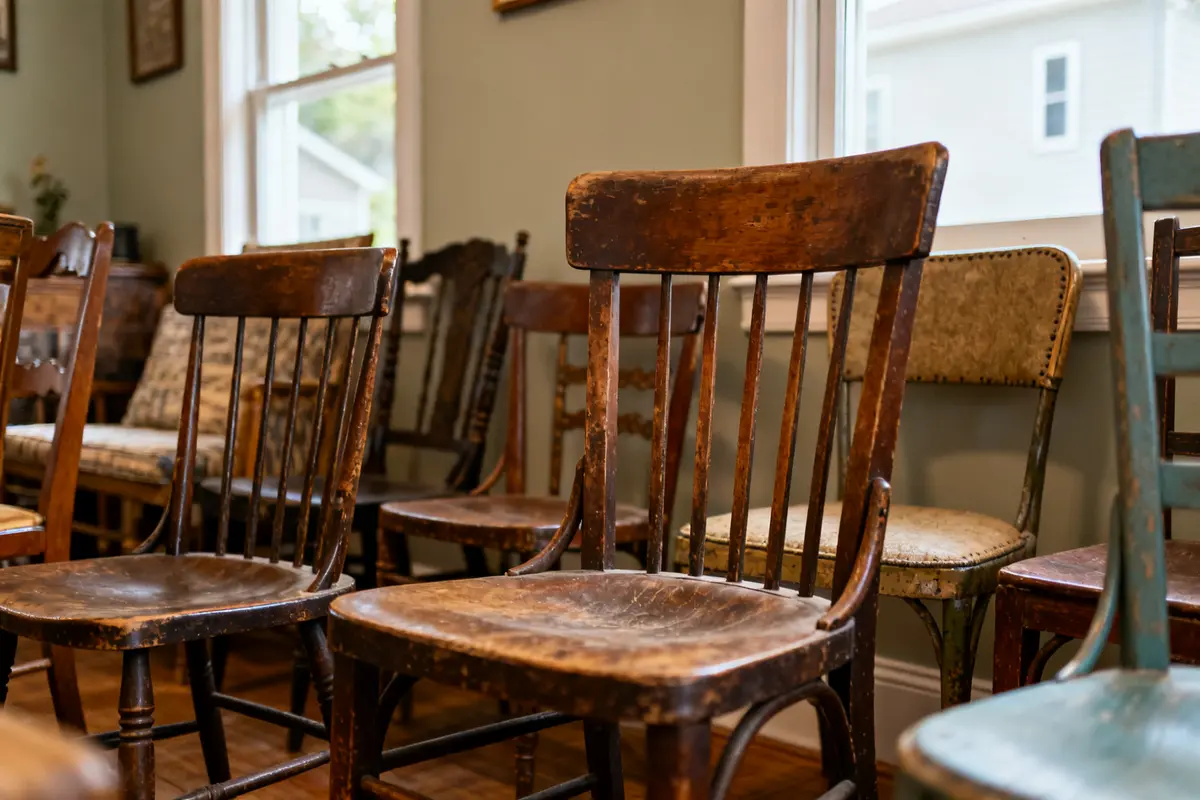
The value of antique chairs depends heavily on condition. Even minor damage like loose joints can reduce value by around 15%, while replaced upholstery often accounts for a 10-20% loss if it is not period-appropriate. Original finish and wood patina typically command the highest prices. Buyers should note repairs—well-done professional work can preserve value, but amateur repairs usually detract from it.
Wear consistent with age, such as gentle surface marks or fading, usually adds charm. Structural integrity matters most. For instance, a chair with solid joinery intact is worth far more than one that wobbles or needs immediate restoring. Authenticity in materials and original components yields a premium.
Provenance, Maker Signatures, and Documentation
Provenance can substantially increase an antique chair’s value. Documentation showing previous ownership by notable individuals, or association with important historical events, makes a piece more collectible. Maker signatures or labels hidden under seats or carved into frames authenticate origin and can distinguish a rare piece from a common one.
However, not all antiques bear signatures, so expert appraisal helps confirm origins based on design, construction, and materials. Genuine documentation such as sales receipts, certificates, or archival photos is gold for collectors.
Upholstery, Restoration, and Red Flags
Many antique chairs require some restoration for practical use, but the type of upholstery and restoration method impacts value. Professional restoration using period-appropriate materials like horsehair padding and historically accurate fabrics can increase a chair’s worth. In contrast, synthetic foam or commercial-grade fabric replacement often diminishes it.
Red flags include visible glue spots, uneven wood repairs, mismatched finishes, or upholstery staples that do not fit the era. Even well-intentioned repairs should be transparent to buyers. Knowing how to differentiate between professional and amateur restoration is key to smart purchases.
Author’s Note
« When evaluating antique chairs, learning to recognize traditional joinery and authentic finishes will save you from costly mistakes and help you make purchases with confidence. »
Where to Find the Best Antique Chairs
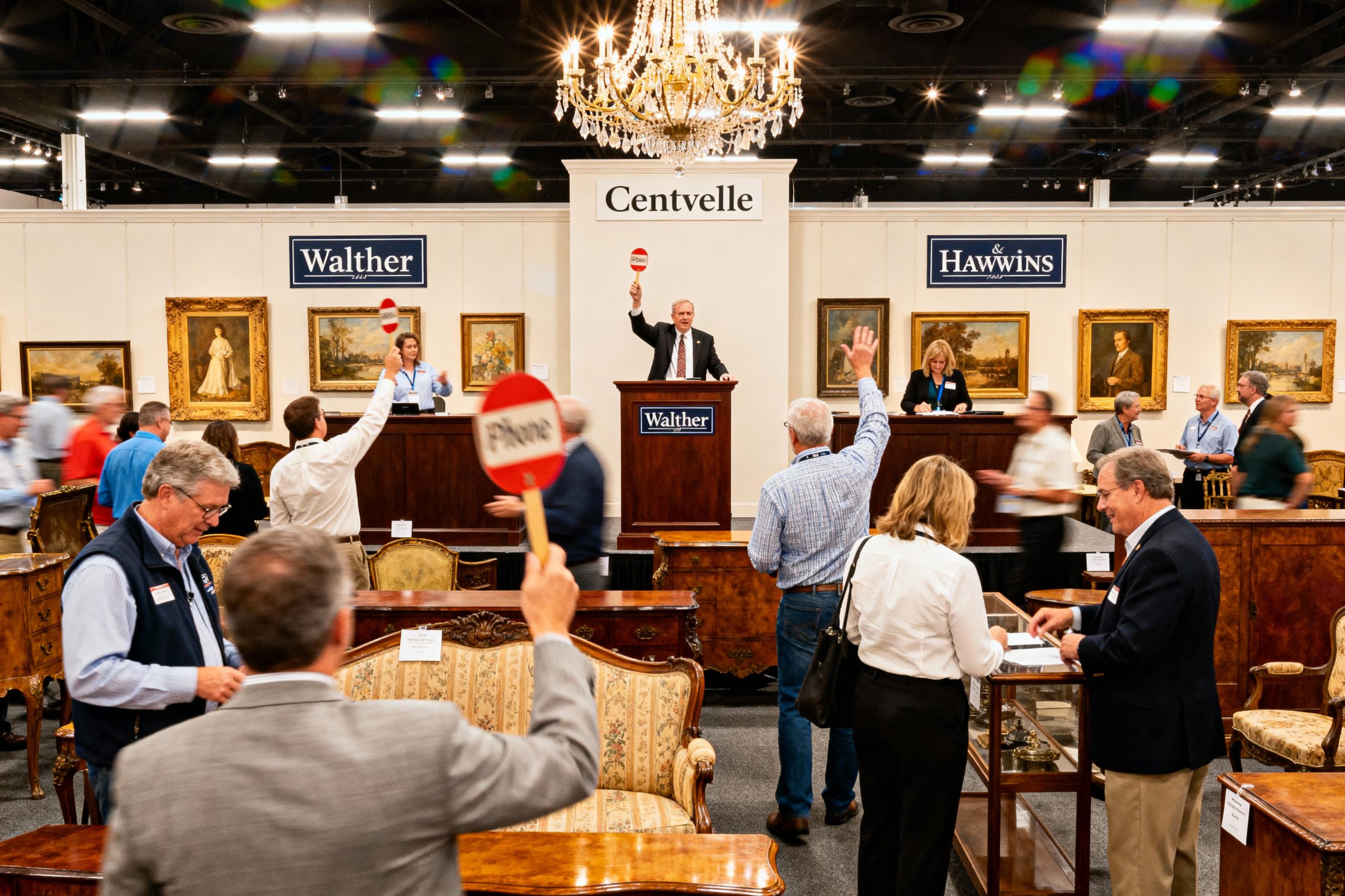
The finest antique chairs often appear in specialized antique shops, estate sales, and reputable auction houses. Established dealers usually offer certificates of authenticity and have thorough knowledge of styles and provenance. Online marketplaces provide wider access but require caution—always request detailed photos, condition reports, and verify seller reputations.
Antique fairs and local antique shows can also be excellent places to discover unique pieces. Networking with collectors and joining antique furniture forums provides insider tips on trusted sources. Remember, patience is vital; the best chairs do not often appear quickly, and recognizing quality comes with time.
Practical Buying Guide: Assessing Quality and Pricing
When buying antique chairs, start by checking structural integrity and authenticity. Inspect joints for dovetail or mortise-and-tenon construction, which show quality craftsmanship. Examine wood finishes for originality; avoid overly shiny or painted surfaces unless verified as period correct.
Pricing depends on style, rarity, condition, and provenance. Compare similar pieces and consider repair costs if needed. Set your budget but leave room for expert appraisal fees or professional restoration.
- Look for sharp, detailed carving and uniform wear consistent with age.
- Verify upholstery matches the style and period or is appropriately restored.
- Request provenance or maker’s marks for higher confidence.
- Negotiate pricing based on condition and any restoration needed.
Smart buyers use these steps to avoid pitfalls like replicas or overpaying for heavily restored chairs. A good rule is that a well-maintained antique chair should hold or appreciate in value with careful care.
🧮 Antique Chairs Value Estimator
Estimate the market value of your antique chair based on key condition factors.
Care, Maintenance, and Long-Term Value
Proper care helps preserve both the beauty and value of antique chairs. Avoid placing them in direct sunlight or near heating vents to prevent wood warping and fading of upholstery. Dust regularly with a soft cloth, and use appropriate wax or polish products designed for antique furniture.
Handle wooden frames gently to protect joints. For upholstery, vacuum with an upholstery brush to keep fabric clean without damage. If repairs are necessary, hire professionals specializing in antique furniture to maintain originality and value.
Long-term, good maintenance can add up to a 20% increase in value over neglected pieces. Keeping detailed records of restorations or appraisals helps future sales and provenance continuity.
FAQ — antique chairs
What antique chairs are worth money?
Antique chairs worth money typically have original finishes, authentic joinery like dovetail or mortise-and-tenon joints, quality hardwoods such as walnut or mahogany, and period-appropriate upholstery. Provenance and maker signatures also significantly increase value.
How do I know if my chair is valuable?
Knowing if your chair is valuable depends on its style, condition, materials, construction methods, and provenance. Look for quality carving, original upholstery, solid joints, and documentation of history or maker marks. Age-consistent wear and professional restoration preserve value.
What are the most sought after vintage chairs?
The most sought after vintage chairs include styles like Queen Anne, Chippendale, and Louis XV. These are prized for their distinctive carvings, elegant curves, quality woods, and historical significance, reflecting craftsmanship from the 18th century and Rococo periods.
How to identify vintage chairs?
Identifying vintage chairs involves examining leg shapes such as cabriole or straight fluted legs, carving styles, backrest designs like fiddle-back or shield shapes, wood types, joinery techniques, and upholstery materials reflecting the chair’s era and style.
Where can I find antique chairs for sale?
Antique chairs can be found at specialized antique shops, estate sales, reputable auction houses, antique fairs, and online marketplaces. Verified dealers provide authenticity certificates and provenance information, while forums and collector networks offer insider tips.
How much do antique chairs typically cost based on condition?
The cost of antique chairs varies with condition: minor issues like loose joints or replaced upholstery can reduce value by 15-20%, structural damage can cut 30%, and extensive restoration may lower it by 40%. Professional restoration may increase value by about 10%.

John has been passionate about furniture and interior design for over a decade, combining his love for vintage pieces with modern styling techniques. After years of helping friends transform their spaces and restoring countless furniture finds, he started this blog to share his expertise and inspire others to create homes they truly love. When he’s not writing or hunting for unique pieces at estate sales, you’ll find him refinishing a mid-century dresser or experimenting with new room layouts in his own ever-evolving home.