Key takeaways:
The vintage buffet sideboard offers compact storage options suitable for spaces under 48 inches wide, balancing both drawers and doors for organized dining essentials. Traditional hardwoods such as mahogany, oak, and walnut provide distinct durability and aesthetic properties, with pieces weighing between 80 to 150 pounds. Proper room clearance with at least 30 inches in front ensures ease of use and preservation of vintage craftsmanship.
Is your dining area truly prepared for the addition of an antique sideboard? Those seeking efficient and stylish solutions often overlook the critical role of precise measurements and material quality in vintage furniture. Navigating the delicate balance between drawer capacity and cabinet space impacts both function and aesthetics within limited room sizes. Understanding recommended clearance and the distinctions among hardwood types enhances your ability to integrate classic storage pieces thoughtfully into your decor.
Antique Sideboard Buffet: A Timeless Storage Solution
The antique sideboard buffet remains a classic choice for stylish storage in dining rooms and living spaces. This piece is valued not only for its functionality but also for its ability to add vintage charm and character to interiors. With various styles originating from periods like Victorian, Sheraton, and Chippendale, these buffets bring a graceful sense of history. Their design offers a generous surface for serving or display, while providing neat compartmentalized storage that suits everything from china to linens. Over time, this furniture has proven a reliable solution for organizing dining essentials without sacrificing style.
Key Features to Look for in a Vintage Buffet
Drawers vs Doors: Storage Configurations
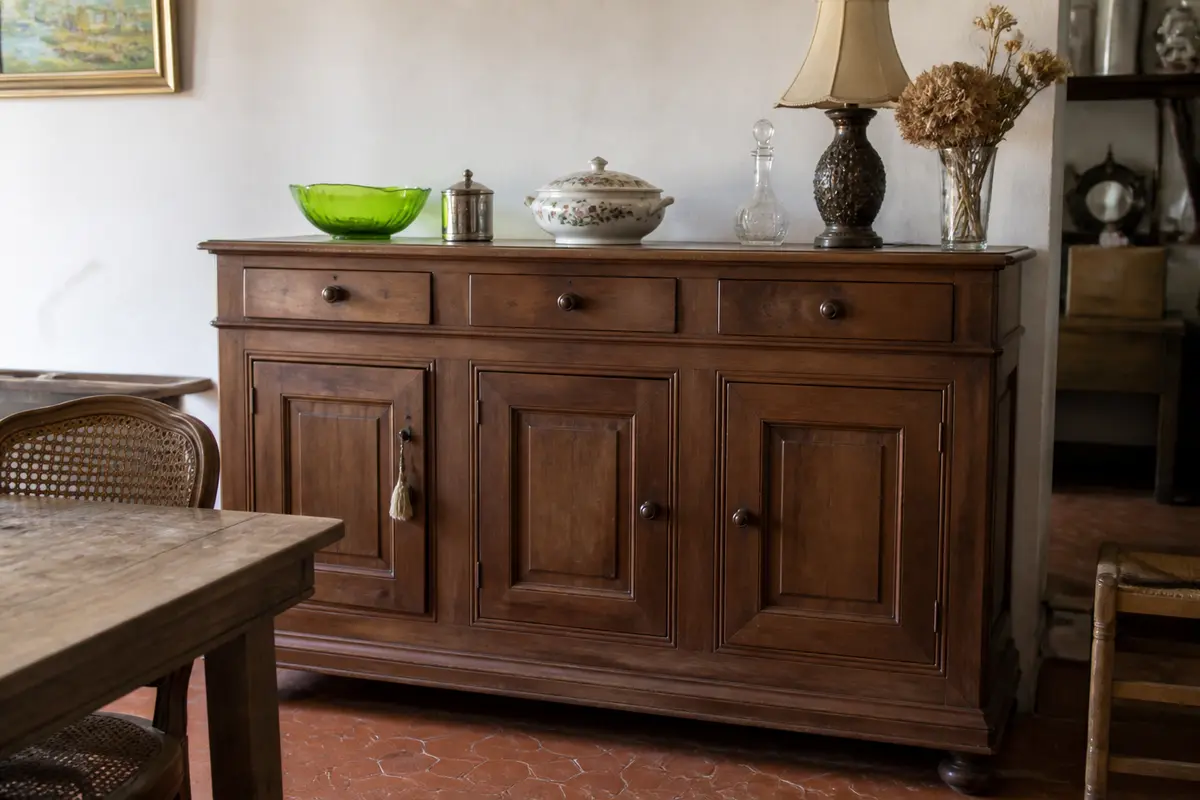
When choosing a vintage buffet, consider your storage needs carefully. Buffets typically feature a combination of drawers and doors, each serving distinct purposes. Drawers are ideal for smaller items such as silverware, napkins, and flatware organizers, offering easy access and organization. On the other hand, door cabinets provide space for bulkier pieces like serving platters, vases, or bulky dish sets. Some antique sideboards include adjustable shelving behind doors, allowing customization of storage height. The balance between drawers and doors depends on what you want to keep accessible in your dining area.
Materials and Finish: Wood, Veneer, Hardware
The material and finish play a major role in durability and aesthetics. Traditional hardwoods like mahogany, oak, and walnut are common in antique buffets, each with unique grain patterns and weight. Mahogany offers rich reddish tones with a durability score rating it as a hard-wearing wood ideal for heirloom furniture. Oak is heavier but prized for its strength and resistance to dents, while walnut combines medium weight with a smooth finish. Veneers can add beautiful detail without the hefty costs but require careful assessment for damage like veneer lifting or cracking. Pay attention to the original hardware, as brass knobs or hand-forged iron handles add authenticity and charm. Average weights vary from 80 to 150 pounds depending on wood type and size, so consider handling and delivery logistics. The finish may be varnished, waxed, or polished, each needing specific cleaning care.
Compact Buffet Sideboard Options for Small Rooms
If space is limited, don’t overlook compact buffet sideboards designed for apartments or small dining areas. These mini buffets often keep full functionality but scale down dimensions to fit narrow walls or corners. Look for options no wider than 48 inches and with a slimmer depth around 15 to 18 inches, maximizing floor space without overcrowding. Some mini buffets include open shelving or glass-front cabinets to create a lighter look and allow easy display of decorative pieces. Their smaller scale can complement modern or eclectic interiors while still honoring traditional craftsmanship. Selecting a compact buffet can transform a tight space into an efficient, vintage-inspired storage nook.
Sizing and Room Fit: Measure Before You Buy
Before making a purchase, precise measuring ensures your antique buffet fits the room perfectly. Measure not only the length and height of the piece but also its depth to avoid overcrowding traffic flow. It’s essential to leave at least 30 inches of clearance in front of the buffet for comfortable access to drawers and cabinet doors. Additionally, allow 12 to 15 inches between the buffet and dining chairs or other furniture for ease of movement. Considering doorways, stairs, and delivery paths prior to purchase prevents frustrating surprises when the sideboard arrives. Combining these practical measurements with your aesthetic vision helps ensure a harmonious and functional room layout with your new vintage storage solution.
Author’s Note
« Authenticity in material and craftsmanship often reveals the true value of an antique sideboard buffet, so always inspect finishes and joinery before buying. »
Antique Buffet Sideboard Styling: Pairing with Decor
Color and Finish Combinations for Dining Rooms
When incorporating an antique buffet sideboard into your dining area, color and finish can enhance the room’s overall design. Warm wood tones like walnut or cherry mix beautifully with neutral wall colors such as ivory or soft taupe to create a cozy atmosphere. For a bolder statement, contrast rich wood finishes with cool blues or deep greens on walls or upholstery. Painted buffets with distressed finishes suit shabby chic or rustic styles and offer a charming vintage vibe. Combining metal hardware finishes—like aged brass or polished nickel—with fabric textures, such as velvet dining chairs, contributes to a layered, inviting look. Balancing these elements helps the sideboard blend naturally while remaining a focal point.
Display Surface Tips: Linens, Dishes, and Centerpieces
The buffet’s surface is perfect for showcasing collections or functional décor. Use fine table linens folded neatly to protect wooden tops and add softness. Stacking vintage plates and serving pieces in appealing arrangements offers both utility and style. Incorporate a centerpiece like a floral vase or a decorative bowl to introduce height and visual interest. Mirrors or framed artwork behind the sideboard can reflect light and make the dining room feel more spacious. Remember to keep the display balanced—avoid clutter while highlighting the most beautiful pieces. Doing so creates a welcoming and elegant atmosphere long admired in classic interiors.
🧮 Antique Buffet Sideboard Size & Fit Calculator
Estimate if your chosen sideboard fits comfortably in your dining space by entering your room and sideboard dimensions below.
Care, Maintenance, and Purchase Resources
Preserving an antique buffet sideboard requires attention to environmental conditions and regular maintenance. Ideal humidity levels range between 40 and 55 percent with temperatures around 65 to 75°F to prevent wood warping or cracking. Avoid placing the piece near direct sunlight or heating vents that can dry out finishes and cause discoloration. Use soft cloths and specialized wood cleaning products designed for antiques to protect finishes during dusting. Waxing occasionally adds a shield and enhances the natural beauty of wood grain. Regularly check hinges and drawer slides to keep them functioning smoothly.
For those ready to buy, verify the provenance and condition thoroughly. Check for signs of restoration or damage that could impact structural integrity. Trusted dealers typically provide detailed photos and descriptions of materials and craftsmanship. Comparing prices across multiple sources helps gauge fair market value. Additionally, online resources and antique fairs offer knowledge and options for sourcing authentic pieces. Reliable shipping and insurance are crucial when purchasing valuable vintage furniture to ensure safe delivery to your home.
FAQ — antique buffet sideboard
What are the key storage features of a vintage buffet sideboard?
The key storage features of a vintage buffet sideboard include a combination of drawers and doors. Drawers organize small items like silverware and napkins, while door cabinets store larger items such as serving platters. Adjustable shelving behind doors allows customization of storage space.
Which materials and finishes are common in antique sideboard buffets?
Common materials in antique sideboard buffets are hardwoods like mahogany, oak, and walnut, each offering unique grain and durability. Finishes often include varnish, wax, or polish, and original hardware like brass knobs or hand-forged iron handles enhances authenticity and charm.
How can I ensure an antique buffet sideboard fits well in my room?
Ensuring a sideboard fits well involves measuring length, height, and depth precisely and leaving at least 30 inches of clearance in front for access. Also, allow 12 to 15 inches between the buffet and chairs or furniture. Check doorways and delivery paths beforehand to avoid fitting issues.
What care and maintenance do antique sideboards require?
Antique sideboards require humidity between 40-55% and temperatures around 65-75°F to prevent damage. Avoid direct sunlight and heating vents. Clean with soft cloths and wood-safe products, wax occasionally to protect finishes, and check hinges and drawer slides regularly for smooth operation.
How do compact buffet sideboards suit small rooms or apartments?
Compact buffet sideboards suit small rooms by having smaller dimensions—usually under 48 inches wide and 15-18 inches deep. They maintain full storage functionality, often featuring open shelving or glass-front cabinets for a lighter look, maximizing space without crowding the room.
What color and finish styles complement antique buffet sideboards in dining rooms?
Color and finish styles that complement antique sideboards include warm wood tones paired with neutral walls for coziness, or contrasting rich woods with cool blues or greens for boldness. Painted buffets with distressed finishes fit shabby chic or rustic décor, while mixing metal hardware with fabric textures creates an inviting layered look.

John has been passionate about furniture and interior design for over a decade, combining his love for vintage pieces with modern styling techniques. After years of helping friends transform their spaces and restoring countless furniture finds, he started this blog to share his expertise and inspire others to create homes they truly love. When he’s not writing or hunting for unique pieces at estate sales, you’ll find him refinishing a mid-century dresser or experimenting with new room layouts in his own ever-evolving home.