Key takeaways:
Waseca auctions offer a range of sales including estate, storage, and foreclosure events, with deposits typically required between 10% and 15% of the estimated value. Winning bids on foreclosed homes often fall within 80% to 90% of market price, while auction houses like Mike Miller Auctions and Turek’s Auction Service manage frequent monthly sales. Understanding auction types, deposit structures, and bid increments is crucial for success in Waseca County’s competitive auction environment.
How can bidders maximize success in highly competitive Waseca auctions? Navigating local auction houses and understanding their unique rules requires familiarity with deposit requirements, registration procedures, and auction schedules. The market sees a steady flow of estate and storage sales, often held monthly, enabling buyers to find below-market-value opportunities. By applying strategic bidding techniques and preparation, prospective buyers can secure desirable properties while minimizing financial risks linked to non-refundable deposits and buyer premiums.
Waseca Auctions: Estate and Storage Sales Overview
Waseca auctions serve as a popular venue for estate, storage, and property sales in Waseca County. These auctions provide an efficient way for locals to acquire valuable items and real estate, often at prices below market value. Estates typically include household goods, antiques, and sometimes real property, while storage sales feature items left in rented storage units that have defaulted on payments.
Consignment auctions are also common, enabling sellers to list goods with the auction house, which manages bidding and final sale logistics. In Waseca, estate sales and storage auctions usually take place monthly, drawing both seasoned bidders and first-timers from the greater Minnesota region. The diversity of auction types reflects the vibrant auction culture that supports local commerce and asset liquidation.
Waseca Auctions: How to Bid and Win
Practical Bidding Tips and Deposit Requirements
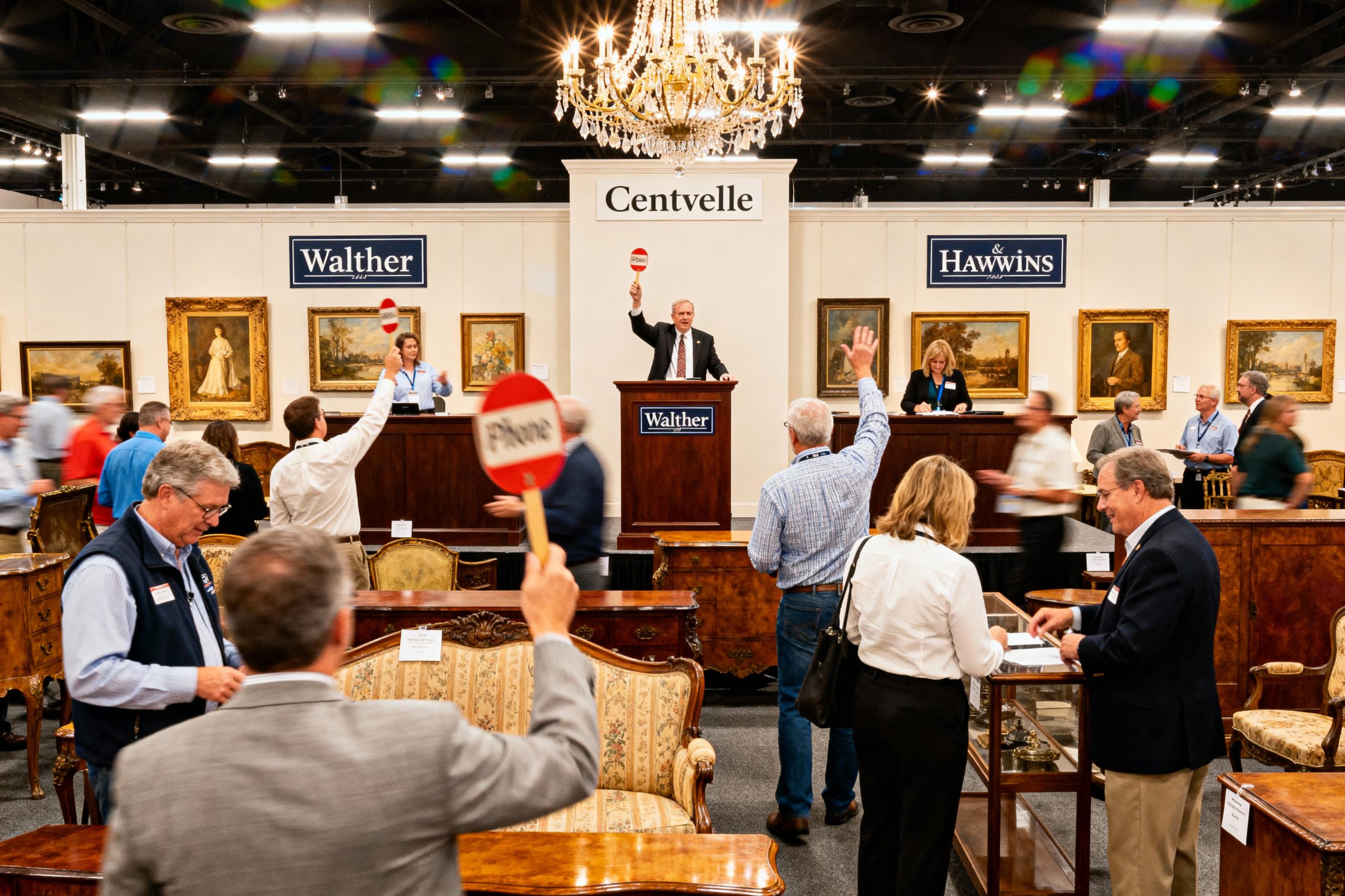
To successfully bid at Waseca auctions, you must understand the process and requirements. Most auctions require a deposit or registration fee before bidding, which varies depending on the auction house. Always check each auction’s terms ahead of time. Bidding increments also follow set rules—often rising by $50 or $100 at a time on properties, enabling clear competition without confusion.
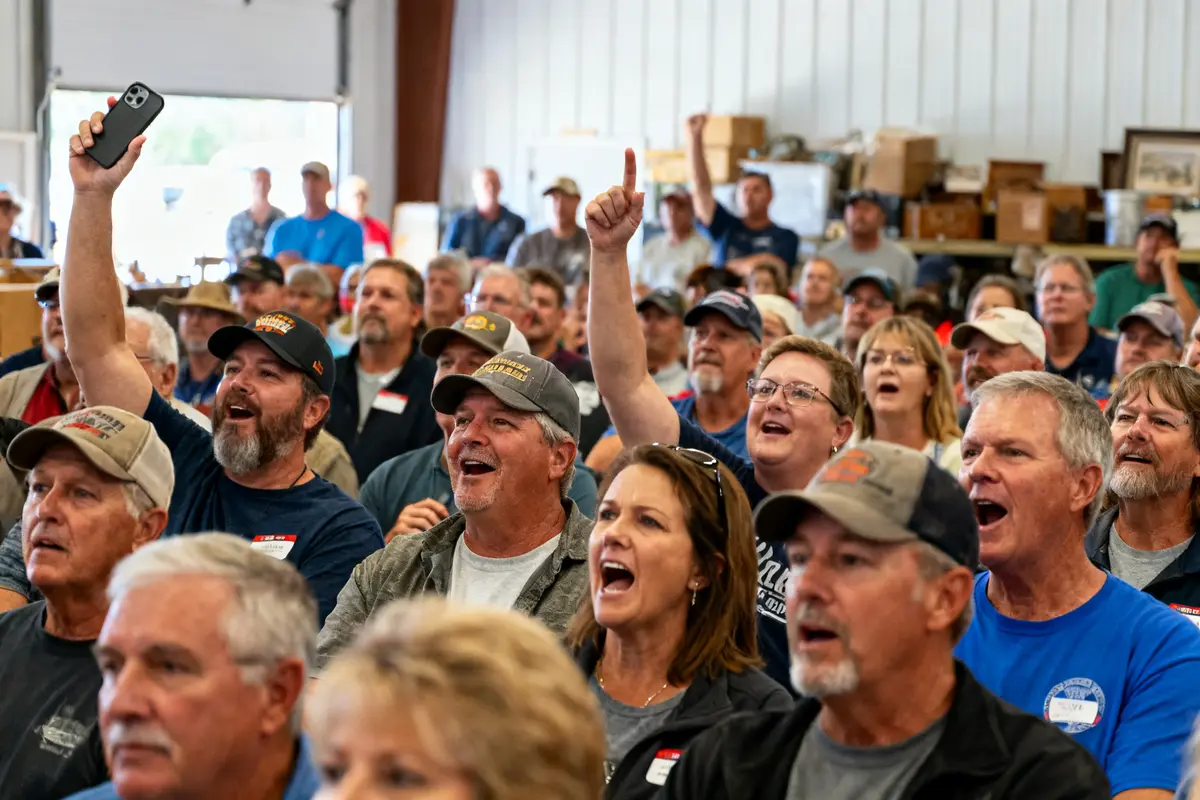
Winning an auction in Waseca depends on timing and strategy. It’s wise to pre-set your maximum bid, as many online auctions enable proxy bidding. During live events, stay focused and avoid emotional bidding wars. Being informed about the property or storage unit contents helps you bid confidently. Keep in mind that deposits are typically non-refundable, emphasizing the need for careful planning.
Understanding Auction Types and Winning Chances
Local Waseca auctions often feature foreclosure sales, estate clearouts, and storage auctions. Each has different rules and buyer eligibility requirements. For foreclosure auctions, winning bids are frequently around 85% of the estimated market value. This insight helps bidders gauge how much room there is for competitive offers without overpaying.
When bidding on bank-owned properties, auction terms tend to be stricter, with higher deposits and sometimes buyer premiums. Estate auctions usually have fewer restrictions, but buyer due diligence remains essential to avoid surprises at closing. Mastering these nuances increases your success in the competitive auction environment across Waseca County.
Top Local Estates in Waseca County
Recent Listings: 37014 Doe Ave and 804 5th St
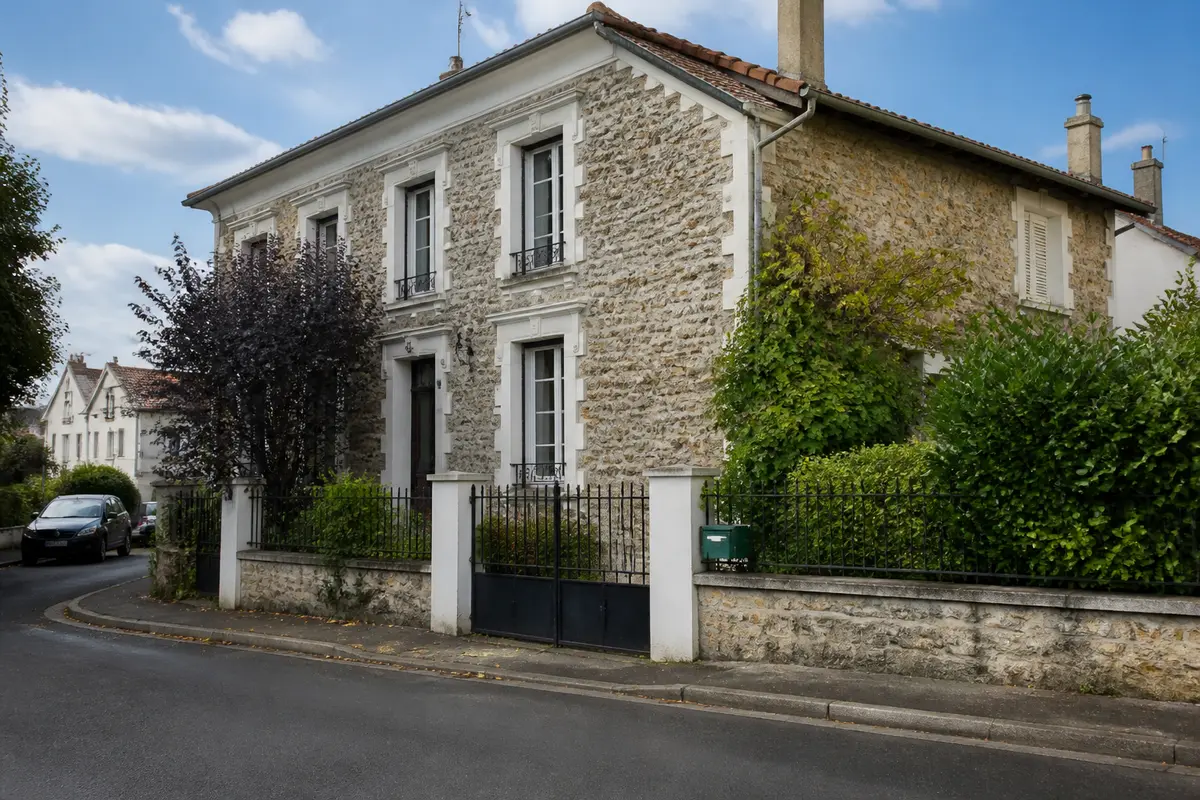
Two notable properties recently listed at Waseca auctions are 37014 Doe Avenue and 804 5th St. The former, a four-bedroom home with approximately 700 square feet, is a foreclosure sale opening soon. The latter is a foreclosure property estimated at $205,351, featuring two bedrooms and nearly 1,900 square feet. These homes exemplify the estate sales currently available and highlight the opportunity for budget-conscious buyers.
Both properties show typical bidding patterns in Waseca, where winning bids often settle about 80% to 90% of market value. This data-driven insight assists buyers in setting realistic bid limits. Considering condition reports and inspection opportunities when available is vital before committing.
Foreclosure vs Bank-Owned: Key Differences
Foreclosure and bank-owned properties often appear similar but have key distinctions. Foreclosure sales occur when a lender repossesses a property due to unpaid mortgage payments, leading to an auction. Bank-owned properties, also called REO (real estate owned), have failed to sell at foreclosure and are now owned outright by the bank.
The bidding process differs: foreclosures at Waseca auctions require careful attention to bidding increments and deposits, which are often lower than for bank-owned sales. Bank-owned sales may include stricter buyer qualifications and sometimes higher minimum bids or buyer fees. Evaluating these differences before bidding can save money and reduce risks.
Estate Auctions in Waseca: Schedules & Venues
Estate auctions in Waseca are generally held at community centers, dedicated auction houses like Turek’s Auction Service, and online platforms. Many venues handle an average of 50 to 60 storage units or estate lots per sale, offering a robust inventory of items and properties.
Schedules vary, though estate auctions commonly take place biweekly or monthly, with advance listings posted online. Bidders can attend in person or participate remotely through digital bidding. Planning ahead with venue calendars helps ensure you don’t miss key auctions.
Author’s Note
« Understanding auction bidding rules and property conditions thoroughly is the best way to safeguard your investment when engaging in Waseca auctions. »
Storage Auction Trends in Minnesota’s Heartland
Storage auctions have gained popularity in Minnesota’s heartland, including Waseca County. These sales typically arise when renters default on storage unit payments for 3 to 6 months. The contents are then auctioned off wholesale to recover costs.
Local auction houses such as Mike Miller Auctions and Ritchie Bros host storage sales averaging 40 to 50 units per event. Buyers often find a wide range of items, including tools, furniture, collectibles, and occasionally vehicles. The trend reflects economic shifts and seasonal demand fluctuations.
Prices are usually low starting bids, but competitive bidding can drive unit prices substantially higher. Successful buyers rely on previewing auctions, setting maximum bids, and recognizing valuable categories like antiques or refurbished equipment.
🧮 Calculator for Waseca Auctions Bidding Budget
Estimate your maximum bid and total cost including deposit and buyer premiums.
How to Prepare for a Waseca Auction: Tips for Buyers
Preparation is crucial for getting the most out of Waseca auctions. First, research upcoming auction schedules and venues. Whether it’s at Mike Miller Auctions or an online platform, knowing when and where auctions happen provides a clear advantage.
Inspect items or properties beforehand if possible. Estates often have open houses, and storage auction previews allow bidders to view unit contents briefly. Make a checklist of must-haves and budgets to avoid impulsive spending. Bringing cash or certified funds is standard for deposits and quick payment post-auction.
- Register early with the auction company and understand their terms
- Set a firm maximum bid based on market research and personal budget
- Attend a few auctions as an observer before bidding to learn the rhythm
- Ask questions about any fees or bidding rules upfront to avoid surprises
- Ensure transportation or pickup plans for won items or properties
Being well-prepared makes bidding less stressful and more successful. Waseca auction houses sometimes enforce buyer premiums, so factor those costs into your total budget. This attention to detail leads to better deals and smooth transactions overall.
FAQ — waseca auctions
What types of auctions are commonly held in Waseca County?
Common auction types in Waseca County include estate sales, storage auctions, foreclosure sales, and consignment auctions. Each offers various items such as household goods, antiques, properties, and storage unit contents, catering to diverse buyer interests.
How do I successfully bid and win at Waseca auctions?
Successfully bidding at Waseca auctions involves registering with a deposit, understanding bidding increments, setting a maximum bid, and staying informed about the items. Online proxy bidding and cautious strategy during live auctions improve chances of winning without overpaying.
What are the differences between foreclosure and bank-owned properties at Waseca auctions?
Foreclosure properties are auctioned due to unpaid mortgages, typically with lower deposits and bidding increments. Bank-owned properties (REO) are unsold foreclosures with stricter terms, higher deposits, and sometimes buyer premiums. Understanding these distinctions helps manage risks and bids.
Where and when are estate auctions usually held in Waseca?
Estate auctions in Waseca are typically held at community centers, auction houses like Turek’s Auction Service, and online platforms. They usually occur biweekly or monthly, with advance listings online and options for in-person or digital bidding to suit buyers.
How can I find Waseca auctions online?
Finding Waseca auctions online involves checking local auction house websites and online auction platforms that list estate and storage sales. These digital options enable remote bidding and provide advance details on schedules, properties, and bidding rules.
What do reviews say about Waseca auctions?
Reviews of Waseca auctions generally highlight well-organized sales with diverse inventories and fair bidding processes. Both seasoned and new bidders appreciate the transparency of deposit requirements and the opportunities for below-market purchases.

John has been passionate about furniture and interior design for over a decade, combining his love for vintage pieces with modern styling techniques. After years of helping friends transform their spaces and restoring countless furniture finds, he started this blog to share his expertise and inspire others to create homes they truly love. When he’s not writing or hunting for unique pieces at estate sales, you’ll find him refinishing a mid-century dresser or experimenting with new room layouts in his own ever-evolving home.