Key takeaways:
A solid pine cobbler’s bench repurposed as a coffee table supports up to 200 pounds, combining vintage charm with practical use. Its handpainted distressed finish requires gentle maintenance to preserve its unique patina, appealing to enthusiasts of rustic and antique décor. Compact dimensions, approximately 36 by 12.5 by 18 inches, make it ideal for small living spaces where functionality and style intersect.
Do you find that adding authentic vintage elements to your living space is more challenging than expected? Incorporating a timeworn cobbler’s bench coffee table creates an inviting contrast with contemporary or farmhouse interiors while providing both durability and aesthetic value. Its blend of handcrafted details and sturdy construction offers an adaptable centerpiece that complements various décor styles. Understanding its sizing, finish care, and placement can help you transform your room with this functional piece of history.
Cobbler’s Bench Coffee Table: Vintage Craft for Living Rooms
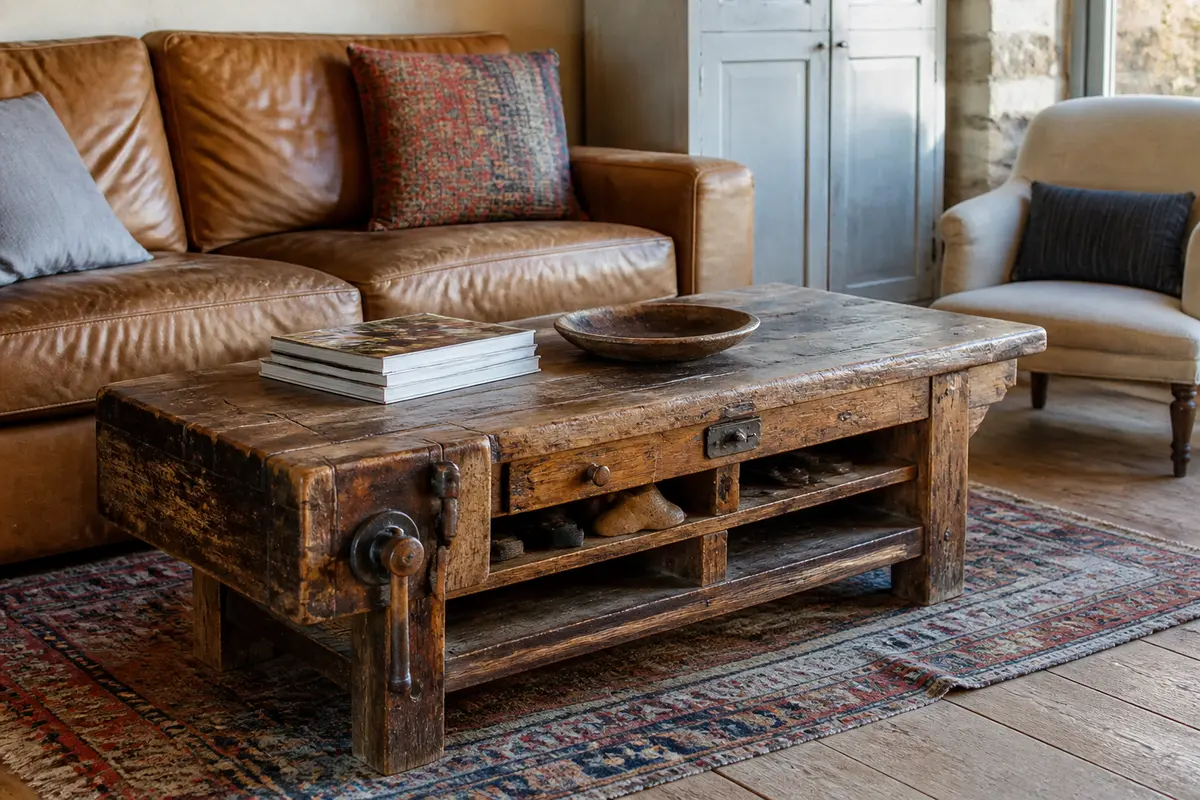
The charm of a cobbler’s bench repurposed as a coffee table lies in its rich history and handcrafted appeal. Traditionally used as a shoemaker’s seat, this bench brings a unique, vintage craftsmanship to living rooms looking for rustic warmth. Its design often features solid wood with simple lines and a sturdy build, making it not just a decorative piece but a functional one as well. The blend of antique style with practical use offers a focal point in any room.
Many homeowners appreciate how this piece adds character and a story to their décor, reflecting a piece of history while serving modern needs. The cobbler’s bench coffee table often becomes a conversation starter, thanks to its authentic, timeworn details and durable solid-wood construction. This piece fits seamlessly in traditional farmhouse, shabby chic, or even contemporary settings when paired thoughtfully with other furnishings.
Cobbler’s Bench Coffee Table: Antique Style in Modern Décor
Incorporating a vintage cobbler’s bench coffee table into a modern décor setting creates a striking contrast that balances sleek design with aged appeal. The bench’s handcrafted details and natural wood patina evoke a sense of nostalgia, enriching minimalist or industrial styles with warmth and texture. This marriage of antique style and contemporary design is increasingly popular, as it allows owners to personalize spaces with one-of-a-kind pieces.
Using antique-style furnishings in today’s interiors highlights both form and function. The cobbler’s bench serves as an elegant coffee table, emphasizing repurposed charm without sacrificing utility. Placing cushions or a tray on top adds comfort and versatility, making it a flexible centerpiece that adapts to evolving décor trends.
Solid Pine Craft: Handrubbed Finish
Solid Pine Construction and Durability
The solid pine used in these benches ensures durability and reliability, key qualities for furniture passing through generations. Pine’s natural grain patterns and knots provide a rustic look that appeals to vintage furniture lovers. The dense, tightly grained wood resists minor dents and scratches, standing up well to everyday use as a coffee table.
With proper care, a solid pine cobbler’s bench coffee table can last decades. The wood’s inherent strength also supports significant weight, which buyers should consider—this particular bench supports up to 200 pounds comfortably, an important detail for shoppers wanting to place heavy décor or serveware.
Distressed Handpainted Finish Care and Patina
A key feature of these coffee tables is the handpainted, distressed finish that gives each piece a weathered, timeless look. The patina develops naturally over time with light use, enhancing the antique feel. Maintaining this finish requires delicate care, avoiding harsh chemicals that might strip the vintage charm.
Lightly dusting and polishing with beeswax or a soft cloth preserves the lacquer and accents the unique handrubbed quality. The subtle imperfections and varied tones of the finish are what make the bench truly one of a kind, perfect for collectors and lovers of period furniture.
Care and Maintenance for cobblers bench coffee table
Maintaining a cobbler’s bench coffee table involves more than surface cleaning; preventing pine wood warping is crucial. Since pine is sensitive to humidity, placing the bench in climate-controlled rooms guards against seasonal swelling or cracking. Using felt pads under legs helps protect floors and minimizes movement-induced stress on joints. Regular inspections of the finish and occasional reapplication of protective oils keep the wood supple and enhance longevity.
Author’s Note
« Proper humidity control and gentle maintenance are key to preserving a pine cobbler’s bench’s character and structural integrity for decades. »
Placement, Sizing, and Styling for Any Room
Dimensions: 36 x 12.5 x 18 in
The typical size of these benches turned coffee tables measures 36 inches long by 12.5 inches wide and 18 inches high, offering a sleek footprint that fits well in various arrangements. This slender profile works well for narrow living rooms or as an entryway bench doubling as a tabletop. Buyers often overlook but should note its maximum load capacity reaches up to 200 pounds, suitable for most everyday uses.
Placement in Small Spaces
Thanks to its compact size, the bench is ideal for smaller living rooms or apartments where space is at a premium. It can serve as a dual-purpose item, functioning as seating in a pinch or as a coffee table that doesn’t overwhelm the area. Positioning it near a couch or beneath a window emphasizes its versatility while keeping the space open and airy.
Styling with Vintage Accents
Pairing the bench with vintage accents elevates its antique appeal. Consider using old books, brass candle holders, or woven trays to complement the rustic texture of the hand-rubbed finish. Layering throws or cushions in neutral tones enhances comfort and invites coziness. Styling in this way creates a warm atmosphere that balances practical use and decorative flair.
🧮 Calculator for Cobbler’s Bench Coffee Table Sizing
Estimate the ideal space needed to place your vintage bench coffee table comfortably.
Delivery, Assembly, and Customization Options
The cobbler’s bench coffee table usually arrives fully assembled, saving you time and hassle. Shipping packaging is designed to protect the delicate handrubbed finish during transit. Most suppliers offer customization options, such as different distressed paint colors or wood stains, to suit your personal style.
Typical lead times for such custom work range from 8 to 12 weeks, with some additional charges depending on the specific finish or dimension changes requested. It's best to inquire about these details upfront to manage expectations. Delivery is often carried out via white-glove service for additional ease and peace of mind.
Buying Guide: Choosing a Vintage Bench as a Coffee Table
Selecting the right vintage bench to repurpose as a coffee table involves considering several factors beyond appearance. Your choice should balance aesthetics, structural integrity, and dimensions suitable for your living spaces. Look for solid wood construction and inspect for any damage that affects stability.
Since these benches vary in style and finish, prioritize one with a finish compatible with your décor and that can stand up to careful cleaning and maintenance. Remember to verify the weight limits, especially if you plan to place heavier items on the table regularly.
When buying vintage, sourcing from reputable dealers or artisans who specialize in antique restoration often assures better condition and more accurate provenance. This ensures your new coffee table remains a durable, charming centerpiece for years to come.
FAQ — cobbler's bench coffee table
What were cobbler benches originally used for?
Cobbler benches were originally used as shoemakers' seats, designed to provide craftsmen with a sturdy workspace and seating while repairing or making shoes.
What is the 2/3 rule for coffee tables?
The 2/3 rule for coffee tables suggests the table should be about two-thirds the length of the sofa it accompanies, ensuring proportional balance and functional reach in the living space.
What is the most famous coffee table of all time?
The most famous coffee table of all time is often considered to be the Noguchi table, renowned for its sculptural design and iconic status in modern furniture history.
What is a cobbler table?
A cobbler table is a piece of furniture originally crafted for shoemakers, typically made from solid wood with a sturdy build, now often repurposed as a rustic coffee table highlighting vintage craftsmanship.
What defines a vintage cobbler's bench coffee table?
A vintage cobbler's bench coffee table is defined by its solid pine construction, handcrafted details, and a handpainted distressed finish that adds rustic charm and durability to living rooms.
How can a cobbler's bench coffee table be styled in modern décor?
Styling a cobbler's bench coffee table in modern décor involves pairing it with minimalist or industrial elements, using cushions or trays for function, and accenting with vintage items to balance antique warmth and sleek design.

John has been passionate about furniture and interior design for over a decade, combining his love for vintage pieces with modern styling techniques. After years of helping friends transform their spaces and restoring countless furniture finds, he started this blog to share his expertise and inspire others to create homes they truly love. When he’s not writing or hunting for unique pieces at estate sales, you’ll find him refinishing a mid-century dresser or experimenting with new room layouts in his own ever-evolving home.